
Is Canada Safe?
Canada is generally a very safe country for travelers, with low rates of street crime in most tourist areas and strong public services. The main everyday risks are petty theft in busy city centers, nightlife-related incidents, car break-ins, and weather or distance-related problems in remote areas rather than targeted violent crime.
Photo: John Lee / Unsplash
Perception vs Reality: Canada is often seen as uniformly risk-free, but large city downtowns can have visible drug use, mental health crises, and opportunistic theft. Most visits are trouble-free, but safety varies by neighborhood and time of day.
Risk Scores
Scale: 1 = very low risk, 10 = very high risk
Safety Overview
Overall Safety
Canada is one of the safer travel destinations globally. Most visitors face low risk if they use normal city precautions and plan for weather and distance.
Violent Crime
Violent crime affecting travelers is uncommon and usually not random in tourist settings. Risk rises late at night around bars, isolated transit areas, or streets with heavy drug activity.
Petty Crime
Pickpocketing and bag theft happen most in busy downtown zones, airports, festivals, and transit. Car break-ins are more common than muggings in many cities.
Scams
Scams are usually low-level and opportunistic, such as taxi overcharging, fake rentals, fake ticket sales, or card fraud. Street scams are less aggressive than in many major tourist countries.
Night Safety
Nighttime is usually manageable in well-trafficked areas, but some downtown blocks can change quickly after bars close. Avoid empty streets, poorly lit parks, and confrontations with intoxicated people.
Public Transport
Public transport is generally safe and widely used. Late-night service, isolated stations, and end-of-line stops need a bit more awareness, especially in larger cities.
Police & Emergency
Police and emergency response are generally reliable in cities and towns; dial 911 for urgent help. Response can be slower in remote, northern, or wilderness areas.
Day vs Night
Daytime
Most city centers and tourist districts are low risk during the day. Keep an eye on bags in crowded spots and do not leave valuables in cars at attractions or trailheads.
Nighttime
Risk increases in bar districts, around shelters or open drug scenes, and on quiet transit platforms after service thins out. Stick to well-lit streets and use a taxi or rideshare if you are far from your accommodation.
Seasonal: Winter brings ice, extreme cold, and dangerous driving conditions in many regions. Summer festivals increase crowd theft risk, and wildfire smoke or evacuations can disrupt travel in some provinces.
Who’s Visiting?
Tourists are usually safe in Canada, especially in major sightseeing areas. Most incidents involve unattended items, vehicle break-ins, nightlife disputes, or simple scams.
Common Risks
- ⚠ Pickpocketing in busy downtowns and festivals
- ⚠ Bag or phone theft in cafés and transit
- ⚠ Car break-ins at trailheads and parking lots
- ⚠ Taxi overcharging or unlicensed drivers near airports and nightlife
- ⚠ Fake tickets or fake short-term rentals online
Tips
- ✓ Keep bags zipped and phones secure in crowded areas
- ✓ Do not leave luggage or valuables visible in cars
- ✓ Use licensed taxis or major rideshare apps
- ✓ Book rentals through reputable platforms and verify the address
- ✓ Check neighborhood context before choosing budget accommodation
Canada is generally comfortable for solo women travelers, especially in central areas of major cities. The main concerns are late-night harassment, intoxicated people, and isolated transit or parking areas.
Common Risks
- ⚠ Street harassment in nightlife districts
- ⚠ Unwanted attention from intoxicated people
- ⚠ Feeling unsafe around poorly lit transit stops late at night
- ⚠ Drink tampering risk in bars and clubs
Tips
- ✓ Use rideshare or licensed taxis after a late night out
- ✓ Watch your drink and avoid leaving it unattended
- ✓ Choose central accommodation with good reviews and late check-in options
- ✓ Avoid isolated shortcuts through parks, alleys, or parking structures at night
- ✓ Share live trip details with someone when heading out late
Canada is one of the more LGBTQ-friendly countries for travelers. Major cities are broadly accepting, with the highest comfort levels in places such as Toronto, Montreal, Vancouver, Ottawa, and Halifax.
Same-sex relationships and marriage are legal, and anti-discrimination protections are strong. Social acceptance is high in most urban areas, though smaller towns or conservative pockets may feel less openly affirming.
Common Risks
- ⚠ Occasional verbal harassment, especially late at night
- ⚠ Higher discomfort in some rural or socially conservative areas
- ⚠ Nightlife-related incidents rather than legal risk
Tips
- ✓ Urban centers are generally the easiest places to be openly LGBTQ
- ✓ Use normal nightlife precautions in bar districts
- ✓ Check venue reviews if seeking explicitly LGBTQ-friendly spaces outside major cities
- ✓ In rural areas, read the room and adjust visibility if needed for comfort
Canada is a strong family destination with generally low crime and good infrastructure. The bigger issues for families are weather, transport logistics, and keeping belongings secure in busy places.
Common Risks
- ⚠ Children getting separated in crowded attractions
- ⚠ Car break-ins during sightseeing stops
- ⚠ Winter ice, cold, or poor road conditions
- ⚠ Wildlife and water hazards in parks and natural areas
Tips
- ✓ Set a meeting point in large attractions and stations
- ✓ Carry layers and check weather before day trips
- ✓ Keep snacks, water, and chargers for long travel legs
- ✓ Do not leave passports or electronics in parked vehicles
- ✓ Follow park signage and keep distance from wildlife
Canada is generally safe for remote workers, especially in major cities with strong infrastructure. Common issues are laptop theft from cafés, bike theft, and high accommodation costs pushing people into less ideal areas.
Common Risks
- ⚠ Unattended device theft in cafés and coworking spaces
- ⚠ Fake rental listings and deposit scams
- ⚠ Bike theft in city centers
- ⚠ Late-night transit issues after working or social events
Tips
- ✓ Do not leave devices unattended even briefly
- ✓ Verify sublets and short-term rentals before sending deposits
- ✓ Use strong locks and indoor bike storage if possible
- ✓ Choose housing near well-used transit and grocery access
- ✓ Be careful with public Wi-Fi and use reputable networks
Crime & Threats
Pickpocketing
MediumMost common in busy downtowns, tourist districts, festivals, and transit. Lower than in many European capitals, but still worth guarding against.
Phone Snatching
LowLess common than in some cities abroad, but it does happen near nightlife zones, on transit platforms, and from bikes or scooters in larger cities.
Robbery
LowStreet robbery is relatively uncommon for travelers. Risk is higher after dark in isolated areas or around heavy intoxication and drug activity.
Assault
LowRandom assaults on visitors are uncommon, but bar fights, harassment, and incidents involving intoxicated individuals can occur late at night.
Drink Spiking
MediumNot widespread, but regularly reported enough to take seriously in nightlife settings. Keep your drink with you and avoid accepting open drinks from strangers.
Taxi Scams
LowUsually limited to overcharging, long routes, or unlicensed airport pickups. Use clearly marked taxis or app-based rides.
ATM Skimming
LowCard fraud exists but is not a dominant traveler problem. Use ATMs inside banks or busy retail areas and check for tampering.
Tourist Scams
LowCanada has relatively few aggressive tourist scams. Most issues are fake rentals, fake tickets, charity or petition distractions, and online payment fraud.
Common Scams
Fake short-term rental
A listing looks real, but the host asks for a deposit off-platform or the property does not exist.
Book through reputable platforms, avoid wire transfers, and be wary of pressure to pay outside the platform.
Taxi overcharge or long-route fare
An unlicensed or dishonest driver charges extra fees or takes an unnecessarily long route from airports or nightlife areas.
Use marked taxis or trusted rideshare apps and check that the route makes sense.
Fake event tickets
Scammers sell invalid digital tickets for concerts, sports, or festivals through social media or resale sites.
Buy from official sellers or major verified resale platforms only.
Distraction theft
Someone asks for help, starts a petition, or creates a distraction while an accomplice targets a bag or phone.
Keep valuables in front pockets or zipped bags and do not set phones or wallets on café tables.
Area Map
Approximate locations from public sources. Conditions vary by time of day and current events.
Area Safety
Safer Areas
Generally orderly, government-heavy, and comfortable for walking and sightseeing.
Well-trafficked tourist area with lower street-crime risk than larger downtowns.
Popular, walkable, and typically calm, especially during the day and early evening.
Be More Careful
Visible drug activity, erratic behavior, and higher street disorder than most tourist zones.
Higher rates of street disorder and violence than the national norm, especially after dark.
Busy and generally manageable, but theft, harassment, and intoxication-related incidents rise late at night.
Getting Around
Walking
Walking is usually safe in central areas, especially by day. Avoid deserted blocks, park paths, and industrial areas late at night.
Taxis & Rideshare
Generally safe if licensed or booked through established apps. Confirm the plate, driver, and route, especially at airports, stations, and nightlife venues.
Trains & Buses
Urban buses, metros, and intercity trains are generally safe. Watch your belongings, sit near other passengers at night, and be aware that service can be sparse in smaller cities.
Do’s & Don’ts
Do
- Keep bags zipped and valuables out of sight on transit
- Use licensed taxis, major rideshare apps, and official booking platforms
- Choose central, well-reviewed accommodation if arriving late
- Plan for weather, distance, and limited services outside major cities
- Store passports, electronics, and bags out of sight, especially in cars
Don’t
- Do not leave visible items in parked vehicles, even briefly
- Do not assume every downtown block is equally safe after dark
- Do not accept unofficial rides from airports or stations
- Do not leave drinks unattended in bars or clubs
- Do not underestimate winter conditions or remote travel distances
How Does It Compare?
Frequently Asked Questions
Yes. Canada is generally very safe for tourists, with the main risks being petty theft, nightlife-related incidents, and car break-ins.
Usually yes in busy central areas, but risk rises around bar districts, quiet transit stops, and streets with visible drug activity.
Generally yes. Most solo women travel comfortably, especially in major cities, but late-night transport and nightlife require the usual precautions.
Data Notes
- This is a country-level profile; risk varies significantly between cities, neighborhoods, and remote regions.
- Crime patterns can shift quickly in specific downtown areas with homelessness, drug activity, or nightlife concentration.
- Remote travel, wilderness hazards, winter driving, and wildfire disruption are important in Canada but are not fully captured by urban crime-focused scores.
Traveling to Canada?
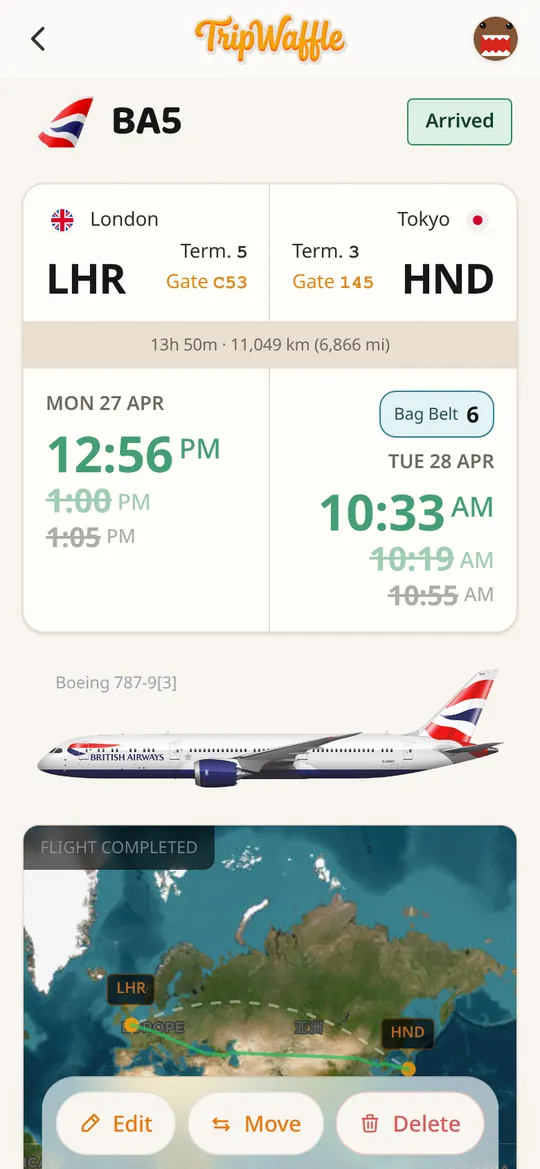
TripWaffle organizes your whole trip in one beautiful itinerary - and watches over it: government advisory alerts, the local emergency number, and entry requirements for Canada, plus live flight tracking. Just forward your confirmation emails.


100% free · 3 second signup
Last updated: May 27, 2026