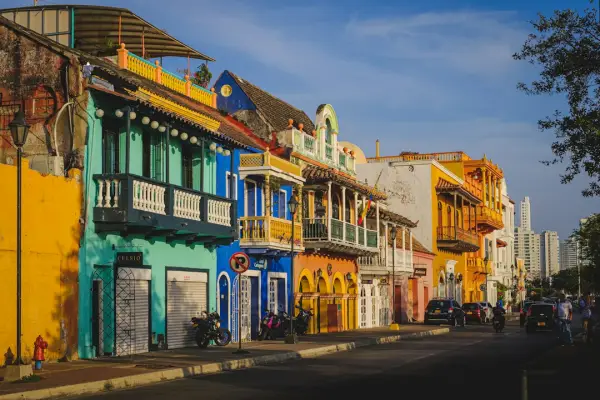
Is Colombia Safe?
Colombia is manageable for most travelers, but safety varies sharply by city, neighborhood, and time of day. Tourist areas in major cities can feel comfortable in daylight, while street robbery, phone theft, nightlife drugging, and risks in some rural or border regions remain real concerns.
Photo: Leandro Loureiro / Unsplash
Perception vs Reality: Colombia is safer for visitors than its old reputation suggests, especially in established tourist zones, but the idea that the whole country is now easy and low-risk is also misleading. Urban theft and some regional security issues still require active caution.
Risk Scores
Scale: 1 = very low risk, 10 = very high risk
Safety Overview
Overall Safety
Safety is highly location-specific. Well-known tourist districts are usually manageable with good habits, but theft, robbery, and nightlife-related risks are common enough to plan around.
Violent Crime
Most visitors are not targeted for serious violence, but armed robbery and express kidnappings linked to informal taxis or dating setups do occur. Rural conflict areas and some border zones carry higher risk.
Petty Crime
Pickpocketing and phone snatching are common in busy city areas, buses, nightlife districts, and around transport hubs. Visible phones and jewelry attract attention.
Scams
Taxi overcharging, fake police checks, card fraud, and dating-app setups are recurring issues. Tourists are also vulnerable to drink spiking in nightlife settings.
Night Safety
Night risk rises noticeably, even in popular districts. Walking after dark, especially on quiet streets or after drinking, brings a higher chance of robbery or harassment.
Public Transport
Metro systems and formal buses are generally usable, but crowded vehicles attract pickpockets. Use extra care at stations, on buses after dark, and when arriving with luggage.
Police & Emergency
Police presence is stronger in major cities and tourist areas, but response quality varies. Emergency number 123 is widely used; tourist police are more visible in places like Bogotá, Medellín, and Cartagena.
Day vs Night
Daytime
Daytime is generally manageable in central, well-known neighborhoods and tourist sites if you keep valuables out of sight. Crowded markets, bus corridors, and historic centers still attract pickpockets.
Nighttime
Risk increases after dark. Walking on quiet streets, changing venues while intoxicated, or using informal taxis are common patterns behind robberies and nightlife incidents.
Seasonal: Carnival, holidays, concerts, football matches, and major festivals bring bigger crowds, more theft, and transport congestion. Demonstrations can disrupt travel and sometimes turn tense with little notice.
Who’s Visiting?
Most tourists visit without major trouble, but street theft and nightlife risks are common enough to require planning.
Common Risks
- ⚠ Phone snatching in cities
- ⚠ Pickpocketing in crowded areas
- ⚠ Taxi overcharging or unsafe informal taxis
- ⚠ Drink spiking in bars or clubs
- ⚠ Dating-app robbery setups
Tips
- ✓ Use app-based or hotel-booked transport, especially at night
- ✓ Keep your phone out of sight on sidewalks and at traffic lights
- ✓ Carry only the cash you need for the day
- ✓ Stay in well-reviewed central neighborhoods
- ✓ Do not leave drinks unattended
Solo women can travel in Colombia, especially on established routes, but unwanted attention, nightlife risk, and nighttime street safety need extra planning.
Common Risks
- ⚠ Harassment or persistent attention
- ⚠ Drink spiking in nightlife venues
- ⚠ Robbery on quiet streets at night
- ⚠ Unsafe informal taxi situations
Tips
- ✓ Use rideshare or trusted taxi bookings after dark
- ✓ Avoid walking alone late at night, even short distances
- ✓ Choose accommodation in active, central areas
- ✓ Be cautious with invitations from strangers or rapid romantic attention
- ✓ Share live trip details when going out at night
Large cities have visible LGBTQ+ scenes and many travelers report comfortable experiences in those areas, but acceptance is uneven and public discretion may still be wise outside major urban zones.
Same-sex relationships are legal and Colombia is relatively progressive by regional standards, but social attitudes vary by city and region. Urban nightlife districts are generally more accepting than conservative rural areas.
Common Risks
- ⚠ Harassment in conservative areas
- ⚠ Targeting through dating apps
- ⚠ Nightlife theft or drugging
- ⚠ Verbal abuse outside major city centers
Tips
- ✓ Prefer known LGBTQ+-friendly venues and neighborhoods
- ✓ Treat dating-app meetups cautiously and meet in public first
- ✓ Use trusted transport late at night
- ✓ Be more discreet in smaller towns and rural regions if the atmosphere feels conservative
Families usually do best in well-known urban or resort areas with pre-booked transport and daytime sightseeing.
Common Risks
- ⚠ Petty theft in crowded attractions
- ⚠ Traffic and road safety issues
- ⚠ Heat and dehydration in coastal destinations
- ⚠ Less reliable safety conditions in remote areas
Tips
- ✓ Use reputable hotels and pre-arranged airport transfers
- ✓ Avoid late-night arrivals on unfamiliar streets
- ✓ Keep children close in busy plazas and transport hubs
- ✓ Plan intercity travel with established operators or flights
Colombia is popular for remote work, especially in Medellín and Bogotá, but routines can make you predictable and electronics are attractive targets.
Common Risks
- ⚠ Laptop and phone theft
- ⚠ Apartment or coworking opportunistic theft
- ⚠ Dating-app and social-engineering setups
- ⚠ Card fraud
Tips
- ✓ Do not work street-side with expensive gear visible
- ✓ Choose buildings with solid entry security
- ✓ Separate backup cards and cash
- ✓ Avoid posting real-time location details publicly
- ✓ Use trusted transport when carrying electronics
Crime & Threats
Pickpocketing
HighCommon in crowded streets, buses, markets, festivals, and tourist centers, especially in Bogotá, Medellín, and Cartagena.
Phone Snatching
HighA major everyday risk in cities. Thieves on foot, bicycles, or motorcycles often target phones used openly on sidewalks or near roads.
Robbery
MediumStreet robbery happens more often at night, on quiet blocks, after drinking, or when using informal taxis. Some incidents involve weapons.
Assault
MediumSerious assault is not the norm for visitors, but it can occur during robberies, nightlife disputes, or in higher-risk neighborhoods.
Drink Spiking
HighA well-known concern in nightlife and dating contexts. Victims may be robbed after accepting drinks or meeting strangers.
Taxi Scams
MediumOvercharging and route manipulation occur, and more serious crimes are more often linked to informal street-hailed taxis than app-based rides.
ATM Skimming
MediumCard cloning and shoulder-surfing are reported. Standalone or poorly located ATMs are riskier than machines inside banks or malls.
Tourist Scams
MediumFake police, inflated bar tabs, dating-app setups, and pressure sales around tourist sites are recurring issues.
Common Scams
Drink spiking and robbery
A stranger offers a drink, joins your table, or arranges a date, then the victim is drugged and robbed.
Watch your drink being made, do not leave it unattended, and be cautious with new acquaintances and dating-app meetups.
Fake police check
Someone claiming to be police asks to inspect your cash, cards, or passport, then steals or swaps items.
Ask to see ID, stay in public view, and if unsure suggest going to a police post or your hotel.
Informal taxi setup
A street-hailed or unofficial taxi overcharges, detours, or in worse cases coordinates a robbery.
Use rideshare apps or taxis booked by hotel, airport counters, or reputable dispatch services.
Inflated bar or club bill
A venue adds extra drinks, service, or fake charges, often after a tourist is distracted or intoxicated.
Check prices first, monitor tabs, pay as you go in unfamiliar places, and avoid venues pushed aggressively by touts.
Phone snatch at curbside
A thief on foot, bike, or motorbike grabs a phone from someone texting near the street.
Use your phone indoors or away from the curb, and keep it in a front pocket or zipped bag when not needed.
Area Map
Approximate locations from public sources. Conditions vary by time of day and current events.
Area Safety
Safer Areas
Popular with travelers, relatively strong security presence, many hotels and restaurants, though nightlife risks remain.
Well-trafficked, more upscale, and generally easier for visitors to navigate than many outer districts.
Tourist-focused areas with strong foot traffic and visible policing, especially in daytime.
Be More Careful
Armed group activity, trafficking routes, and unstable rural security conditions.
Security conditions can be volatile and harder to predict than in major tourist destinations.
Illegal armed groups, weak state presence, and transport routes with higher security uncertainty.
Higher risk of theft, robbery, and targeting of visibly lost or intoxicated travelers.
Getting Around
Walking
Fine in busy central areas by day, but avoid displaying phones and do not rely on walking at night outside active main streets. In many cities, even short nighttime walks are better by rideshare.
Taxis & Rideshare
App-based rides or hotel-arranged taxis are safer than hailing random cars on the street. Confirm the plate and driver before entering, and avoid sharing rides with strangers.
Trains & Buses
Urban buses and BRT systems are common theft spots when crowded. Medellín's metro is generally orderly, but keep bags closed and phones away near station exits.
Do’s & Don’ts
Do
- Stay in well-reviewed central neighborhoods
- Use app-based or pre-booked transport at night
- Keep phones and jewelry out of sight in public
- Carry a small amount of cash and a backup card separately
- Use bank or mall ATMs during daylight
- Check local conditions before visiting rural or border areas
Don’t
- Do not flash your phone on sidewalks or in traffic
- Do not accept drinks from strangers or leave drinks unattended
- Do not use informal taxis late at night
- Do not assume a safe district stays safe on every block after dark
- Do not travel casually into border or conflict-affected regions without current local information
How Does It Compare?
Safer Than
Riskier Than
This is a broad regional comparison. Safety in Colombia varies more by neighborhood and travel style than a simple country ranking suggests.
Frequently Asked Questions
Usually yes in established tourist areas, but theft, robbery, and nightlife drugging are real risks. Your neighborhood choice and after-dark habits matter a lot.
For most travelers, the most common risks are phone theft, pickpocketing, robbery after dark, and drink spiking in nightlife settings.
Use app-based or hotel-arranged rides when possible. Informal street-hailed taxis carry more risk for overcharging and, in some cases, more serious crime.
Data Notes
- Country-level safety varies sharply by city, district, and rural route, so a national profile cannot capture every local condition.
- Security conditions in border and conflict-affected regions can change quickly due to armed group activity or police operations.
- Protests, transport disruption, and local crime spikes can alter risk on short notice in major cities.
Explore Areas in Colombia
Traveling to Colombia?
TripWaffle organizes your whole trip in one beautiful itinerary - and watches over it: government advisory alerts, the local emergency number, and entry requirements for Colombia, plus live flight tracking. Just forward your confirmation emails.
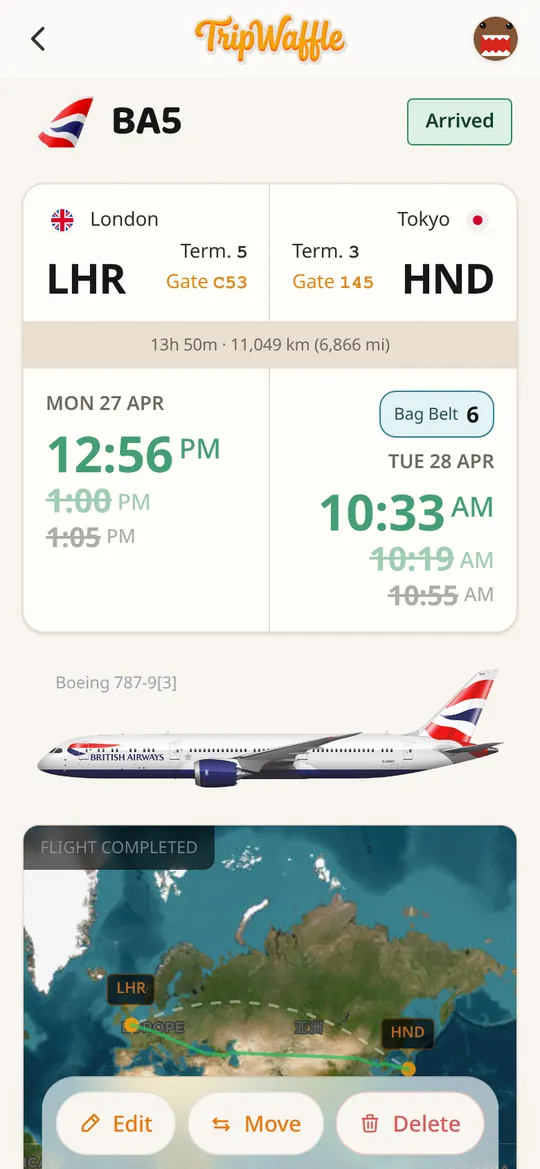
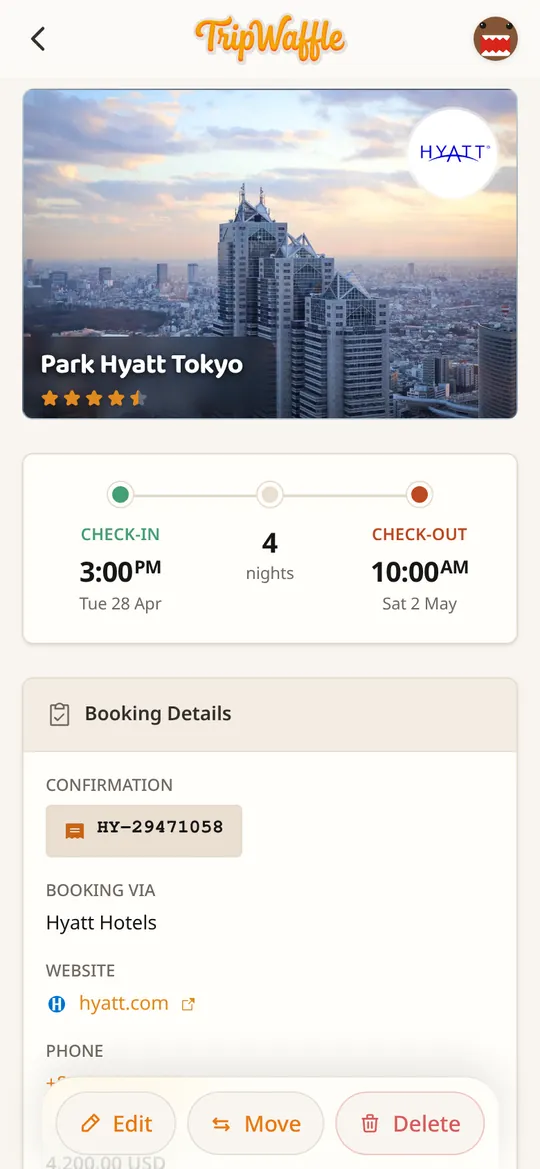
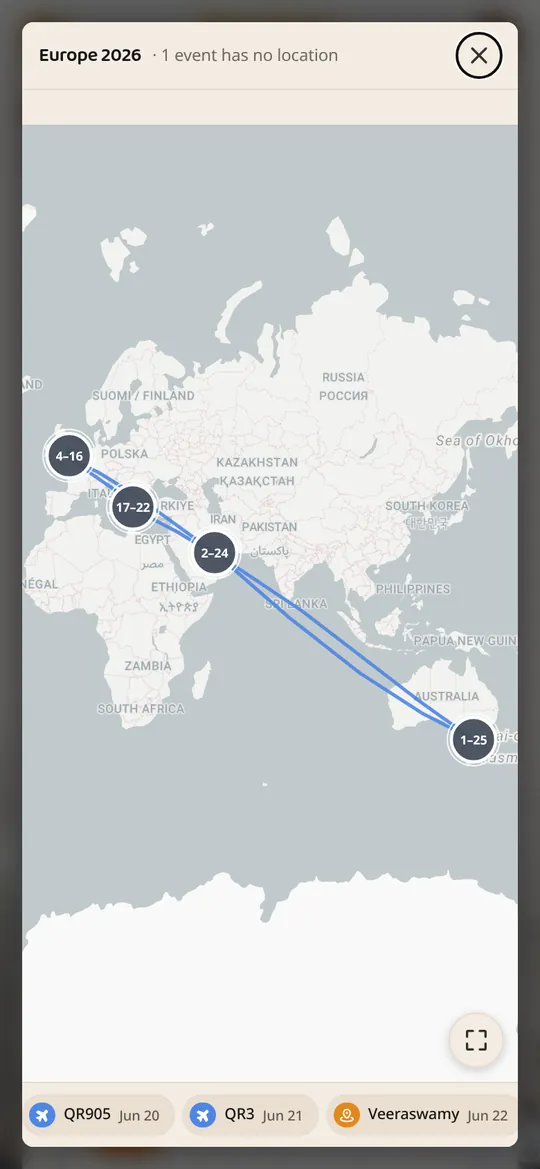


100% free · 3 second signup
Last updated: May 27, 2026