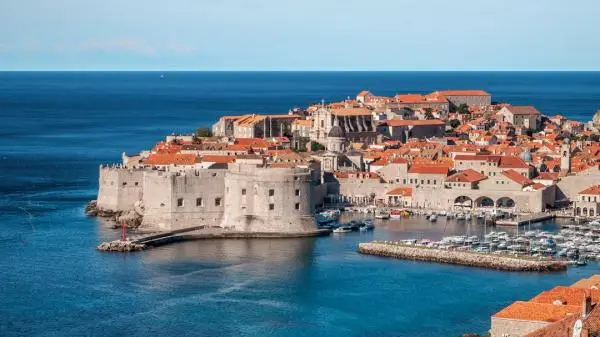
Is Dubrovnik Safe?
Dubrovnik is generally a safe city for most travelers, with low violent crime and a well-policed tourist core. The main issues are petty theft in crowded areas, occasional overcharging or transport-related scams, and extra caution needed late at night around bars, the port, and isolated streets.
Photo: Ivan Ivankovic / Unsplash
Perception vs Reality: Dubrovnik can feel hectic and expensive in peak season, but its reputation as a crowded tourist hotspot does not usually translate into high violent-crime risk.
Risk Scores
Scale: 1 = very low risk, 10 = very high risk
Safety Overview
Overall Safety
Dubrovnik is one of the safer destinations on the Adriatic. Most visitors have trouble-free trips if they stay alert in crowded tourist areas and manage nightlife sensibly.
Violent Crime
Violent crime affecting visitors is uncommon. Incidents are more likely to involve alcohol, arguments, or late-night situations than targeted street violence.
Petty Crime
Pickpocketing and unattended-bag theft are the main concerns, especially in the Old Town, near Pile Gate, on busy buses, and around the port.
Scams
Scams are usually low-level and tourist-focused, such as inflated taxi fares, misleading restaurant pricing, or aggressive booking offers in peak season.
Night Safety
The center stays lively and fairly safe at night, but quiet side streets, waterfront areas after bars close, and routes away from the Old Town need more awareness.
Public Transport
Local buses are generally safe and straightforward. Watch your belongings when buses are crowded, especially during cruise arrivals and summer evenings.
Police & Emergency
Police presence is visible in tourist areas during the season. Emergency response is generally reliable, though summer crowds can slow movement in the Old Town.
Day vs Night
Daytime
Daytime is generally low risk. Main concerns are pickpockets in crowded tourist zones, beach theft, and heat or slip hazards on polished stone surfaces.
Nighttime
Night remains relatively safe in busy areas, but risks rise around bars, after midnight transport, and on poorly lit or quiet walking routes.
Seasonal: Peak summer and cruise-ship days bring the highest petty-theft risk, more pricing issues, and heavier congestion around gates, buses, and the port.
Who’s Visiting?
Tourists are usually safe, but dense crowds and seasonal pressure create opportunities for petty theft and price-related hassles.
Common Risks
- ⚠ Pickpocketing in the Old Town
- ⚠ Overpriced taxis or transfer offers
- ⚠ Restaurant or bar overcharging in prime locations
- ⚠ Theft of unattended bags at beaches or cafes
Tips
- ✓ Keep phones and wallets secured in crowded gates, stairs, and bus stops.
- ✓ Use licensed taxis, rides booked through your hotel, or confirm the fare before departure.
- ✓ Check menu prices before ordering in high-traffic tourist streets.
- ✓ Do not leave bags unattended on beaches, terraces, or outside city walls viewpoints.
Dubrovnik is generally comfortable for solo women, including in the tourist core at night, though standard nightlife and transport precautions still matter.
Common Risks
- ⚠ Harassment linked to intoxicated nightlife crowds
- ⚠ Unwanted attention in bars
- ⚠ Walking alone on quiet routes late at night
- ⚠ Drink tampering in busy nightlife settings
Tips
- ✓ Prefer well-lit routes around the Old Town, Lapad, and main roads after dark.
- ✓ Watch drinks closely in bars and avoid leaving them unattended.
- ✓ Use licensed taxis or pre-booked rides if returning late from Lapad or Gruz.
- ✓ If a bar or group feels off, leave early rather than debating the situation.
Dubrovnik is usually manageable for LGBTQ travelers, especially in tourist-facing spaces, though it is not as openly expressive as some larger Western European cities.
Croatia is not hostile by law to LGBTQ visitors, but public attitudes can be mixed and discretion may feel more comfortable outside clearly tourist-oriented venues.
Common Risks
- ⚠ Occasional verbal hostility
- ⚠ Stares or discomfort with public displays of affection
- ⚠ Limited dedicated LGBTQ nightlife
Tips
- ✓ Tourist-heavy areas are generally the easiest places to socialize comfortably.
- ✓ Use normal discretion with public affection in quieter local areas.
- ✓ Choose well-reviewed bars, hotels, and tour operators with international clientele.
- ✓ If nightlife feels overly rowdy, move on rather than engaging.
Dubrovnik works well for families and is broadly safe, but steep steps, summer heat, traffic near drop-off zones, and waterfront slips are more relevant than crime.
Common Risks
- ⚠ Crowd separation in the Old Town
- ⚠ Slippery stone streets and stairways
- ⚠ Heat exposure in summer
- ⚠ Traffic near Pile Gate, Gruz, and parking areas
Tips
- ✓ Set a meeting point if children get separated in the Old Town.
- ✓ Use sturdy footwear on polished stone streets and steps.
- ✓ Carry water, shade gear, and plan breaks outside midday heat.
- ✓ Keep children close near city walls, harbor edges, and boarding points.
Dubrovnik is generally safe for remote workers, though summer crowds, high prices, and device theft from unattended tables are the main practical concerns.
Common Risks
- ⚠ Laptop or phone theft from cafes or shared spaces
- ⚠ Tourist-season accommodation scams
- ⚠ Price inflation during peak months
Tips
- ✓ Do not leave devices unattended, even briefly, at cafes or co-working style spaces.
- ✓ Book accommodation through established platforms or verified hosts.
- ✓ Check Wi-Fi reviews and backup mobile data before committing to a stay.
- ✓ Expect quieter, more practical working conditions outside the peak cruise season.
Crime & Threats
Pickpocketing
MediumMost likely in packed areas such as the Old Town, Pile Gate, city walls queues, buses, and cruise-related crowds.
Phone Snatching
LowLess common than in many larger cities, but phones left on cafe tables or held loosely in crowds can be taken.
Robbery
LowStreet robbery is uncommon. Risk rises late at night around intoxicated groups or on isolated routes.
Assault
LowAssault involving visitors is uncommon and more often linked to nightlife, alcohol, or personal disputes than random attacks.
Drink Spiking
LowNot a defining local problem, but normal bar precautions are sensible in busy nightlife spots.
Taxi Scams
MediumOvercharging can happen on airport, port, and high-demand routes, especially in peak season or if the fare is not agreed in advance.
ATM Skimming
LowRisk appears limited, but use bank ATMs instead of standalone tourist-zone machines when possible.
Tourist Scams
MediumTypical issues include inflated prices, misleading excursion sales, and transport upselling rather than sophisticated fraud.
Common Scams
Taxi overcharging
A driver quotes a high flat fare, takes a longer route, or avoids clear pricing from the airport, port, or tourist hotspots.
Use licensed taxis, ask the expected fare before leaving, and book through your accommodation when possible.
Tour or transfer upselling
Street sellers or informal agents push excursions or transfers with vague inclusions, then add fees later.
Book through established agencies, confirm what is included, and get the final price before paying.
Restaurant bill inflation
Tourist-facing venues may add expensive specials, bread, or service-like extras without making costs obvious.
Read menus carefully, ask about daily specials and cover charges, and check the bill before paying.
ATM conversion trap
Standalone ATMs or card terminals offer poor exchange rates through dynamic currency conversion.
Use bank ATMs and decline conversion to your home currency when paying by card.
Area Map
Approximate locations from public sources. Conditions vary by time of day and current events.
Area Safety
Safer Areas
Busy, central, and usually well-patrolled; safest when sticking to active streets rather than empty lanes late at night.
Popular hotel and promenade area with a relaxed atmosphere and good foot traffic.
Mostly upscale and close to major hotels, with generally calm surroundings.
Be More Careful
Heavy crowding makes it one of the better spots for pickpocketing and tourist-targeted distractions.
Transit confusion, luggage handling, and arriving or departing crowds create opportunities for theft and overcharging.
Not especially dangerous, but less foot traffic and more intoxicated passersby increase vulnerability.
Getting Around
Walking
Walking is generally safe, including in central tourist areas. Watch for steep steps, slippery stone streets, and quieter lanes late at night.
Taxis & Rideshare
Use licensed taxis or pre-arranged transfers. Confirm the fare or meter practice before departure, especially from the airport, port, and late-night pickup points.
Trains & Buses
Dubrovnik relies on buses rather than trains. Buses are usually safe, but hold bags close in crowded summer conditions and near the main station.
Do’s & Don’ts
Do
- Keep valuables zipped and close in the Old Town, buses, and port areas.
- Use bank ATMs and review card terminal currency options carefully.
- Confirm taxi or transfer pricing before starting the ride.
- Stick to lit, active routes if walking back late.
- Carry water and wear shoes with grip on stone streets.
Don’t
- Do not leave bags, phones, or cameras unattended at beaches or cafe tables.
- Do not assume every street seller or transfer offer is official.
- Do not walk intoxicated on isolated routes near the waterfront or steep steps.
- Do not flash cash or store wallets in open pockets in crowded gates and queues.
- Do not rely on last-minute peak-season transport without checking the fare first.
How Does It Compare?
Frequently Asked Questions
Yes, Dubrovnik is generally safe for tourists. The main issues are petty theft in crowded areas and occasional overcharging.
Usually yes in busy central areas, but quiet streets, port areas, and late-night bar routes require more care.
The most common are taxi overcharging, vague tour pricing, and inflated restaurant bills in high-tourist zones.
Data Notes
- Neighborhood-level risk can change during peak summer, cruise-ship arrivals, and major events.
- LGBTQ comfort levels vary by venue and social setting more than by formal legal risk.
- Taxi pricing practices can shift seasonally and are less predictable during high-demand periods.
Traveling to Dubrovnik?
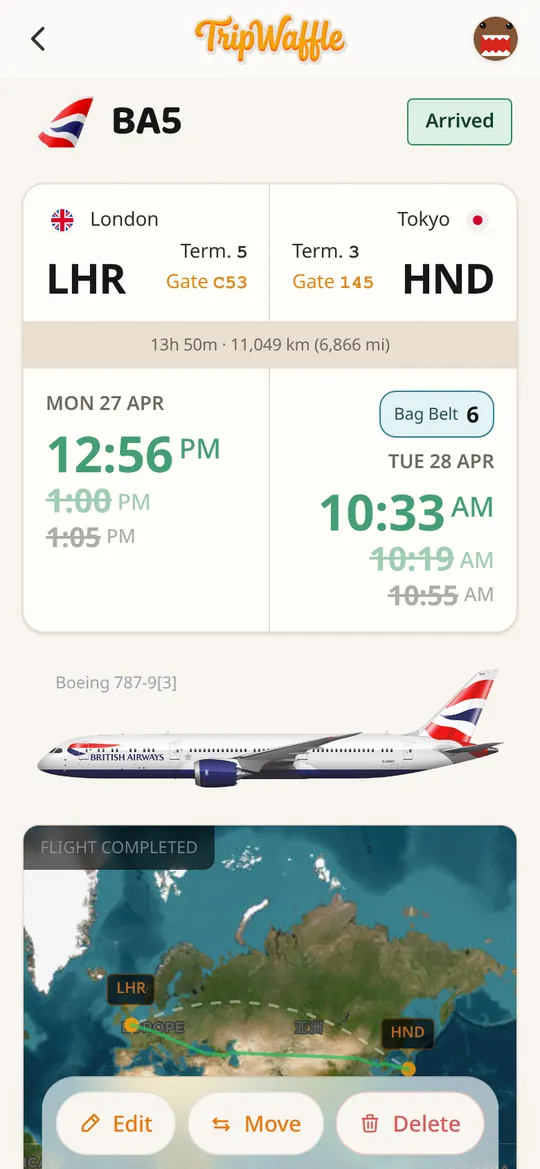
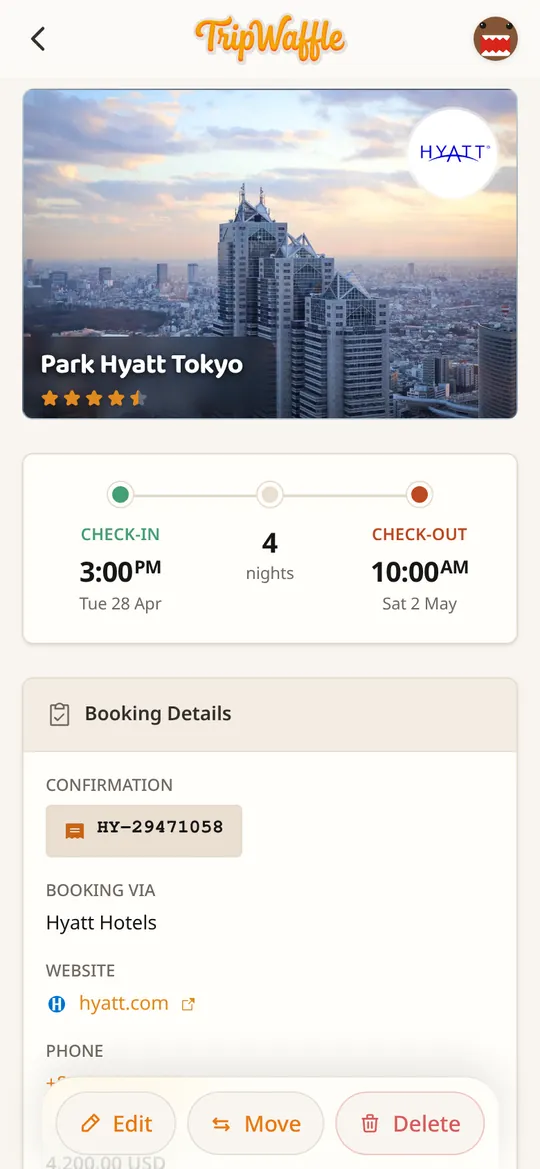
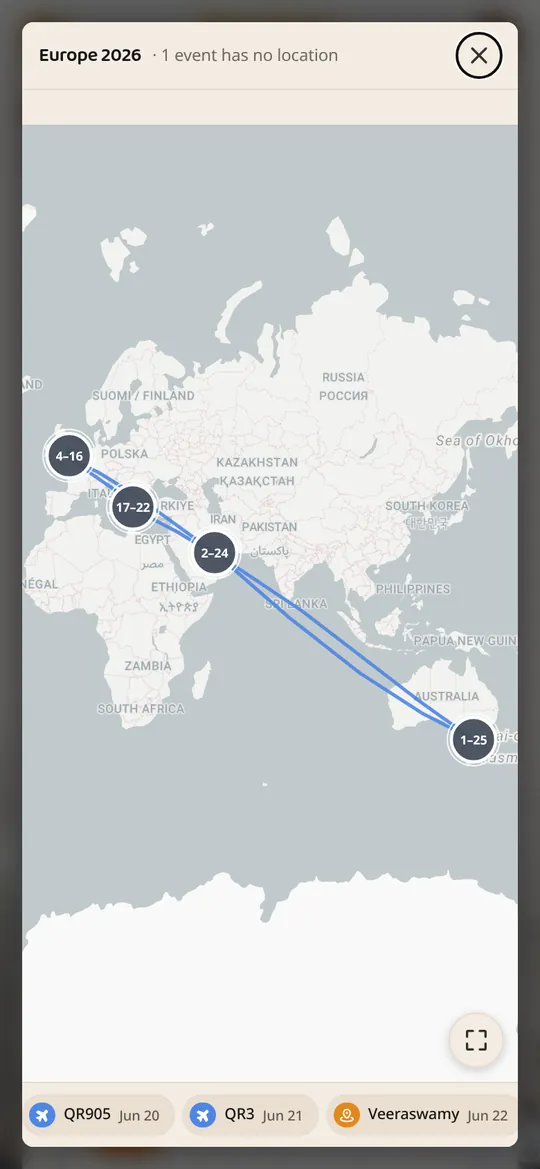
TripWaffle organizes your whole trip in one beautiful itinerary - and watches over it: government advisory alerts, the local emergency number, and entry requirements for Dubrovnik, plus live flight tracking. Just forward your confirmation emails.


100% free · 3 second signup
Last updated: May 27, 2026