
Is Cyprus Safe?
Cyprus is generally a low-crime destination, especially in major resort areas and city centers during the day. Most visitors deal with occasional petty theft, nightlife-related problems, and transport issues rather than serious violence, but extra care is sensible in busy resorts, on roads, and late at night.
Photo: Katerina Bot / Unsplash
Perception vs Reality: Cyprus is often seen as an easy, laid-back beach destination, and that is broadly true. The main real-world issues for travelers are petty theft, bar and taxi overcharging, drink-related incidents, and road safety rather than high violent crime.
Risk Scores
Scale: 1 = very low risk, 10 = very high risk
Safety Overview
Overall Safety
Cyprus is one of the safer Mediterranean destinations for visitors. Crime affecting tourists is usually opportunistic and concentrated in nightlife zones, crowded beaches, and resort strips.
Violent Crime
Violent crime against travelers is uncommon. Most incidents are linked to alcohol, late-night disputes, or isolated settings rather than targeted attacks on tourists.
Petty Crime
Pickpocketing and bag theft can happen in busy tourist areas, beaches, and nightlife districts. Risk is moderate rather than constant, but unattended phones and bags are easy targets.
Scams
Scams are usually low-level: inflated taxi fares, bar overcharging, and rental vehicle damage disputes. Street scam pressure is lower than in many big European capitals.
Night Safety
Evenings are generally fine in central tourist areas, but risk rises in club zones and after heavy drinking. Solo walks on quiet beach roads or poorly lit side streets are less ideal.
Public Transport
Buses are generally safe but limited in coverage and frequency. Taxis are common and usually straightforward, though agreeing on price or checking the meter helps avoid overcharging.
Police & Emergency
Police presence is visible in major towns and resorts, and tourist areas are used to handling visitor issues. Response quality can vary by area, and cross-border or buffer-zone issues can complicate matters.
Day vs Night
Daytime
Daytime is usually low risk in cities, resorts, and beaches, with normal precautions for bags, cars, and valuables.
Nighttime
Night risk is still moderate rather than high, but rises around bars, clubs, and quiet coastal roads. Alcohol, harassment, and transport problems become more relevant after midnight.
Seasonal: Summer brings bigger crowds, more petty theft opportunities, heavier nightlife, and greater road risk from scooters, rental cars, and drink-driving. Major holidays and festival weekends can make resort areas rowdier.
Who’s Visiting?
Most tourists have a trouble-free stay in Cyprus, especially in established resort areas. The main annoyances are theft from unattended belongings, nightlife disputes, and transport or rental-car hassles.
Common Risks
- ⚠ Pickpocketing in crowded beach and nightlife areas
- ⚠ Bar overcharging in party districts
- ⚠ Taxi fare inflation
- ⚠ Theft from rental cars
- ⚠ Road accidents involving scooters or unfamiliar driving conditions
Tips
- ✓ Keep phones and wallets secured in Ayia Napa, beaches, and busy promenades
- ✓ Use licensed taxis and confirm meter or fare before the trip
- ✓ Do not leave bags visible in parked cars
- ✓ Photograph rental vehicles at pickup and return
- ✓ Be cautious mixing nightlife, swimming, and scooter use
Cyprus is generally manageable for solo women, especially in daytime and mainstream tourist districts. The biggest concerns are unwanted attention in nightlife areas, isolated walks at night, and drink safety.
Common Risks
- ⚠ Harassment in bars or club zones
- ⚠ Drink tampering or pressure to drink heavily
- ⚠ Late-night taxi discomfort
- ⚠ Walking alone on quiet roads or seafronts after midnight
Tips
- ✓ Choose busy, well-reviewed accommodation in central areas
- ✓ Watch drinks being prepared and avoid leaving them unattended
- ✓ Prefer licensed taxis or reputable ride bookings late at night
- ✓ Avoid isolated beach paths after dark
- ✓ If going out in Ayia Napa or Limassol, plan the trip back before drinking
Cyprus is usually workable for LGBTQ+ travelers, particularly in cities and tourist resorts, though it is not as openly liberal as the most progressive European destinations. Public discretion may feel more comfortable in rural or conservative settings.
Same-sex relations are legal in the Republic of Cyprus and legal protections have improved, but social attitudes can still be mixed outside urban and tourist areas. Acceptance is typically higher in Limassol, Nicosia, and resort zones than in smaller villages.
Common Risks
- ⚠ Occasional verbal hostility or staring
- ⚠ Lower comfort with public displays of affection in conservative areas
- ⚠ Limited dedicated LGBTQ+ nightlife outside larger cities
Tips
- ✓ Urban and resort areas are generally the easiest places to stay
- ✓ Use venue reviews to identify openly welcoming bars and hotels
- ✓ Public discretion may reduce unwanted attention in rural areas
- ✓ Do not assume the same social climate across all parts of the island
Cyprus is a family-friendly destination with relatively low crime in resorts and towns. The more practical safety issues are road conditions, pool and beach supervision, and summer heat.
Common Risks
- ⚠ Child separation in crowded beaches or water parks
- ⚠ Sun and heat exposure
- ⚠ Traffic risks near busy seafront roads
- ⚠ Pool and sea safety
Tips
- ✓ Use wristbands or meetup points for children in crowded places
- ✓ Avoid midday heat and carry water
- ✓ Check beach flag warnings and sea conditions
- ✓ Use proper child seats in rental cars
- ✓ Choose accommodation with reviewed safety standards
Cyprus is generally comfortable for remote workers, with low street risk in business and residential districts. Main issues are theft from cars or cafes, transport dependence, and occasional apartment or rental disputes.
Common Risks
- ⚠ Laptop theft from unattended tables or vehicles
- ⚠ Rental deposit disputes
- ⚠ Limited late-night public transport
- ⚠ Driving risk if staying outside city centers
Tips
- ✓ Do not leave devices unattended in cafes or co-working spaces
- ✓ Use written agreements for longer stays
- ✓ Check neighborhood transport links before booking
- ✓ Back up documents and keep digital copies of ID
- ✓ Prefer central areas in Nicosia, Limassol, or Paphos if you do not want to drive
Crime & Threats
Pickpocketing
MediumModerate in crowded tourist zones, beaches, and nightlife areas, especially where bags and phones are left unattended.
Phone Snatching
LowLess common than in many big cities, but exposed phones on café tables, beaches, or open bags can be taken quickly.
Robbery
LowTourist-targeted robbery is uncommon. Risk rises late at night around clubs, alcohol-fueled disputes, or isolated spots.
Assault
LowSerious assault against visitors is not common, but arguments around bars and nightlife can escalate.
Drink Spiking
MediumNot a defining risk island-wide, but it is a credible concern in heavy-party areas such as Ayia Napa.
Taxi Scams
MediumThe usual issue is overcharging or unclear fares rather than fake taxis. Confirming the fare or meter helps.
ATM Skimming
LowNot widely reported as a major issue, but standalone or poorly monitored ATMs carry more risk than bank-attached machines.
Tourist Scams
MediumMost are low-level: bar tab inflation, excursion upselling, rental damage claims, and occasional misleading pricing.
Common Scams
Nightclub or bar overcharging
A venue adds unexpected drinks, table fees, or inflated charges, especially in party areas.
Check prices before ordering, keep receipts, and use venues with strong recent reviews.
Taxi fare inflation
Drivers quote a high fixed fare or avoid clear pricing, especially from airports or nightlife zones.
Use licensed taxis, ask about meter use, and confirm the expected fare in advance.
Rental vehicle damage dispute
A company alleges new scratches or extra damage on return and charges the deposit.
Photograph and video the vehicle thoroughly at pickup and drop-off, and keep paperwork.
Excursion or beach-service upselling
A low headline price turns into extra charges for transport, equipment, or add-ons.
Get the full price in writing before paying and book through established operators.
Area Map
Approximate locations from public sources. Conditions vary by time of day and current events.
Area Safety
Safer Areas
Well-developed tourist area with regular foot traffic, hotels, and generally predictable visitor services.
Upmarket, busy, and generally well-lit, with a calmer atmosphere than party-focused areas.
Busy commercial and administrative area with steady activity and relatively low street crime.
Be More Careful
The highest concentration of nightlife-related problems, including drunken disputes, harassment, and overcharging.
Generally fine, but petty theft and alcohol-related incidents increase late at night.
Low foot traffic, limited lighting, and slower help if something goes wrong.
Getting Around
Walking
Walking is generally fine in town centers and resort promenades during the day. After dark, avoid isolated beach paths, unlit side streets, and long walks back from nightlife districts.
Taxis & Rideshare
Taxis are usually safe, but fare clarity matters. Use licensed taxis, ask about the meter or price before departure, and be careful with late-night pickups outside clubs.
Trains & Buses
Cyprus has no train network. Buses are generally safe and useful on main routes, but limited schedules and patchy service can leave travelers relying on taxis or rental cars.
Do’s & Don’ts
Do
- Keep valuables secured on beaches and in nightlife areas
- Use licensed taxis and agree fare details before the ride
- Photograph rental cars or scooters before use
- Stay in well-reviewed central areas if arriving late
- Carry water and plan around summer heat
Don’t
- Do not leave phones, bags, or passports unattended on beaches or café chairs
- Do not walk alone on isolated coastal roads after a night out
- Do not assume all bars clearly display prices
- Do not leave luggage or electronics visible in parked cars
- Do not underestimate driving risks, especially with scooters or after drinking
How Does It Compare?
Frequently Asked Questions
Yes. Cyprus is generally safe for tourists, with most problems limited to petty theft, nightlife incidents, and occasional overcharging.
Mostly yes in busy resort and city areas, but nightlife districts like Ayia Napa carry more risk of harassment, theft, and alcohol-related trouble.
The most common issues are taxi overcharging, nightclub bill inflation, and rental vehicle damage disputes rather than aggressive street scams.
Data Notes
- Safety conditions and social norms can differ between the Republic of Cyprus and the Turkish-controlled north; this profile is weighted toward mainstream visitor experience in the Republic-controlled south.
- Crime patterns vary by season, with summer resort nightlife creating a different risk picture from the quieter off-season.
- Public transport quality and taxi practices vary by city and resort, so traveler experience is not uniform island-wide.
Traveling to Cyprus?
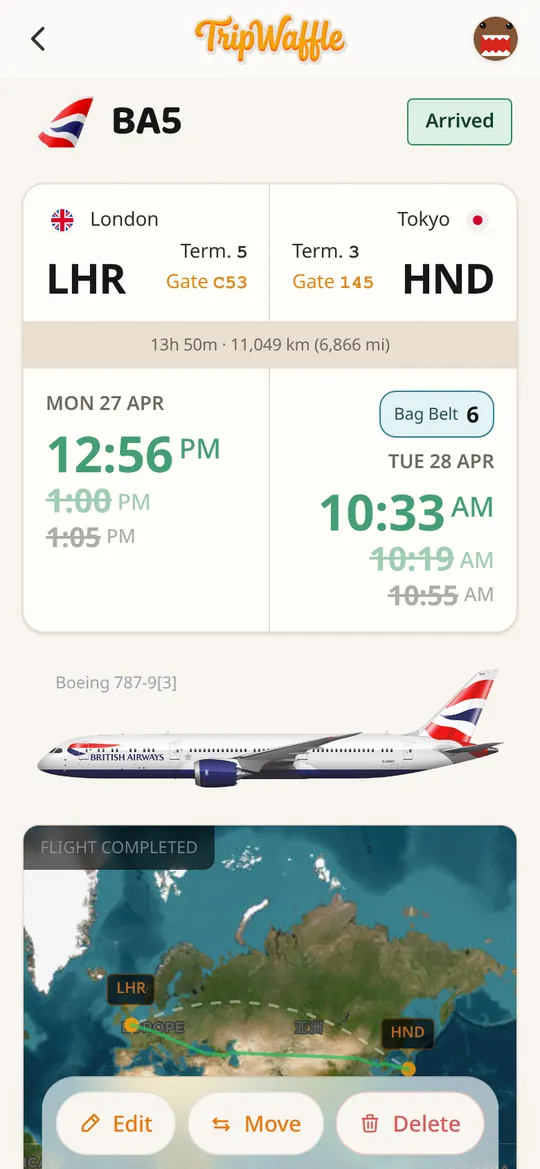
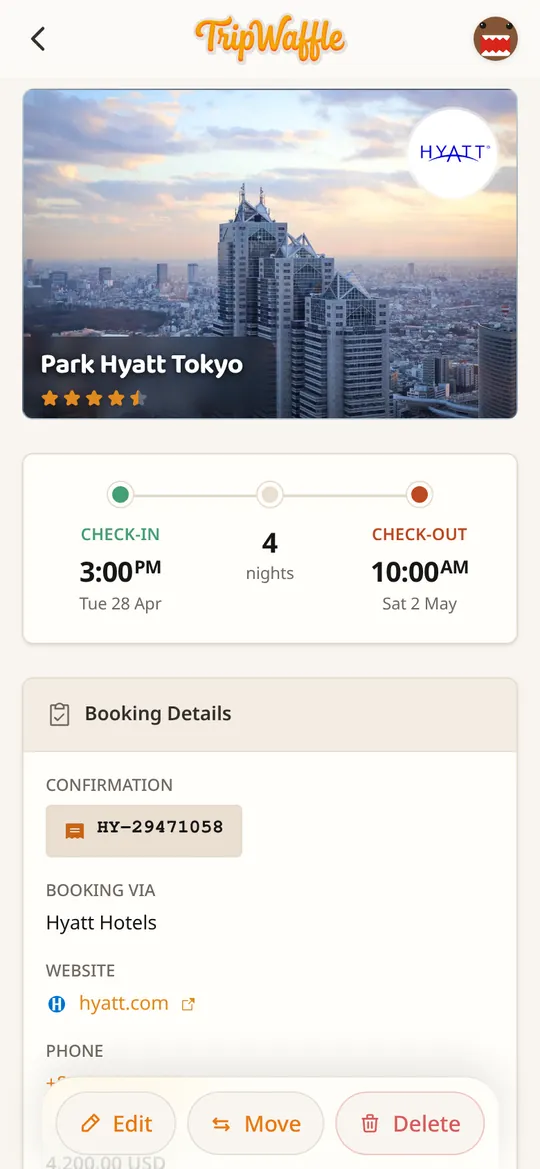
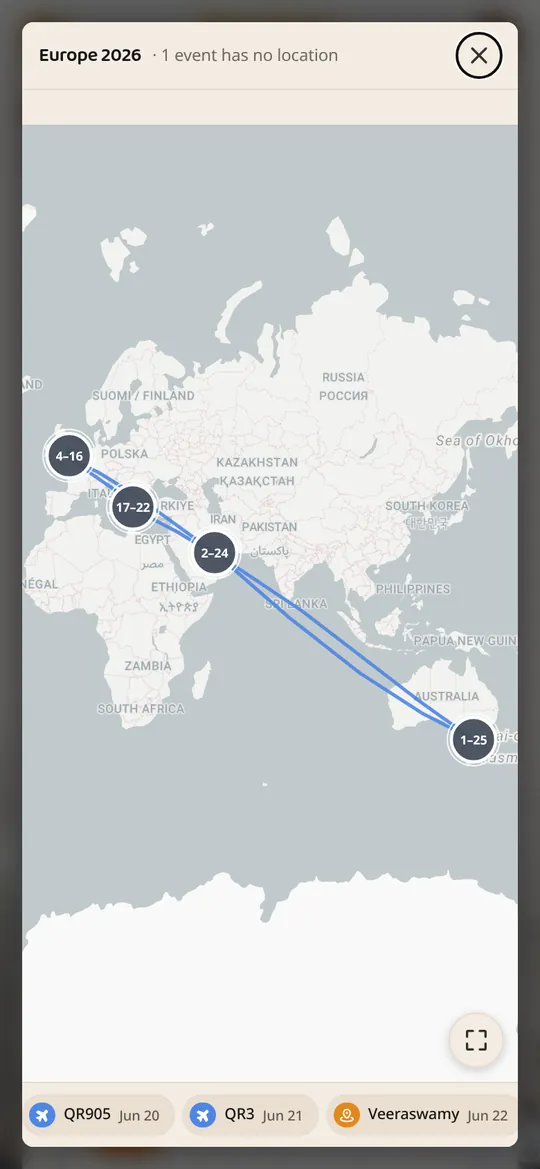
TripWaffle organizes your whole trip in one beautiful itinerary - and watches over it: government advisory alerts, the local emergency number, and entry requirements for Cyprus, plus live flight tracking. Just forward your confirmation emails.


100% free · 3 second signup
Last updated: May 27, 2026