
Is Denmark Safe?
Denmark is one of the safer countries in Europe for most travelers, with low levels of violent crime and generally reliable public services. The main issues are petty theft in busy urban areas, bike theft, and alcohol-related incidents late at night in parts of Copenhagen and other city centers.
Photo: Nick Karvounis / Unsplash
Perception vs Reality: Denmark's very safe reputation is largely accurate, but it is not risk-free: petty theft, nightlife incidents, and occasional gang-linked violence do occur, mainly in larger cities and usually do not target visitors.
Risk Scores
Scale: 1 = very low risk, 10 = very high risk
Safety Overview
Overall Safety
Denmark is a low-risk destination overall. Most visits are trouble-free, especially outside weekend nightlife zones and crowded tourist hubs.
Violent Crime
Violent crime affecting travelers is uncommon. Most serious incidents are localized, often linked to nightlife, personal disputes, or criminal networks rather than random attacks on visitors.
Petty Crime
Pickpocketing and bag theft happen most in Copenhagen, transport hubs, festivals, and crowded shopping streets. Theft from unlocked bikes or unattended items is more common than street robbery.
Scams
Classic tourist scams are limited compared with many European destinations. The more realistic issues are unlicensed taxi overcharging, online rental fraud, and distraction theft in busy areas.
Night Safety
Evenings are usually safe, but risk rises around bars, clubs, and transport hubs after midnight, especially where alcohol use is heavy. Solo walks are generally fine in busy, well-lit areas but less comfortable in quiet zones late at night.
Public Transport
Public transport is safe, clean, and widely used. The main risks are minor theft in busy stations and confusion with ticket rules, not personal safety.
Police & Emergency
Police response is generally professional, and English is widely spoken. Emergency number 112 works nationwide.
Day vs Night
Daytime
Daytime risk is low across most of Denmark. The main concerns are pickpocketing in busy urban centers and traffic or bike-lane awareness.
Nighttime
Night risk remains low by European standards, but rises in bar districts, around stations after midnight, and where large groups are drinking.
Seasonal: Summer festivals, major events, and Christmas markets bring larger crowds and more theft opportunities. Winter adds long darkness, icy pavements, and weather-related transport disruption.
Who’s Visiting?
Tourists are usually very safe in Denmark. Most problems involve petty theft, nightlife overindulgence, or losing valuables in cafés, hostels, and trains.
Common Risks
- ⚠ Pickpocketing in central Copenhagen
- ⚠ Bag or phone theft in cafés and stations
- ⚠ Taxi overcharging by unofficial drivers
- ⚠ Rental or ticket scams online
Tips
- ✓ Keep phones and wallets secured in crowded areas
- ✓ Use official taxis or trusted ride-booking options
- ✓ Do not leave bags hanging on chairs in busy cafés
- ✓ Book accommodation through established platforms
Denmark is one of the easier countries in Europe for solo women to navigate. Street harassment is generally limited, though nightlife settings still require normal caution.
Common Risks
- ⚠ Unwanted attention from intoxicated people at bars
- ⚠ Drink tampering risk in nightlife settings
- ⚠ Following or harassment around late-night transport hubs
Tips
- ✓ Watch your drink in clubs and bars
- ✓ Prefer licensed taxis after a late night out
- ✓ Choose well-lit routes near stations after midnight
- ✓ Share live location when heading home late if possible
Denmark is among the more LGBTQ-friendly countries in Europe, especially in Copenhagen and larger cities. Most travelers face low legal and social risk.
Same-sex relationships and broad LGBTQ rights are legally recognized, and social acceptance is generally high. Overt hostility is uncommon, though isolated verbal harassment can still happen, especially late at night around intoxicated crowds.
Common Risks
- ⚠ Occasional verbal harassment in nightlife areas
- ⚠ Lower comfort levels in some late-night public spaces outside major city centers
Tips
- ✓ Copenhagen is the easiest base for visible LGBTQ travel
- ✓ Late-night bar districts are the likeliest places for nuisance behavior
- ✓ Use normal discretion if a situation feels intoxicated or confrontational
Denmark is very family-friendly, with clean cities, good infrastructure, and low crime. The bigger practical issues are bikes, traffic awareness, and winter weather rather than crime.
Common Risks
- ⚠ Fast bike traffic in city centers
- ⚠ Children wandering near canals, stations, or busy roads
- ⚠ Slippery pavements in winter
Tips
- ✓ Teach children to respect marked bike lanes
- ✓ Use child ID contact details in busy city areas
- ✓ Dress for wind, rain, and cold outside summer
Denmark is a low-crime base for remote workers, especially in Copenhagen and Aarhus. The more realistic risks are bike theft, laptop theft from unattended tables, and housing scams in tight rental markets.
Common Risks
- ⚠ Laptop or bag theft in cafés if left unattended
- ⚠ Bike theft
- ⚠ Fake sublets or deposit scams online
Tips
- ✓ Do not leave electronics unattended even briefly
- ✓ Use strong locks if renting a bike
- ✓ Avoid paying housing deposits before verified viewings or contracts
- ✓ Check coworking and café closing times for late work sessions
Crime & Threats
Pickpocketing
MediumMost likely in Copenhagen's tourist core, major stations, airports, festivals, and crowded shopping streets.
Phone Snatching
LowLess common than in many large cities, but phones left on café tables or used near station exits can be taken.
Robbery
LowStreet robbery is uncommon for travelers. Risk is higher late at night around intoxicated groups or isolated urban spots.
Assault
LowAssault risk is low overall and mostly tied to nightlife, alcohol, or personal disputes rather than random attacks on visitors.
Drink Spiking
LowNot a dominant threat, but it is reported occasionally in nightlife settings, especially where heavy drinking is common.
Taxi Scams
LowUse licensed taxis or pre-booked services. Problems are usually overcharging by unofficial or opportunistic drivers rather than organized scams.
ATM Skimming
LowRare, but use ATMs attached to banks or well-lit indoor locations and check card readers if something looks unusual.
Tourist Scams
LowTourist-targeted scams are limited. Online booking fraud and distraction theft are more plausible than street cons.
Common Scams
Unofficial taxi overcharge
A driver without clear licensing or proper meter use charges an inflated fare, especially near airports, stations, or nightlife areas.
Use marked licensed taxis, ask about payment methods, and avoid random offers of rides.
Distraction theft in crowded areas
Someone creates a small disturbance or asks for help while an accomplice targets a phone, wallet, or bag.
Keep valuables zipped and in front of you, especially in central Copenhagen and on busy transport.
Fake rental or sublet listing
A scammer posts a desirable short-term rental and requests a deposit before keys or a verified viewing.
Use established platforms, verify ownership, and avoid bank transfers to unverified private listings.
Area Map
Approximate locations from public sources. Conditions vary by time of day and current events.
Area Safety
Safer Areas
Generally low crime, quieter streets, and fewer tourist-targeted theft issues.
Well-kept Copenhagen district with a calmer feel and lower nuisance levels than nightlife-heavy central zones.
Busy, walkable, and generally safe during the day and evening.
Be More Careful
Crowds, intoxicated people, and occasional theft make this one of the more common trouble spots late at night.
These areas draw pickpockets, distraction theft, and opportunistic bag theft.
Usually visited without incident, but drug activity, crowds, and changing local enforcement can make the atmosphere less predictable.
Getting Around
Walking
Walking is generally safe in cities and towns. Watch bike lanes carefully, and use better-lit main streets late at night.
Taxis & Rideshare
Licensed taxis are safe but expensive. Avoid accepting rides from informal drivers and confirm the car and driver details if pre-booked.
Trains & Buses
Trains, metro, and buses are safe and widely used. Keep bags close on intercity services and at major stations.
Do’s & Don’ts
Do
- Keep bags zipped and close in crowded stations and tourist streets
- Use official taxis or trusted booking apps
- Watch your drink in nightlife venues
- Lock bikes securely with a strong lock
- Stay aware of bike lanes when walking
Don’t
- Do not leave phones or wallets on café tables
- Do not assume quiet city centers are risk-free after heavy drinking hours
- Do not pay deposits for rentals without verification
- Do not carry valuables loosely in back pockets in crowded areas
How Does It Compare?
Frequently Asked Questions
Yes. Denmark is very safe for tourists, with low violent crime and mostly minor theft risks in busy parts of Copenhagen and major transport hubs.
Mostly yes, especially in busy central areas, but late-night bar districts and station surroundings carry more risk from theft, harassment, and intoxicated behavior.
Yes. Denmark is one of the easier European countries for solo female travel, though nightlife precautions still matter.
Data Notes
- Risk levels vary by neighborhood and time of day, especially within Copenhagen.
- Gang-related incidents occasionally affect public perception, but they are not usually directed at travelers.
- Specific hotspot patterns can shift during festivals, major events, and seasonal nightlife peaks.
Traveling to Denmark?
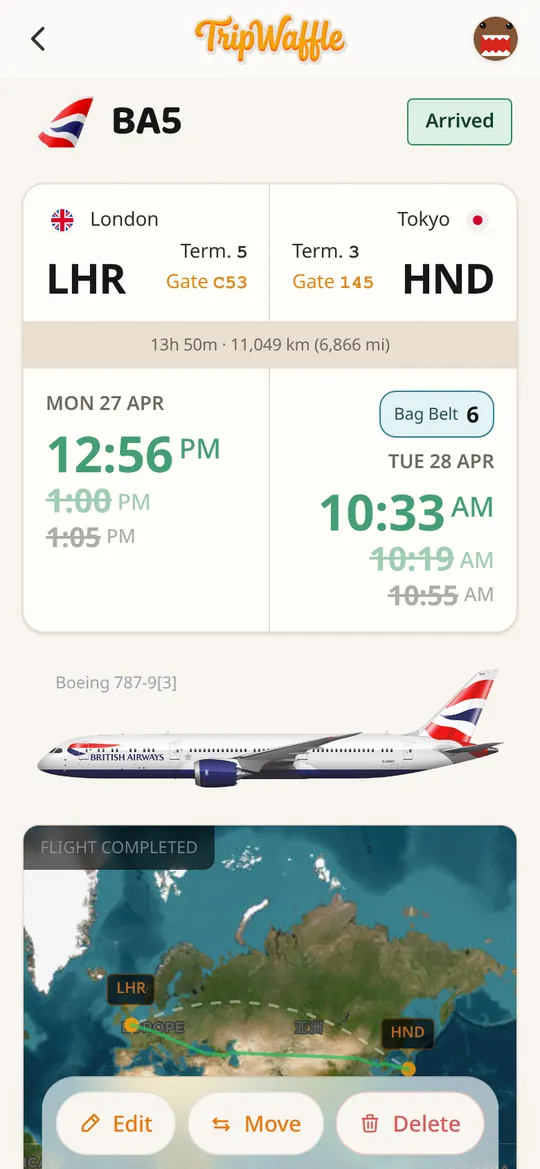
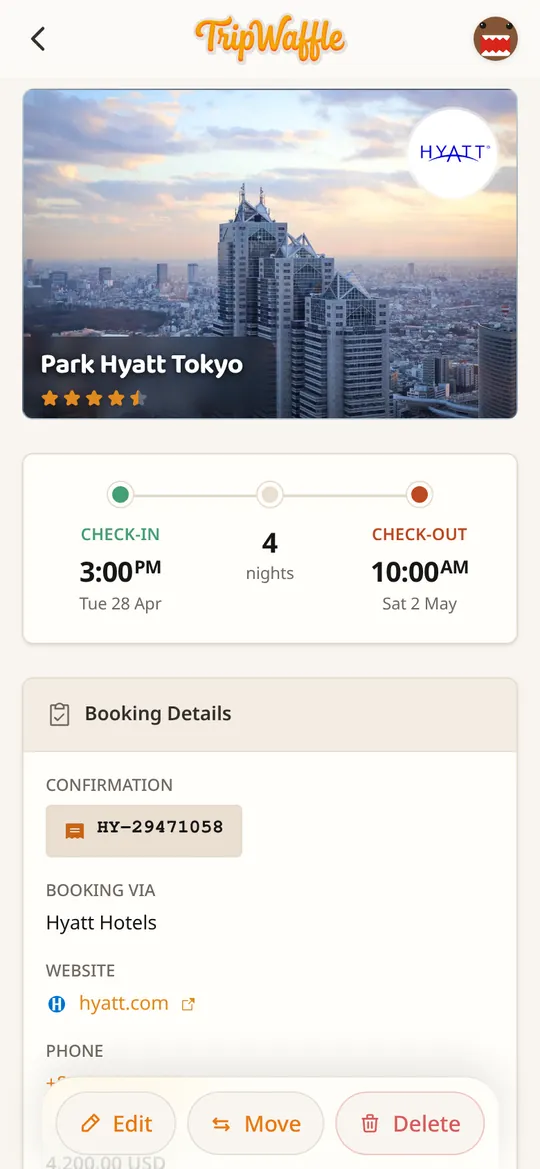
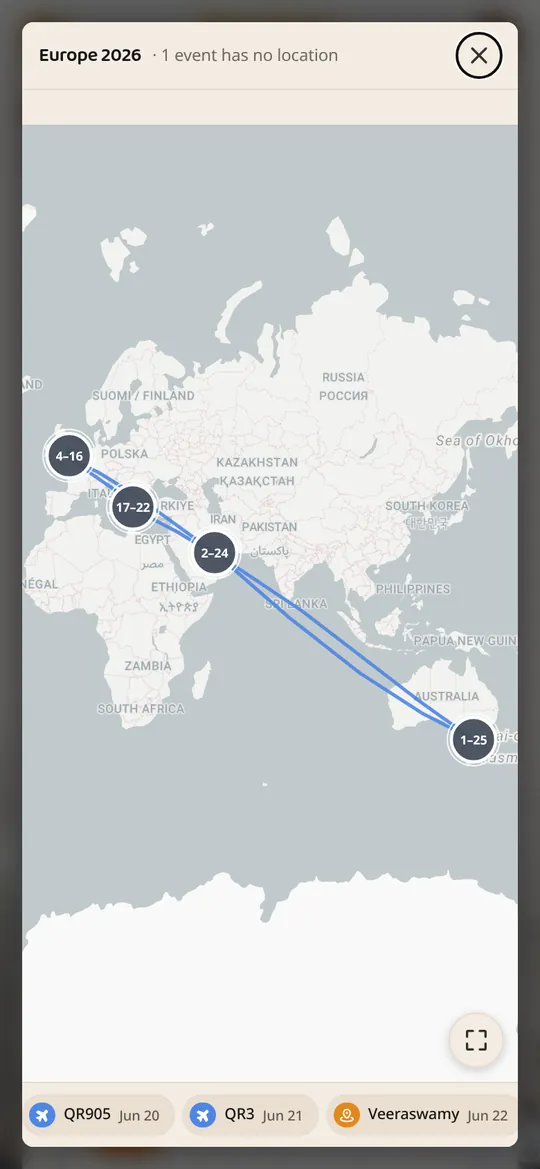
TripWaffle organizes your whole trip in one beautiful itinerary - and watches over it: government advisory alerts, the local emergency number, and entry requirements for Denmark, plus live flight tracking. Just forward your confirmation emails.


100% free · 3 second signup
Last updated: May 27, 2026