
Is Dominican Republic Safe?
The Dominican Republic is manageable for most travelers, especially in established resort areas, but crime and scams are more of a concern in cities, nightlife zones, and on the road. Most visits are trouble-free when you use vetted transport, protect valuables, and avoid wandering into unfamiliar areas after dark.
Photo: Yi Wei / Unsplash
Perception vs Reality: Many visitors only see well-secured resort zones, which can feel very safe. Outside resorts, especially in parts of Santo Domingo and Santiago, street crime, transport hassles, and nightlife-related risks are more noticeable.
Risk Scores
Scale: 1 = very low risk, 10 = very high risk
Safety Overview
Overall Safety
Resort areas are generally well-managed, but petty theft, overcharging, and occasional robbery are real concerns in urban and nightlife settings.
Violent Crime
Violent crime exists, mainly affecting locals and certain neighborhoods, but tourists are more likely to face theft or opportunistic robbery than targeted violence.
Petty Crime
Phone theft, bag snatching, and unattended-item theft are the most common issues in cities, bus terminals, beaches, and crowded nightlife areas.
Scams
Common problems include taxi overcharging, inflated beach or tour prices, card fraud, and pressure from unofficial guides or vendors.
Night Safety
Night risk rises outside resorts and upscale areas. Walking alone late, especially after drinking, is where incidents are more likely.
Public Transport
Intercity buses are usually the safer option. Informal local transport can be chaotic, with weaker safety standards and more opportunity for petty theft.
Police & Emergency
Tourist police are present in major visitor zones, but response quality can vary. Emergency help is generally easier to access in cities and resort corridors than in rural areas.
Day vs Night
Daytime
Daytime in resort zones, beach towns, and major attractions is usually straightforward with normal anti-theft habits.
Nighttime
Risk rises after dark in cities, nightlife strips, beach roads, and poorly lit streets. Use door-to-door transport rather than walking back late.
Seasonal: Holidays, festivals, and peak vacation periods bring bigger crowds, heavier drinking, and more petty theft. Hurricane season can disrupt transport and services.
Who’s Visiting?
Tourists do well in established destinations like Punta Cana, Cap Cana, and major resort areas if they use official transport and stay alert in public spaces.
Common Risks
- ⚠ Taxi overcharging
- ⚠ Phone theft in cities
- ⚠ Beach vendor pressure
- ⚠ Card fraud or ATM issues
- ⚠ Nightlife-related theft
Tips
- ✓ Book airport transfers or use hotel-arranged taxis when possible
- ✓ Keep phones and wallets out of sight in busy streets and beaches
- ✓ Use bank ATMs inside malls, banks, or hotels
- ✓ Confirm prices before tours, taxis, and water sports
- ✓ Avoid isolated beaches or city streets after dark
Solo women can travel here, especially in resort and tourist zones, but harassment, persistent attention, and nightlife risks are more common than in lower-risk destinations.
Common Risks
- ⚠ Catcalling and unwanted attention
- ⚠ Drink tampering concerns in bars
- ⚠ Taxi disputes or uncomfortable rides
- ⚠ Walking alone at night
Tips
- ✓ Choose well-reviewed accommodation in central or resort areas
- ✓ Use vetted taxis or rides arranged by hotels or apps where available
- ✓ Watch drinks closely and avoid leaving nightlife venues alone with strangers
- ✓ Dress as you like, but expect more attention outside resort areas
- ✓ Share your route or live location on nights out
Legal risk is relatively low for visitors, but social attitudes are conservative in many areas. Resort zones tend to be more discreetly tolerant than smaller towns or street nightlife scenes.
Same-sex relations are legal, but legal protections are limited and public acceptance is uneven. Public displays of affection may attract attention, comments, or discomfort, especially outside tourist areas.
Common Risks
- ⚠ Verbal harassment
- ⚠ Uncomfortable service interactions
- ⚠ Extra attention in conservative areas
- ⚠ Limited recourse for discrimination
Tips
- ✓ Research LGBTQ-friendly hotels, bars, and neighborhoods in advance
- ✓ Keep public affection low-key outside clearly touristy or cosmopolitan areas
- ✓ Use trusted transport after nightlife
- ✓ Prefer established resorts or central, well-reviewed urban stays
Families usually find the Dominican Republic straightforward in resort areas, with the main issues being road safety, water activities, and keeping track of valuables in crowded places.
Common Risks
- ⚠ Road traffic hazards
- ⚠ Unsupervised beach or pool risks
- ⚠ Petty theft at attractions
- ⚠ Food and sun-related travel disruptions
Tips
- ✓ Pick resorts or hotels with strong reviews for security and transport
- ✓ Use car seats if renting a vehicle
- ✓ Supervise children closely at beaches and pools
- ✓ Carry only what you need on day trips
Digital nomads often base themselves in Santo Domingo, Punta Cana, Sosua, Cabarete, or Las Terrenas. Main concerns are apartment security, transport after dark, and occasional infrastructure hiccups.
Common Risks
- ⚠ Laptop theft from rentals or cafes
- ⚠ Power or internet interruptions
- ⚠ Neighborhood quality varying block by block
- ⚠ Late-night transport safety
Tips
- ✓ Choose buildings with security, backup power, and strong reviews
- ✓ Avoid working with devices visible near open street-facing seating
- ✓ Test neighborhood walkability in daytime before staying long term
- ✓ Use intercity buses or pre-booked rides for longer travel
Crime & Threats
Pickpocketing
MediumCommon in busy urban areas, transport hubs, markets, and nightlife districts. Less common inside tightly controlled resorts.
Phone Snatching
MediumVisible phone use on sidewalks, from car windows, or on motorbike-heavy streets can invite snatching.
Robbery
MediumOpportunistic robbery can happen, especially at night or in low-traffic streets. Resistance can escalate incidents.
Assault
MediumAssault risk is higher around alcohol, disputes, or isolated areas at night than during normal daytime tourism.
Drink Spiking
MediumNot the most common issue, but it is a credible nightlife risk. It is more relevant in bars, clubs, and party areas.
Taxi Scams
HighOvercharging, non-meter use, and inflated airport or tourist-route fares are frequent complaints.
ATM Skimming
MediumCard cloning and suspicious ATM activity are reported. Safer choices are bank branches, malls, and hotel ATMs.
Tourist Scams
MediumUnofficial guides, inflated excursion prices, beach sales pressure, and fake booking claims are recurring issues.
Common Scams
Taxi overcharge
Drivers quote inflated flat fares, especially from airports, hotels, ports, or nightlife areas.
Use official taxi stands, hotel transport, or apps, and confirm the price before getting in.
Beach vendor pressure sale
Vendors offer photos, chairs, drinks, braiding, or souvenirs without a clear price, then demand more than expected.
Ask the full price upfront and decline firmly if you are not interested.
Unofficial tour guide or excursion
Someone offers a cheaper tour or transfer, then changes the terms, adds fees, or fails to deliver.
Book through your hotel, established operators, or well-reviewed platforms.
Card or ATM fraud
Card details are copied at compromised machines or during out-of-sight payment handling.
Use ATMs inside banks or malls and keep your card in sight during payment.
Area Map
Approximate locations from public sources. Conditions vary by time of day and current events.
Area Safety
Safer Areas
Large resort zone with private security, controlled access, and tourism-focused services.
Upscale gated area with stronger security and lower street exposure.
Popular and heavily visited by day, with more police and tourist activity than many surrounding districts.
Tourist-oriented beach town where many visitors move around comfortably in main areas, especially by day.
Be More Careful
Safety can change quickly by district, with higher risks of robbery, theft, and getting lost in unfamiliar areas.
Less tourist infrastructure and more neighborhood-level variation in safety, especially after dark.
Nightlife, alcohol, hustling, and petty crime concerns make it less comfortable than daytime visits.
Less tourist support, more operational unpredictability, and limited reason for casual travelers to be there.
Getting Around
Walking
Walking is fine in resort compounds and busy tourist areas by day. In cities, avoid displaying valuables and do not assume all neighborhoods are walkable after dark.
Taxis & Rideshare
Use hotel taxis, official airport taxis, or reputable app-based services where available. Agree the fare first if there is no meter.
Trains & Buses
There is no broad national train network for typical travelers. Major intercity bus companies are generally safer and more predictable than informal minibuses or motorcycle taxis.
Do’s & Don’ts
Do
- Use resort, hotel, or app-arranged transport when possible
- Carry a small amount of cash and keep backup cards separate
- Stay in well-reviewed areas with visible security
- Ask locals or hotel staff which streets to avoid at night
- Lock valuables in your room safe when practical
Don’t
- Do not walk alone late in unfamiliar city areas
- Do not flash phones, jewelry, or large amounts of cash
- Do not get into unmarked taxis without agreeing the fare
- Do not leave drinks or bags unattended in bars or on beaches
- Do not assume a tourist district is equally safe a few blocks away
How Does It Compare?
Safer Than
Riskier Than
This is a broad travel-safety comparison for typical visitors, not a crime ranking. Resort areas can feel much safer than big-city neighborhoods.
Frequently Asked Questions
Usually yes in established resort areas, but theft, scams, and night risks are more noticeable in cities and nightlife zones.
Some central areas stay busy, but nighttime risk is clearly higher than daytime. Use taxis for late returns and avoid unfamiliar streets.
Taxi overcharging, inflated beach prices, unofficial tour offers, and card or ATM fraud are the most common issues.
Data Notes
- Safety varies sharply by neighborhood, even within the same city.
- Tourist experience in all-inclusive resorts is often much safer than independent travel in urban areas.
- Reporting and traveler experiences vary, so exact risk levels can differ by season, local conditions, and transport choice.
Explore Areas in Dominican Republic
Traveling to Dominican Republic?
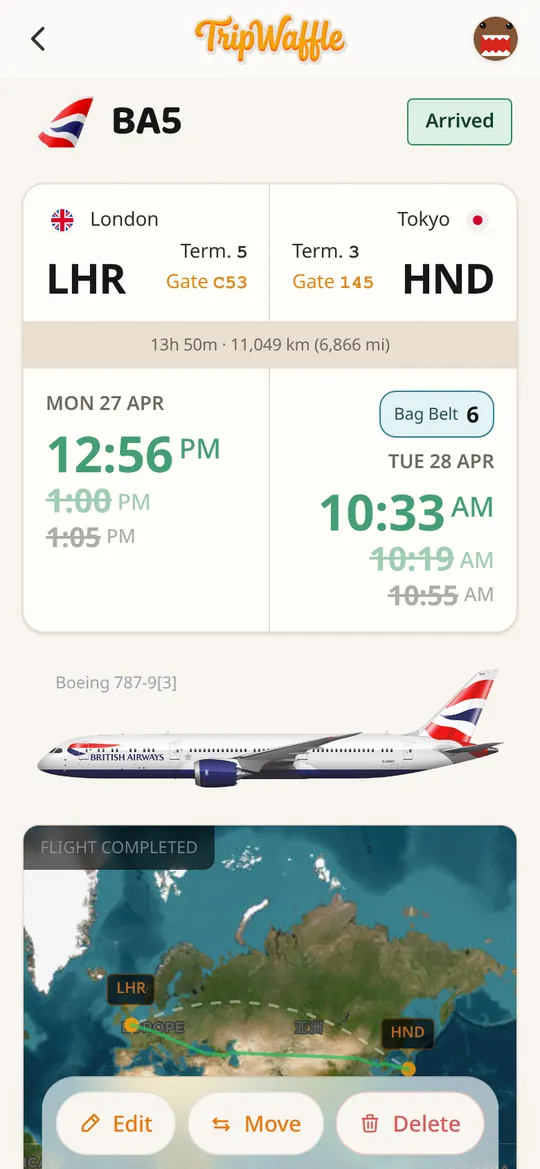
TripWaffle organizes your whole trip in one beautiful itinerary - and watches over it: government advisory alerts, the local emergency number, and entry requirements for Dominican Republic, plus live flight tracking. Just forward your confirmation emails.


100% free · 3 second signup
Last updated: May 27, 2026