
Is Ecuador Safe?
Ecuador is travelable, but safety varies sharply by city and region. Petty theft is common, and violent crime has risen in parts of the mainland, especially Guayaquil, Esmeraldas, Duran, some coastal zones, and certain border areas. Many travelers visit without major problems by sticking to well-reviewed areas, using vetted transport, and avoiding risky zones after dark.
Photo: Mauricio Muñoz / Unsplash
Perception vs Reality: Ecuador was long seen as one of South America's easier destinations, but mainland security has worsened in recent years. Tourist areas like Cuenca and the Galapagos often feel calmer than headlines suggest, while parts of Guayaquil and the coast can be significantly riskier.
Risk Scores
Scale: 1 = very low risk, 10 = very high risk
Safety Overview
Overall Safety
Risk depends heavily on where you go. Tourist circuits are manageable, but major cities and some coastal and border areas need tighter precautions.
Violent Crime
Armed robbery, extortion, and gang-related violence are real concerns in some mainland cities, especially outside core tourist zones.
Petty Crime
Pickpocketing, bag theft, and phone snatching are common in buses, markets, terminals, and crowded tourist areas.
Scams
Fake taxis, distraction theft, ATM card tricks, and overcharging can affect visitors, especially on arrival or at transport hubs.
Night Safety
Night risk rises noticeably in Quito and Guayaquil outside well-trafficked zones. Walking alone late is a weak point for many travelers.
Public Transport
City buses and intercity terminals are common theft locations. Use official taxis or ride apps where available, especially with luggage.
Police & Emergency
Emergency number 911 works nationwide, but response quality can vary by city and area. Tourist police exist in some major destinations, though English support is not always reliable.
Day vs Night
Daytime
Daytime is usually manageable in established tourist areas if you stay alert in crowds and keep valuables hidden.
Nighttime
Risk rises substantially after dark in many mainland cities. Avoid isolated streets, informal transport, and unnecessary walking late at night.
Seasonal: Festivals, holidays, and big events bring more crowd theft. Protests and roadblocks can disrupt intercity travel with little notice, and heavy rains can affect roads in mountain and coastal areas.
Who’s Visiting?
Most tourist visits are trouble-free when travelers use vetted transport, avoid displaying valuables, and choose neighborhoods carefully.
Common Risks
- ⚠ Pickpocketing in historic centers and markets
- ⚠ Phone theft in taxis, buses, and on sidewalks
- ⚠ Robbery after arriving at terminals or airports
- ⚠ Bag theft on intercity transport
Tips
- ✓ Use official or app-based taxis, not random street pickups at night
- ✓ Carry only the cash and cards you need for the day
- ✓ Keep phones out of sight near roads and bus doors
- ✓ Ask your hotel which areas to avoid after dark
Solo women can travel in Ecuador, but harassment, transport risk, and nighttime movement need more planning than in lower-risk destinations.
Common Risks
- ⚠ Catcalling and unwanted attention
- ⚠ Taxi or rideshare discomfort if not vetted
- ⚠ Theft when walking alone with phone visible
- ⚠ Higher vulnerability late at night in city centers
Tips
- ✓ Prefer door-to-door transport after dark
- ✓ Share ride details and avoid isolated viewpoints alone
- ✓ Choose central accommodation with strong recent reviews
- ✓ Be firm with unwanted attention and leave persistent situations early
Legal conditions are better than in many nearby countries, but social attitudes are mixed and vary by city.
Same-sex relations are legal, and larger cities have visible LGBTQ spaces, especially in Quito and Cuenca. Social conservatism remains common, so public displays of affection may draw attention outside urban or tourist-friendly areas.
Common Risks
- ⚠ Verbal harassment in conservative areas
- ⚠ Extra scrutiny in nightlife settings
- ⚠ Lower comfort outside larger cities
Tips
- ✓ Urban, well-reviewed venues are usually the easiest option
- ✓ Use discretion with public affection outside major cities
- ✓ Check recent local advice before nightlife plans
- ✓ Leave venues that feel hostile rather than arguing
Families generally do well on standard tourist routes, but transport choices and neighborhood selection matter.
Common Risks
- ⚠ Bag theft in crowds
- ⚠ Traffic and road safety issues
- ⚠ Stressful transit through bus terminals
- ⚠ Urban crime after dark
Tips
- ✓ Use private transfers for airport and late arrivals
- ✓ Stay in family-friendly central districts, not isolated budget areas
- ✓ Keep children close in markets and transit hubs
- ✓ Plan daytime sightseeing and return before late evening
Many nomads base themselves in Quito, Cuenca, or the Galapagos, but mainland urban security requires routine precautions.
Common Risks
- ⚠ Laptop and phone theft from cafes or coworking spaces
- ⚠ Snatch theft while using devices outdoors
- ⚠ Neighborhood risk differences block by block
- ⚠ Disruption from protests or local unrest
Tips
- ✓ Work from reputable cafes, hotels, or coworking spaces
- ✓ Do not leave devices unattended even briefly
- ✓ Choose housing in well-reviewed districts with secure entry
- ✓ Monitor local news for protests, roadblocks, and curfews
Crime & Threats
Pickpocketing
HighCommon in markets, bus stations, crowded streets, and tourist-heavy areas in Quito, Guayaquil, and other cities.
Phone Snatching
HighPhones are frequently targeted near roads, bus windows, and at traffic stops. Avoid using them openly on the street.
Robbery
HighArmed robbery is a real concern in some mainland cities, especially at night, near terminals, and in less-policed districts.
Assault
MediumAssault risk is uneven: lower in calmer tourist areas, higher where gang activity, nightlife disputes, or robberies occur.
Drink Spiking
MediumReported in nightlife settings. Do not leave drinks unattended or accept opened drinks from strangers.
Taxi Scams
MediumFake taxis and route manipulation still occur. Pre-booked, official, or app-based rides are safer.
ATM Skimming
MediumUse ATMs inside banks, malls, or supermarkets and be wary of unsolicited help.
Tourist Scams
MediumDistraction theft, overcharging, and fake assistance are the main issues rather than elaborate long-con scams.
Common Scams
Fake taxi or unsafe taxi
A driver without proper registration picks up travelers at airports, terminals, or nightlife areas and overcharges, detours, or facilitates theft.
Use official taxi lines, hotel-booked cars, or established ride apps. Confirm the plate and driver before entering.
Distraction theft
One person asks for directions, spills something, or creates a scene while an accomplice steals a phone, wallet, or bag.
Keep bags zipped and in front, step away from crowds, and do not set valuables down while distracted.
ATM help scam
A stranger offers help at an ATM, observes your PIN, or swaps cards during confusion.
Use indoor ATMs, refuse help, shield the keypad, and leave if anyone crowds you.
Overcharging in tourist transport or tours
Drivers or informal operators quote a low price then add fees or pressure travelers to pay more on arrival.
Agree on the fare in advance, use metered or app-booked rides, and book tours through reputable providers.
Area Map
Approximate locations from public sources. Conditions vary by time of day and current events.
Area Safety
Safer Areas
Often feels calmer and more manageable than larger mainland cities, with a strong expat and tourist presence.
Generally safer than mainland urban centers, though petty theft can still happen in ports and on transit days.
More residential and lower-stress than some central and southern city areas, especially for lodging and dining.
Small-town pace and lower street-crime exposure than major city hotspots.
Be More Careful
Crime risk varies sharply, but robbery and gang-linked violence are significant concerns in many districts, especially outside business and tourist zones.
Frequently associated with elevated violent crime and not a casual stop for travelers.
Security conditions can be poor, with elevated violent crime and instability.
Popular by day, but theft and robbery risk rises at night and in less busy side streets.
Remote stretches can have trafficking-related activity, weaker services, and higher security uncertainty.
Getting Around
Walking
Fine in many tourist areas by day, but avoid walking with your phone out and do not assume a central area is safe after dark.
Taxis & Rideshare
Use official taxis booked by hotel, airport counters, or reputable apps. Avoid unmarked cars and be cautious with late-night pickups.
Trains & Buses
Buses and terminals are common theft points. Keep luggage in sight, avoid displaying electronics, and consider private transfers for night arrivals.
Do’s & Don’ts
Do
- Use official or app-based transport, especially at night
- Keep phones, jewelry, and cameras discreet in cities
- Stay in well-reviewed neighborhoods with reliable security
- Carry a small amount of cash and a backup card separately
- Check local conditions before traveling to the coast or border regions
Don’t
- Do not walk alone late at night in unfamiliar urban areas
- Do not use random taxis from the street after dark
- Do not leave bags or phones visible in cars, cafes, or buses
- Do not assume all parts of Quito or Guayaquil have the same risk level
- Do not flash valuables at viewpoints, terminals, or crowded markets
How Does It Compare?
Safer Than
Riskier Than
Ecuador sits in the middle-to-riskier end of the Latin America spectrum for travelers. The gap between safer tourist enclaves and higher-risk urban areas is large.
Frequently Asked Questions
Many trips are trouble-free, but theft is common and violent crime is a real concern in some mainland cities and regions.
Some busy areas are manageable, but risk rises after dark. Avoid quiet streets, transport hubs, and unnecessary walking late.
It is usable, but buses and terminals are common theft spots. Official taxis or app rides are usually safer for arrivals and nights.
Data Notes
- Security conditions in Ecuador can change quickly due to states of emergency, gang activity, and local operations.
- Risk varies widely by neighborhood, even within the same city, so country-level guidance can overgeneralize.
- Some coastal and border areas may shift between manageable and high-risk depending on recent incidents and police presence.
Explore Areas in Ecuador
Traveling to Ecuador?
TripWaffle organizes your whole trip in one beautiful itinerary - and watches over it: government advisory alerts, the local emergency number, and entry requirements for Ecuador, plus live flight tracking. Just forward your confirmation emails.
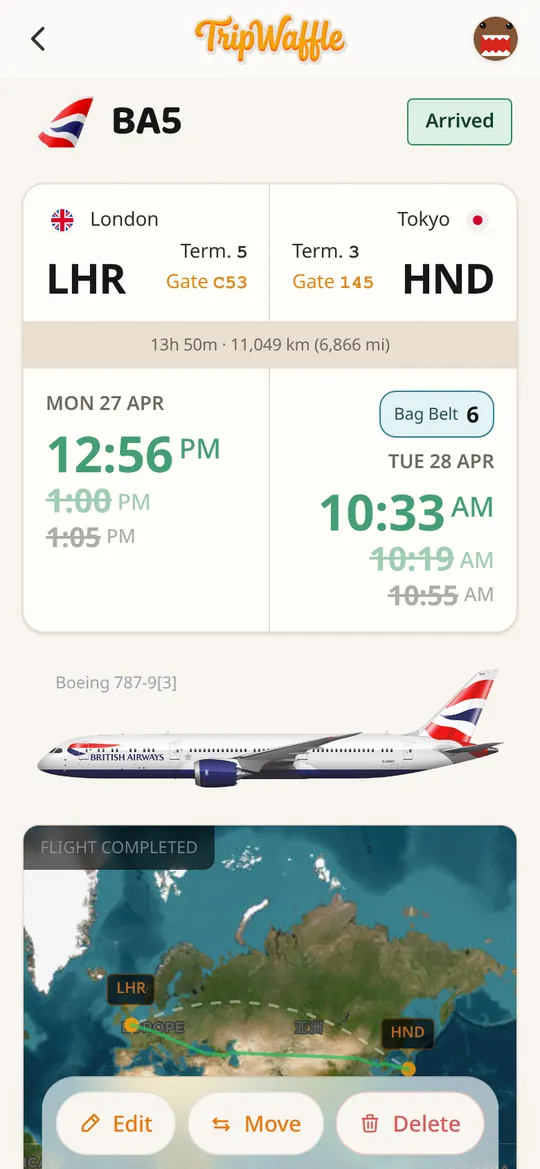
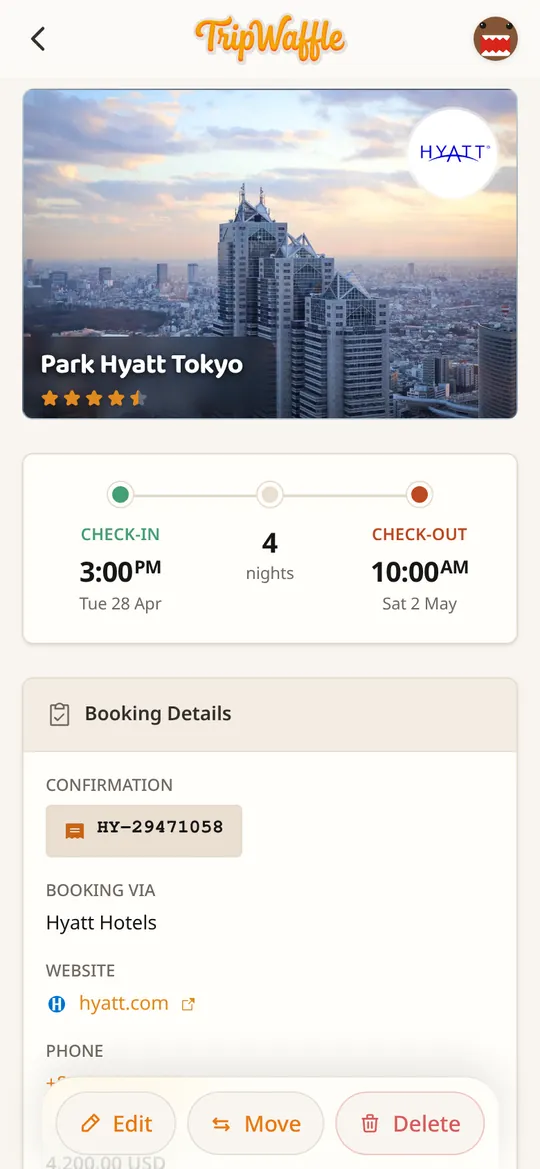
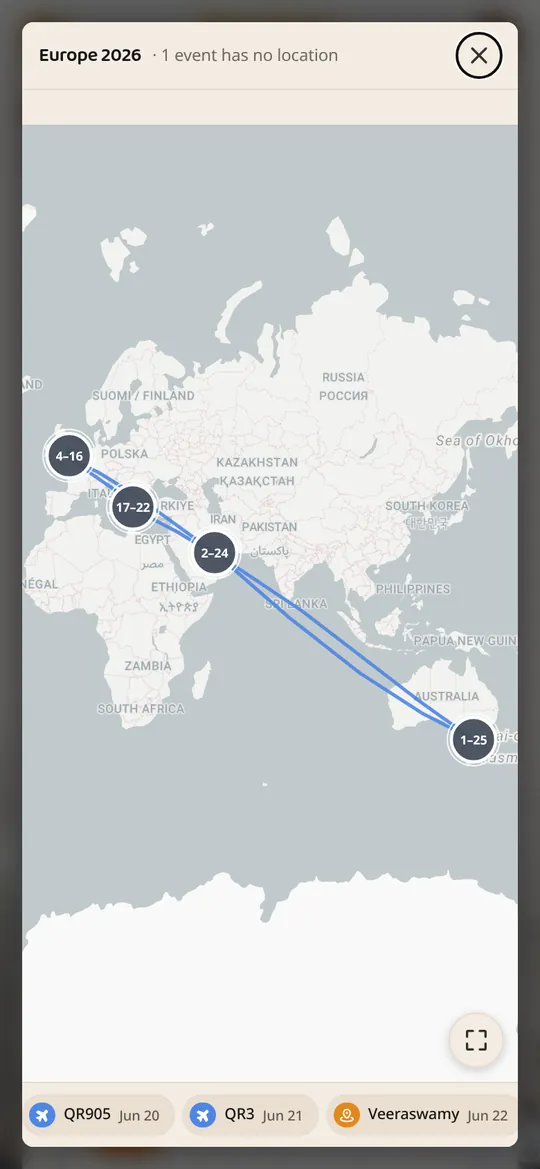


100% free · 3 second signup
Last updated: May 27, 2026