
Is Finland Safe?
Finland is one of the safer countries in Europe for travelers, with low violent crime, reliable public services, and generally orderly cities. Most issues visitors face are minor theft in busy areas, alcohol-fueled disturbances late at night, and winter weather or remote-area risks rather than crime.
Photo: Tapio Haaja / Unsplash
Perception vs Reality: Finland can feel intimidating to some visitors because cities are quiet and winters are dark, but everyday street crime is generally low. The bigger practical risks are nightlife incidents, icy conditions, and getting stranded or underprepared in remote areas.
Risk Scores
Scale: 1 = very low risk, 10 = very high risk
Safety Overview
Overall Safety
Finland is broadly very safe for visitors. Crime exists, but it is usually low-level and concentrated around nightlife, transport hubs, or crowded tourist spots.
Violent Crime
Serious violence affecting travelers is uncommon. Most assaults are linked to alcohol, personal disputes, or late-night bar areas rather than random attacks on tourists.
Petty Crime
Pickpocketing and bag theft are not major problems by European capital standards, but they do happen in central Helsinki, on public transport, and at events. Keep phones and wallets secure in crowds.
Scams
Classic tourist scams are relatively rare. The more realistic risks are taxi overcharging, online booking fraud, and occasional card payment issues in nightlife settings.
Night Safety
Finnish cities are usually calm at night, but weekend bar districts can get rowdy. Late-night risk rises around intoxicated groups, transport interchanges, and poorly lit areas in winter.
Public Transport
Public transport is generally safe, clean, and dependable. Standard precautions are enough, especially at major stations and on late-night services.
Police & Emergency
Police are generally professional and trustworthy, and English is widely spoken in major cities. Emergency services are reliable, though response can be slower in remote northern or rural areas.
Day vs Night
Daytime
Daytime risk is very low in most of Finland, including major cities. Normal awareness is enough in shopping streets, stations, and tourist areas.
Nighttime
Night remains relatively safe by European standards, but risk rises around bars, clubs, transport hubs, and intoxicated groups, especially on Friday and Saturday nights.
Seasonal: Winter adds major non-crime risks such as icy sidewalks, extreme cold, and limited daylight. Summer festivals, city events, and ferry travel can increase petty theft and intoxication-related incidents.
Who’s Visiting?
Tourists are unlikely to be targeted, and most visits are trouble-free. Main issues are petty theft in busy zones, nightlife incidents, and weather-related disruption.
Common Risks
- ⚠ Pickpocketing in central Helsinki and ferry or station areas
- ⚠ Taxi overcharging from airports, ports, or nightlife districts
- ⚠ Slips and falls on ice in winter
- ⚠ Online booking or ticket resale scams
Tips
- ✓ Use licensed taxis or reputable ride-booking apps where available
- ✓ Keep valuables zipped away in city centers and on ferries
- ✓ Dress properly for winter and expect icy sidewalks
- ✓ Book accommodation and activities through established platforms
Finland is generally very comfortable for solo women, including in cities and on public transport. The main caution points are late-night drunken behavior and isolated walking routes after dark.
Common Risks
- ⚠ Harassment from intoxicated people near bars
- ⚠ Unwanted attention on late-night transport
- ⚠ Drink tampering risk in nightlife venues, though not widespread
- ⚠ Reduced visibility and quieter streets in winter
Tips
- ✓ Choose busy, well-lit routes when leaving bars or stations late
- ✓ Watch your drink and avoid leaving it unattended
- ✓ Prefer licensed taxis after heavy nightlife hours
- ✓ Share your route if heading to unfamiliar areas late at night
Finland is one of the safer and more accepting countries in Europe for LGBTQ+ travelers. Openly LGBTQ+ visitors are unlikely to face legal issues and usually encounter low social risk, especially in cities.
Same-sex relationships are legal and social acceptance is generally high, particularly in Helsinki and other larger cities. Rural areas may be more reserved rather than openly hostile.
Common Risks
- ⚠ Occasional verbal harassment, more likely from intoxicated individuals
- ⚠ Lower anonymity and fewer LGBTQ+ spaces outside major cities
Tips
- ✓ Urban areas such as Helsinki are the easiest for nightlife and community spaces
- ✓ Late-night bar environments carry the same alcohol-related risks as for other travelers
- ✓ If visiting smaller towns, expect quieter social norms rather than major safety problems
Finland is a strong destination for families, with clean cities, safe public transport, and low street crime. Weather, darkness, and wilderness logistics matter more than crime.
Common Risks
- ⚠ Icy pavements and cold exposure in winter
- ⚠ Children getting separated in transport hubs or festivals
- ⚠ Water and outdoor hazards during summer activities
Tips
- ✓ Use reflective clothing or lights in dark winter months
- ✓ Plan for cold-weather gear rather than focusing mainly on crime prevention
- ✓ Keep meeting points clear in busy stations and event areas
- ✓ Check transport schedules carefully in rural or northern areas
Finland is generally safe and stable for remote workers, especially in Helsinki, Espoo, Tampere, and Turku. Risks are low but costs are high, and remote travel requires more planning.
Common Risks
- ⚠ Laptop theft from cafés or shared spaces if left unattended
- ⚠ Short-term rental scams online
- ⚠ Transport disruption from snow or strikes
- ⚠ Limited late-night options in smaller cities
Tips
- ✓ Do not leave devices unattended in cafés or coworking spaces
- ✓ Verify landlords and rental listings before sending deposits
- ✓ Choose accommodation near transport if staying in winter
- ✓ Have backup connectivity when working from rural or northern areas
Crime & Threats
Pickpocketing
MediumNot a major nationwide problem, but it can happen in busy parts of Helsinki, on trams, at stations, and around ferry terminals.
Phone Snatching
LowPhone snatching is less common than in many European cities, though distracted use near nightlife areas or transit hubs still creates opportunity.
Robbery
LowStreet robbery affecting travelers is uncommon. Risk is slightly higher late at night around intoxicated crowds.
Assault
LowAssaults are usually linked to alcohol and nightlife rather than random targeting of visitors. Avoid confrontations with drunk groups.
Drink Spiking
LowReports exist but it is not a dominant threat. The usual bar precautions are sensible, especially in busy weekend nightlife spots.
Taxi Scams
LowTaxi scams are not common, but overcharging can happen from airports, ports, or late-night pickup points if you choose unvetted drivers.
ATM Skimming
LowATM fraud is relatively uncommon, but shield your PIN and use machines attached to banks or well-monitored locations.
Tourist Scams
LowAggressive street scams are rare. Online rental fraud, fake resale tickets, and overpriced transport are more plausible than classic street cons.
Common Scams
Taxi overcharging
A driver quotes a vague fare or takes a longer route, especially from airports, ports, or late-night pickup spots.
Use marked licensed taxis, check fare information before departure, and use reputable booking apps where possible.
Fake rental listing
A scammer advertises a holiday apartment or short-term rental, then asks for a deposit outside a trusted platform.
Book through established sites, avoid bank transfers to strangers, and verify the address and host history.
Fake event ticket resale
Scammers sell invalid or duplicated tickets for festivals, sports, or concerts through social media or informal marketplaces.
Buy from official sellers or major resale platforms with buyer protection.
Area Map
Approximate locations from public sources. Conditions vary by time of day and current events.
Area Safety
Safer Areas
Well-kept residential and business areas with low street-crime risk and good transport links.
Generally orderly and easy to navigate, with lower tourist-targeted crime than many European city centers.
Usually calm and visitor-friendly, with typical urban precautions mainly needed around nightlife.
Be More Careful
Busy hub where petty theft, intoxicated loitering, and late-night nuisance are more likely than elsewhere.
Popular nightlife district where alcohol-related disturbances and harassment are more likely on weekend nights.
Crowds, luggage, and tourist traffic create opportunity for opportunistic theft and taxi overcharging.
Getting Around
Walking
Walking is generally safe in cities and towns. In winter, ice and darkness are often bigger hazards than crime, so footwear and visibility matter.
Taxis & Rideshare
Licensed taxis are usually safe, but fares can vary noticeably. Confirm the provider, check pricing, and avoid jumping into random cars outside stations or nightlife areas.
Trains & Buses
Trains, metro, trams, and buses are usually very safe and well used. Keep an eye on belongings on late-night services and at major interchanges.
Do’s & Don’ts
Do
- Keep wallets and phones secured in Helsinki transport hubs and tourist areas
- Use licensed taxis and check fares before long rides
- Plan for ice, cold, and early darkness in winter
- Stay in well-lit, populated areas after bars close
- Use official booking platforms for rentals and tickets
Don’t
- Do not leave bags or laptops unattended in cafés, stations, or hostel common areas
- Do not assume all taxis charge the same rate
- Do not get drawn into arguments with drunk groups late at night
- Do not underestimate remote travel distances or winter conditions
- Do not rely on sparse late-night transport in smaller towns
How Does It Compare?
Frequently Asked Questions
Yes. Finland is generally very safe, with low violent crime and limited tourist-targeted scams. Most travelers mainly need to watch for minor theft and late-night bar-related issues.
Usually yes, especially in central areas, but weekend nights around bars, the railway station, and some nightlife districts are less calm due to intoxicated crowds.
The main risks are petty theft in busy areas, occasional taxi overcharging, alcohol-related disturbances, and weather or wilderness hazards, especially in winter.
Data Notes
- Countrywide risk is low, but conditions vary slightly between central Helsinki nightlife areas and quieter towns.
- Drink-spiking risk appears limited, but reporting is inconsistent and likely undercounted.
- In northern and remote areas, environmental and transport risks can outweigh crime, which is harder to summarize with standard urban safety categories.
Traveling to Finland?
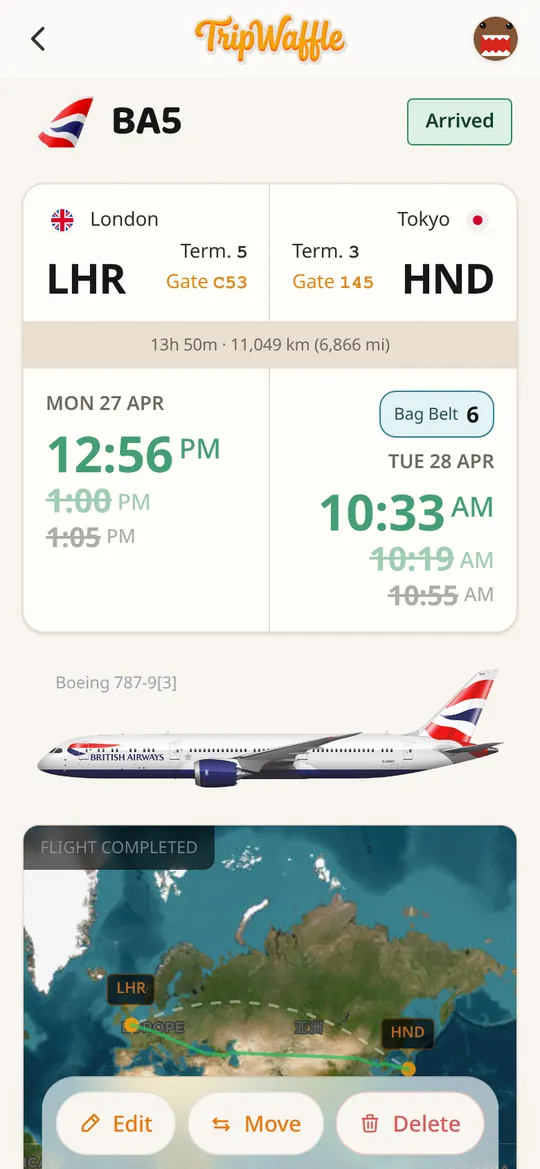
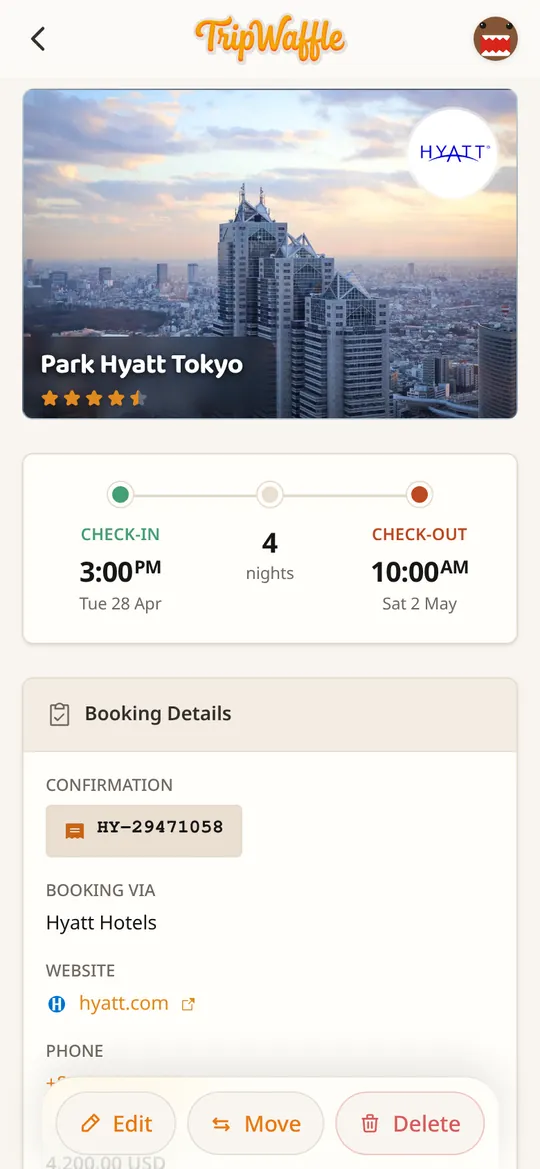
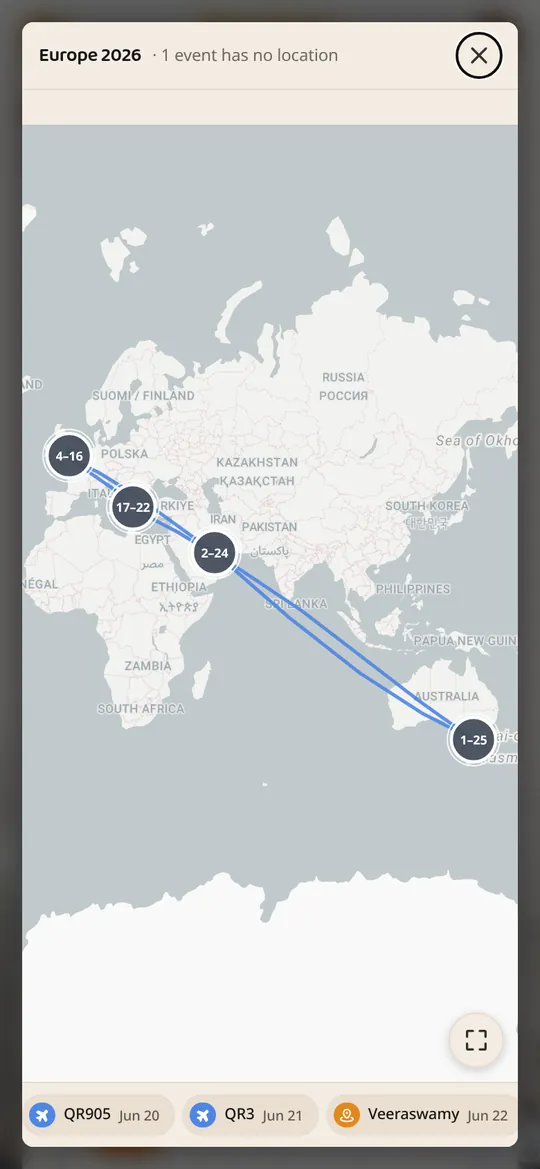
TripWaffle organizes your whole trip in one beautiful itinerary - and watches over it: government advisory alerts, the local emergency number, and entry requirements for Finland, plus live flight tracking. Just forward your confirmation emails.


100% free · 3 second signup
Last updated: May 27, 2026