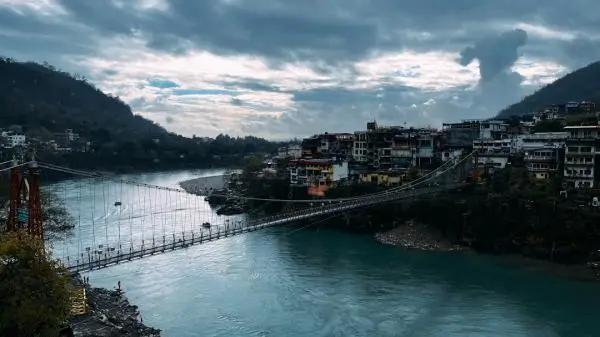
Is Rishikesh Safe?
Rishikesh is generally safer than many larger Indian cities, especially in the main yoga and pilgrimage areas during the day. Most visitor issues are petty theft, overcharging, harassment, risky traffic, and river-related accidents rather than serious violent crime.
Photo: Niloy Banerjee / Unsplash
Perception vs Reality: Rishikesh has a peaceful spiritual reputation, and that is partly true, but visitors still need to manage practical risks like traffic, isolated riverbanks at night, touts, and seasonal flood hazards.
Risk Scores
Scale: 1 = very low risk, 10 = very high risk
Safety Overview
Overall Safety
Rishikesh is usually manageable for travelers, with lower violent crime than major metros. The bigger risks are traffic, harassment, river safety, and minor scams in tourist-heavy zones.
Violent Crime
Serious violent crime against visitors is not the main concern. Problems are more likely to be opportunistic theft, verbal harassment, or disputes over services.
Petty Crime
Petty theft happens in crowded markets, transport points, and unattended guesthouses or cafes. Keep phones, bags, and shoes secure near ghats and temples.
Scams
Common issues include inflated taxi fares, pushy touts for rafting or yoga courses, and donation pressure around religious sites. Most are low-level but annoying.
Night Safety
Busy areas around Tapovan and main roads are usually fine early in the evening, but Rishikesh gets quiet fast. Isolated riverbanks, dark lanes, and walking alone late at night are less comfortable.
Public Transport
Shared autos and buses are useful but can be crowded and chaotic. Road safety is a bigger concern than crime, especially around bridge approaches and narrow roads.
Police & Emergency
Police presence exists in tourist and pilgrimage areas, but response quality can vary. Keep your hotel details, local contact numbers, and transport booking records handy.
Day vs Night
Daytime
Daytime is usually straightforward in main tourist and pilgrimage areas. Crowds, traffic, monkeys, and slippery steps near the river are bigger issues than crime.
Nighttime
Night risk rises because streets empty out, lighting can be patchy, and transport becomes less predictable. Stick to central, active roads and avoid quiet riverside or uphill walks alone.
Seasonal: Monsoon season can bring heavy rain, flooding, landslides, and stronger river currents. Major religious festivals and holiday weekends increase crowding, traffic, and room or fare scams.
Who’s Visiting?
Most tourists visit without major trouble, especially if staying in busy areas and using reputable operators.
Common Risks
- ⚠ Taxi and auto overcharging
- ⚠ Pushy rafting or yoga sales pitches
- ⚠ Petty theft in crowded areas
- ⚠ River accidents and slippery ghats
Tips
- ✓ Agree fares before starting if no meter is used
- ✓ Book rafting, treks, and classes through reviewed operators
- ✓ Do not leave valuables unattended in cafes or ashrams
- ✓ Avoid swimming in the Ganges except where clearly designated and supervised
Rishikesh is more comfortable than many Indian cities, but solo women can still face staring, unwanted conversation, and occasional harassment, especially after dark.
Common Risks
- ⚠ Verbal harassment
- ⚠ Persistent attention from men
- ⚠ Quiet roads at night
- ⚠ Boundary-pushing by informal guides or drivers
Tips
- ✓ Choose accommodation in well-reviewed, central areas like Tapovan or Muni Ki Reti
- ✓ Use known taxi contacts or app-based rides when available
- ✓ Avoid isolated ghats, forest trails, and riverside walks alone after dark
- ✓ Dress norms are more conservative than beach or party destinations
Legal risk is lower than in the past, but social attitudes are still conservative. Many travelers pass without issue if they stay low-key.
Same-sex relations are legal in India, but public attitudes in smaller religious towns remain mixed to conservative. Public displays of affection can attract attention regardless of orientation.
Common Risks
- ⚠ Staring or intrusive questions
- ⚠ Lack of openly LGBTQ-friendly venues
- ⚠ Discomfort in conservative lodging or spiritual settings
Tips
- ✓ Keep public affection minimal
- ✓ Choose internationally reviewed hotels or guesthouses
- ✓ Do not expect nightlife or community spaces geared toward LGBTQ travelers
- ✓ Leave uncomfortable accommodation quickly rather than arguing
Families usually find Rishikesh manageable, but child safety is more about roads, bridges, monkeys, and the river than street crime.
Common Risks
- ⚠ Fast traffic and scooters
- ⚠ Open river edges and strong currents
- ⚠ Crowding during aarti and holiday periods
- ⚠ Monkeys snatching food or loose items
Tips
- ✓ Hold children close on bridge approaches and roadside walks
- ✓ Avoid letting kids feed monkeys or carry visible snacks
- ✓ Use life jackets only from reputable rafting operators
- ✓ Pick hotels away from very steep or noisy roads if traveling with small children
Rishikesh is popular for yoga-focused long stays and remote work, with moderate day-to-day safety but variable infrastructure.
Common Risks
- ⚠ Laptop or phone theft in casual work settings
- ⚠ Payment disputes with rentals or classes
- ⚠ Power and internet inconsistency
- ⚠ Noise and construction near longer-stay accommodation
Tips
- ✓ Do not leave devices unattended in cafes
- ✓ Confirm Wi-Fi speed and backup power before paying for long stays
- ✓ Pay deposits through traceable methods where possible
- ✓ Store work gear discreetly and use room locks consistently
Crime & Threats
Pickpocketing
MediumMore likely in markets, transport points, and crowded temple or ghat areas than on quiet residential streets.
Phone Snatching
LowLess common than in major metros, but phones can be taken from distracted pedestrians or left unattended in cafes.
Robbery
LowStreet robbery is not a leading risk for visitors, though isolated spots at night increase vulnerability.
Assault
LowPhysical assault against tourists is uncommon, but harassment and aggressive disputes can happen, especially late at night or after drinking.
Drink Spiking
LowNightlife is limited compared with party destinations, but travelers should still watch drinks in backpacker-heavy venues.
Taxi Scams
MediumOvercharging, route inflation, and vague pricing are common with informal drivers, especially from transit points.
ATM Skimming
LowNo standout pattern, but use ATMs attached to banks and check for tampering before inserting cards.
Tourist Scams
MediumPushy sales for rafting, yoga courses, spiritual services, and donations are the most common visitor-facing scams.
Common Scams
Inflated taxi or auto fare
Drivers quote a high flat price, add luggage or late-night charges, or avoid giving a clear total until arrival.
Agree the full fare before boarding and ask your hotel what a normal price should be.
Unofficial rafting or activity booking
Street agents promise premium rafting, trekking, or yoga deals, then place travelers with lower-quality or poorly equipped operators.
Book through established operators with recent reviews and verify what is included, especially transport and safety gear.
Donation or blessing pressure
A person offers a blessing, thread, ritual help, or temple guidance, then demands a much larger donation than implied.
Decline unwanted interactions early and donate only at clear, official counters if you want to give.
Accommodation bait-and-switch
A room is shown online or by phone as quieter or higher quality than what is offered on arrival.
Read recent reviews, confirm room type in writing, and inspect the room before paying the full amount.
Area Map
Approximate locations from public sources. Conditions vary by time of day and current events.
Area Safety
Safer Areas
Busy tourist area with many cafes, guesthouses, and steady foot traffic, making it one of the easier areas for visitors to navigate.
Well-known hotel and transit area with better connectivity and more routine tourist movement.
Crowded and active during daylight, with shops, pilgrims, and visible activity reducing isolation.
Be More Careful
Poor lighting, fewer people, and limited quick help make these less comfortable, especially for solo travelers.
Congestion, scooters, touts, and chaotic pedestrian movement create stress and theft opportunities.
Overcharging, crowding, and opportunistic tout activity are more common here than in settled hotel areas.
Getting Around
Walking
Walkable in parts, but sidewalks are inconsistent and scooters often share narrow roads. Watch footing near ghats and be alert for monkeys around food.
Taxis & Rideshare
Use hotel-booked taxis, known drivers, or app-based options when available. Confirm the fare before departure if there is no meter.
Trains & Buses
Rishikesh's transport links are functional but basic. Shared autos and buses can be crowded, and long-distance connections often involve Haridwar, where crowds and confusion increase.
Do’s & Don’ts
Do
- Stay in busy, well-reviewed areas such as Tapovan or Muni Ki Reti
- Keep valuables zipped and off tables in cafes
- Pre-book activities through reputable operators
- Carry small cash for routine purchases and use bank-attached ATMs
- Plan your return before dark if visiting quieter ghats or trails
Don’t
- Do not swim casually in the river or ignore current warnings
- Do not walk isolated riverbank paths late at night alone
- Do not assume drivers will use fair pricing without discussion
- Do not feed monkeys or display food openly near them
- Do not leave shoes, bags, or phones unattended at ghats or temples
How Does It Compare?
Riskier Than
Rishikesh is usually safer than India's largest urban centers, but it is not risk-free. Traffic, harassment, and river hazards keep it from feeling as easy as quieter small-town destinations.
Frequently Asked Questions
Usually yes, especially in main areas like Tapovan and Muni Ki Reti, but petty theft, overcharging, and river safety are real concerns.
Main roads and busy hotel areas are usually fine early evening, but isolated ghats, dark lanes, and quiet riverside stretches are less comfortable late at night.
Many solo women visit successfully, but staring, unwanted attention, and quiet roads after dark mean careful accommodation and transport choices matter.
Data Notes
- Reliable neighborhood-level crime data for Rishikesh is limited, so risk can vary by exact area and season.
- Bridge closures, road works, and seasonal traffic changes can quickly alter which zones feel busiest or safest.
- Social comfort for LGBTQ travelers depends heavily on accommodation choice and how openly expressive travelers are in public.
Traveling to Rishikesh?
TripWaffle organizes your whole trip in one beautiful itinerary - and watches over it: government advisory alerts, the local emergency number, and entry requirements for Rishikesh, plus live flight tracking. Just forward your confirmation emails.


100% free · 3 second signup
Last updated: May 27, 2026