Is Jamaica Safe?
Jamaica can be enjoyable for travelers, especially in established resort areas, but it has a higher violent crime risk than many Caribbean destinations. Most visitors avoid serious trouble by staying in well-managed tourist zones, using vetted transport, and being more selective about where they go after dark.
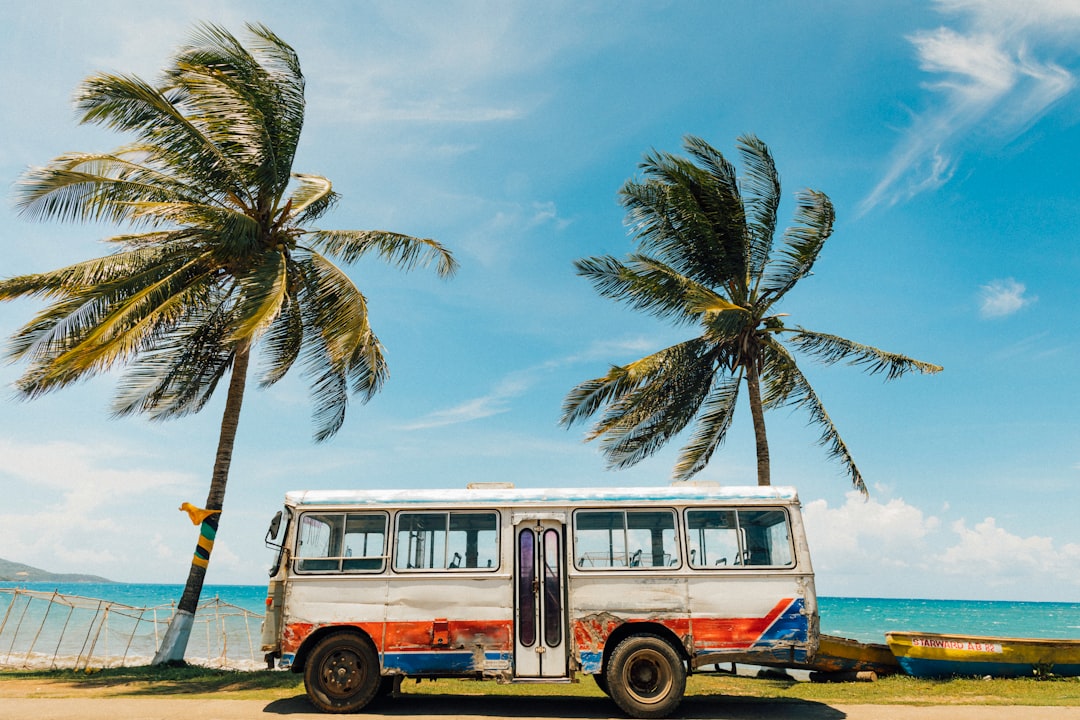
Photo: Rock Staar / Unsplash
Perception vs Reality: Jamaica's reputation for violence is not entirely outdated, but the risk is uneven. Serious violence is concentrated in certain communities, while many resort areas feel relatively controlled and tourist-focused.
Risk Scores
Scale: 1 = very low risk, 10 = very high risk
Safety Overview
Overall Safety
Tourist trips are usually trouble-free in resort zones, but Jamaica has a meaningful violent crime problem outside those bubbles. The biggest safety gains come from choosing location carefully and limiting nighttime movement.
Violent Crime
Violent crime is a real concern in parts of Kingston, Spanish Town, and some inner-city areas of Montego Bay and other towns. Tourists are less often targeted than locals, but being in the wrong area at the wrong time can sharply raise risk.
Petty Crime
Bag theft, opportunistic grabbing, and hotel-area theft happen, especially around beaches, nightlife, and transport points. Keep valuables out of sight and do not leave phones or bags unattended.
Scams
Overpriced taxis, informal tour hustles, fake helpers, and inflated beach or attraction fees are common nuisance issues. Confirm prices before service and use hotel-recommended operators where possible.
Night Safety
Night brings a noticeable jump in risk, especially outside resorts and away from busy tourist strips. Avoid isolated roads, beaches, and unfamiliar neighborhoods after dark.
Public Transport
Route taxis and minibuses are widely used by locals but are not the best option for most visitors due to safety, crowding, and inconsistent standards. Pre-booked transfers, hotel taxis, and known app-based options are usually better.
Police & Emergency
Police presence is visible in some tourist areas, but response quality can vary. For visitors, hotel security and trusted local contacts are often the fastest practical source of help.
Day vs Night
Daytime
Daytime is usually manageable in resort areas, organized attractions, and main commercial districts. Independent exploring is best kept to well-known places with a clear transport plan.
Nighttime
Night raises risk substantially, particularly for walking, informal nightlife hopping, and road travel outside resort corridors. Use direct transport and avoid isolated beaches or side streets.
Seasonal: Carnival events, major parties, and peak holiday periods can mean heavier crowds, more petty theft, drunk driving, and harder-to-book transport. Hurricane season can also disrupt travel and local services.
Who’s Visiting?
Most tourists stick to resort belts and major attractions, where risk is lower but not absent. Problems are more likely during independent nightlife, informal transport use, and trips into unfamiliar urban areas.
Common Risks
- ⚠ Overpriced or unofficial taxis
- ⚠ Petty theft at beaches and bars
- ⚠ Pushy vendors and informal guides
- ⚠ Driving into high-risk neighborhoods by mistake
- ⚠ Theft from unattended rental cars
Tips
- ✓ Use hotel-arranged or clearly licensed transport.
- ✓ Ask locals or staff which areas to avoid before exploring.
- ✓ Carry only the cash and cards you need for the day.
- ✓ Do not leave phones, bags, or passports visible in cars or on the beach.
- ✓ Book tours through established operators, not street sellers.
Solo women can travel in Jamaica, especially in resort areas, but harassment and unwanted attention are common enough to factor into planning. Risk increases with solo nightlife, isolated beaches, and accepting rides or invitations from strangers.
Common Risks
- ⚠ Street harassment
- ⚠ Persistent flirting or pressure to socialize
- ⚠ Drink tampering concerns in nightlife settings
- ⚠ Walking alone after dark
- ⚠ Being singled out by unofficial guides or vendors
Tips
- ✓ Prefer organized transport over spontaneous lifts or unmarked taxis.
- ✓ Be firm with unwanted attention and keep interactions brief.
- ✓ Watch drinks being made and do not leave them unattended.
- ✓ Choose accommodation with strong reviews for security.
- ✓ If going out at night, use round-trip transport and avoid walking back alone.
LGBTQ travelers can visit Jamaica, but social attitudes are more conservative than in many tourist destinations and discretion is often wise outside international resorts. Risk is driven more by social hostility and legal context than by targeted tourist scams.
Jamaica has laws criminalizing certain same-sex sexual activity between men, and social stigma can be significant. Enforcement against tourists is not common, but public displays of affection may attract unwanted attention, especially outside resort environments.
Common Risks
- ⚠ Hostile comments or discrimination
- ⚠ Greater discomfort in rural or conservative areas
- ⚠ Lower acceptance outside upscale tourist settings
- ⚠ Harassment linked to public displays of affection
Tips
- ✓ Research LGBTQ-friendly hotels and venues before arrival.
- ✓ Use more discretion outside resorts and major tourist areas.
- ✓ Avoid confrontations if someone reacts negatively.
- ✓ Choose private transport at night rather than lingering in unfamiliar nightlife areas.
- ✓ If traveling as a couple, assess the setting before showing affection in public.
Families staying in established resorts usually find Jamaica manageable and enjoyable. The main concerns are transport choices, beach supervision, and avoiding unnecessary exposure to higher-risk urban areas.
Common Risks
- ⚠ Road safety during transfers
- ⚠ Petty theft at beaches or pools
- ⚠ Aggressive sales approaches in tourist zones
- ⚠ Heat, dehydration, and water-related incidents
Tips
- ✓ Choose resorts or hotels with strong security and family-oriented reviews.
- ✓ Use child seats or private transfers when possible.
- ✓ Keep valuables locked up rather than bringing them to the beach.
- ✓ Supervise children closely near water and on excursions.
- ✓ Plan day trips with reputable operators.
Digital nomads can base themselves in Jamaica, but security varies sharply by neighborhood. Practical risk is usually higher around housing choice, transport, and device theft than around co-working itself.
Common Risks
- ⚠ Laptop and phone theft
- ⚠ Choosing accommodation in a weak-security area
- ⚠ Unreliable route taxi standards
- ⚠ Working openly with expensive gear in casual public spaces
Tips
- ✓ Pick accommodation in well-reviewed, secure neighborhoods or resort-adjacent areas.
- ✓ Ask hosts directly about backup power, locks, and local transport options.
- ✓ Avoid displaying laptops and multiple devices in street-facing cafes.
- ✓ Use rideshare or trusted taxis for late returns.
- ✓ Separate work gear from passports and backup important files.
Crime & Threats
Pickpocketing
MediumMost common in crowded tourist areas, transport points, and nightlife spots rather than everywhere. Loose bags and phones on tables are easy targets.
Phone Snatching
MediumSnatch theft can happen near busy roads, beaches, and nightlife areas. Avoid using phones near the street edge or while distracted.
Robbery
MediumRobbery risk rises in isolated places, on quiet roads, and in high-crime urban neighborhoods. Avoid wandering outside tourist corridors without local guidance.
Assault
MediumAssault risk is not uniform, but it is higher than in many Caribbean islands, especially after dark and in areas with known gang activity.
Drink Spiking
MediumNot the defining risk in Jamaica, but nightlife precautions are sensible. Watch drinks closely and avoid accepting open drinks from strangers.
Taxi Scams
MediumUnlicensed taxis may overcharge, change prices mid-trip, or take indirect routes. Agree the fare first or use a hotel-vetted driver.
ATM Skimming
LowNot the main threat, but use ATMs inside banks, supermarkets, or hotels and shield your PIN.
Tourist Scams
MediumCommon issues include fake guides, inflated excursion prices, and pressure to buy beach services or crafts. A polite no and price confirmation solve most of it.
Common Scams
Unofficial taxi overcharge
A driver quotes a low or vague fare, then demands much more on arrival or adds surprise fees.
Use licensed or hotel-arranged taxis and agree the fare before getting in.
Fake guide or beach helper
Someone starts offering directions, protection, or local help, then demands payment later.
Decline politely and use staff, official guides, or pre-booked tours.
Inflated excursion sales
Street sellers promote tours or entry deals that are overpriced, vague, or not fully legitimate.
Book through established operators and compare prices with your hotel or official websites.
Bar and club padding
Extra drinks or service charges appear on the bill after a night out.
Check prices in advance, watch each order, and review the bill before paying.
Area Safety
Safer Areas
Large resorts in areas such as Negril, Ocho Rios, and parts of Montego Bay usually have visible security, controlled access, and tourist-focused transport.
This business and hotel district is generally more orderly than many other parts of the capital, especially by day.
Generally calmer and less hectic than the busiest resort centers, though transport planning still matters.
Be More Careful
Some neighborhoods have elevated gang-related violence and are not suitable for casual sightseeing.
Has a longstanding reputation for serious crime and is not a common stop for visitors.
Crime risk is higher inland and outside the main visitor corridors, especially at night.
Getting Around
Walking
Walking is fine inside many resorts and in some busy tourist strips by day, but long casual walks are not ideal in unfamiliar towns. Avoid walking alone at night outside clearly active areas.
Taxis & Rideshare
Use licensed taxis, hotel cars, or known app-based options where available. Confirm the fare before departure if there is no meter.
Trains & Buses
Most visitors do not use local route taxis or minibuses because standards vary and petty crime risk is higher. Intercity coach services are better than informal local transport, but private transfers are the simplest option.
Do’s & Don’ts
Do
- Stay in well-reviewed accommodation with visible security.
- Use trusted drivers for airport transfers and night travel.
- Ask locals you trust which areas are fine and which are not.
- Keep cash, phones, and jewelry low-key.
- Plan beach, nightlife, and day-trip transport before you go out.
Don’t
- Do not wander into unfamiliar urban neighborhoods for curiosity.
- Do not use unmarked taxis or accept rides from strangers.
- Do not leave valuables in parked cars or unattended on the beach.
- Do not assume resort-level safety applies everywhere on the island.
- Do not walk alone on quiet roads or beaches after dark.
How Does It Compare?
Safer Than
Riskier Than
This is a broad travel-safety comparison, not a crime ranking. Risk varies heavily by neighborhood and travel style.
Frequently Asked Questions
Usually yes in established resort areas, but crime risk rises outside tourist zones and after dark.
Parts of Kingston, Spanish Town, and some inner-city areas outside resort corridors are higher risk.
Night is the riskier time, especially for walking, informal taxis, and unfamiliar neighborhoods.
Data Notes
- Crime risk in Jamaica varies sharply by neighborhood, even within the same city, so country-level guidance can overgeneralize.
- App-based ride availability and reliability can change by town and over time.
- Legal enforcement affecting LGBTQ travelers is inconsistent; social reactions are often the more relevant risk.
Explore Areas in Jamaica
Traveling to Jamaica?
TripWaffle organizes your entire trip — flights, hotels, trains, events — in one beautiful itinerary. Just forward your confirmation emails.


100% free · 3 second signup
Last updated: March 21, 2026