Is Akihabara Safe?
Akihabara is generally a low-risk part of Tokyo for most travelers, especially during the day and early evening. The main issues are crowded sidewalks, minor theft, aggressive venue solicitation, and occasional overcharging at some nightlife-oriented or themed venues rather than serious street crime.
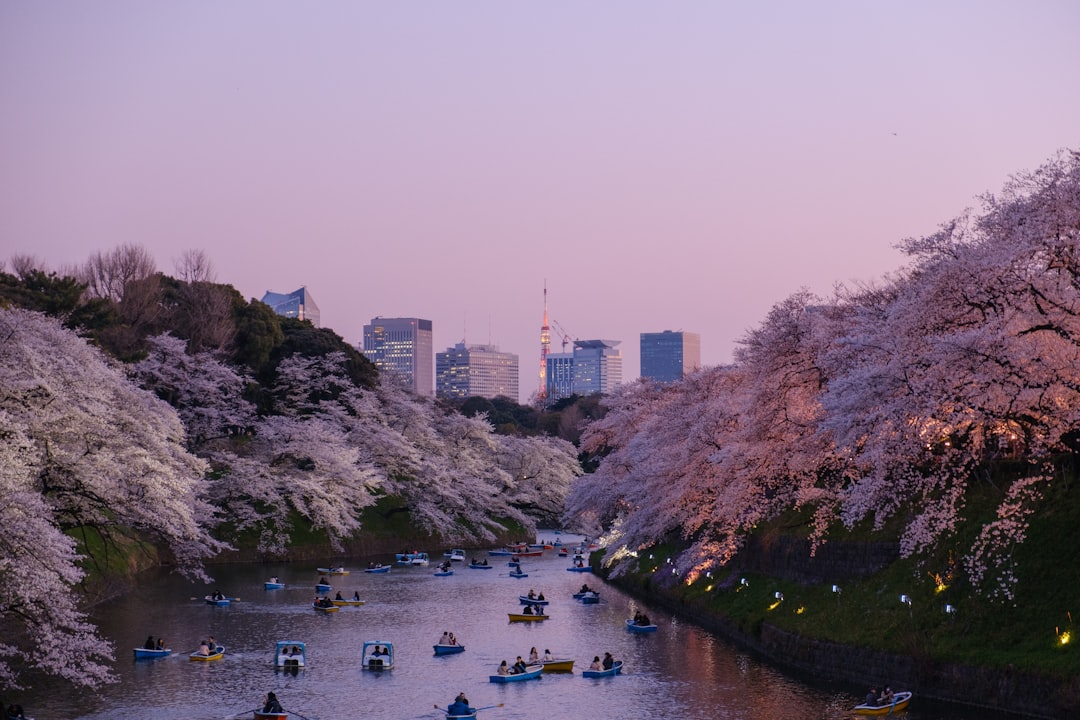
Photo: Yu Kato / Unsplash
Perception vs Reality: Akihabara can look chaotic because of crowds, bright nightlife, and heavy tourist traffic, but serious violent crime is uncommon. The bigger real-world risks are touts, inflated bills, and losing track of belongings in busy areas.
Risk Scores
Scale: 1 = very low risk, 10 = very high risk
Safety Overview
Overall Safety
Akihabara is one of Tokyo's safer visitor districts. Most travelers face more nuisance than danger: crowds, pushy flyers, and occasional venue overcharging.
Violent Crime
Violent street crime is rare. Most incidents affecting visitors are non-violent and linked to nightlife or disputes over bills.
Petty Crime
Pickpocketing is not a major problem by global tourist-area standards, but crowded station exits, arcades, and shopping streets can still lead to lost wallets or unattended bags going missing.
Scams
The main scam pattern is being drawn into bars or themed venues with unclear pricing, then facing inflated charges. Ignore persistent touts and check menu prices before entering.
Night Safety
Akihabara stays fairly well lit, but it gets quieter and less family-friendly late at night. Side streets and solicitation-heavy areas deserve more care after the last train rush.
Public Transport
JR and Tokyo Metro access is very safe and efficient. The main annoyance is crowding, especially around Akihabara Station during peak commuter hours and weekends.
Police & Emergency
Police presence is visible around the station, and nearby koban police boxes are the easiest point of contact for minor incidents or directions.
Day vs Night
Daytime
Daytime is very safe for most visitors, with crowds and navigation being bigger issues than crime.
Nighttime
Night is still relatively safe by international standards, but risk rises modestly due to touts, alcohol, fewer families around, and quieter side streets.
Seasonal: Weekends, holidays, anime/game releases, and major shopping periods bring denser crowds, longer queues, and more chance of losing belongings or getting separated.
Who’s Visiting?
Tourists usually find Akihabara easy and safe to navigate. The main risks are tourist-targeted overcharging, crowded walkways, and buying overpriced electronics or collectibles without checking condition or return rules.
Common Risks
- ⚠ Venue overcharging
- ⚠ Crowd-related loss of belongings
- ⚠ Inflated prices for collectibles or used electronics
- ⚠ Persistent flyers or touts
Tips
- ✓ Use official shops and check tax-free, warranty, and return terms before paying
- ✓ Keep your phone and wallet secure in crowded arcades and station areas
- ✓ Be wary of anyone steering you to a specific bar, cafe, or shop
- ✓ Take a photo of receipts for expensive purchases
Solo women generally report Akihabara as manageable and safer than many nightlife districts, especially by day. Late at night, the main issues are unwanted attention from touts, drunk patrons, and isolated side streets rather than targeted violent crime.
Common Risks
- ⚠ Unwanted solicitation
- ⚠ Drunk or overly friendly strangers late at night
- ⚠ Venue pressure to enter bars or cafes
- ⚠ Crowded public spaces
Tips
- ✓ Prefer main roads and station routes after dark
- ✓ Do not follow touts to upstairs or basement venues
- ✓ If meeting someone, choose a busy cafe or station landmark
- ✓ Leave any venue immediately if pricing is unclear or staff become pushy
Akihabara is usually low risk for LGBTQ+ travelers in terms of street safety. It is not especially known as an LGBTQ+ district, so the environment is more neutral than explicitly welcoming.
Same-sex activity is legal in Japan. Social attitudes are generally reserved rather than confrontational; open hostility is uncommon, but public displays of affection can attract attention mainly because of local norms, not because Akihabara is especially dangerous.
Common Risks
- ⚠ Occasional staring or awkward social reactions
- ⚠ Limited explicitly LGBTQ+-oriented venues nearby
- ⚠ General nightlife scams that affect all visitors
Tips
- ✓ Use standard nightlife precautions regardless of orientation
- ✓ For LGBTQ+ nightlife, research other Tokyo areas rather than relying on Akihabara
- ✓ Do not assume small bars are inclusive unless clearly indicated
- ✓ Keep plans and transport options clear if staying out late
Families usually find Akihabara safe in daylight, with the biggest issues being crowds, traffic crossings, and some adult-oriented shops mixed into the district.
Common Risks
- ⚠ Children getting separated in crowds
- ⚠ Exposure to adult-themed storefronts or advertising
- ⚠ Busy roads and station congestion
- ⚠ Noise and overstimulation
Tips
- ✓ Set a meeting point near the station in case someone gets separated
- ✓ Stick to main shopping streets and large department or electronics stores
- ✓ Use elevators and marked crossings rather than weaving through traffic
- ✓ Check floor directories before entering multi-tenant buildings
Akihabara is convenient and generally safe for short work sessions, electronics shopping, and transit connections. Risks are mostly device theft through carelessness, poor-value electronics purchases, and weak late-night judgment after drinking.
Common Risks
- ⚠ Leaving devices unattended in cafes
- ⚠ Buying used electronics without testing
- ⚠ Crowded train commutes
- ⚠ Late-night overcharging at bars
Tips
- ✓ Test used gear fully before purchase and keep receipts
- ✓ Avoid leaving laptops or phones on tables when ordering
- ✓ Back up data before using repair or second-hand services
- ✓ Plan your last train or budget for a legitimate taxi
Crime & Threats
Pickpocketing
LowLow by big-city tourist standards, but not impossible in packed station areas, arcades, and weekend crowds.
Phone Snatching
LowStreet phone snatching is uncommon. Most losses happen when phones are dropped, left behind, or set down in cafes or game centers.
Robbery
LowMugging is rare in Akihabara. Risk rises slightly late at night on quieter side streets or after heavy drinking.
Assault
LowAssault against visitors is uncommon. Most trouble comes from intoxicated behavior or disputes in nightlife venues.
Drink Spiking
LowNot a headline risk in Akihabara, but any late-night venue with unclear pricing or pressure tactics should be avoided.
Taxi Scams
LowTaxi scams are rare compared with many cities. Use licensed taxis or well-known apps and confirm the destination before departure.
ATM Skimming
LowATM skimming is not a common visitor complaint, especially at bank, convenience store, and station ATMs.
Tourist Scams
MediumThe most relevant threat is being lured into themed bars, maid cafes, or adult venues with vague or misleading pricing.
Common Scams
Maid cafe or bar overcharging
A flyer or staff member draws visitors into a venue with vague promises, then extra table fees, drink minimums, or service charges appear on the bill.
Only enter venues with clear posted pricing, check menus before ordering, and leave if staff refuse to explain charges.
Nightlife tout diversion
A tout says a venue is full, closed, or has a special deal elsewhere, then leads you to a different place with inflated prices.
Ignore street redirections and go only to venues you picked yourself.
Overpriced used electronics or collectibles
Visitors buy second-hand items without checking condition, language compatibility, missing accessories, or return limits.
Compare prices across reputable stores, inspect items closely, and ask about warranty and return policy before paying.
Area Safety
Safer Areas
Busy, well lit, and heavily trafficked during shopping hours with lots of staff and foot traffic.
Good visibility, clear signage, and steady movement of commuters and shoppers.
Be More Careful
Quieter late at night and less pleasant if you are alone after trains thin out.
Higher chance of pushy sales tactics, unclear pricing, or being led to poor-value venues.
Getting Around
Walking
Walking is usually safe and straightforward, but sidewalks can be packed and crossings busy. Late at night, stay on main roads rather than drifting into quiet backstreets.
Taxis & Rideshare
Licensed taxis are reliable. If using an app or taxi stand, confirm the destination and avoid anyone informally offering a ride.
Trains & Buses
Trains are very safe and the easiest way in and out. Rush hours are crowded, so keep bags zipped and know your last train if staying out.
Do’s & Don’ts
Do
- Use main roads and station exits after dark
- Check menu prices and cover charges before sitting down
- Keep bags zipped in arcades, shops, and station crowds
- Use reputable electronics and collectible stores
- Know your last train if staying out late
Don’t
- Do not follow touts to upstairs or basement venues
- Do not leave phones, wallets, or shopping bags unattended
- Do not assume every flyer-distributed cafe deal is good value
- Do not enter adult-oriented venues on impulse
- Do not get heavily intoxicated if you are alone
How Does It Compare?
Safer Than
Riskier Than
Akihabara is safe by big-city standards, but its crowd density and venue solicitation make it slightly more nuisance-prone than calmer Tokyo districts.
Frequently Asked Questions
Usually yes, especially on main roads, but late-night side streets and solicitation-heavy areas are less comfortable than daytime.
The main issue is being lured into bars or themed venues with unclear pricing, then facing inflated bills or surprise charges.
Generally yes. The main concerns are pushy touts, drunk patrons late at night, and avoiding venues with vague pricing.
Data Notes
- District-level crime data for Akihabara is less detailed than citywide Tokyo data, so this profile relies partly on consistent traveler reports and known local patterns.
- Nightlife-related risk varies significantly by exact venue and time of night.
- Street solicitation intensity can change over time based on policing and local business practices.
Traveling to Akihabara?
TripWaffle organizes your entire trip — flights, hotels, trains, events — in one beautiful itinerary. Just forward your confirmation emails.


100% free · 3 second signup
Last updated: March 21, 2026