Is Asakusa Safe?
Asakusa is one of Tokyo's safer tourist districts, with very low violent crime and generally reliable transport. The main issues are crowd-related petty theft, aggressive upselling by some tourist services, and quieter side streets or riverfront areas late at night.
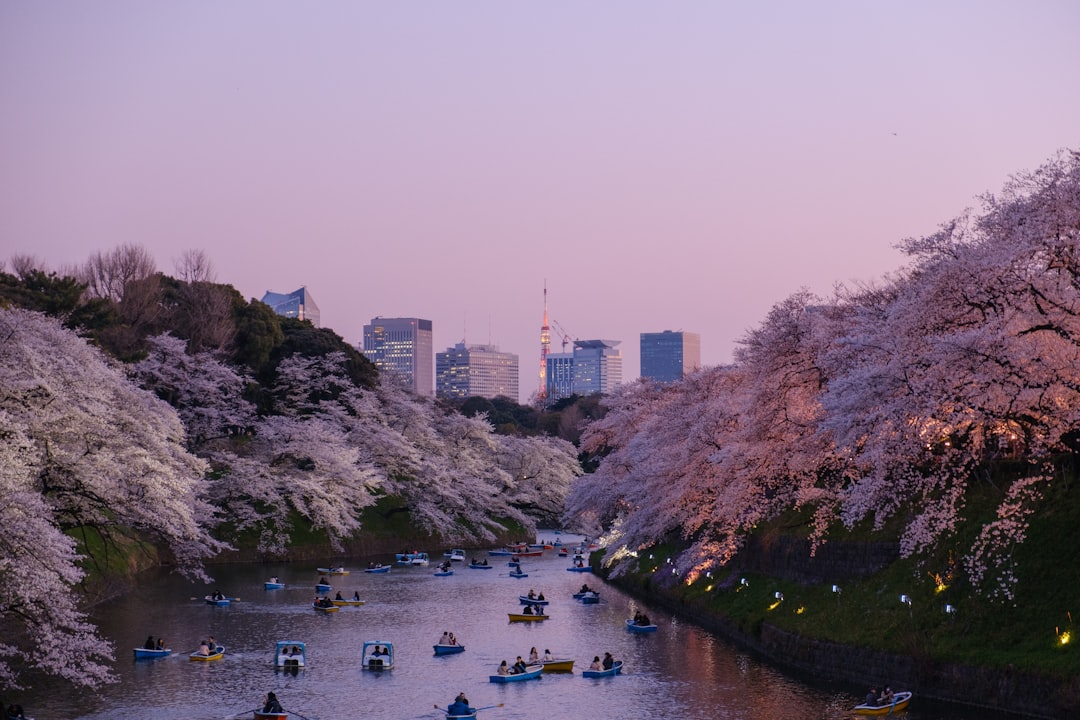
Photo: Yu Kato / Unsplash
Perception vs Reality: It can feel hectic because of crowds, nightlife pockets, and heavy tourism, but most safety concerns here are minor and opportunistic rather than serious violent crime.
Risk Scores
Scale: 1 = very low risk, 10 = very high risk
Safety Overview
Overall Safety
Asakusa is very safe by big-city standards. Most visitors will face little more than crowding, minor theft risk in busy spots, and occasional tourist-targeted upselling.
Violent Crime
Violent crime against visitors is rare. Most incidents are low-level disputes, intoxication issues, or isolated late-night problems.
Petty Crime
Pickpocketing is uncommon but not impossible in dense tourist crowds around Senso-ji, Nakamise, and festivals. Keep phones and wallets secured rather than in open coat pockets or backpack outer sleeves.
Scams
Scam risk is low, but some visitors report pressure selling for rickshaw rides, inflated bar charges, or pushy invitations near nightlife pockets. Prices should be clear before you agree.
Night Safety
Even after dark, Asakusa is calmer than Tokyo nightlife hubs. Risk rises on quieter backstreets, near bars, and by the river when foot traffic drops.
Public Transport
Trains, subways, and buses are orderly and safe. The main practical issue is missing the last train and ending up walking farther or paying for a taxi late at night.
Police & Emergency
Police boxes are easy to find near stations and major roads, and response is generally dependable. English ability varies, so having your hotel name and address written down helps.
Day vs Night
Daytime
Daytime is very safe and busy, with most risk tied to crowding, distraction, and summer heat.
Nighttime
At night Asakusa stays relatively calm, but some streets empty out quickly. Use main roads, avoid following touts, and plan transport if staying out late.
Seasonal: Festival periods such as Sanja Matsuri, cherry blossom weekends, New Year visits, and summer fireworks bring dense crowds, heavier pickpocket risk, transport congestion, and longer taxi waits.
Who’s Visiting?
Very suitable for first-time Tokyo visitors. Tourist density is high, but serious crime risk is low.
Common Risks
- ⚠ Crowd-related pickpocketing
- ⚠ Overpriced tourist services
- ⚠ Getting stranded after the last train
- ⚠ Distraction while taking photos
Tips
- ✓ Keep valuables zipped in front-facing pockets or a closed bag
- ✓ Confirm prices before rickshaw rides, guided photos, or bar entry
- ✓ Avoid leaving bags unattended in cafes or temple grounds
- ✓ Plan your last train or late-night taxi route in advance
Asakusa is generally comfortable for solo women, especially in daytime and early evening. Late-night risk is still low, but quieter streets and drinking areas deserve more care.
Common Risks
- ⚠ Unwanted attention from drunk patrons near bars
- ⚠ Following persistent touts or invitations
- ⚠ Walking alone on quiet side streets late at night
Tips
- ✓ Use main streets when returning late
- ✓ Do not follow bar invitations from strangers
- ✓ Choose licensed taxis or app-booked rides if the area feels too quiet
- ✓ Share your route if heading back after the last train
Asakusa is broadly low-risk for LGBTQ+ travelers, though it is not especially known as an LGBTQ+ district. Visitors usually face more social reserve than direct hostility.
Japan is socially conservative in some settings but generally non-confrontational, especially in Tokyo. Legal risk for same-sex travelers is low, though national legal recognition remains limited compared with some Western countries.
Common Risks
- ⚠ Occasional stares rather than open harassment
- ⚠ Limited local venue options specifically for LGBTQ+ travelers
- ⚠ General late-night nuisance around intoxicated groups
Tips
- ✓ Public behavior that is discreet tends to attract less attention
- ✓ Use standard nightlife precautions if drinking
- ✓ For LGBTQ+ nightlife, many travelers head to Shinjuku Ni-chome rather than Asakusa
- ✓ Book accommodation with strong recent reviews if traveling as a couple
Asakusa works well for families thanks to walkability, attractions, and low violent crime. The main issues are crowds, traffic near major roads, and fatigue during peak tourist periods.
Common Risks
- ⚠ Children getting separated in temple or festival crowds
- ⚠ Heat exposure in summer
- ⚠ Bike and vehicle traffic on narrower streets
Tips
- ✓ Set a meeting point near Senso-ji or the station
- ✓ Carry water and plan shade breaks in hot months
- ✓ Use child ID tags or contact cards
- ✓ Hold hands in crowded approach streets and crossings
Asakusa is comfortable and safe for longer stays, with easy transport and many cafes. The main risk is complacency with belongings in busy public spaces.
Common Risks
- ⚠ Leaving laptops or bags unattended
- ⚠ Weak privacy on public Wi-Fi
- ⚠ Late-night transport gaps after socializing
Tips
- ✓ Do not leave devices on tables when ordering or using the restroom
- ✓ Use a VPN on public Wi-Fi
- ✓ Check last-train times before evening meetups
- ✓ Choose accommodation near a major station for easier late returns
Crime & Threats
Pickpocketing
LowLow but most likely in dense crowds around Nakamise, Senso-ji, station exits, and festival days.
Phone Snatching
LowRare compared with many large cities, though distracted phone use in crowds or near roads can still lead to opportunistic theft or loss.
Robbery
LowStreet robbery is uncommon. Risk is slightly higher very late at night around isolated streets or intoxicated groups.
Assault
LowAssault risk is very low for visitors; incidents are more likely to involve alcohol or personal disputes than random targeting.
Drink Spiking
LowNot a defining risk in Asakusa, but standard bar precautions still apply, especially in small late-night venues.
Taxi Scams
LowLicensed taxis in Tokyo are usually reliable and metered. Problems are more likely to be route confusion or communication issues than deliberate scamming.
ATM Skimming
LowLow overall, but use ATMs inside convenience stores, banks, or stations and shield your PIN.
Tourist Scams
LowThe most realistic issue is pressure selling or unclear pricing for tourist rides, photos, or bars rather than classic scam operations.
Common Scams
Rickshaw upsell
Staff approach tourists with friendly pitches, then steer them toward longer or pricier routes, photos, or add-ons.
Ask for the exact price, route, and duration before accepting, and decline if the pricing stays vague.
Bar cover charge surprise
A small bar or drinking spot may advertise casually but add seating, service, or snack charges that were not clearly explained.
Check menus and cover charges before sitting down, especially in small late-night venues.
Tourist distraction theft
In crowded temple approaches or festival areas, a distracted visitor leaves a phone, wallet, or bag accessible and an opportunist takes it.
Keep valuables zipped and in sight while taking photos, shopping, or handling cash.
Area Safety
Safer Areas
Busy, well-lit, and well-served by transport, shops, and police presence.
Heavy foot traffic and staff presence make serious crime unlikely, though watch valuables in crowds.
Popular and relaxed during the day, especially when other visitors are around.
Be More Careful
Best place in Asakusa for opportunistic theft, distraction, or getting separated from companions.
Mostly lively rather than dangerous, but intoxicated patrons and occasional overcharging issues are more likely here.
Foot traffic drops sharply, making the area feel isolated even if crime remains low.
Getting Around
Walking
Walking is generally safe and easy, especially on main streets. Watch for bicycles, narrow pavements, and quiet lanes after midnight.
Taxis & Rideshare
Licensed taxis are dependable and usually low-risk; fares can be expensive late at night. Rideshare options are more limited than in some countries, so use established apps or taxi stands.
Trains & Buses
Public transport is clean, safe, and efficient. The practical safety issue is missing the last train and being left with a costly taxi or a long late-night walk.
Do’s & Don’ts
Do
- Keep bags zipped in crowded temple and shopping areas
- Use main roads and station routes if returning late
- Confirm prices before rides, tours, or bar entry
- Carry your accommodation name and address in Japanese if possible
- Check the last train before a late dinner or drinks
Don’t
- Do not leave phones or wallets on cafe tables
- Do not follow strangers to bars or private venues
- Do not assume every quiet street stays busy after midnight
- Do not carry large amounts of cash openly while shopping
- Do not rely on rideshare availability at very late hours
How Does It Compare?
Safer Than
Riskier Than
Asakusa is very safe overall, but because it is a major tourist zone, petty theft and price-related annoyances are slightly more relevant than in quieter residential neighborhoods.
Frequently Asked Questions
Yes. It is one of Tokyo's safer tourist areas, with low violent crime and mostly minor risks such as crowd-related theft and unclear pricing.
Usually yes, especially on main streets near stations. It becomes quieter after the last train, so isolated lanes and riverfront stretches feel less comfortable.
The most likely issues are pushy rickshaw sales, unclear bar cover charges, and distraction-based theft in crowded temple or festival areas.
Data Notes
- Risk levels can change during major festivals, fireworks events, and holiday peaks when crowd density rises sharply.
- Asakusa is generally discussed as part of wider Taito City safety patterns, so very localized block-by-block variation is less well documented than citywide trends.
- Nightlife-related complaints are less common than in Tokyo's entertainment hubs, so some late-night risk descriptions are based on general urban travel patterns rather than frequent reported incidents.
Traveling to Asakusa?
TripWaffle organizes your entire trip — flights, hotels, trains, events — in one beautiful itinerary. Just forward your confirmation emails.


100% free · 3 second signup
Last updated: March 21, 2026