Is Shinjuku Safe?
Shinjuku is generally safe by big-city standards, especially in daytime and around business, shopping, and transit areas. The main issues for visitors are nightlife-related scams, aggressive touts, heavy crowds, and occasional drunken behavior around Kabukicho and nearby late-night streets.
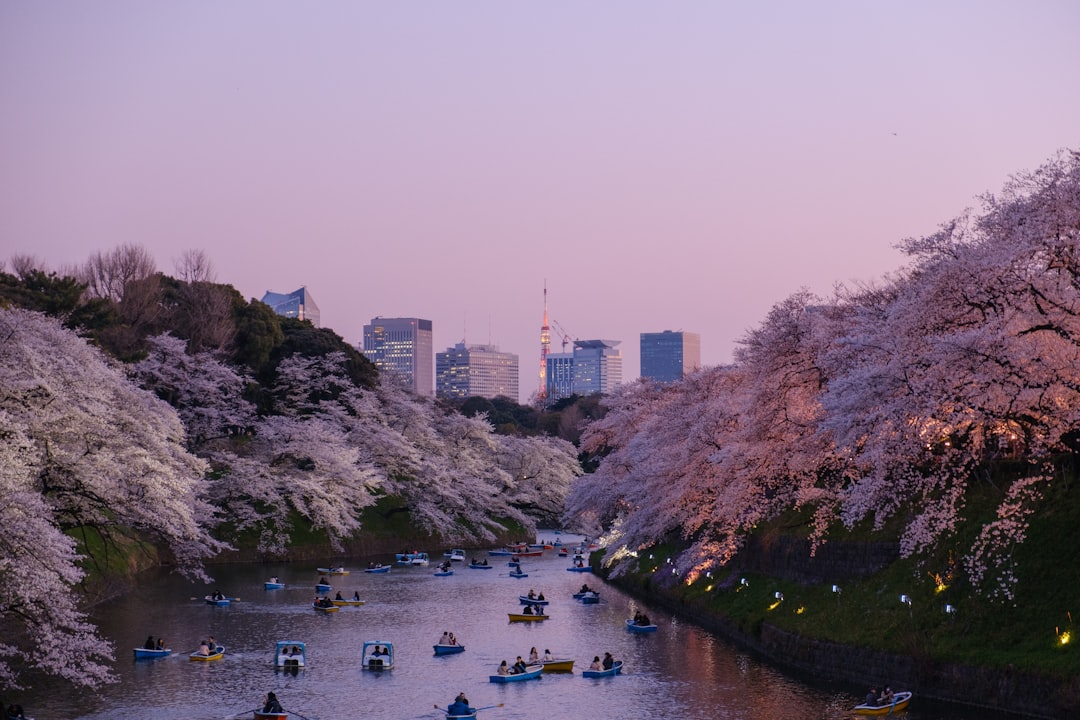
Photo: Yu Kato / Unsplash
Perception vs Reality: Shinjuku's neon nightlife gives it a rougher reputation than most visitors experience. Street violence is uncommon; the more realistic problems are bar touts, overcharging, harassment, and getting disoriented in crowded station areas late at night.
Risk Scores
Scale: 1 = very low risk, 10 = very high risk
Safety Overview
Overall Safety
Very safe in daytime and still safer than most major nightlife districts globally. Risks rise after dark around Kabukicho, mainly from scams and intoxicated people rather than serious violence.
Violent Crime
Violent crime against visitors is uncommon. Late-night arguments, drunken scuffles, or predatory nightlife situations are more plausible than random street attacks.
Petty Crime
Pickpocketing is not a major Shinjuku problem, but crowded trains, station exits, and nightlife clusters can create easy opportunities. Keep phones and wallets secured in dense crowds.
Scams
The standout risk is being lured by touts into bars or clubs with inflated bills or pressure to pay. Ignore street invitations, especially around Kabukicho.
Night Safety
Nighttime is generally manageable on main streets with foot traffic, but risk rises after the last train and in nightlife lanes. Solo walkers should favor well-lit routes and avoid following strangers into venues.
Public Transport
Trains and buses are safe and efficient, though Shinjuku Station is crowded and confusing. Last-train timing matters because streets get rowdier once many people are stranded or waiting.
Police & Emergency
Police boxes are common and useful for directions or reporting problems. Response is generally reliable, though English ability varies by officer and time of day.
Day vs Night
Daytime
Daytime is very safe across shopping, office, and park areas. The main annoyances are crowds, confusing station exits, and minor distraction risks.
Nighttime
Night remains manageable on busy main roads, but risk rises in entertainment streets after dark, especially after the last train. Scams and harassment are more likely than serious street crime.
Seasonal: Weekend nights, payday Fridays, year-end party season, and holiday periods increase intoxication, crowding, and nightlife solicitation. Heavy rain and typhoons can disrupt transport and make station areas more chaotic.
Who’s Visiting?
Tourists usually find Shinjuku easy to navigate and very safe, but nightlife marketing around the east side can catch first-time visitors off guard.
Common Risks
- ⚠ Bar and club touts
- ⚠ Overcharging in nightlife venues
- ⚠ Getting lost around Shinjuku Station
- ⚠ Minor theft in dense crowds
Tips
- ✓ Use map pins for exits; the station is large and confusing.
- ✓ Do not follow street promoters into bars or clubs.
- ✓ Choose venues with clear prices and online reviews.
- ✓ Keep valuables zipped in crowded station corridors.
Shinjuku is relatively comfortable for solo women in daytime and on busy streets at night, but nightlife zones can bring harassment, persistent touts, and intoxicated behavior.
Common Risks
- ⚠ Unwanted attention from touts
- ⚠ Drunken harassment late at night
- ⚠ Drink tampering in nightlife settings
Tips
- ✓ Prefer main roads, station-facing routes, and clearly signed venues.
- ✓ Watch drinks being made and do not leave them unattended.
- ✓ If a promoter is persistent, keep walking and do not engage.
- ✓ Consider a taxi after the last train rather than walking through nightlife lanes.
Shinjuku is one of Japan's more LGBTQ-friendly urban areas, especially around Ni-chome, with low legal risk and a visible nightlife scene.
Same-sex activity is legal, and central Tokyo is broadly tolerant, though public displays of affection are generally more muted than in some Western cities. Social risk is usually low, while normal nightlife risks still apply.
Common Risks
- ⚠ Nightlife overcharging
- ⚠ Misunderstanding venue rules or cover charges
- ⚠ Occasional staring or curiosity rather than hostility
Tips
- ✓ Research bars in Ni-chome in advance; some venues cater to regulars or specific subgroups.
- ✓ Check entry fees and drink minimums before ordering.
- ✓ Use the same nightlife precautions you would in any bar district.
- ✓ Main streets and station routes are the easiest late-night paths.
Families generally find Shinjuku safe, especially around department stores, parks, hotels, and daytime shopping areas. The main downsides are crowds, traffic, and proximity to adult nightlife in some zones.
Common Risks
- ⚠ Crowded station platforms and exits
- ⚠ Getting separated in shopping areas
- ⚠ Accidentally walking into nightlife streets
Tips
- ✓ Use meeting points because mobile signal and crowds can slow regrouping.
- ✓ Stay on the west side, south side, and park areas for a calmer atmosphere.
- ✓ Avoid Kabukicho late in the evening with children.
- ✓ Hold hands near major crossings and station exits.
Shinjuku works well for remote workers thanks to transport links and services, with low street crime but typical urban distractions and nightlife hassles nearby.
Common Risks
- ⚠ Leaving devices unattended in cafés
- ⚠ Late-night distractions around entertainment areas
- ⚠ Public Wi-Fi privacy issues
Tips
- ✓ Do not leave laptops or bags to reserve seats.
- ✓ Use a personal hotspot or VPN on public Wi-Fi.
- ✓ Pick accommodation away from Kabukicho if you want quieter nights.
- ✓ Check the last train if working late outside your neighborhood.
Crime & Threats
Pickpocketing
LowLow by global standards, but crowded trains, station passages, and festival periods still warrant normal precautions.
Phone Snatching
LowStreet snatching is uncommon. The bigger risk is dropping or misplacing a phone in busy nightlife venues or taxis.
Robbery
LowMugging is uncommon. Most reported visitor problems are tied to nightlife solicitation or disputes over bills rather than street robbery.
Assault
LowRandom assault is rare, though drunken arguments and occasional harassment can occur late at night around bars and clubs.
Drink Spiking
MediumNot the norm, but nightlife-heavy areas make it a real concern, especially in venues entered through touts or unclear invitations.
Taxi Scams
LowTaxi scams are uncommon in Tokyo. The more practical issue is taking a costly ride after the last train or from the wrong side of the station.
ATM Skimming
LowRare, especially at bank and convenience-store ATMs. Use well-lit machines in reputable locations.
Tourist Scams
MediumThe main pattern is nightlife overcharging: street promoters lead visitors to bars with inflated bills, hidden cover charges, or pressure payments.
Common Scams
Bar tout overcharge
A street promoter offers cheap drinks or no cover, then the venue presents a heavily inflated bill or vague service charges.
Do not follow touts. Use bars with posted prices, reservations, or strong recent reviews.
Hostess or club solicitation
Staff or intermediaries steer visitors into entertainment venues with unclear pricing, expensive drinks, or pressure to stay and spend.
Ask for the menu and cover charge before entering, and leave immediately if pricing is evasive.
Seat charge or table charge surprise
Small bars, especially in nightlife lanes, add mandatory seating or appetizer charges that visitors did not expect.
Check house rules and charges before sitting down, especially in tiny bars.
Drinking invitation from strangers
A friendly stranger suggests a better bar or after-party, leading to pressure spending, heavy drinking, or a bad venue choice.
Be polite but decline unplanned venue changes with people you just met.
Area Safety
Safer Areas
Business district with hotels, offices, wider streets, and less nightlife solicitation.
Busy, well-lit shopping and transit area with steady foot traffic and a calmer feel.
Generally quieter and more relaxed, especially in daytime.
Be More Careful
The main concentration of touts, overcharging complaints, adult entertainment, and late-night intoxication.
Atmospheric but very tight lanes, heavy drinking, and occasional confusion over seat charges or bar rules.
Crowded, noisy, and more likely to involve persistent promoters or drunken behavior after midnight.
Getting Around
Walking
Walking is generally safe, especially on major streets and around stations, hotels, and shopping zones. Late at night, choose bright main routes instead of cutting through nightlife alleys.
Taxis & Rideshare
Licensed taxis are reliable and a good fallback after the last train. Confirm the destination on your map and enter through the official taxi line where possible.
Trains & Buses
Public transport is very safe and efficient, but Shinjuku Station is one of the busiest in the world and easy to navigate poorly when tired. Watch last-train times to avoid long late-night walks through nightlife areas.
Do’s & Don’ts
Do
- Stick to well-lit main streets late at night.
- Use official taxi ranks after the last train.
- Check menus and cover charges before entering bars.
- Keep valuables zipped in crowded station areas.
- Save your hotel name and nearest station exit in Japanese.
Don’t
- Do not follow touts into bars or clubs.
- Do not leave drinks unattended in nightlife venues.
- Do not rely on memory alone inside Shinjuku Station.
- Do not walk drunk and distracted through Kabukicho side streets.
- Do not assume every small bar is tourist-friendly or fee-free.
How Does It Compare?
Safer Than
Riskier Than
Shinjuku is safe overall, but its nightlife pockets are noticeably riskier than Tokyo's average.
Frequently Asked Questions
Mostly yes on busy main streets, but nightlife areas like Kabukicho have more touts, overcharging scams, and drunken behavior after dark.
For visitors, the main risk is nightlife scams, especially being led by touts into bars or clubs with inflated bills.
Generally yes, especially in daytime and on main streets, but late-night entertainment lanes can bring harassment and drink-safety concerns.
Data Notes
- Safety varies sharply between daytime shopping and business zones versus late-night entertainment blocks.
- Exact street-level conditions in Kabukicho can change quickly depending on time, crowd mix, and policing.
- Some venue-specific risks are underreported because visitors may not file complaints after overcharging incidents.
Traveling to Shinjuku?
TripWaffle organizes your entire trip — flights, hotels, trains, events — in one beautiful itinerary. Just forward your confirmation emails.


100% free · 3 second signup
Last updated: March 21, 2026