
Is Kenya Safe?
Kenya is manageable for most travelers, but safety varies sharply by city, neighborhood, and time of day. Safari circuits and established tourist areas are usually straightforward, while urban petty crime, transport risks, scams, and some terrorism-related concerns in border regions require planning.
Photo: Sergey Pesterev / Unsplash
Perception vs Reality: Kenya's reputation can sound worse than the experience in well-run safari lodges and established tourist districts, but urban theft, road danger, and higher-risk border areas are real and should not be dismissed.
Risk Scores
Scale: 1 = very low risk, 10 = very high risk
Safety Overview
Overall Safety
Most visits are trouble-free with sensible planning. Main issues are phone theft, bag snatching, scams, risky driving, and uneven safety after dark in cities.
Violent Crime
Violent crime is not the norm for visitors, but robberies, carjackings, and assaults do occur in some urban areas and on poorly lit roads at night.
Petty Crime
Pickpocketing and phone snatching are common in crowded city areas, bus stations, markets, and some beach and nightlife zones.
Scams
Overcharging, fake tour offers, taxi price inflation, and card or mobile money fraud are recurring problems, especially around transport hubs and tourist areas.
Night Safety
Night risk is noticeably higher in Nairobi, Mombasa, and some beach towns. Walking alone after dark is a common point where travelers get targeted.
Public Transport
Matatus and buses are cheap but chaotic, with higher theft and road safety concerns. App-based rides or hotel-arranged transport are usually safer.
Police & Emergency
Police are visible in major cities and tourist areas, but response quality can be uneven. Private security is common at malls, hotels, and offices.
Day vs Night
Daytime
Daytime is usually manageable in business districts, malls, safari areas, and well-known tourist zones. Keep valuables discreet in markets, transit areas, and busy streets.
Nighttime
Risk increases after dark, especially for walking, informal transport, and quiet roads. Use arranged transport and avoid isolated streets, beaches, and bus areas.
Seasonal: Election periods can bring protests and local unrest. Heavy rains can flood roads and disrupt transport, and holiday periods can increase crowding and theft in beach and city hotspots.
Who’s Visiting?
Tourists usually do fine on the main safari and beach routes, but city arrivals, nightlife, and independent transit require more care.
Common Risks
- ⚠ Phone snatching in Nairobi and Mombasa
- ⚠ Taxi overcharging from airports and stations
- ⚠ Fake tour guides or excursion sellers
- ⚠ Bag theft in markets, bus parks, and beaches
Tips
- ✓ Use reputable hotels, lodges, and tour operators
- ✓ Book airport pickups or use app-based rides
- ✓ Carry only the cash you need for the day
- ✓ Keep phones out of sight near roadsides and open windows
Solo women can travel in Kenya, but unwanted attention, harassment, and higher night risk are recurring issues, especially in cities and nightlife areas.
Common Risks
- ⚠ Street harassment
- ⚠ Drink tampering in bars and clubs
- ⚠ Taxi boundary-pushing or route changes
- ⚠ Isolation on beaches or quiet streets after dark
Tips
- ✓ Prefer app rides or hotel-arranged drivers at night
- ✓ Choose accommodation with good reviews and security
- ✓ Avoid isolated walks on beaches, roads, or near transport hubs after dark
- ✓ Watch drinks closely and leave if a venue feels pushy or chaotic
Risk is driven more by legal and social hostility than by tourist-targeted crime. Discretion matters outside a few more cosmopolitan spaces in Nairobi.
Same-sex relations are criminalized under existing laws, and social attitudes are often conservative. Public displays of affection can attract harassment, outing, or trouble with authorities.
Common Risks
- ⚠ Harassment or verbal abuse
- ⚠ Outing through hotel, dating, or social situations
- ⚠ Police or security attention after disputes
- ⚠ Higher social risk outside major urban bubbles
Tips
- ✓ Keep dating app use and meetups private and vetted
- ✓ Avoid public displays of affection in conservative areas
- ✓ Choose internationally reviewed hotels and venues
- ✓ Be cautious about sharing personal details with new contacts
Families are generally comfortable in established lodges, resorts, and higher-end urban areas. The bigger concerns are traffic, food and water hygiene, and keeping children close in crowded places.
Common Risks
- ⚠ Road accidents on longer drives
- ⚠ Crowd separation in markets or stations
- ⚠ Beach or pool supervision issues
- ⚠ Petty theft from distracted adults
Tips
- ✓ Use child seats when available for private transfers
- ✓ Limit long road journeys after dark
- ✓ Choose family-friendly lodges with controlled access
- ✓ Keep valuables split between adults
Nairobi has a strong nomad and startup scene, but theft, transport friction, and accommodation security matter more than in lower-risk capitals.
Common Risks
- ⚠ Laptop theft from cafes or shared spaces
- ⚠ Snatch theft while using phones outdoors
- ⚠ Accommodation scams or weak door security
- ⚠ Power or internet interruptions outside top areas
Tips
- ✓ Work from established cafes, hotels, or coworking spaces
- ✓ Avoid displaying laptops in transit
- ✓ Check neighborhood security before booking longer stays
- ✓ Use backup power and mobile data options if working remotely
Crime & Threats
Pickpocketing
MediumCommon in markets, bus stations, central city areas, and crowded events.
Phone Snatching
HighA frequent issue in Nairobi and Mombasa, especially near roads, in traffic, and around public transport.
Robbery
MediumMuggings and armed robberies happen, with higher risk after dark and in isolated urban spots.
Assault
MediumAssault risk rises around nightlife, disputes, and quiet areas at night.
Drink Spiking
MediumReported in nightlife settings; do not leave drinks unattended or accept open drinks from strangers.
Taxi Scams
MediumUnmetered fares, route inflation, and airport overcharging are common with informal taxis.
ATM Skimming
MediumUse ATMs inside banks, malls, or guarded sites rather than isolated street machines.
Tourist Scams
MediumFake guides, pressure-selling, and inflated excursion prices appear in beach and city tourist zones.
Common Scams
Airport and station taxi overcharge
Drivers quote inflated fixed prices or claim the meter or app is unavailable.
Use ride-hailing apps or agree the fare before entering the car.
Fake tour or safari deal
A seller offers discounted excursions, then delivers a poor service, changes the price, or disappears with a deposit.
Book through reviewed operators, hotels, or established agencies and verify permits where relevant.
Distraction theft
Someone asks for help, starts a conversation, or causes a commotion while an accomplice takes a phone or wallet.
Keep bags zipped, do not display cash, and step away from crowds before checking your phone.
Card and mobile money fraud
A card is skimmed or a victim is tricked into sending money or sharing payment codes.
Use ATMs in secure locations and never share one-time codes or payment confirmations.
Area Map
Approximate locations from public sources. Conditions vary by time of day and current events.
Area Safety
Safer Areas
More secure, better-policed, and popular with diplomats, expats, and higher-end hotels.
Controlled access, professional staff, and organized transfers reduce everyday urban risks.
Generally calmer than the biggest cities, with more predictable tourist infrastructure.
Be More Careful
Higher rates of pickpocketing, phone snatching, and night-time robbery.
Petty theft, harassment, and robbery risk rises in crowded or poorly lit areas.
Security risk is much higher due to banditry and terrorism-related concerns.
Getting Around
Walking
Fine in busy, well-known areas by day, but avoid distracted walking with phones visible. Limit walking after dark in cities unless the area is clearly active and secure.
Taxis & Rideshare
App-based rides are generally preferable to street taxis. Confirm the driver, plate, and route, and avoid accepting unsolicited airport or station rides.
Trains & Buses
Intercity options vary in quality; theft and road safety are bigger concerns than on rail-heavy countries. Matatus are common but more chaotic, with crowding and pickpocket risk.
Do’s & Don’ts
Do
- Use reputable accommodation with visible security
- Arrange airport transfers or use ride-hailing apps
- Keep phones and jewelry out of sight in busy streets
- Plan long drives for daylight where possible
- Check local conditions before visiting border regions
Don’t
- Do not walk alone late at night in unfamiliar city areas
- Do not use unmarked taxis from airports or bus stations
- Do not flash cash, cameras, or expensive phones in crowded areas
- Do not leave drinks unattended in bars or clubs
- Do not assume all beaches or city centers are equally safe after dark
How Does It Compare?
Safer Than
Riskier Than
Kenya sits in the middle range for African travel safety: more manageable than some high-crime countries, but less predictable than the region's lower-risk destinations.
Frequently Asked Questions
Yes, many tourists visit safely, especially on established safari and beach routes. The main issues are theft, scams, and transport safety.
Some areas are active and secure, but overall night risk is higher. Avoid walking alone and use app-based or arranged transport.
It is widely used but comes with higher theft and road safety concerns. Travelers often prefer app rides, hotel cars, or organized transfers.
Data Notes
- Safety varies a lot by neighborhood, road, and operator quality, so country-level guidance can overgeneralize.
- Conditions in border and remote northern areas can change quickly due to security incidents.
- LGBTQ experience depends heavily on setting, visibility, and local social attitudes, which are not uniform across the country.
Explore Areas in Kenya
Traveling to Kenya?
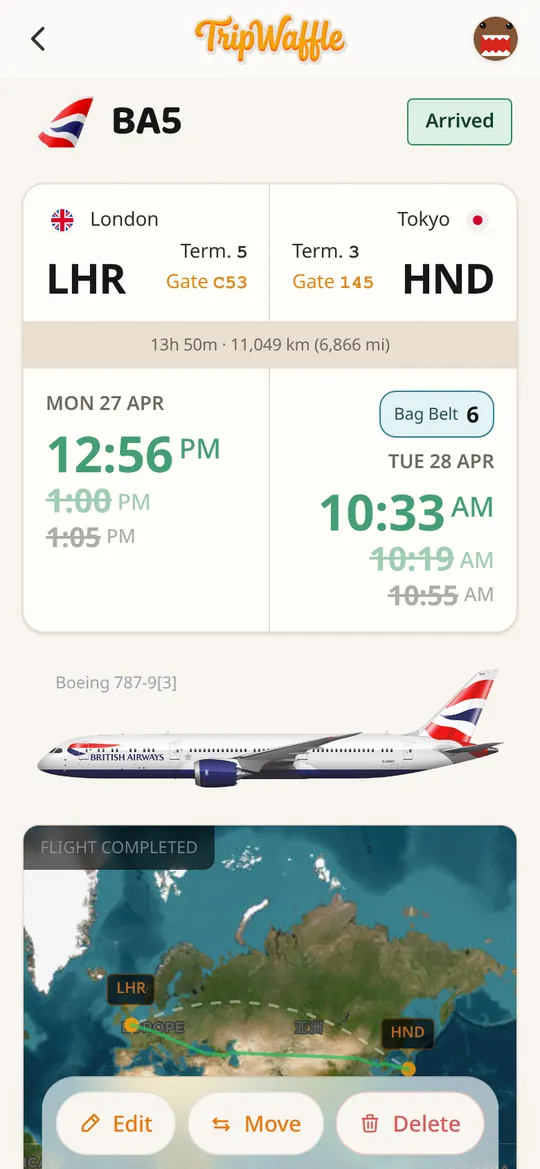
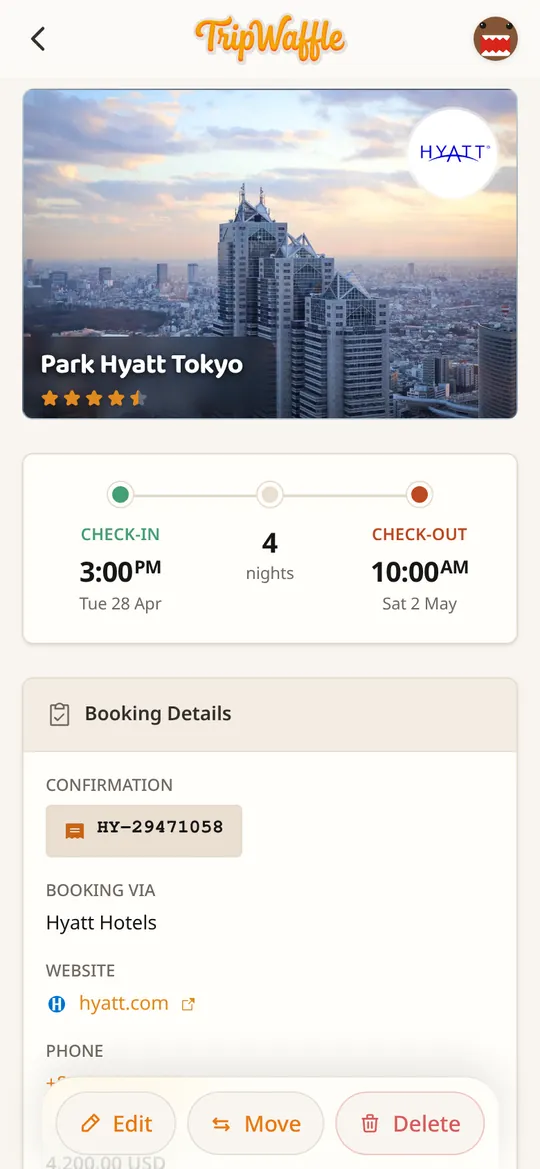
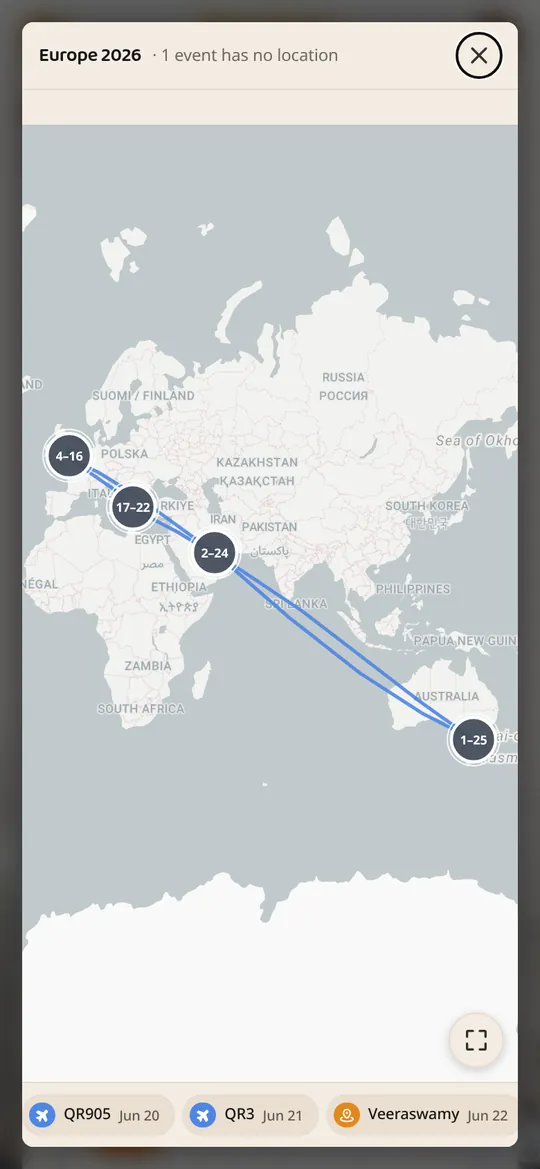
TripWaffle organizes your whole trip in one beautiful itinerary - and watches over it: government advisory alerts, the local emergency number, and entry requirements for Kenya, plus live flight tracking. Just forward your confirmation emails.


100% free · 3 second signup
Last updated: May 27, 2026