Is Mexico Safe?
Mexico is manageable for most travelers, but safety varies sharply by state, city, and even neighborhood. Major tourist hubs often feel routine and well-policed, while some border areas and parts of a few inland states have serious organized-crime violence and are poor choices for casual travel.
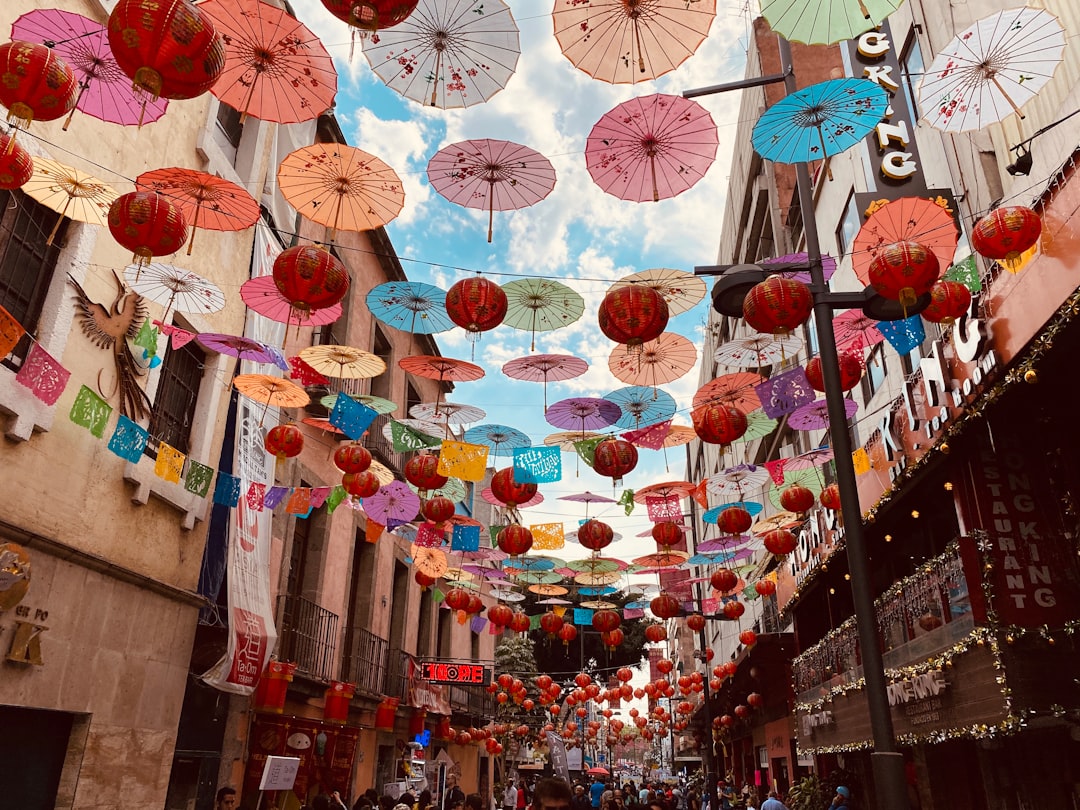
Photo: Pyro Jenka / Unsplash
Perception vs Reality: Mexico's image is heavily shaped by cartel violence, but that risk is not evenly spread. Many tourists spend time in resort zones and central neighborhoods with few problems, while other regions face real and sometimes severe security issues.
Risk Scores
Scale: 1 = very low risk, 10 = very high risk
Safety Overview
Overall Safety
Mexico is not one safety story. Tourist areas can be straightforward with good habits, but some states and intercity routes carry much higher risks.
Violent Crime
Most cartel-related violence does not target visitors directly, but bystanders can still be exposed in high-risk cities and on certain roads. Local conditions matter more than country averages.
Petty Crime
Pickpocketing, bag theft, and opportunistic phone snatching are common in crowded markets, transit hubs, beaches, and nightlife areas.
Scams
Taxi overcharging, fake tour offers, ATM fraud, and nightlife padding of bills are recurring complaints in tourist zones.
Night Safety
Night risk rises noticeably outside resort compounds and busy central areas. Avoid quiet streets, isolated beaches, and intercity driving after dark.
Public Transport
Major bus lines and airport transfers are generally better choices than informal transport. City buses and some transit hubs are where theft is more likely.
Police & Emergency
Police presence is visible in many tourist areas, but service quality and trust vary. Hotels, established tour operators, and official transport providers are often the most practical first point of help.
Day vs Night
Daytime
Daytime is usually straightforward in central tourist districts, museums, shopping areas, and busy beach zones. Theft risk remains highest in crowds and transit hubs.
Nighttime
Risk rises after dark, especially on quiet streets, around bars and clubs, and on intercity roads. Resort compounds and busy central restaurant areas are usually more predictable than isolated neighborhoods.
Seasonal: Spring break and major festivals can bring heavier drinking, theft, and nightlife scams. Hurricane season affects coastal travel, and major holidays can mean packed roads, crowded transport, and more opportunistic crime.
Who’s Visiting?
Most tourist trips go smoothly in well-known destinations, but destination choice matters. Beach resorts, historic centers, and major cities have very different risk profiles even within the same state.
Common Risks
- ⚠ Pickpocketing in markets, plazas, and transit hubs
- ⚠ Taxi overcharging or unlicensed drivers
- ⚠ Nightlife scams and inflated bills
- ⚠ Theft on beaches or from unattended vehicles
- ⚠ Road risk on isolated or nighttime routes
Tips
- ✓ Research the specific city and neighborhood, not just the country
- ✓ Use official airport taxis, app rides, or hotel-booked transport
- ✓ Prefer toll roads and avoid long drives after dark
- ✓ Keep phones and wallets secured in crowded tourist zones
- ✓ Book tours through established providers with clear pickup points
Solo women travel widely in Mexico, especially in resort towns and central urban neighborhoods, but street harassment and late-night transport issues are common concerns.
Common Risks
- ⚠ Verbal harassment
- ⚠ Drink tampering in nightlife settings
- ⚠ Pressure from persistent vendors or strangers
- ⚠ Unlicensed taxis or drivers changing terms
- ⚠ Higher vulnerability on quiet streets after dark
Tips
- ✓ Choose central, well-reviewed accommodation with staffed entry
- ✓ Use rideshare or official taxis at night instead of street hails
- ✓ Watch drinks being made and avoid leaving them unattended
- ✓ Share live trip details when going out late
- ✓ If a street feels empty or poorly lit, reroute early
Legal protections are better than many travelers expect, and major cities plus some beach destinations have visible LGBTQ scenes. Social comfort still varies a lot between progressive urban areas and conservative rural zones.
Same-sex marriage is legal nationwide, and large cities such as Mexico City are generally the most welcoming. Social attitudes are mixed, with more discretion often preferred outside urban and tourist-heavy areas.
Common Risks
- ⚠ Verbal harassment in conservative areas
- ⚠ Unwanted attention in nightlife settings
- ⚠ Lower comfort showing affection in rural towns
- ⚠ General crime risks that affect all travelers
Tips
- ✓ Use neighborhood-specific judgment rather than assuming one national norm
- ✓ In Mexico City, Puerto Vallarta, and similar hubs, LGBTQ travelers usually find stronger community support
- ✓ Be more discreet with public affection in small towns and rural areas
- ✓ Choose well-reviewed nightlife venues and arrange transport back in advance
Families usually do best in established resort areas, colonial cities with strong tourism infrastructure, and calmer neighborhoods in major cities.
Common Risks
- ⚠ Petty theft in crowded attractions
- ⚠ Traffic safety issues
- ⚠ Beach and pool supervision lapses
- ⚠ Confusion with informal transport or tour sellers
Tips
- ✓ Stay in areas with walkable amenities and reliable transport
- ✓ Use child seats when possible; transport standards vary
- ✓ Avoid isolated beaches and late-night outings with children
- ✓ Keep passports and backup documents secured in the hotel safe
Mexico is popular with remote workers thanks to infrastructure and lifestyle, but security depends heavily on city choice, housing quality, and local routines.
Common Risks
- ⚠ Laptop and phone theft in cafes or co-working spaces
- ⚠ Apartment access issues in short-term rentals
- ⚠ ATM fraud
- ⚠ Nighttime robbery risk when carrying electronics
Tips
- ✓ Pick accommodation with strong building security and recent reviews
- ✓ Do not leave devices unattended in cafes or common areas
- ✓ Withdraw cash from bank-branch ATMs in daylight
- ✓ Use rideshare after dark if carrying a laptop
Crime & Threats
Pickpocketing
MediumCommon in busy markets, metros, buses, festivals, and popular plazas, especially in major cities and tourist centers.
Phone Snatching
MediumPhones are vulnerable near roadsides, on public transit, and in nightlife zones where distracted visitors are easy targets.
Robbery
MediumStreet robbery risk is moderate in urban areas and rises at night, on empty streets, and when carrying visible valuables.
Assault
MediumMost visitors are not targeted, but assaults can happen around nightlife, disputes, and in high-crime neighborhoods.
Drink Spiking
MediumReported in bars and clubs in some tourist destinations and big cities, especially where strangers are buying drinks.
Taxi Scams
MediumUnofficial taxis may overcharge, take indirect routes, or claim meters are broken. Airport and nightlife pickups are common pinch points.
ATM Skimming
MediumCard cloning and ATM tampering occur, particularly at standalone machines and in busy tourist areas.
Tourist Scams
MediumFake tours, timeshare pressure, inflated restaurant tabs, and beach or street vendors changing prices are recurring issues.
Common Scams
Unofficial taxi overcharge
A driver picks up near airports, bus terminals, or nightlife areas, then inflates the fare, claims no meter, or takes a longer route.
Use official taxi stands, rideshare apps, or hotel-arranged transport and confirm the pricing method before departure.
Timeshare or vacation club pitch
Travelers are offered discounts, tours, or gifts in exchange for attending a sales presentation that becomes high-pressure and time-consuming.
Decline unsolicited offers in resort zones and book activities directly through known operators.
Inflated bar or club bill
A venue adds items, changes bottle prices, or pressures guests to pay an unexpectedly large tab.
Ask for prices upfront, keep an eye on the bill as you order, and avoid venues with pushy street promoters.
ATM card skimming
Tampered machines capture card data or PINs, later leading to fraudulent withdrawals.
Use ATMs inside bank branches during the day and inspect the card slot and keypad before use.
Fake tour or transport seller
A person posing as a tour rep or shuttle agent takes payment for a service that is substandard, changed, or never provided.
Book through hotels, official desks, or providers with clear online reviews and written confirmations.
Area Safety
Safer Areas
Often regarded as one of Mexico's calmer major cities, with a lower-crime reputation and a more relaxed street atmosphere.
Well-established tourism infrastructure, walkable center, and a large international visitor community.
Popular with visitors, busy through much of the day, and generally better served by hotels, restaurants, and transport options.
Be More Careful
Violence, extortion, and road-security issues can be serious outside tightly managed resort pockets.
Organized-crime activity and road risks have affected local safety conditions.
Conditions can change quickly due to criminal disputes, with higher risks of violent incidents and carjacking.
Getting Around
Walking
Walking is fine in many tourist centers by day, but route choice matters. Avoid empty streets, poorly lit areas, and long walks at night between nightlife spots and accommodation.
Taxis & Rideshare
Use app-based rides, hotel-booked cars, or official airport taxis where available. Avoid unlicensed street taxis, especially late at night or outside transport hubs.
Trains & Buses
Long-distance buses on reputable lines are usually a solid option. Urban buses and some metro systems are more exposed to pickpocketing, and road travel after dark is a weaker choice in some states.
Do’s & Don’ts
Do
- Research your exact destination, neighborhood, and route before arrival
- Use official or app-based transport, especially at night
- Carry only the cash and cards you need for the day
- Keep valuables out of sight in cars, on beaches, and in cafes
- Choose toll roads and daytime travel for longer journeys
Don’t
- Do not assume the whole country has the same risk level
- Do not drive long intercity routes after dark if you can avoid it
- Do not leave drinks unattended in bars or clubs
- Do not use isolated ATMs or accept help from strangers at the machine
- Do not flash phones, jewelry, or large amounts of cash in crowded areas
How Does It Compare?
Safer Than
Riskier Than
This comparison is broad and highly sensitive to destination choice within Mexico. Tourist districts in places like Merida or central Mexico City feel much safer than conflict-affected zones.
Frequently Asked Questions
Many tourist trips are trouble-free, but safety depends heavily on the state, city, and neighborhood. Resort zones and established tourist districts are usually easier to manage than some inland or border areas.
Night travel carries more risk, especially on quiet streets and intercity roads. Using official transport and avoiding long nighttime drives is the safer approach.
Common issues include taxi overcharging, inflated bar tabs, timeshare pitches, fake tours, and ATM fraud.
Data Notes
- Safety conditions change quickly by state, city, and neighborhood, so country-level guidance can only be a broad summary.
- Organized-crime dynamics can shift with little notice, affecting road safety and specific towns.
- Tourist safety can differ sharply between a resort zone and surrounding local areas.
Explore Areas in Mexico
Cancún
Is Cancún safe?
View safety guide →Guadalajara
Is Guadalajara safe?
View safety guide →Mérida
Is Mérida safe?
View safety guide →Mexico City
Is Mexico City safe?
View safety guide →Oaxaca
Is Oaxaca safe?
View safety guide →Playa del Carmen
Is Playa del Carmen safe?
View safety guide →Puerto Vallarta
Is Puerto Vallarta safe?
View safety guide →San Miguel de Allende
Is San Miguel de Allende safe?
View safety guide →Tulum
Is Tulum safe?
View safety guide →Traveling to Mexico?
TripWaffle organizes your entire trip — flights, hotels, trains, events — in one beautiful itinerary. Just forward your confirmation emails.


100% free · 3 second signup
Last updated: March 21, 2026