Is Montenegro Safe?
Montenegro is generally a safe country for travelers, with low levels of violent crime and mostly opportunistic theft in crowded tourist areas. The main problems visitors face are pickpocketing, taxi or accommodation scams in peak season, and late-night incidents around busy nightlife zones, especially on the coast. Most trips are trouble-free if you keep valuables secure and avoid poorly lit areas after midnight.
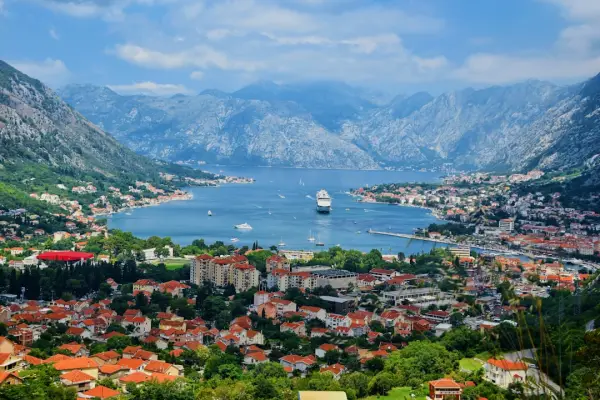
Photo: olga brajnovic / Unsplash
Perception vs Reality: Montenegro can inherit a rougher Balkan image than many visitors actually experience. In reality, most stays are uneventful, though summer resort crowds and nightlife areas bring more petty crime than the country's calm reputation suggests.
Risk Scores
Scale: 1 = very low risk, 10 = very high risk
Safety Overview
Overall Safety
Montenegro is one of the safer destinations in the Balkans for everyday travel. Most risks are low-level theft and tourist-focused scams rather than serious violence.
Violent Crime
Violent crime affecting visitors is uncommon. Problems are more likely to involve late-night arguments, heavy drinking, or isolated incidents around clubs.
Petty Crime
Pickpocketing and bag theft are the main concerns in Budva, Kotor, beaches, bus stations, and crowded summer events. Keep phones, wallets, and passports out of easy reach.
Scams
The most common scams are taxi overcharging, inflated bar or restaurant bills, and misleading accommodation listings during peak season. Booking through reputable platforms reduces most of the risk.
Night Safety
Evenings are generally manageable in central, busy areas, but risk rises after midnight in Budva nightlife zones, around transport hubs, and on quiet beachside streets. Use a licensed taxi rather than walking back from clubs.
Public Transport
Buses are generally safe and widely used, but luggage theft and confusion over stored bags can happen during crowded summer routes. Trains are limited but not a major crime concern.
Police & Emergency
Police presence is visible in tourist centers, especially in summer. Response is usually adequate in cities and coastal towns, though slower service is more possible in rural or mountainous areas; 112 is the general emergency number.
Day vs Night
Daytime
Daytime is generally low risk across most of Montenegro. Standard precautions are enough in cities, old towns, beaches, and transport hubs.
Nighttime
Night risk stays fairly low in central, populated areas, but rises around clubs, beach promenades, and station areas after midnight. Budva is the main place where theft, harassment, and overcharging become more noticeable.
Seasonal: Risk increases in June to September, when coastal towns fill with tourists, cruise passengers, festivals, and nightlife crowds. Summer also brings more fake rentals, parking disputes, traffic stress, and opportunistic theft; winter mountain travel can add road and weather hazards rather than crime.
Who’s Visiting?
Tourists usually experience Montenegro as easy and low-stress, especially on the coast and in major towns. The main issues are petty theft, overcharging, and nightlife-related problems rather than targeted violence.
Common Risks
- ⚠ Pickpocketing in Kotor, Budva, and bus stations
- ⚠ Taxi overcharging from airports and tourist hotspots
- ⚠ Fake or misleading apartment listings in summer
- ⚠ Inflated bar tabs in nightlife areas
Tips
- ✓ Use licensed taxis and agree on meter or fare before leaving
- ✓ Keep bags zipped in crowded old towns and on buses
- ✓ Book accommodation through reputable platforms
- ✓ Carry only the cash you need for the day
Montenegro is generally manageable for solo women, especially by day and in established tourist areas. Late-night resort zones and isolated streets are the main situations where extra planning helps.
Common Risks
- ⚠ Catcalling or unwanted attention in nightlife districts
- ⚠ Taxi overcharging or uncomfortable late-night rides
- ⚠ Harassment around bars and clubs
- ⚠ Poorly lit routes near beaches or transport hubs
Tips
- ✓ Choose central accommodation with good reviews
- ✓ Avoid walking alone on empty beach promenades late at night
- ✓ Use licensed taxis after dark instead of informal lifts
- ✓ Watch your drink in bars and clubs
Montenegro is usually manageable for LGBTQ travelers in tourist areas, but social attitudes remain more conservative than in much of Western Europe. Legal risk is low, while social discomfort or stares are more likely than direct violence.
Same-sex partnerships are legally recognized, but public attitudes are mixed and can be traditional outside tourist zones and Podgorica. Discreet behavior tends to attract less attention in smaller towns and rural areas.
Common Risks
- ⚠ Verbal comments or unwanted attention in conservative settings
- ⚠ Discomfort with public displays of affection outside tourist hubs
- ⚠ Nightlife harassment, especially where alcohol is involved
Tips
- ✓ Podgorica, Kotor, and Tivat are generally easier than small rural areas
- ✓ Be more discreet in villages and traditional nightlife venues
- ✓ Use well-reviewed accommodation if traveling as a couple
- ✓ Leave bars promptly if the atmosphere turns hostile
Montenegro works well for families, with low violent crime and many relaxed coastal towns. Summer crowds, traffic, and waterfront supervision are bigger concerns than crime.
Common Risks
- ⚠ Crowded promenades and beaches in peak season
- ⚠ Road safety on narrow coastal and mountain routes
- ⚠ Petty theft from unattended beach bags
- ⚠ Slippery old-town streets and steps
Tips
- ✓ Keep valuables minimal at the beach
- ✓ Hold children's hands near roads, ports, and old town walls
- ✓ Avoid driving mountain roads after dark if unfamiliar
- ✓ Pick family lodging slightly outside the noisiest nightlife blocks
Montenegro is generally comfortable for remote workers in Podgorica, Kotor, Tivat, and coastal towns. Crime risk is low, but rental issues, seasonal crowding, and transport logistics are more common problems.
Common Risks
- ⚠ Short-term rental disputes or hidden fees
- ⚠ Laptop theft from cafes or shared spaces if left unattended
- ⚠ Summer price spikes and unreliable last-minute accommodation
- ⚠ Transit delays on busy coastal routes
Tips
- ✓ Use reputable landlords or platforms with written terms
- ✓ Do not leave devices unattended in cafes
- ✓ Check internet quality before committing to long stays
- ✓ Avoid peak-summer moves without confirmed transport and lodging
Crime & Threats
Pickpocketing
MediumMost likely in Budva, Kotor, beaches, cruise-port crowds, and bus stations during summer.
Phone Snatching
LowLess common than in many larger European cities, but phones left on cafe tables or beach towels are easy targets.
Robbery
LowStreet robbery is uncommon, though isolated late-night incidents can happen near clubs or poorly lit transport areas.
Assault
LowAssaults involving visitors are uncommon and are more often linked to nightlife, alcohol, or personal disputes.
Drink Spiking
MediumNot a defining countrywide risk, but there are enough late-night venue concerns to avoid leaving drinks unattended, especially in Budva clubs.
Taxi Scams
MediumOvercharging, meter refusal, and inflated airport or nightlife fares are among the most common tourist complaints.
ATM Skimming
LowNot a standout issue, but use bank ATMs in well-lit areas and inspect machines before inserting your card.
Tourist Scams
MediumCommon issues include fake rentals, bill padding, unofficial guides, and parking or beach fee overcharging in resort areas.
Common Scams
Taxi overcharging
Drivers quote inflated flat fares, refuse the meter, or add extras for luggage or nighttime pickups, especially at airports, ports, and nightlife spots.
Use official taxis, ask for the meter or total fare before departure, and avoid getting into unmarked cars.
Fake or misleading apartment listings
A rental looks cheaper than market rates, asks for a deposit outside the platform, or turns out to be unavailable on arrival.
Book through reputable sites, avoid off-platform payments, and be cautious with unusually cheap summer listings.
Inflated bar or restaurant bill
Menus are unclear, extra items appear on the bill, or prices change in tourist-heavy nightlife areas.
Check menu prices before ordering, keep the menu if possible, and review the bill before paying.
Car rental damage dispute
Agencies or intermediaries claim new scratches or fuel issues after return to add extra charges.
Photograph the vehicle at pickup and return, insist on written condition notes, and use well-reviewed agencies.
Area Map
Approximate locations from public sources. Conditions vary by time of day and current events.
Area Safety
Safer Areas
Polished tourist infrastructure, a more orderly waterfront, and generally calmer nightlife than Budva.
Generally relaxed atmosphere with fewer nightlife-related incidents than the busiest resort zones.
Business and cafe districts are usually straightforward by day and early evening, with regular foot traffic.
Be More Careful
Theft, overcharging, and alcohol-related incidents are more likely here during peak summer nightlife.
Dense tourist crowds create ideal conditions for pickpockets and distraction scams.
Less pleasant late at night, with a higher chance of petty theft, aggressive solicitation, or uncomfortable encounters.
Getting Around
Walking
Walking is generally safe in town centers and old towns by day. At night, avoid isolated beachfront paths, dark shortcuts, and station-adjacent streets if alone.
Taxis & Rideshare
Use licensed taxis, especially from airports, ports, and clubs. Confirm the meter or a fixed fare before the trip; app-based rideshare coverage is limited and not consistently available.
Trains & Buses
Buses are the main public transport and are usually safe, but keep valuables with you and watch luggage placed underneath. Train service is limited and not a major security issue, though schedules can be less convenient.
Do’s & Don’ts
Do
- Keep phones and wallets secured in crowded coastal areas
- Use licensed taxis or pre-booked transfers at night
- Book accommodation and car rentals through reputable providers
- Carry a small amount of cash and keep the rest separate
- Stay in well-lit, central areas if arriving late
Don’t
- Do not leave bags or phones unattended on beaches or cafe tables
- Do not walk isolated beach routes alone after heavy nightlife hours
- Do not accept unofficial taxi rides from airports, stations, or ports
- Do not pay rental deposits by bank transfer to unknown private contacts
- Do not assume quiet roads are safe for fast driving, especially in mountains or on the coast
How Does It Compare?
Frequently Asked Questions
Yes, most visits are trouble-free. The main issues are pickpocketing, taxi overcharging, and late-night problems in busy coastal nightlife areas.
Budva is usually manageable in busy central areas, but risk rises after midnight around clubs, beach bars, and transport pickup points.
Generally yes, especially by day and in established tourist towns. Late-night transport choices and avoiding isolated routes matter more than serious crime.
Data Notes
- Countrywide tourist crime data is limited, and conditions vary sharply between quiet inland areas and crowded summer coastal resorts.
- Nightlife-specific incidents, including drink tampering or harassment, may be underreported and are harder to quantify precisely.
- Local conditions can change quickly in peak season due to cruise arrivals, festivals, and short-term rental turnover.
Explore Areas in Montenegro
Traveling to Montenegro?
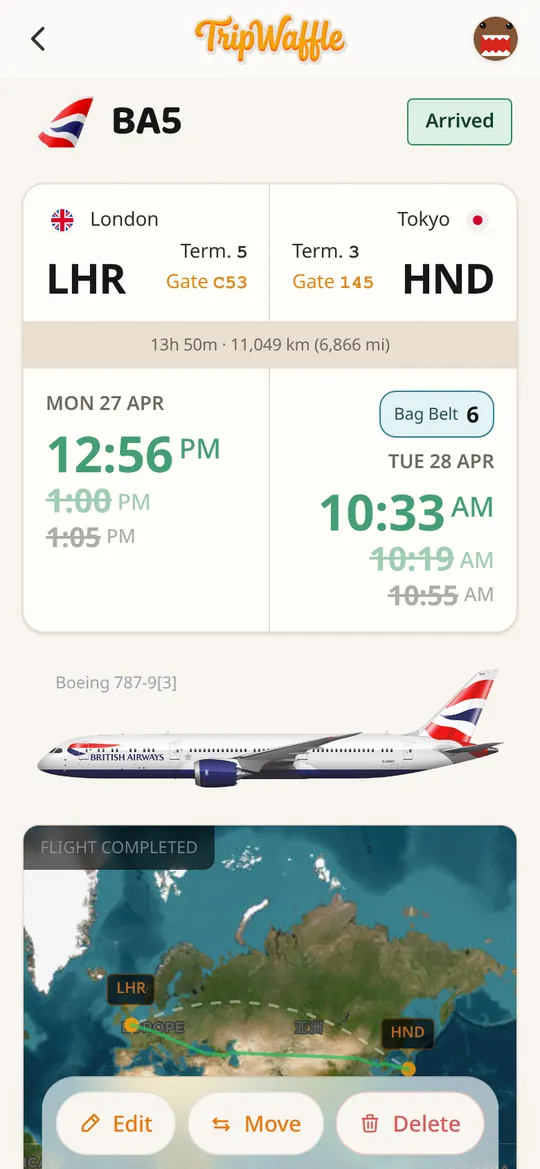
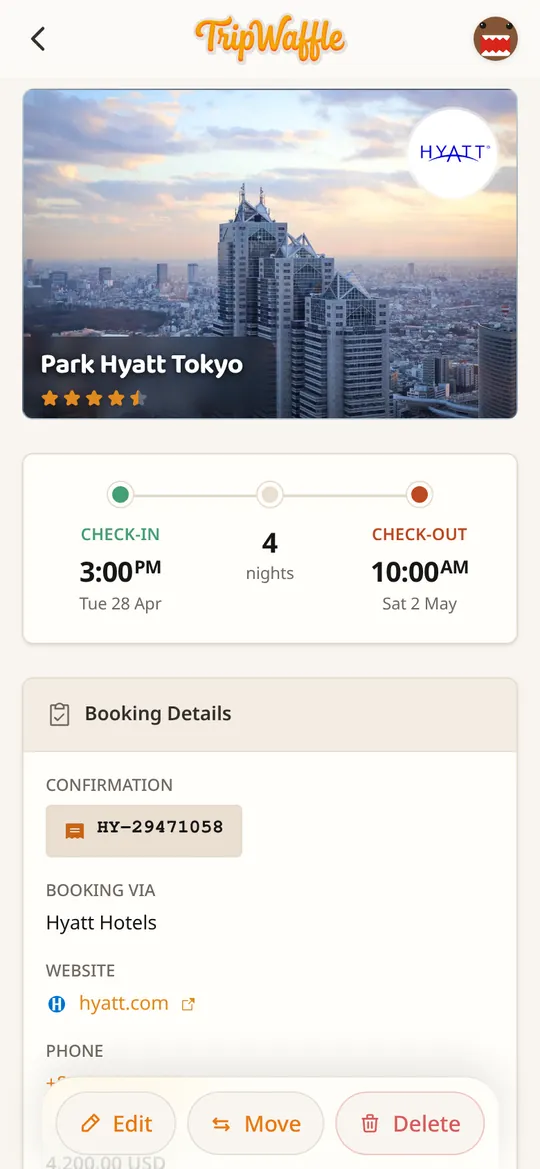
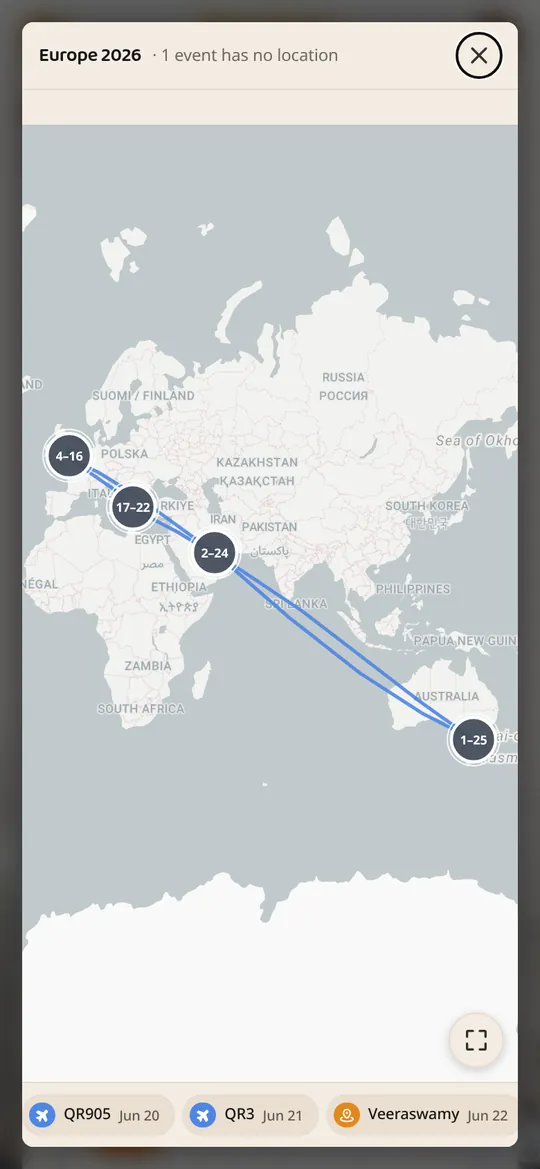
TripWaffle organizes your whole trip in one beautiful itinerary - and watches over it: government advisory alerts, the local emergency number, and entry requirements for Montenegro, plus live flight tracking. Just forward your confirmation emails.


100% free · 3 second signup
Last updated: May 27, 2026