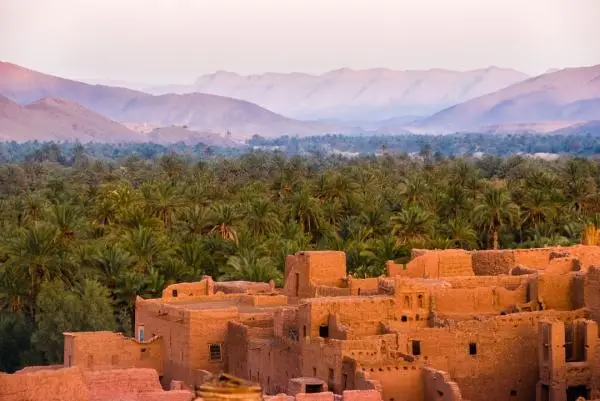
Is Morocco Safe?
Morocco is generally manageable for travelers, with most visits trouble-free, but petty theft, aggressive touting, and tourist scams are common in busy medinas and transport hubs. Violent crime against visitors is less common than nuisance crime, though women, solo travelers, and LGBTQ+ travelers may face extra social friction or safety concerns depending on place and time.
Photo: Sergey Pesterev / Unsplash
Perception vs Reality: Morocco is sometimes perceived as either very dangerous or completely easy; for most tourists the reality is in between. The main issues are usually harassment, scams, and opportunistic theft rather than serious violence.
Risk Scores
Scale: 1 = very low risk, 10 = very high risk
Safety Overview
Overall Safety
Most travelers visit Morocco without major incidents, but street hassle, overcharging, and theft in crowded areas are common enough to plan for.
Violent Crime
Violent crime affecting tourists is relatively uncommon, though robberies and assaults can happen, especially at night or in isolated areas.
Petty Crime
Pickpocketing and bag theft are the most common risks in medinas, souks, stations, and busy plazas.
Scams
Unofficial guides, fake directions, inflated taxi fares, and shop pressure are common in major tourist cities.
Night Safety
Busy central areas can feel lively at night, but quiet alleys, beaches, and poorly lit streets carry more risk after dark.
Public Transport
Trains are generally the most straightforward option between major cities; buses and shared taxis vary more in comfort, crowding, and reliability.
Police & Emergency
Tourist police are present in some major destinations, but response quality can vary by city and language can be a barrier.
Day vs Night
Daytime
Daytime is generally manageable in cities and tourist areas, though scams and petty theft are most active in crowded markets and transit points.
Nighttime
Risk rises after dark, especially in quiet medina lanes, beaches, parks, and poorly lit streets. Women and solo travelers may feel significantly less comfortable at night.
Seasonal: Peak tourist seasons and major holidays bring heavier crowds, more pickpocketing opportunity, and stronger scam pressure in Marrakech, Fes, and coastal hotspots.
Who’s Visiting?
Tourists are more likely to face scams, persistent touts, and petty theft than serious violent crime.
Common Risks
- ⚠ Pickpocketing in medinas and markets
- ⚠ Unofficial guides asking for money
- ⚠ Taxi overcharging
- ⚠ Pressure sales in tourist shops
- ⚠ Confusing directions that lead to paid 'help'
Tips
- ✓ Use official taxis or agree the fare before starting if no meter is used
- ✓ Keep phones and wallets secure in crowded souks and plazas
- ✓ Politely but firmly say no to unsolicited guiding
- ✓ Use ATMs attached to banks when possible
- ✓ Carry small change to reduce disputes
Solo women can travel in Morocco, but street harassment and unwanted attention are common in some areas, especially in medinas and at night.
Common Risks
- ⚠ Catcalling and persistent conversation
- ⚠ Men following or offering unwanted help
- ⚠ Pressure in isolated lanes or transport hubs
- ⚠ Extra vulnerability when walking alone after dark
Tips
- ✓ Use confident, direct refusals and keep moving
- ✓ Choose well-reviewed riads and hotels with easy-to-find entrances
- ✓ Avoid isolated streets and beach areas at night
- ✓ Consider arranging airport or station transfers in advance
- ✓ Dress low-key to reduce attention, especially outside resort areas
LGBTQ+ travelers usually keep a low profile; legal and social risk is more significant than street violence in tourist zones, but discretion is important.
Same-sex sexual activity is criminalized in Morocco, and public attitudes are generally conservative. Even where enforcement is inconsistent, open displays of same-sex affection can attract unwanted attention or legal trouble.
Common Risks
- ⚠ Social hostility or verbal harassment
- ⚠ Privacy risks in hotels or public spaces
- ⚠ Legal exposure linked to same-sex intimacy
- ⚠ Unwanted attention if visibly gender-nonconforming
Tips
- ✓ Avoid public displays of affection
- ✓ Choose accommodation with clear guest policies and strong reviews
- ✓ Be cautious with dating apps and avoid sharing hotel details quickly
- ✓ Keep conversations about identity private in conservative settings
- ✓ Favor larger tourist cities where anonymity is easier
Families usually find Morocco manageable, especially in established tourist circuits, but crowding, traffic, and street hassle can be tiring with children.
Common Risks
- ⚠ Children getting separated in crowded medinas
- ⚠ Traffic around city centers
- ⚠ Heat and dehydration
- ⚠ Overcharging in tourist zones
Tips
- ✓ Set a meeting point in markets and busy squares
- ✓ Use child hand-holding or carriers in dense medinas
- ✓ Book transport and guides through reputable providers
- ✓ Plan breaks during the hottest part of the day
- ✓ Stay in accommodation with easy vehicle access if traveling with small children
Digital nomads often do well in cities like Marrakech, Casablanca, Rabat, and Taghazout, but should expect occasional petty theft risk and variable street hassle.
Common Risks
- ⚠ Laptop or phone theft in cafés or shared spaces
- ⚠ Taxi fare disputes
- ⚠ Wi-Fi reliability varying by neighborhood
- ⚠ Scams aimed at foreigners renting or booking informally
Tips
- ✓ Do not leave devices unattended in cafés
- ✓ Use accommodations with strong recent reviews and secure entry
- ✓ Confirm internet quality before longer stays
- ✓ Use bank ATMs and keep backup payment methods
- ✓ Prefer rides arranged through trusted apps or hotels when arriving late
Crime & Threats
Pickpocketing
MediumCommon in crowded souks, medinas, train stations, and major tourist squares such as Jemaa el-Fnaa.
Phone Snatching
MediumNot constant, but phones are easy targets when used openly in crowded streets or from roadside cafés.
Robbery
LowLess common than theft or scams, but risk rises at night in quiet streets, beaches, or isolated viewpoints.
Assault
LowTourists are not commonly assaulted, though harassment and occasional confrontations can occur, especially after dark.
Drink Spiking
LowNot among the most frequently reported traveler risks, but nightlife settings in major cities still warrant normal caution.
Taxi Scams
HighA frequent issue in tourist cities: drivers may refuse meters, quote inflated prices, or claim no change.
ATM Skimming
MediumNot the top risk, but use bank-attached ATMs and shield your PIN, especially in busy commercial areas.
Tourist Scams
HighUnofficial guides, fake 'closed road' claims, henna overcharging, and shop commission schemes are common.
Common Scams
Unofficial guide scam
Someone offers directions, leads you through a medina, then demands payment or takes you to commission-based shops.
Use offline maps, ask at your accommodation, and decline unsolicited guiding firmly.
Taxi fare inflation
A driver refuses the meter, quotes a tourist price, or adds fees on arrival.
Use official taxis, confirm meter use or agree the fare before leaving, and keep small cash.
Henna or street performance overcharge
A service seems free or low-cost, then a much higher payment is demanded.
Do not engage unless you clearly agreed the price first.
Fake closed route
A stranger says your route is closed and offers to lead you elsewhere for money.
Check your map, walk to a shop or hotel for confirmation, and avoid following strangers into side alleys.
Shop commission diversion
Helpful locals steer you to a specific store where they receive a cut and prices are inflated.
Choose shops yourself and compare prices before buying.
Area Map
Approximate locations from public sources. Conditions vary by time of day and current events.
Area Safety
Safer Areas
Generally more orderly and less intense for scams than the main tourist-heavy cities.
Busy modern areas are usually straightforward by day, with lower tourist-targeted hassle than old medinas.
Popular with visitors and often calmer to navigate than larger medina cities.
Tourism infrastructure is familiar, though normal theft and beach-area caution still apply.
Be More Careful
High concentration of touts, pickpockets, overcharging, and confusion-based scams.
Maze-like layout makes it easier for unofficial guides and pressure tactics to target visitors.
Crowding, petty theft, and hustling are more noticeable around stations and less busy side streets.
Lower foot traffic increases vulnerability to harassment, robbery, or intimidation.
Getting Around
Walking
Walking is practical in many city centers by day, but medinas can be confusing and isolated side lanes are best avoided late at night.
Taxis & Rideshare
Taxi disputes are one of the most common traveler complaints. Prefer official taxis, ask for the meter where standard, or agree the fare clearly before departure.
Trains & Buses
ONCF trains between major cities are usually the easiest public transport option. Buses and shared taxis are common but vary more in comfort, crowding, and luggage security.
Do’s & Don’ts
Do
- Keep valuables zipped and out of sight in crowded markets
- Carry only the cash you need for the day
- Use bank ATMs and shield your PIN
- Stay in well-reviewed accommodation with easy-to-find access
- Plan evening returns before streets empty out
- Use firm, polite refusals with touts and unsolicited guides
Don’t
- Do not flash phones, jewelry, or thick wallets in souks
- Do not follow strangers into quiet alleys for shortcuts
- Do not assume a service is free unless the price is clear
- Do not walk alone in isolated areas late at night if avoidable
- Do not get into unmarked taxis without agreeing the fare
- Do not leave bags or devices unattended in cafés or stations
How Does It Compare?
Frequently Asked Questions
Usually yes, but visitors should expect scams, touts, and petty theft in busy tourist areas.
It can be, but harassment and unwanted attention are common, especially when walking alone at night.
The most common issues are pickpocketing, taxi scams, unofficial guides, and harassment in crowded tourist zones.
Data Notes
- Risk levels vary a lot between major cities, resort areas, rural areas, and specific neighborhoods.
- Reliable, current nationwide tourist-crime statistics are limited, so this profile leans on consistent traveler reporting and broad crime patterns.
- LGBTQ+ travelers may have very different experiences depending on discretion, location, and local social attitudes.
Explore Areas in Morocco
Traveling to Morocco?
TripWaffle organizes your whole trip in one beautiful itinerary - and watches over it: government advisory alerts, the local emergency number, and entry requirements for Morocco, plus live flight tracking. Just forward your confirmation emails.


100% free · 3 second signup
Last updated: May 27, 2026