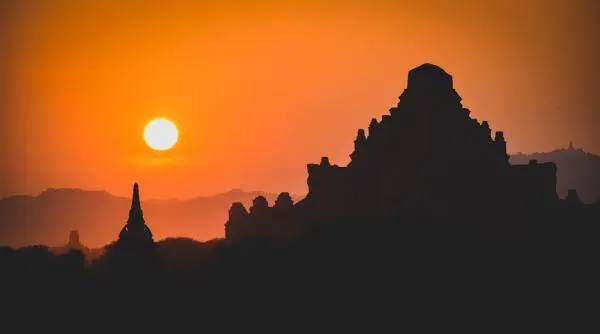
Is Bagan Safe?
Bagan is usually calmer than Myanmar's larger cities and is mainly known for temple tourism rather than street crime. The bigger safety concern is the country's unstable political and transport environment, which can affect movement, checkpoints, emergency response, and up-to-date local conditions.
Photo: Sergio Capuzzimati / Unsplash
Perception vs Reality: Bagan's temple zone often feels quiet and low-pressure on the ground, but that can hide wider country risks such as sudden transport disruption, weak emergency support, and changing security conditions.
Risk Scores
Scale: 1 = very low risk, 10 = very high risk
Safety Overview
Overall Safety
Bagan is generally lower-risk for street crime than many big urban destinations, especially in daytime tourist areas. Remote roads, weak lighting, and Myanmar's broader instability raise the risk level.
Violent Crime
Violent crime against visitors is not the main issue in Bagan, but isolated areas and nighttime travel carry more risk than busy hotel zones.
Petty Crime
Petty theft can happen around transport points, markets, and busy temple stops. Keep phones, cash, and bags secure when moving between sites.
Scams
Most problems are low-level tourist overcharging rather than sophisticated fraud. Prices for taxis, e-bikes, and informal guiding should be agreed clearly in advance.
Night Safety
Nighttime is meaningfully less safe than daytime because roads are dark, temple areas are isolated, and help may be far away. Limit unnecessary movement after dark.
Public Transport
Transport is functional but can be inconsistent. Use reputable hotel-arranged cars or known operators when possible, especially for airport, bus, or evening transfers.
Police & Emergency
Formal support can be limited and slower than travelers may expect. In practice, hotel staff and established tour operators are often the quickest source of help and local guidance.
Day vs Night
Daytime
Daytime is usually the safest time to explore. Main risks are heat, road safety, and minor overcharging rather than serious crime.
Nighttime
Night brings a clear drop in safety due to dark roads, isolated temple zones, fewer people around, and more limited assistance. Pre-arranged transport is strongly preferable.
Seasonal: Hot season raises dehydration risk, while rainy periods can make roads slippery and movement slower. National political events or security crackdowns can change travel conditions with little notice.
Who’s Visiting?
Most visitors experience Bagan without serious crime, but travel planning should account for isolation, transport issues, and shifting national conditions.
Common Risks
- ⚠ Overcharging for taxis, e-bikes, and tours
- ⚠ Theft from unattended bags at viewpoints or cafes
- ⚠ Night travel on dark roads
- ⚠ Outdated or unclear local security information
Tips
- ✓ Use accommodation-arranged transport for late arrivals
- ✓ Carry small cash and confirm prices before the ride or tour starts
- ✓ Do not leave bags or helmets unattended at temples
- ✓ Check same-day local conditions through your hotel before long outings
Solo women often find Bagan manageable by day, but isolation and limited nightlife infrastructure make evenings less comfortable and less predictable.
Common Risks
- ⚠ Harassment or unwanted attention in isolated areas
- ⚠ Being stranded after dark without reliable transport
- ⚠ Drink tampering risk in bars, though nightlife is limited
- ⚠ Pressure from informal guides or drivers
Tips
- ✓ Prefer daytime temple visits and return before dark
- ✓ Use a trusted driver or hotel-booked ride if going out in the evening
- ✓ Share your route if exploring outer temple roads
- ✓ Choose accommodation in established hotel areas rather than isolated stays
Bagan is conservative and public visibility may draw attention. Social risk is usually more relevant than direct confrontation, but the legal and political context in Myanmar is not traveler-friendly.
Myanmar has had restrictive laws and conservative attitudes affecting LGBTQ people; enforcement and local practice can be inconsistent. Discretion is generally the safer approach, especially outside hotel settings.
Common Risks
- ⚠ Stares or intrusive curiosity
- ⚠ Limited privacy in small guesthouses or local transport
- ⚠ Weak recourse if harassed
- ⚠ Unclear local attitudes outside tourist-facing businesses
Tips
- ✓ Keep displays of affection low-key in public
- ✓ Book well-reviewed hotels with experience hosting foreign travelers
- ✓ Rely on established tourism businesses rather than informal operators
- ✓ Check current local climate before travel, as national conditions can shift
Families usually face more practical than criminal risks in Bagan, especially heat, road safety, and the distance between temple sites.
Common Risks
- ⚠ Children wandering near roads or temple steps
- ⚠ Heat exposure and dehydration
- ⚠ Poorly lit areas after sunset
- ⚠ Limited immediate help in remote parts of the site zone
Tips
- ✓ Plan temple visits early morning or late afternoon to avoid peak heat
- ✓ Keep children close around roads, stairs, and uneven temple grounds
- ✓ Use car transport with children rather than relying only on e-bikes
- ✓ Stay in accommodation with reliable backup power and transport support
Bagan is better for short scenic stays than for highly dependable remote work. Connectivity, power, and country conditions can be less predictable than in major regional hubs.
Common Risks
- ⚠ Internet instability
- ⚠ Power cuts or weak backup systems
- ⚠ Cash reliance and limited banking options
- ⚠ Transport disruptions affecting arrival or departure plans
Tips
- ✓ Confirm Wi-Fi speed and backup power before booking
- ✓ Keep offline maps and key documents on your phone
- ✓ Carry enough cash for a few days
- ✓ Avoid tight onward travel schedules in case transport changes suddenly
Crime & Threats
Pickpocketing
MediumMost likely around markets, bus points, and crowded tourist stops rather than deep in the temple plain.
Phone Snatching
LowLess common than in larger Southeast Asian cities, but phones left visible on bikes or cafe tables are easy targets.
Robbery
LowStreet robbery is not a defining problem for visitors, though isolated roads at night raise vulnerability.
Assault
LowAssault risk is generally low in normal tourist activity, but remote areas and late-night movement increase exposure.
Drink Spiking
LowNightlife is limited, which keeps this risk lower, but never leave drinks unattended in bars or guesthouse events.
Taxi Scams
MediumOvercharging, vague pricing, and detours are more likely than aggressive scams. Confirm fare and route first.
ATM Skimming
LowUse ATMs attached to banks or established hotels when possible, as machine reliability and oversight can vary.
Tourist Scams
MediumExpect inflated quotes for transport, souvenirs, and informal guiding, especially where visitors are concentrated.
Common Scams
Inflated taxi or e-bike pricing
Drivers or rental operators quote a high price, then add extra charges for waiting time, fuel, or drop-off changes.
Set the full price, route, and return terms before starting. Ask your hotel what a normal rate looks like.
Informal guide pressure at temple sites
Someone starts explaining a temple or offering photo help, then demands payment or pushes you toward specific shops.
Politely decline early if you do not want a guide. Use licensed or hotel-arranged guides when you do.
Overpriced souvenirs and 'special access' offers
Vendors claim certain goods, viewpoints, or routes are exclusive and use urgency to raise prices.
Compare prices at a few stalls and do not pay extra for vague promises or unofficial access.
Transport hub confusion over tickets or onward rides
Middlemen intercept arriving travelers and steer them into costlier rides or unclear booking arrangements.
Use direct hotel pickup when possible and confirm driver details before arrival.
Area Map
Approximate locations from public sources. Conditions vary by time of day and current events.
Area Safety
Safer Areas
More accommodation density, regular tourist traffic, and easier access to booked transport.
Busy with visitors and vendors during daylight, making it easier to find help and less isolated.
Active local area with shops, banks, and transport options, though still watch belongings.
Be More Careful
Poor lighting, sparse traffic, and limited immediate assistance if a problem occurs.
Easy to become separated from crowds, especially around sunrise or sunset.
More likely place for overcharging, confusion, and petty theft during arrivals and departures.
Getting Around
Walking
Walking is fine around hotel areas and specific temple stops in daylight, but distances are large and roads can be uneven or poorly lit.
Taxis & Rideshare
Use known drivers, hotel-booked cars, or clearly identified operators. Agree the fare before departure and avoid last-minute haggling at stations late at night.
Trains & Buses
Long-distance transport can be less predictable than travelers expect. Confirm schedules locally and avoid arriving into Bagan very late if possible.
Do’s & Don’ts
Do
- Stay in established hotel areas with reliable transport support
- Carry water, sun protection, and enough cash for the day
- Use offline maps because mobile coverage can be inconsistent
- Secure phones and bags when stopping at temples or cafes
- Check current local conditions with your accommodation before side trips
Don’t
- Do not explore remote temple roads alone late at night
- Do not assume city-level emergency response or transport availability
- Do not leave valuables on e-bikes or unattended in baskets
- Do not rely on a single ATM or last-minute cash withdrawal
- Do not treat national instability as irrelevant just because Bagan feels calm
How Does It Compare?
Safer Than
Riskier Than
Bagan is usually calmer than Myanmar's major cities for street crime, but broader national instability makes it less predictable than comparable heritage destinations elsewhere in the region.
Frequently Asked Questions
Usually safer than Myanmar's big cities for street crime, but national instability and weak nighttime conditions mean careful planning is needed.
Night is notably less safe than day because roads are dark, temple areas are isolated, and transport options are thinner.
The most common issues are inflated taxi or e-bike prices, informal guide pressure, and overcharging at transport points.
Data Notes
- Local conditions in Myanmar can change quickly, and independent, recent area-level safety reporting for Bagan is limited.
- Risk can vary depending on current political developments, checkpoints, and transport disruptions on the dates of travel.
- LGBTQ legal enforcement and day-to-day treatment can be inconsistent and are not always clearly documented for Bagan specifically.
- Some transport, banking, and emergency support details may differ significantly by hotel area and season.
Other Destinations in Myanmar
Traveling to Bagan?
TripWaffle organizes your whole trip in one beautiful itinerary - and watches over it: government advisory alerts, the local emergency number, and entry requirements for Bagan, plus live flight tracking. Just forward your confirmation emails.


100% free · 3 second signup
Last updated: May 27, 2026