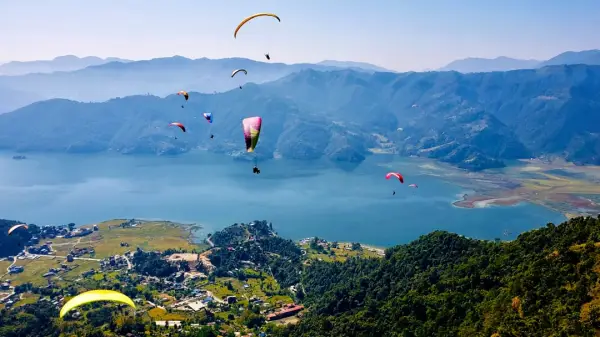
Is Pokhara Safe?
Pokhara is generally one of Nepal's safer and more relaxed cities for travelers, especially around the main tourist areas near Phewa Lake. Most safety issues are low-level theft, transport hazards, trekking-related problems, and occasional harassment rather than serious violent crime.
Photo: Kaushal Subedi / Unsplash
Perception vs Reality: Pokhara's laid-back tourist image is mostly accurate, but visitors sometimes underestimate road safety, late-night intoxication around Lakeside, and the need to vet trekking and transport arrangements.
Risk Scores
Scale: 1 = very low risk, 10 = very high risk
Safety Overview
Overall Safety
Pokhara is usually safe for visitors, with a calmer feel than larger Nepali cities. Main concerns are petty theft, transport safety, and late-night situations around bars.
Violent Crime
Serious violent crime affecting travelers is uncommon. Most incidents are opportunistic rather than targeted attacks.
Petty Crime
Bag theft, unattended item theft, and occasional pickpocketing can happen in busy tourist zones, markets, and transport hubs. Keep phones and wallets secure in crowded places.
Scams
Scams are usually low-pressure: inflated taxi fares, trekking overcharges, poor-quality tour bookings, and commission-driven shop referrals. Confirm prices and inclusions in advance.
Night Safety
Lakeside is active and usually manageable at night, but risk rises after heavy drinking, on dim side streets, and when walking alone far from the main strip. Use a trusted taxi after late nights.
Public Transport
Crime on local buses is not the main issue; road conditions, driving standards, and crowding are bigger concerns. Tourist buses and prearranged transport are usually easier and safer.
Police & Emergency
Tourist police support is available in Nepal's main visitor areas, including Pokhara, but response can be uneven. Keep hotel details, transport contacts, and travel insurance information handy.
Day vs Night
Daytime
Daytime is generally low risk in central Pokhara, especially in Lakeside and around established tourist businesses. Traffic and road crossing are bigger concerns than crime.
Nighttime
Night is usually fine in busy parts of Lakeside, but risk rises with alcohol, dim lanes, and long walks away from the main strip. Solo travelers often prefer taxis after late hours.
Seasonal: Monsoon season increases landslide, flooding, slippery roads, and transport disruption risks. Festivals and peak tourist periods bring heavier crowds, more touts, and more petty theft opportunities.
Who’s Visiting?
Tourists generally find Pokhara easy to navigate and low stress, especially around Lakeside and established trekking businesses.
Common Risks
- ⚠ Overpriced taxis
- ⚠ Unclear trekking or paragliding terms
- ⚠ Theft of unattended bags
- ⚠ Late-night drunken disputes nearby
Tips
- ✓ Use reputable trekking, rafting, and flight operators
- ✓ Agree taxi fares before departure if no meter is used
- ✓ Do not leave bags or phones unattended in cafes
- ✓ Keep copies of passport and permits separate from originals
Many solo women travel comfortably in Pokhara, but unwanted attention and nighttime discomfort can still happen, especially outside the main tourist areas.
Common Risks
- ⚠ Staring or persistent conversation
- ⚠ Harassment after dark
- ⚠ Pressure from touts or guides
- ⚠ Isolation on trails without planning
Tips
- ✓ Choose well-reviewed accommodation in central areas
- ✓ Prefer taxis over isolated walks late at night
- ✓ Be clear and firm with unwanted attention
- ✓ Share trekking plans and return times with your hotel
Pokhara is usually manageable for LGBTQ travelers, particularly in tourist-facing businesses, but broader social attitudes can still be conservative.
Nepal is relatively progressive in South Asia on LGBTQ rights, but social acceptance is uneven and public displays of affection may still draw attention.
Common Risks
- ⚠ Staring or intrusive questions
- ⚠ Inconsistent acceptance outside tourist spaces
- ⚠ Discomfort in conservative lodging or transport settings
Tips
- ✓ Use established hotels and tour companies with international clientele
- ✓ Keep public affection low-key in conservative settings
- ✓ If a venue feels uncomfortable, leave rather than argue
- ✓ Seek local LGBTQ-friendly recommendations before nightlife plans
Pokhara works well for families thanks to its slower pace, open lakeside areas, and broad tourist infrastructure.
Common Risks
- ⚠ Traffic around busy roads
- ⚠ Boating and lakeside slips
- ⚠ Loose dogs or uneven sidewalks
- ⚠ Adventure activity operators with uneven standards
Tips
- ✓ Watch children closely near the lake and roads
- ✓ Use life jackets on boats
- ✓ Book adventure activities only with reputable operators
- ✓ Carry basics like water, sun protection, and cash
Pokhara is popular with digital nomads for its relaxed base, but power cuts, internet inconsistency, and casual theft are more relevant than street crime.
Common Risks
- ⚠ Laptop theft from unattended workspaces
- ⚠ Wi-Fi outages
- ⚠ Power reliability issues
- ⚠ Informal rental misunderstandings
Tips
- ✓ Do not leave devices unattended in cafes
- ✓ Check backup power and internet before booking long stays
- ✓ Use accommodation safes where available
- ✓ Confirm rent, utilities, and checkout terms in writing
Crime & Threats
Pickpocketing
MediumNot rampant, but possible in crowded markets, festivals, bus areas, and busy parts of Lakeside.
Phone Snatching
LowLess common than in many big cities, but keep your phone secure on roadsides and from open vehicle windows.
Robbery
LowStreet robbery against visitors is uncommon, though intoxication and isolated areas can raise risk.
Assault
LowAssault risk is generally low, with occasional incidents linked to nightlife, disputes, or reckless driving rather than random attacks.
Drink Spiking
MediumReports are not widespread, but nightlife precautions are sensible. Watch your drink and avoid going home with strangers.
Taxi Scams
MediumOvercharging and fare inflation are more common than serious fraud. Agree the price before getting in.
ATM Skimming
LowRisk appears limited, but use bank-attached ATMs and shield your PIN.
Tourist Scams
MediumThe main issues are commission-driven referrals, inflated adventure or trekking prices, and vague promises about inclusions.
Common Scams
Taxi fare inflation
Drivers quote a high flat fare, especially from tourist areas, airports, or bus stations.
Ask your hotel for a normal price range and agree the fare before the ride starts.
Commission-based shop or tour referrals
A friendly stranger or driver steers you to a specific shop, agency, or hotel for commission.
Choose businesses based on reviews and compare a few options before booking.
Unclear trekking or adventure inclusions
A tour sounds cheap until gear, transport, permits, or guide costs are added later.
Get the full price and inclusions in writing before paying a deposit.
Fake urgency for booking
You are told the last seat or last permit is available to push a quick payment.
Take time to verify with another agency or your accommodation before paying.
Area Map
Approximate locations from public sources. Conditions vary by time of day and current events.
Area Safety
Safer Areas
Main tourist district with plenty of hotels, restaurants, and foot traffic; usually the easiest area for visitors.
Tourist-oriented and generally calm, with easier access to services and accommodation.
Be More Careful
Crowding, confusion, touts, and petty theft risk are higher than in the lakefront tourist zone.
Useful local shopping areas, but more congested and easier places to lose track of bags, phones, and cash.
Less lighting and fewer people make them less comfortable after bars close.
Getting Around
Walking
Walking is generally comfortable in tourist areas during the day, but sidewalks can be uneven and traffic can be unpredictable. Carry a light if returning on darker roads.
Taxis & Rideshare
Taxis are common, but fares may be quoted high for visitors. Confirm the fare first and use your hotel or a reputable business to call one when possible.
Trains & Buses
Pokhara has no major urban train system. Local buses are cheap but crowded and less comfortable; tourist buses and private transport are usually better choices for visitors.
Do’s & Don’ts
Do
- Stay in central, reviewed accommodation if arriving late
- Agree taxi prices before the trip
- Keep valuables zipped and close in crowded areas
- Use reputable operators for trekking and adventure sports
- Carry small cash and keep backup cards separate
- Plan extra time for weather and road delays
Don’t
- Do not leave bags or laptops unattended in cafes
- Do not walk isolated roads late at night after drinking
- Do not assume all trekking agencies offer the same standards
- Do not flash large amounts of cash
- Do not rely on public transport schedules being exact
How Does It Compare?
Frequently Asked Questions
Yes, Pokhara is generally safe for tourists, with petty theft and transport issues more common than serious violent crime.
Busy parts of Lakeside are usually manageable at night, but isolated streets and late-night walks after drinking are less comfortable.
Usually yes, especially in central tourist areas, though unwanted attention and nighttime discomfort can still occur.
Data Notes
- Reliable neighborhood-level crime data for Pokhara is limited, so area-specific risk is based largely on traveler patterns and local reputation.
- Scam frequency varies by season and tourist volume, especially around trekking, transport, and adventure sports.
- LGBTQ social comfort can differ widely between tourist-facing venues and more conservative local settings.
Other Destinations in Nepal
Traveling to Pokhara?
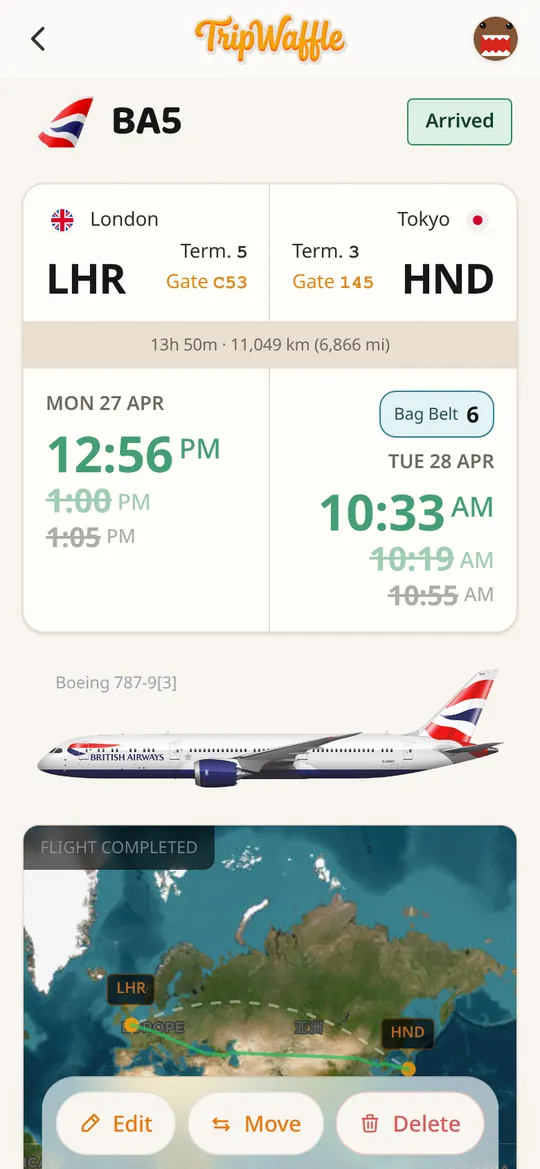
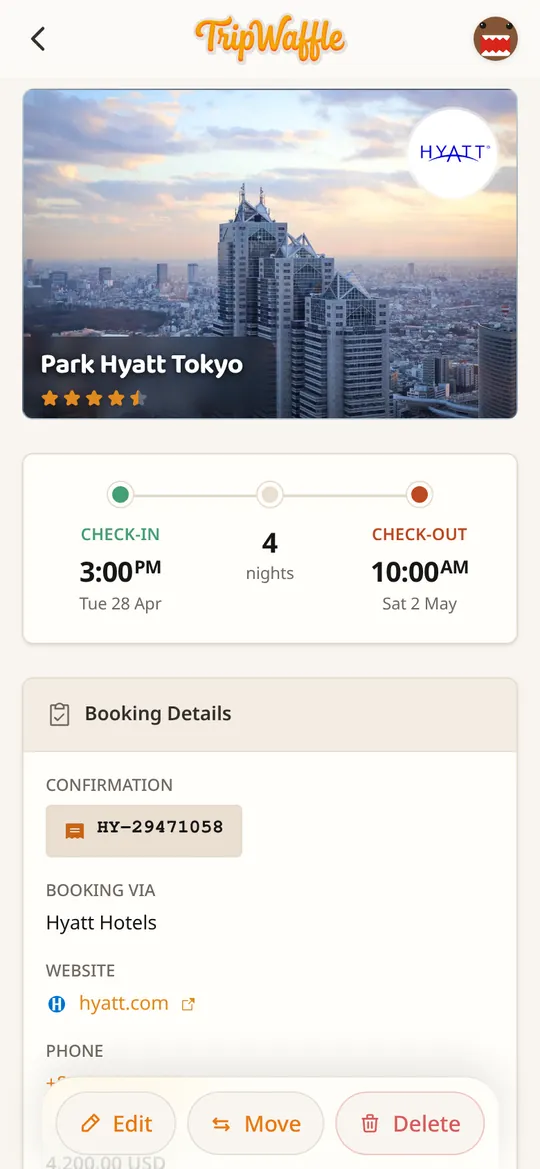
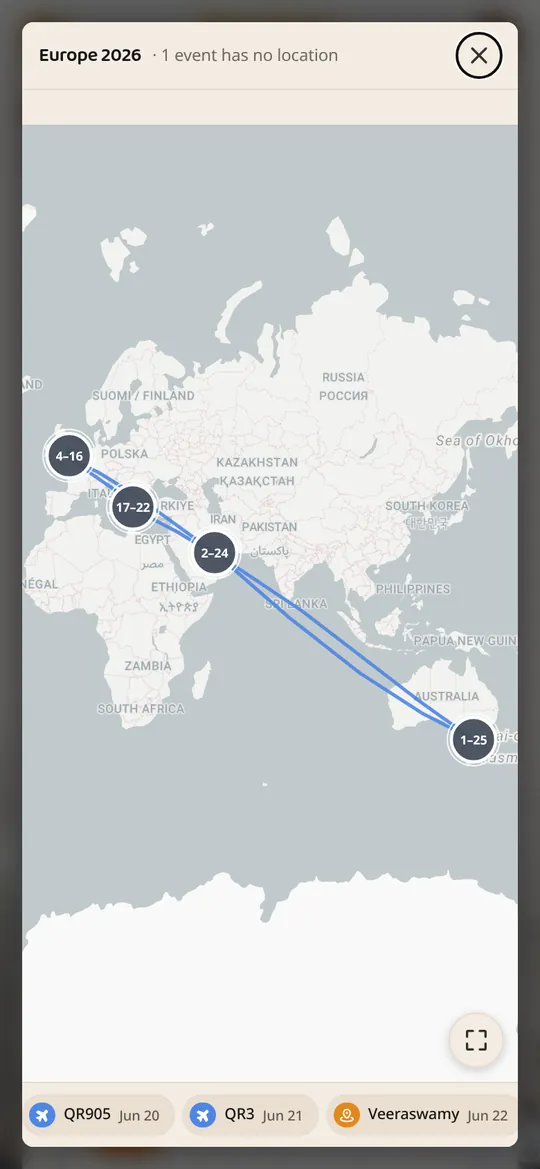
TripWaffle organizes your whole trip in one beautiful itinerary - and watches over it: government advisory alerts, the local emergency number, and entry requirements for Pokhara, plus live flight tracking. Just forward your confirmation emails.


100% free · 3 second signup
Last updated: May 27, 2026