Is New Zealand Safe?
New Zealand is generally very safe for travelers, with low levels of violent crime and relatively few serious scams. The main issues are car break-ins, theft in city centers and tourist parking areas, alcohol-related trouble late at night, and road or outdoor safety risks that visitors sometimes underestimate.
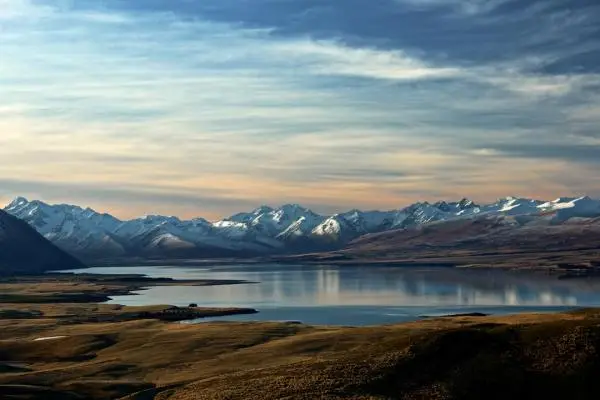
Photo: Tobias Keller / Unsplash
Perception vs Reality: New Zealand's safe reputation is mostly deserved, but it is not crime-free. Visitors are more likely to face theft from cars, late-night disorder, or driving and weather-related problems than serious violent crime.
Risk Scores
Scale: 1 = very low risk, 10 = very high risk
Safety Overview
Overall Safety
New Zealand is one of the safer countries for travel. Most visits are trouble-free, with theft and transport or outdoor mishaps more common than violent crime.
Violent Crime
Violent crime affecting visitors is uncommon. Risk rises around bars, intoxicated crowds, and isolated places late at night.
Petty Crime
Petty theft is the most realistic crime risk, especially from parked cars, hostels, and busy central areas. Do not leave bags, passports, or electronics visible in vehicles.
Scams
Street scams are limited compared with many tourist-heavy countries. The more likely problems are fake accommodation listings, card issues, and occasional taxi overcharging.
Night Safety
City centers are usually manageable at night, but nightlife strips can get rowdy after midnight. Use a booked ride home rather than walking alone through quiet streets or after heavy drinking.
Public Transport
Public transport is generally safe, though coverage is limited outside major cities. Keep an eye on bags at stations and on late services.
Police & Emergency
Police and emergency response are generally reliable. The emergency number is 111.
Day vs Night
Daytime
Daytime is low risk in most cities, towns, and tourist areas. Theft from unattended cars and bags is a more realistic concern than personal attack.
Nighttime
Nighttime remains fairly safe in most places, but risk rises around bar areas, poorly lit streets, and quiet transport zones after midnight.
Seasonal: Summer and holiday periods bring busier beaches, nightlife, and tourist parking areas, which can mean more theft opportunity. Weather can change quickly year-round, especially in alpine and coastal areas.
Who’s Visiting?
Tourists are unlikely to face serious crime, but they are common targets for opportunistic theft and are vulnerable to driving and weather mistakes.
Common Risks
- ⚠ Theft from rental cars at scenic stops
- ⚠ Bag theft in hostels or shared spaces
- ⚠ Late-night disorder in entertainment districts
- ⚠ Underestimating mountain, beach, and road conditions
Tips
- ✓ Keep nothing visible in parked cars, even for short stops
- ✓ Book accommodation and activities through reputable platforms
- ✓ Avoid leaving passports or electronics in hostel common areas
- ✓ Check road, weather, and trail conditions before day trips
New Zealand is generally comfortable for solo women travelers, especially in daytime and in established tourist areas. The main concerns are intoxicated behavior at night and isolated walking routes.
Common Risks
- ⚠ Harassment from drunk people in nightlife areas
- ⚠ Walking alone through quiet streets late at night
- ⚠ Drink tampering or unwanted attention in bars
Tips
- ✓ Prefer licensed taxis or app-booked rides after a night out
- ✓ Watch your drink and avoid accepting open drinks from strangers
- ✓ Choose central accommodation with good reviews and late check-in security
- ✓ Share route details for remote hikes or drives
New Zealand is one of the more LGBTQ-friendly destinations in the region, with broad legal protections and generally accepting urban environments.
Same-sex relationships and gender diversity are legally recognized, and major cities are broadly accepting. Social risk is usually low, though smaller towns and intoxicated nightlife settings can be less comfortable.
Common Risks
- ⚠ Occasional verbal harassment
- ⚠ More conservative attitudes in some rural areas
- ⚠ Nightlife-related harassment from intoxicated groups
Tips
- ✓ Urban centers like Auckland and Wellington tend to be the easiest places for nightlife and social comfort
- ✓ Use standard late-night precautions around bars and clubs
- ✓ If visiting rural areas, read recent accommodation reviews for atmosphere and inclusivity
New Zealand is a strong family destination with low crime risk in most places. Practical safety is more about roads, water, and outdoor conditions than street crime.
Common Risks
- ⚠ Car theft or break-ins during sightseeing stops
- ⚠ Cold water, strong surf, and changing weather
- ⚠ Long drives causing fatigue
Tips
- ✓ Do not leave strollers, bags, or devices in the car
- ✓ Swim only at patrolled beaches when possible
- ✓ Plan shorter driving days and avoid rushing on unfamiliar roads
- ✓ Carry layers and rain gear even on short outings
New Zealand is generally safe for remote workers, with low personal crime risk and good day-to-day livability in major cities. Costs and vehicle security are often bigger concerns than personal safety.
Common Risks
- ⚠ Laptop theft from cars or shared accommodation
- ⚠ Occasional theft in cafés or coworking spaces
- ⚠ Limited transport options outside main cities
Tips
- ✓ Do not work with devices unattended in cafés
- ✓ Pick accommodation with secure parking if renting a car
- ✓ Use well-reviewed coworking spaces in Auckland, Wellington, or Christchurch
- ✓ Back up data and avoid public Wi-Fi for sensitive work without protection
Crime & Threats
Pickpocketing
LowLess common than in many European tourist cities, but still possible in crowded urban areas and on busy nightlife streets.
Phone Snatching
LowPhone snatching is not a standout problem, though keeping devices secure in busy areas and at bars is sensible.
Robbery
LowStreet robbery affecting visitors is uncommon. Risk is higher if walking alone while intoxicated in poorly lit areas late at night.
Assault
LowAssault risk is generally low for travelers, with most incidents linked to alcohol, nightlife disputes, or domestic situations rather than targeted attacks on visitors.
Drink Spiking
MediumNot widespread, but reported often enough in nightlife settings to take seriously. Keep your drink with you and leave if a venue feels off.
Taxi Scams
LowTaxi scams are relatively uncommon, though occasional overcharging or long-route issues can happen. Use licensed taxis or rideshare apps where available.
ATM Skimming
LowATM skimming is not a major visitor issue, but use bank ATMs and cover your PIN in city centers and convenience locations.
Tourist Scams
LowAggressive tourist scams are limited. Online booking fraud and fake accommodation listings are more likely than street hustles.
Common Scams
Fake accommodation listing
A fake rental or holiday stay is advertised online at an attractive price, then payment is requested outside the booking platform.
Use reputable booking sites, avoid direct bank transfer to unknown hosts, and be wary of prices far below similar listings.
Taxi overcharge or long-route ride
A driver takes a longer route or adds charges when the passenger is unfamiliar with the city.
Use licensed operators or rideshare apps, check the route on your phone, and ask for an estimate before departure.
Card surcharge surprise
A business adds an unexpected card fee or pushes an unfavorable payment method at the counter.
Ask about surcharges before paying and choose local-currency card payment rather than unnecessary conversion options.
Area Map
Approximate locations from public sources. Conditions vary by time of day and current events.
Area Safety
Safer Areas
Well-trafficked, tourism-focused, and generally easy to navigate, though nightlife still needs standard care.
Busy, visible, and typically comfortable during the day with plenty of foot traffic.
Many have low street-crime exposure, though they can be quiet at night and far from services.
Be More Careful
Higher concentration of theft, anti-social behavior, and late-night incidents than much of the country.
Usually fine earlier in the evening, but can become disorderly after bars close.
Car break-ins are a recurring issue where tourists leave luggage in rental vehicles.
Getting Around
Walking
Walking is generally safe in central areas during the day. At night, stick to busy streets, especially in larger city centers and nightlife districts.
Taxis & Rideshare
Licensed taxis and mainstream rideshare apps are usually reliable. Check the plate, route, and fare estimate before getting in.
Trains & Buses
Urban buses and trains are generally safe, though some stations and late services can feel uncomfortable rather than dangerous. Services are limited in many parts of the country, so travelers often rely on cars.
Do’s & Don’ts
Do
- Lock cars and keep all belongings out of sight
- Use licensed taxis or app-booked rides at night
- Store passports, cash, and electronics securely
- Check weather, road, and trail conditions before trips
- Stay in busy, well-lit areas after dark
Don’t
- Do not leave luggage in a rental car at scenic stops
- Do not walk drunk and alone through quiet nightlife areas
- Do not assume mountain, surf, or driving conditions are easy
- Do not book accommodation through suspicious direct-payment requests
- Do not leave drinks unattended in bars or clubs
How Does It Compare?
Safer Than
New Zealand is low risk by global standards, but it has more property crime and more remote-road and outdoor exposure than ultra-low-risk destinations.
Frequently Asked Questions
Yes. Most visits are trouble-free, with theft from cars and occasional late-night disorder more likely than serious violent crime.
Generally yes, especially in daytime and established tourist areas. Use extra care around bars, quiet streets, and remote areas at night.
For many visitors, the biggest practical risks are theft from parked cars, nightlife-related incidents, and road or outdoor safety mistakes.
Data Notes
- Risk levels vary noticeably by city, suburb, and nightlife area, so a country-level summary can hide local differences.
- Public transport safety is generally good, but service quality and coverage vary widely outside main urban centers.
- Outdoor and driving hazards are significant for visitors but are not fully captured by crime-focused risk scores.
Explore Areas in New Zealand
Traveling to New Zealand?
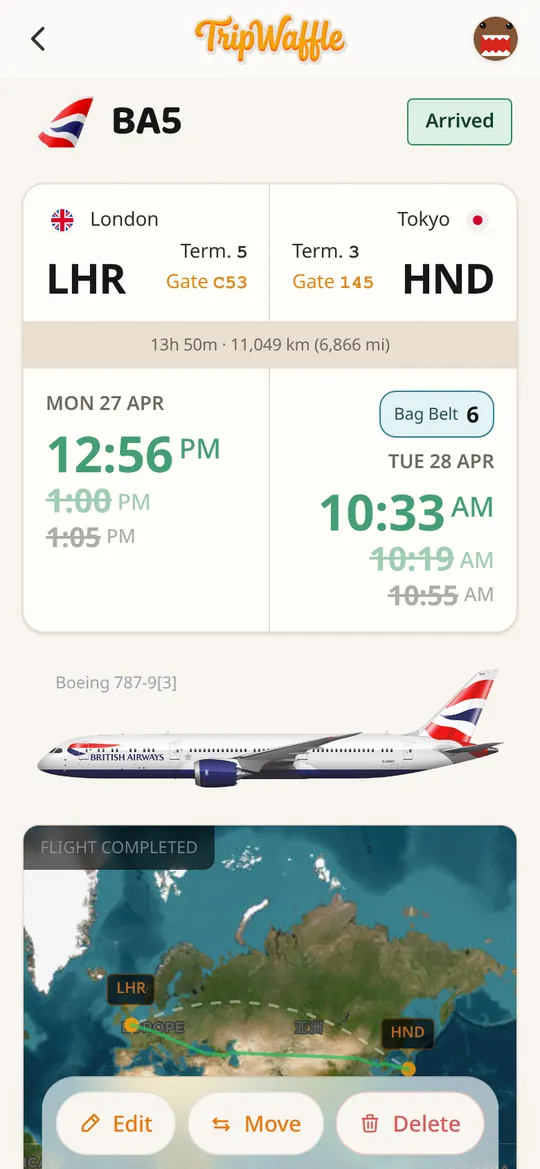
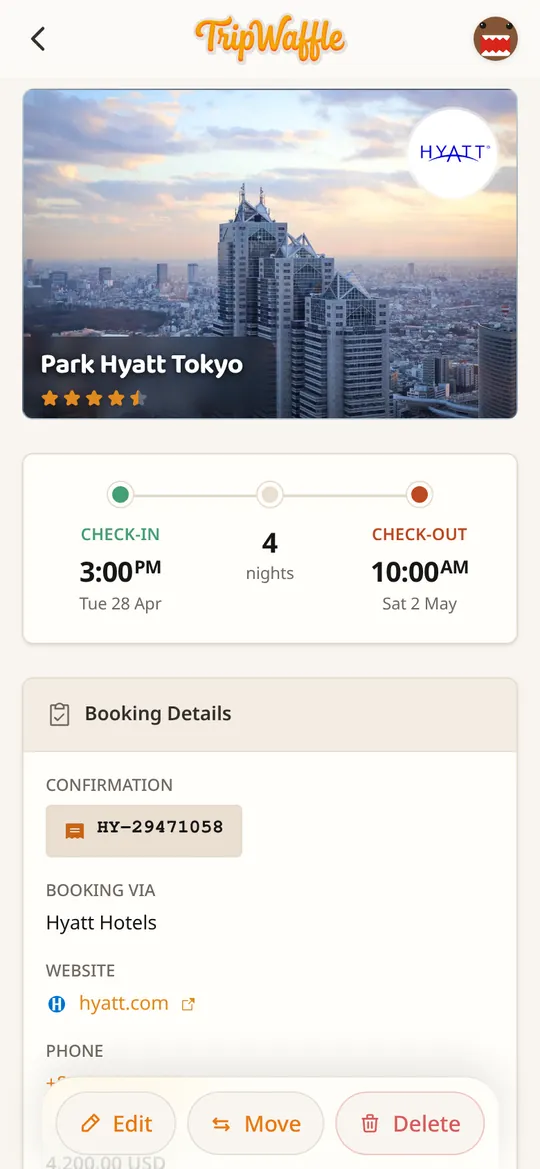
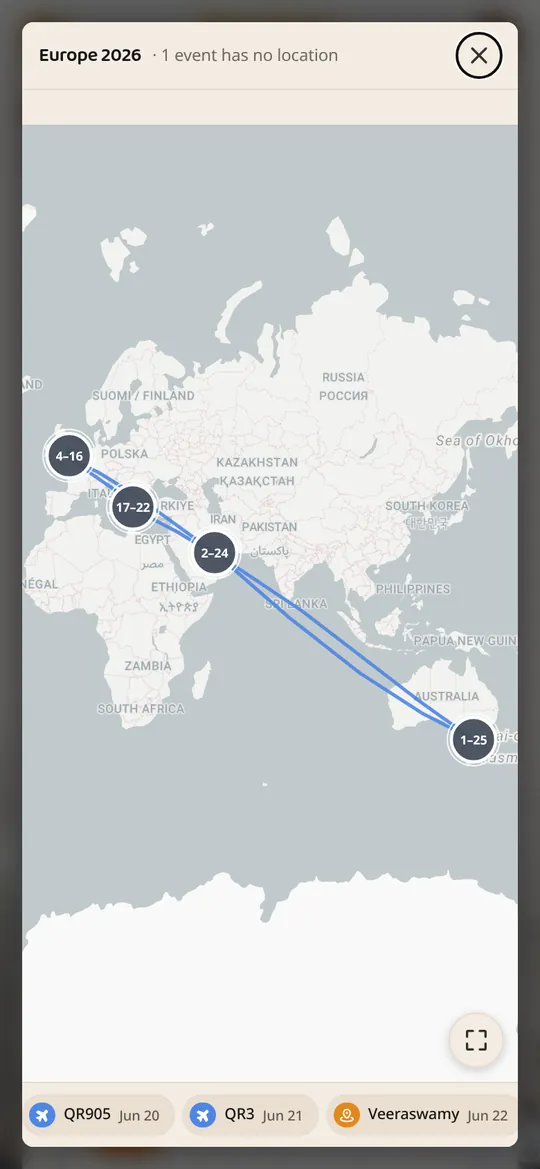
TripWaffle organizes your whole trip in one beautiful itinerary - and watches over it: government advisory alerts, the local emergency number, and entry requirements for New Zealand, plus live flight tracking. Just forward your confirmation emails.


100% free · 3 second signup
Last updated: May 27, 2026