
Is Panama City Safe?
Panama City is manageable for most travelers, but safety varies sharply by neighborhood and time of day. Tourist and business districts are usually fine with normal precautions, while petty theft, phone snatching, and occasional robberies are the main concerns, especially after dark or in less affluent areas.
Photo: Luis Aleman / Unsplash
Perception vs Reality: The city is often perceived as more dangerous than it feels in central business and tourist zones, but that can create complacency. Most serious violence is localized, yet a wrong turn into higher-risk neighborhoods can change the risk level quickly.
Risk Scores
Scale: 1 = very low risk, 10 = very high risk
Safety Overview
Overall Safety
Generally manageable in main districts, but risk rises in crowded transit areas, nightlife zones, and poorer neighborhoods. Keep plans neighborhood-specific rather than assuming the whole city feels the same.
Violent Crime
Violent crime exists but is more often linked to local disputes and specific higher-risk areas than to random attacks on visitors. Street robbery can happen if you look distracted or isolated.
Petty Crime
Pickpocketing, bag theft, and phone snatching are the most common issues for visitors. Crowded buses, terminals, markets, and nightlife areas deserve extra attention.
Scams
Taxi overcharging, meter refusal, distraction theft, and card fraud are the most practical concerns. Use app-based rides or agree on the fare before the trip.
Night Safety
Nighttime risk is notably higher than daytime risk, especially outside busy zones like Casco Viejo or major hotel districts. Walking alone on quiet streets after bars close is a weak point.
Public Transport
The Metro is relatively straightforward and safer than many regional systems, but buses and transfer points can be crowded and attract theft. Keep valuables out of sight and avoid empty stations late at night.
Police & Emergency
Police presence is visible in central and tourist areas, but response quality can vary by district and language barriers can slow reporting. Keep your accommodation address and a local contact saved offline.
Day vs Night
Daytime
Daytime is usually straightforward in business districts, malls, the waterfront, and main tourist areas. Keep an eye on bags in busy zones and avoid wandering into unfamiliar neighborhoods on foot.
Nighttime
Night brings a clear jump in risk, especially on quiet side streets, around bars at closing time, and outside core hotel districts. Use rideshare or a registered taxi rather than walking longer distances.
Seasonal: Carnival, major festivals, football matches, and holiday weekends can increase theft, drunken behavior, and transport crowding. Heavy rain can flood streets and make rerouting harder.
Who’s Visiting?
Most tourists visit without major problems if they stay in well-known areas and manage valuables carefully.
Common Risks
- ⚠ Pickpocketing in crowded areas
- ⚠ Taxi overcharging
- ⚠ Phone snatching from the street or from car windows
- ⚠ Wrong turns into higher-risk neighborhoods
Tips
- ✓ Base yourself in a central area with good foot traffic and transport links.
- ✓ Use rideshare or registered taxis at night.
- ✓ Carry only what you need for the day.
- ✓ Check your route before walking so you do not drift into unfamiliar areas.
Solo women can travel here, but street harassment and nighttime mobility are the main practical concerns rather than targeted violent crime in tourist zones.
Common Risks
- ⚠ Catcalling and unwanted attention
- ⚠ Drink tampering risk in nightlife settings
- ⚠ Taxi discomfort or route padding
- ⚠ Walking alone late in low-traffic streets
Tips
- ✓ Prefer rideshare or hotel-arranged transport after dark.
- ✓ Watch drinks closely and avoid leaving them unattended.
- ✓ Stay in lively, central neighborhoods with easy transport.
- ✓ If a street feels empty or poorly lit, reroute early.
Panama City is one of the more workable places in the country for LGBTQ travelers, especially in international, central districts, though social attitudes remain mixed.
Same-sex relations are legal, but public attitudes can be more conservative than in major North American or Western European cities. Central business, expat, and tourist areas are generally more accepting than outer neighborhoods.
Common Risks
- ⚠ Verbal harassment in conservative settings
- ⚠ Unwanted attention in nightlife
- ⚠ Lower comfort outside central districts
Tips
- ✓ Use venue reviews and local recommendations for nightlife.
- ✓ Public displays of affection may draw attention in some areas.
- ✓ Stick to well-known central neighborhoods for evenings out.
- ✓ If a venue feels hostile, leave early rather than debate.
Families usually find the city manageable when staying in hotel and residential districts and using private transport for evening outings.
Common Risks
- ⚠ Traffic and road crossing hazards
- ⚠ Petty theft in malls, markets, and terminals
- ⚠ Heat and sudden heavy rain complicating movement
Tips
- ✓ Choose accommodation in a walkable area near shops and transport.
- ✓ Use the Metro or rideshare rather than informal transport.
- ✓ Keep children close in busy terminals and waterfront areas.
- ✓ Avoid late-night walks with tired children and visible devices.
Panama City works well for remote workers in business districts, but routine security habits matter more than in lower-risk cities.
Common Risks
- ⚠ Laptop theft in cafes or coworking spaces
- ⚠ Phone snatching when working near the street
- ⚠ ATM and card fraud
Tips
- ✓ Do not leave devices unattended even briefly.
- ✓ Use indoor seating rather than working right by the sidewalk.
- ✓ Prefer cards in reputable venues and inspect ATMs before use.
- ✓ Choose accommodation with solid entry security and backup internet.
Crime & Threats
Pickpocketing
MediumCommon in crowded shopping areas, busier streets, and transit hubs. Front pockets and zipped bags make a difference.
Phone Snatching
MediumA practical risk on sidewalks, at intersections, and from open car windows. Avoid using your phone near the curb.
Robbery
MediumStreet robberies happen, especially after dark or in quieter areas. Victims are often targeted for visible jewelry, phones, or cash.
Assault
LowRandom assault against visitors is less common in core tourist zones, but alcohol-fueled disputes and isolated-night situations raise the risk.
Drink Spiking
MediumNot the dominant citywide threat, but it is a credible nightlife risk. Keep control of drinks and avoid accepting opened beverages from strangers.
Taxi Scams
MediumVisitors may face inflated fares, route padding, or vague pricing. App-based rides reduce this problem.
ATM Skimming
MediumUse ATMs inside banks, malls, or supermarkets rather than standalone street machines.
Tourist Scams
MediumMost are low-level money grabs rather than elaborate fraud. Be wary of unsolicited help, deals, or last-minute tour offers.
Common Scams
Taxi fare inflation
A driver quotes a high flat fare, claims the meter is unavailable, or takes a longer route.
Use rideshare when possible or agree on the price before entering the taxi.
Distraction theft
Someone asks for help, creates a commotion, or bumps you while an accomplice takes a wallet or phone.
Keep valuables secured, do not open your wallet in crowds, and step away from commotion before checking belongings.
Card skimming or card swap
A compromised ATM or dishonest payment handling captures card data or swaps your card.
Use ATMs inside banks or malls, cover the keypad, and keep your card in sight during payment.
Nightclub overbilling
A bar runs up a large tab or adds unexpected charges after drinks or table service.
Check prices first, review the bill before paying, and avoid venues that seem pushy or unclear about costs.
Area Map
Approximate locations from public sources. Conditions vary by time of day and current events.
Area Safety
Safer Areas
Upscale area with hotels, residences, and better private security presence.
Modern business-residential district, generally calmer and more controlled than older central areas.
Busy commercial district with hotels, offices, and decent transport access.
Popular with travelers and expats, walkable by day, with many restaurants and lodging options.
Heavily visited and policed in core tourist streets, especially during busy hours.
Be More Careful
Historically higher crime and not a place for casual wandering, especially at night.
Higher-risk reputation and little reason for most visitors to enter without local guidance.
Busy and useful for shopping and transit, but theft risk is higher and the area feels rougher after dark.
Changing area with some improved sections, but still uneven and less comfortable late at night.
Crowds, luggage, and distraction make these common theft environments.
Getting Around
Walking
Fine in selected districts by day, including parts of El Cangrejo, Obarrio, Avenida Balboa, and central Casco Viejo. Avoid long walks at night across neighborhood boundaries or on empty streets.
Taxis & Rideshare
Rideshare is usually the simplest choice for visitors. In regular taxis, agree on the fare before departure if there is no clear meter use.
Trains & Buses
The Metro is one of the safer and easier options in the city. Buses and terminals are more prone to crowding, confusion, and opportunistic theft.
Do’s & Don’ts
Do
- Stay in well-known central or upscale districts.
- Use the Metro by day and rideshare at night.
- Carry a small amount of cash and keep the rest secure.
- Keep phones and jewelry low-profile in busy streets.
- Plan routes before leaving so you do not navigate openly on the sidewalk.
Don’t
- Do not walk alone late at night in unfamiliar or quiet areas.
- Do not assume every part of the city has the same risk level.
- Do not leave drinks unattended in bars or clubs.
- Do not flash expensive watches, cameras, or large cash amounts.
- Do not use isolated street ATMs if better options are available.
How Does It Compare?
Frequently Asked Questions
Usually yes in main tourist and business areas, but petty theft and nighttime street risk are real. Pick your neighborhood carefully and use rides at night.
Some central nightlife areas are active and manageable, but risk rises sharply on quiet streets and outside core districts. Avoid long walks after dark.
Punta Pacifica, Costa del Este, Obarrio, El Cangrejo, and the better-trafficked parts of Casco Viejo are common safer choices for visitors.
Data Notes
- Crime patterns can shift block by block, especially in transitional areas like Santa Ana and around the edges of Casco Viejo.
- Official data and local reporting do not always capture the tourist experience consistently by neighborhood.
- Nightlife-specific risks such as drink spiking and overbilling are reported anecdotally more than through clear public statistics.
Traveling to Panama City?
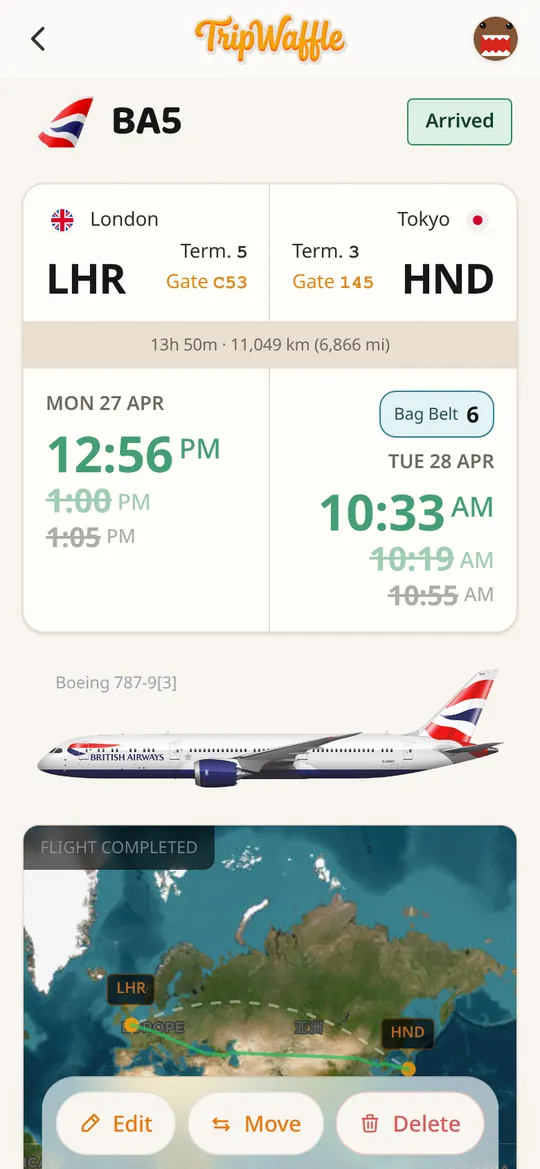
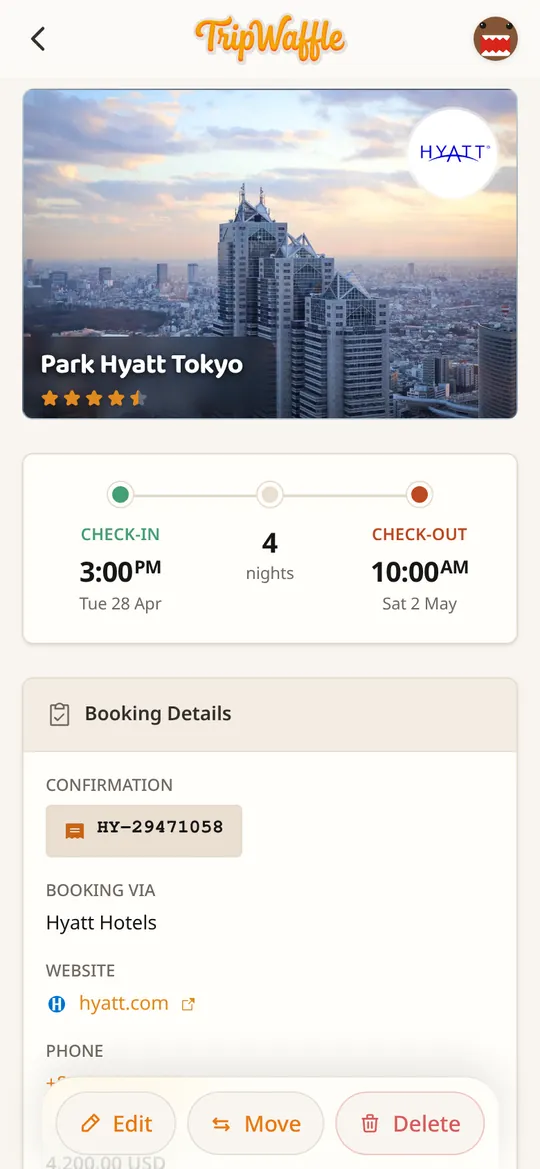
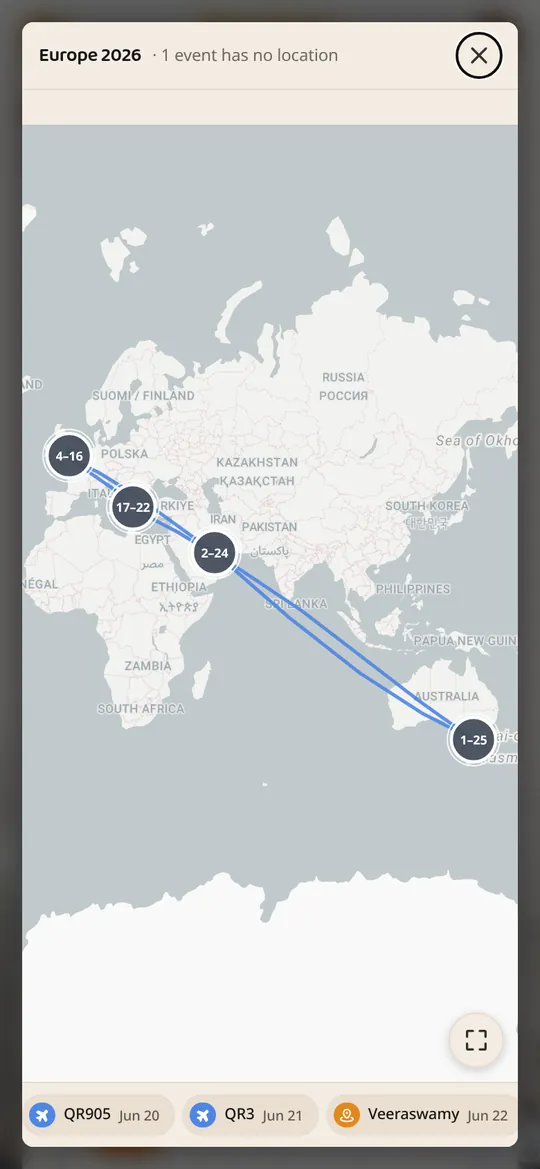
TripWaffle organizes your whole trip in one beautiful itinerary - and watches over it: government advisory alerts, the local emergency number, and entry requirements for Panama City, plus live flight tracking. Just forward your confirmation emails.


100% free · 3 second signup
Last updated: May 27, 2026