
Is Arequipa Safe?
Arequipa is generally manageable for travelers and is often perceived as calmer than Lima, but petty theft, opportunistic robbery, and late-night transport issues still matter. Most visits are trouble-free if you stay alert in markets, around transport hubs, and when out after dark.
Photo: Megan Kotlus / Unsplash
Perception vs Reality: Arequipa has a relaxed, attractive colonial-center feel and is often seen as safer than Peru's biggest cities, but that can lead visitors to lower their guard in crowded areas and at night.
Risk Scores
Scale: 1 = very low risk, 10 = very high risk
Safety Overview
Overall Safety
Arequipa is one of Peru's easier large cities for travelers, with a popular historic center and active tourism scene. The main issues are pickpocketing, bag theft, and late-night opportunistic crime rather than constant serious violence.
Violent Crime
Serious violent crime is not the main problem for most visitors, but robberies and assaults can happen, especially after dark or in less busy outer areas. Avoid isolated streets and do not resist if confronted.
Petty Crime
Petty theft is the most common risk, especially in markets, crowded plazas, buses, and near terminals. Phones, wallets, and backpacks are the usual targets.
Scams
Taxi overcharging, fake help at ATMs, and distraction theft are more likely than elaborate scams. Book transport through trusted apps, hotels, or official ranks when possible.
Night Safety
The central tourist area is usually active in the evening, but risk rises after bars close and on quieter side streets. Walking alone late at night is less advisable than using a booked ride.
Public Transport
Local buses and shared transport are cheap but can be crowded and confusing for visitors. Keep valuables secured and avoid showing phones near doors and windows.
Police & Emergency
Police are present around central areas, but response quality and speed can vary. Hotel staff and reputable tour operators are often the most practical first point of help for travelers.
Day vs Night
Daytime
Daytime in central Arequipa is usually manageable for walking and sightseeing. The main concern is petty theft in crowded places rather than direct confrontation.
Nighttime
Risk rises at night, especially on side streets, after bars close, and outside the main center. Use booked transport rather than walking long distances late.
Seasonal: Major festivals, holidays, and protest periods can bring bigger crowds, theft opportunities, roadblocks, and transport disruption. Rainy-season weather can also make streets and roads less predictable.
Who’s Visiting?
Tourists usually find Arequipa straightforward, especially around the historic center, but crowded attractions and transit points attract opportunistic thieves.
Common Risks
- ⚠ Pickpocketing in markets and plazas
- ⚠ Taxi overcharging
- ⚠ Bag theft at bus terminals
- ⚠ Phone snatching in busy streets
Tips
- ✓ Carry only what you need for the day
- ✓ Use a crossbody bag kept in front
- ✓ Book taxis through apps, hotels, or official stands
- ✓ Keep passports and spare cash secured in accommodation
Solo women can travel in Arequipa without major difficulty, but street harassment and late-night isolation are the main concerns.
Common Risks
- ⚠ Catcalling or unwanted attention
- ⚠ Higher vulnerability after dark
- ⚠ Drink tampering in nightlife settings
- ⚠ Unofficial taxi issues
Tips
- ✓ Prefer busy, well-lit streets in Centro and nearby districts
- ✓ Use rides rather than walking alone late at night
- ✓ Watch drinks closely in bars and clubs
- ✓ Share live location or route details with someone you trust
LGBTQ+ travelers generally visit Arequipa without major legal risk, but social attitudes can be more conservative than in larger cosmopolitan cities.
Same-sex relationships are legal in Peru, but public attitudes are mixed and visible affection may draw attention outside more tourist-oriented spaces. Social discomfort is usually a more realistic issue than targeted legal trouble.
Common Risks
- ⚠ Verbal comments or staring
- ⚠ Conservative reactions in non-tourist areas
- ⚠ Late-night harassment around bars
Tips
- ✓ Use discretion with public affection if unsure of the setting
- ✓ Choose well-reviewed accommodation and nightlife venues
- ✓ Stick to busy central areas when going out
- ✓ Use rideshare after dark rather than walking from nightlife spots
Arequipa is workable for families, especially in central and residential areas, but traffic, uneven sidewalks, and crowding are more common issues than serious crime.
Common Risks
- ⚠ Petty theft in crowded places
- ⚠ Traffic when crossing streets
- ⚠ Busy markets and transport hubs
- ⚠ Late-night noise around nightlife streets
Tips
- ✓ Choose accommodation in central or established residential districts
- ✓ Keep children close in markets and plazas
- ✓ Use car seats or private transport when possible
- ✓ Avoid late-night transit with luggage
Arequipa is appealing for remote workers thanks to its livable center and lower pace, but device theft and late-night transport decisions matter.
Common Risks
- ⚠ Laptop or phone theft in cafes
- ⚠ Wi-Fi use on unsecured networks
- ⚠ Walking home with electronics after dark
- ⚠ Petty theft while working in visible street-facing spots
Tips
- ✓ Use indoor seating and keep devices tethered or close
- ✓ Avoid displaying expensive gear near entrances or windows
- ✓ Back up data and use a VPN on public Wi-Fi
- ✓ Take a booked ride home if carrying electronics at night
Crime & Threats
Pickpocketing
MediumMost likely in Mercado San Camilo, Plaza de Armas surroundings, buses, and crowded tourist zones.
Phone Snatching
MediumPhones can be grabbed in busy streets or from distracted pedestrians, especially near curbs and transit areas.
Robbery
MediumStreet robbery is less common than petty theft but can occur at night on quieter roads or in outer districts.
Assault
MediumAssault risk rises with alcohol, nightlife, and isolated areas after dark rather than daytime sightseeing.
Drink Spiking
MediumNot a dominant risk, but reports do occur in nightlife settings; do not leave drinks unattended.
Taxi Scams
MediumOvercharging, route padding, and use of unofficial cabs are common traveler complaints.
ATM Skimming
MediumUse ATMs inside banks, malls, or monitored areas rather than on quiet streets.
Tourist Scams
MediumDistraction tactics, inflated tour pricing, and fake assistance around transit or ATMs are the main issues.
Common Scams
Unofficial taxi overcharge
A driver without clear pricing quotes a low fare, then raises it on arrival or takes a longer route.
Use rideshare apps, ask your hotel to book a taxi, or agree on the fare before departure.
Distraction theft in markets
One person distracts you with directions, sales talk, or a bump while another takes a wallet or phone.
Keep bags in front, do not store valuables in back pockets, and step away from crowding if approached.
Fake ATM help
A stranger offers help when the machine 'fails' and tries to observe your PIN or switch your card.
Use ATMs inside banks, refuse help, shield the keypad, and cancel the transaction if anything feels off.
Inflated tour or transfer pricing
Travelers are quoted tourist prices far above normal rates for Colca Canyon tours, transfers, or last-minute bookings.
Compare prices from several agencies and book through well-reviewed operators.
Area Map
Approximate locations from public sources. Conditions vary by time of day and current events.
Area Safety
Safer Areas
Busy, tourist-oriented, and generally easier to navigate in daylight, with more police and commercial activity.
Popular, residential-tourist mix with restaurants and a calmer feel than some busier zones.
Established residential area often favored for accommodation, dining, and more orderly streets.
Be More Careful
Transport hubs attract bag theft, touts, and taxi overcharging, especially with arriving travelers carrying luggage.
High foot traffic and distraction make pickpocketing and bag theft more likely.
Street lighting, foot traffic, and police presence can be weaker outside central areas.
Getting Around
Walking
Walking is practical in the historic center by day. After dark, stick to well-lit busy streets and avoid isolated shortcuts.
Taxis & Rideshare
Use app-based rides, hotel-arranged cars, or official taxis where possible. Confirm the car and driver before entering and avoid random street hails late at night.
Trains & Buses
Buses and shared transport are usable but can be crowded and are prime spots for pickpocketing. Keep bags zipped, phones out of sight, and valuables off outer pockets.
Do’s & Don’ts
Do
- Keep phones and wallets secured in crowded areas
- Use official or app-based transport, especially at night
- Stay in central or established residential districts
- Carry a small amount of cash and keep backup funds separate
- Check for protest or road disruption updates if traveling onward
Don’t
- Do not walk alone on quiet streets late at night
- Do not flash jewelry, cameras, or thick amounts of cash
- Do not accept unsolicited ATM help or random taxi offers
- Do not leave bags hanging on chairs or tables in cafes
- Do not get overly relaxed just because the city feels calmer than Lima
How Does It Compare?
Safer Than
Arequipa is usually viewed as safer than Peru's capital, but it still has moderate urban theft risks and weaker late-night safety than very low-crime cities.
Frequently Asked Questions
Usually yes, especially in the historic center by day, but petty theft and late-night transport issues are the main concerns.
Parts of the center stay active, but walking alone late at night is less advisable than using a booked ride.
Taxi overcharging, distraction theft in markets, fake ATM help, and inflated tour pricing are the most common issues.
Data Notes
- District-level safety can vary notably, especially outside the historic center, and public reporting is uneven.
- Crime patterns can shift during protest periods, transport disruptions, and major festivals.
- Specific street-by-street nightlife risks are harder to generalize and may change with local conditions.
Traveling to Arequipa?
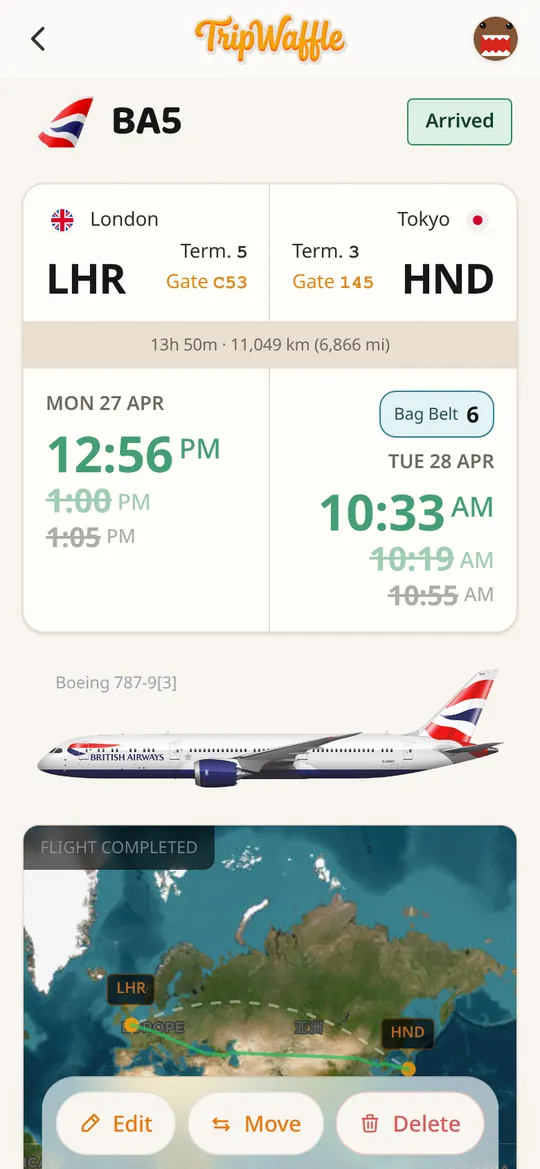
TripWaffle organizes your whole trip in one beautiful itinerary - and watches over it: government advisory alerts, the local emergency number, and entry requirements for Arequipa, plus live flight tracking. Just forward your confirmation emails.


100% free · 3 second signup
Last updated: May 27, 2026