Is Siargao Safe?
Siargao is generally manageable for travelers, with lower violent crime risk than major Philippine cities but enough petty theft, transport issues, and nighttime road hazards to stay alert. Most problems for visitors are linked to unsecured phones and bags, scooter accidents, overcharging, and isolated roads after dark rather than serious street crime.
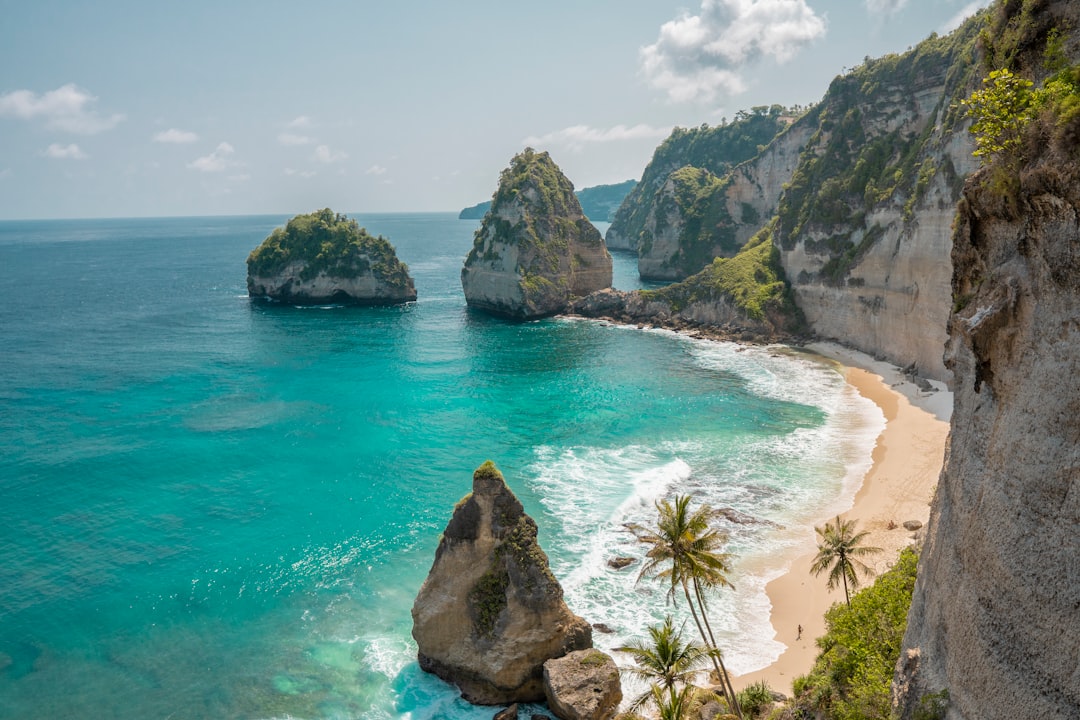
Photo: Alfiano Sutianto / Unsplash
Perception vs Reality: Siargao's laid-back surf-island image is mostly deserved, but it can make visitors underestimate practical risks like drink-fueled scooter riding, poor lighting, weather disruptions, and theft of unattended belongings.
Risk Scores
Scale: 1 = very low risk, 10 = very high risk
Safety Overview
Overall Safety
Siargao is not a high-crime destination, but visitors should treat it as a relaxed island with uneven infrastructure, not a risk-free bubble. Petty theft, rental disputes, and road safety are more common concerns than violent crime.
Violent Crime
Violent crime against travelers is not the main issue, though alcohol-related fights and isolated incidents can happen around nightlife. Avoid confrontations and isolated roads late at night.
Petty Crime
Theft is most likely in busy tourist areas, beach bars, ports, and anywhere bags or phones are left unattended. Open scooters and beach setups make easy targets.
Scams
Scams are usually low-level and practical: inflated transport prices, scooter damage claims, and tour or booking disputes. Confirm rates and condition of rentals before paying.
Night Safety
Night feels more risky because of dark roads, speeding or drunk riders, and quieter stretches outside General Luna. Walking and riding become less predictable after bars close.
Public Transport
Transport is informal and limited compared with cities. Tricycles, habal-habal, vans, and ferries are common, but pricing and safety standards vary.
Police & Emergency
Police presence exists but response can be slower outside the main tourist zones. In remote parts of the island, help may take longer to reach you than in a city.
Day vs Night
Daytime
Daytime is usually straightforward, especially in General Luna and popular surf spots. The main concerns are heat, road traffic, and leaving belongings unattended while swimming or dining.
Nighttime
Night brings a clearer jump in risk because roads are darker, some riders are intoxicated, and distances between venues can feel isolated. Late-night scooter use is a bigger danger than street crime.
Seasonal: Heavy rain, typhoons, rough seas, and holiday surges can affect ferries, road conditions, lighting, and accommodation reliability. Party weekends and peak surf periods can also mean more theft opportunities and drink-fueled incidents.
Who’s Visiting?
Most tourists have trouble-free visits, especially in and around General Luna, but theft of unsecured items and transport-related hassles are common enough to plan for.
Common Risks
- ⚠ Unattended phones or bags at beaches and cafes
- ⚠ Scooter rental disputes
- ⚠ Inflated fares from airport or port transfers
- ⚠ Wet roads, potholes, and poor nighttime visibility
Tips
- ✓ Use a bag that closes and keep valuables off scooter hooks
- ✓ Photograph rental bikes from all sides before use
- ✓ Agree transport fares before the ride starts
- ✓ Avoid carrying all cash and cards in one place
Solo women regularly travel Siargao, especially in surf and hostel areas, but nightlife judgment, isolated roads, and transport after dark deserve extra attention.
Common Risks
- ⚠ Unwanted attention in bars
- ⚠ Being stranded on dark roads after late nights
- ⚠ Drink tampering risk in busy nightlife settings
- ⚠ Pressure from drivers or guides to extend services
Tips
- ✓ Choose accommodation in or near central General Luna if arriving alone
- ✓ Use trusted transport or arrange a ride home before drinking
- ✓ Watch your drink and avoid leaving it unattended
- ✓ Share route details if riding to remote beaches or inland spots
Siargao is relatively welcoming by Philippine standards in tourist areas, especially among younger and international crowds, though social attitudes can still be conservative outside those spaces.
Same-sex relationships are not criminalized in the Philippines, but legal protections are uneven and acceptance varies by setting. Tourist zones tend to be more relaxed than rural or older local environments.
Common Risks
- ⚠ Occasional staring or comments in less touristy areas
- ⚠ Reduced comfort showing affection outside nightlife or resort spaces
- ⚠ Harassment linked more to intoxicated nightlife environments than to formal enforcement
Tips
- ✓ Tourist-heavy areas like General Luna tend to feel more comfortable
- ✓ Read the room before public displays of affection in quieter barangays
- ✓ Use mainstream venues and reputable accommodations
- ✓ Leave any venue where intoxicated behavior turns hostile
Families usually find Siargao manageable, but road conditions, boat weather, and limited urban-style infrastructure matter more here than street crime.
Common Risks
- ⚠ Motorbike traffic near busy beach roads
- ⚠ Slippery surfaces, surf zones, and changing tides
- ⚠ Long transfers with limited shade or facilities
- ⚠ Weather-related ferry or tour disruption
Tips
- ✓ Choose accommodation away from the loudest bar strips
- ✓ Use car or van transfers rather than motorbikes with children
- ✓ Check sea and weather conditions before boat trips
- ✓ Keep children close near roads with no sidewalks
Siargao is popular with remote workers, but the main risks are more about unreliable infrastructure, equipment theft, and transport than targeted crime.
Common Risks
- ⚠ Laptop or phone theft in open-air cafes
- ⚠ Power and internet interruptions
- ⚠ Theft from scooters or shared accommodations
- ⚠ Cash access issues outside main town areas
Tips
- ✓ Do not leave devices unattended while ordering or swimming
- ✓ Use accommodation safes or lockable luggage for electronics
- ✓ Keep backup power and offline copies of key documents
- ✓ Withdraw cash in main town areas before heading remote
Crime & Threats
Pickpocketing
MediumMore likely in crowded spots such as ports, markets, nightlife venues, and packed beach bars than on quiet roads.
Phone Snatching
MediumPhones are vulnerable when left on tables, visible in scooter baskets, or handled carelessly near roads and nightlife areas.
Robbery
LowStreet robbery is not a defining risk for most visitors, but isolated stretches late at night raise exposure.
Assault
LowMost assault risk is linked to alcohol, nightlife disputes, or reckless behavior rather than random attacks on tourists.
Drink Spiking
LowNot the island's main safety issue, but it is still worth guarding drinks in busier bars and party nights.
Taxi Scams
MediumFormal taxis are limited; the more common issue is fare inflation or unclear pricing with tricycles, habal-habal, and transfers.
ATM Skimming
LowNot widely reported, but use bank-linked machines where possible and check for tampering before inserting your card.
Tourist Scams
MediumScooter damage claims, inflated tours, and fake or vague booking deposits are the main scam-style issues.
Common Scams
Scooter damage claim
A renter is blamed for existing scratches or minor damage after return, sometimes with an inflated repair fee.
Take time-stamped photos and video before leaving, confirm fuel level, and get damage notes in writing.
Inflated transfer fare
Drivers quote high flat rates for airport, port, or late-night rides, especially to new arrivals.
Ask your accommodation for the normal rate and agree the total price before boarding.
Tour or island-hopping overpricing
Visitors are offered vague packages with extra fees added later for entrance, gear, or boat sharing.
Ask for the full inclusion list, headcount, and cancellation terms before paying a deposit.
Fake booking or deposit request
A room, scooter, or surf lesson is advertised online, then a deposit is taken with no confirmed service.
Book through established platforms or verified businesses and avoid unsecured payment links.
Area Safety
Safer Areas
Most tourist services, better foot traffic, and easier access to transport and assistance.
Busy surf zone with regular visitor presence, though belongings still need watching.
Generally calm for transit and day visits, with more activity than remote inland roads.
Be More Careful
Poor lighting, fewer people around, and higher risk from crashes or being stranded.
Crowds, baggage confusion, opportunistic theft, and fare overcharging are more likely here.
Unattended bags, phones, and parked scooters are easier targets after drinking hours.
Getting Around
Walking
Walking is fine in the busier parts of General Luna by day, but many roads are narrow, uneven, and lack sidewalks. After dark, visibility drops and traffic behavior becomes less predictable.
Taxis & Rideshare
Formal taxis and rideshare coverage are limited. Most visitors use tricycles, habal-habal, vans, or arranged hotel transfers, so confirm the fare and destination clearly in advance.
Trains & Buses
There are no trains on the island. Shared vans, multicabs, boats, and ferries are the main options, with weather and route timing affecting reliability.
Do’s & Don’ts
Do
- Lock or carry valuables instead of leaving them on the beach
- Photograph rental vehicles before use
- Arrange your ride home before a night out
- Keep cash in smaller amounts and store backups separately
- Check weather and ferry conditions before inter-island travel
- Use better-lit routes at night when possible
Don’t
- Do not ride a scooter after drinking
- Do not leave phones visible in scooter baskets or on cafe tables
- Do not assume all transport has fixed prices
- Do not walk remote roads alone late at night without a plan
- Do not hand over your passport unless clearly required and trusted
- Do not rely on one ATM or one payment method
How Does It Compare?
Frequently Asked Questions
Yes, generally, especially around General Luna, but watch for petty theft, rental disputes, and risky scooter riding.
It is moderately safe in busy areas, but dark roads, intoxicated riders, and isolated stretches make nights riskier than days.
For many visitors, road safety and alcohol-related scooter accidents are a bigger problem than violent crime.
Data Notes
- Island-specific crime reporting is limited, so much traveler safety information comes from local patterns and visitor reports rather than detailed public statistics.
- Risk varies a lot between central General Luna and quieter barangays or inland roads.
- Weather, road repairs, lighting, and transport reliability can change quickly after storms or during peak travel periods.
Traveling to Siargao?
TripWaffle organizes your entire trip — flights, hotels, trains, events — in one beautiful itinerary. Just forward your confirmation emails.


100% free · 3 second signup
Last updated: March 21, 2026