Is Faro Safe?
Faro is generally a low-risk city for most travelers, with violent crime uncommon and daily movement around the center usually straightforward. The main issues are opportunistic theft in busy areas, minor nightlife problems, and extra caution in quieter transit or beach areas late at night.
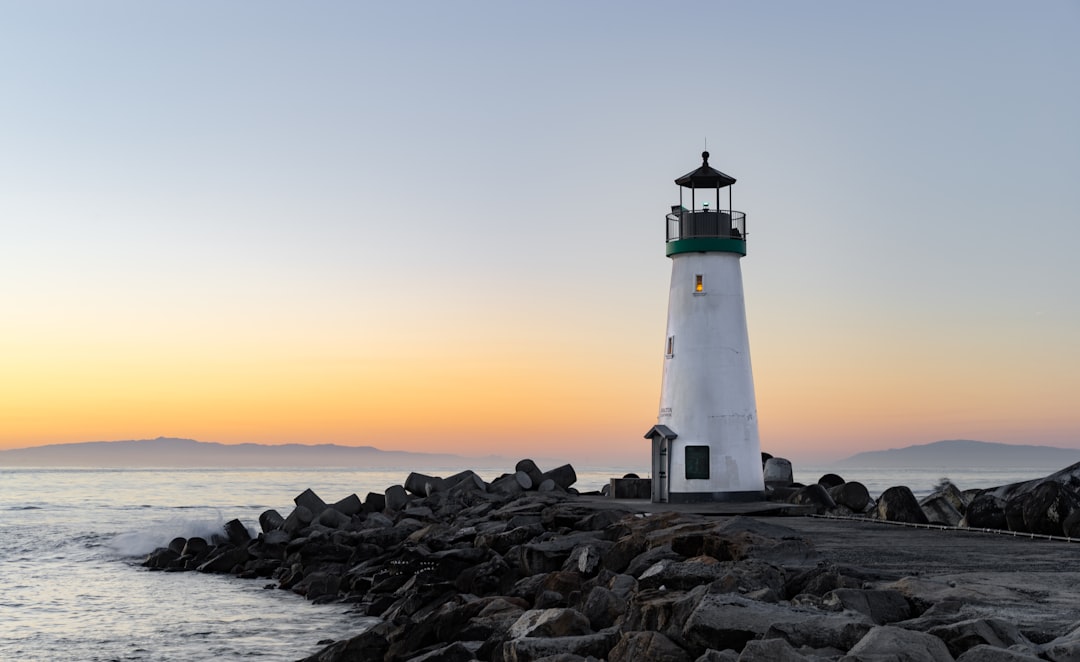
Photo: Paulius Dragunas / Unsplash
Perception vs Reality: Some travelers associate the Algarve with rowdy resort nightlife, but Faro is usually calmer than major party hubs such as Albufeira. Most safety concerns here are routine urban issues rather than serious crime.
Risk Scores
Scale: 1 = very low risk, 10 = very high risk
Safety Overview
Overall Safety
Faro is one of the safer city breaks in southern Europe. Most visitors deal with little more than pickpocketing risk in busy spots and the usual late-night bar issues.
Violent Crime
Violent crime affecting visitors is uncommon. Problems are more likely to involve intoxicated arguments or isolated late-night incidents than targeted attacks.
Petty Crime
Petty theft can happen around the marina, transport hubs, and crowded summer areas. Keep phones, wallets, and bags secure in cafes and on outdoor terraces.
Scams
Scam pressure is relatively low compared with larger tourist cities. The more realistic problems are overcharging by unverified transport or misleading holiday rental listings.
Night Safety
Central Faro is usually manageable at night, especially in well-lit restaurant and bar areas. Risk rises in isolated streets, around stations after midnight, and at Praia de Faro when it is quiet.
Public Transport
Buses and trains are generally safe and low stress. Watch belongings on crowded routes in summer and avoid leaving luggage unattended.
Police & Emergency
Police and emergency response are generally reliable, and tourist-facing staff often speak some English. In practice, prevention is more useful than expecting a constant police presence.
Day vs Night
Daytime
Daytime is generally low risk, with the main issues being pickpocketing in busy areas, traffic awareness, and summer heat.
Nighttime
At night, stick to lit central routes and avoid long solitary walks near stations, empty seafront stretches, or quiet beach areas.
Seasonal: Risk rises slightly in peak summer, festivals, and holiday weekends when crowds, alcohol use, and transport confusion increase.
Who’s Visiting?
Tourists usually find Faro easy to navigate and low risk. The main concerns are petty theft, nightlife overindulgence, and transport or rental mix-ups.
Common Risks
- ⚠ Bag or phone theft in busy central areas
- ⚠ Overpriced or unofficial airport transfers
- ⚠ Late-night disorder near bars
- ⚠ Misleading short-term rental listings
Tips
- ✓ Use registered taxis or app-based rides from the airport and station
- ✓ Keep bags closed on terraces, at the marina, and on transport
- ✓ Stay on well-lit routes when walking back late
- ✓ Book accommodation through reputable platforms or verified hosts
Faro is generally comfortable for solo women, especially by day and in the center. Most concerns are unwanted attention in nightlife settings or walking alone through quiet areas late at night.
Common Risks
- ⚠ Harassment from intoxicated people near bars
- ⚠ Isolation around the station or beach areas late at night
- ⚠ Drink tampering risk in busy nightlife settings
Tips
- ✓ Prefer central, well-reviewed accommodation
- ✓ Use licensed transport after late nights rather than isolated walks
- ✓ Watch drinks closely in bars and beach venues
- ✓ Avoid poorly lit seafront or station-side stretches when alone late
Faro is generally low risk for LGBTQ+ travelers, with Portugal broadly considered one of the more accepting countries in Europe. Social comfort is usually good, though public displays may still attract occasional attention in quieter or more conservative settings.
Portugal has strong legal protections and a relatively tolerant social environment. Faro is not a major LGBTQ+ nightlife center, so visibility is lower than in Lisbon or Porto, but legal risk is low.
Common Risks
- ⚠ Occasional staring or comments rather than targeted violence
- ⚠ Limited dedicated nightlife or community spaces
- ⚠ Late-night nuisance around general bar areas
Tips
- ✓ Choose central venues with clear tourist traffic
- ✓ Use the same nightlife precautions as any traveler
- ✓ If a venue feels hostile or overly intoxicated, move on quickly
- ✓ Expect more discretion in quieter residential or beach areas at night
Families usually find Faro relaxed and manageable. Main issues are sun and heat, traffic around busy roads, and keeping track of belongings in transport and tourist areas.
Common Risks
- ⚠ Heat and dehydration in summer
- ⚠ Road crossings near busy central streets
- ⚠ Crowds around airport, marina, and transport points
Tips
- ✓ Plan shade and water breaks in summer
- ✓ Use child identification and meeting points in busy areas
- ✓ Stay near the center if walking with children
- ✓ Keep beach and travel bags zipped and within sight
Faro is generally a calm base for remote workers, with lower street risk than many larger European cities. The more relevant issues are accommodation fraud, laptop theft from cafes, and seasonal crowding.
Common Risks
- ⚠ Rental scams or unclear lease terms
- ⚠ Unattended laptop or bag theft in cafes
- ⚠ Noise and congestion in peak summer
Tips
- ✓ Do not pay large deposits outside trusted platforms without checks
- ✓ Avoid leaving devices unattended even briefly
- ✓ Test Wi-Fi and neighborhood noise before committing long term
- ✓ Choose central or established residential areas over isolated budget lets
Crime & Threats
Pickpocketing
MediumMost likely in crowded summer areas, transport hubs, and busy terraces rather than on quiet residential streets.
Phone Snatching
LowLess common than in larger cities, but keep phones away from table edges and avoid using them carelessly near roads or crowds.
Robbery
LowStreet robbery affecting visitors is uncommon, though isolated late-night routes are less ideal than busy central streets.
Assault
LowAssault risk is generally low and more often linked to nightlife, intoxication, or personal disputes than random attacks.
Drink Spiking
LowNot a defining local issue, but standard bar precautions still matter in busy nightlife settings and beach parties.
Taxi Scams
LowThe main risk is overcharging or using unverified drivers, especially on airport routes or late at night.
ATM Skimming
LowUse bank-operated ATMs in well-lit areas and inspect card slots if anything looks loose or unusual.
Tourist Scams
LowCompared with bigger tourist cities, scam density is low; accommodation fraud and transport overcharging are more likely than street cons.
Common Scams
Airport or station overcharge
An unverified driver or informal transfer quotes an inflated flat fare, especially for tourists arriving tired or late.
Use official taxi ranks or app bookings, and confirm pricing expectations before departure.
Distraction theft on terraces
A bag, phone, or wallet is taken while the traveler is distracted by conversation, luggage, or payment.
Keep valuables on your body or looped around a chair leg, not on the table edge or empty seat.
Fake or misleading holiday rental
A property is advertised with copied photos or vague terms, then payment is requested off-platform or the listing is not as described.
Use reputable platforms, read recent reviews, and avoid bank transfers to unverified hosts.
Area Safety
Safer Areas
Historic center with steady foot traffic, restaurants, and a generally calm atmosphere, especially by day and early evening.
Busy, visible, and easy to navigate in daytime and early night, though standard theft precautions still apply.
Well-trafficked shopping area where visitors usually feel comfortable during the day.
Be More Careful
Usually not highly dangerous, but quieter after hours and more prone to nuisance behavior or opportunistic theft.
Higher chance of drunken arguments, harassment, and careless theft when nightlife thins out.
Can feel isolated outside busy periods, with fewer people around to help if something goes wrong.
Getting Around
Walking
Walking is usually safe in central Faro. Use better-lit streets after dark and avoid isolated shortcuts near the station or beach.
Taxis & Rideshare
Licensed taxis are generally fine, and app-based options can reduce fare disputes. Confirm the route or meter use on airport trips.
Trains & Buses
Public transport is typically safe and easy to use. Keep an eye on bags, especially on routes to beaches or during summer crowding.
Do’s & Don’ts
Do
- Keep phones and wallets secure around the marina and transport hubs
- Use licensed or app-booked transport from the airport and late at night
- Choose well-lit central routes after dark
- Watch drinks in bars and beach venues
- Carry enough water and sun protection in summer
Don’t
- Do not leave bags hanging open on cafe chairs
- Do not walk alone through isolated beach or station areas late at night if avoidable
- Do not accept rides from unverified drivers
- Do not leave laptops or phones unattended in cafes
- Do not assume beach areas stay busy or well monitored after dark
How Does It Compare?
Safer Than
Riskier Than
Faro is generally on the safer side for a European city, but it is still more urban and seasonal than very quiet Portuguese towns.
Frequently Asked Questions
Yes. Faro is generally low risk for tourists, with petty theft and late-night nuisance being more common than serious crime.
Mostly yes in central, busy areas. Avoid isolated routes near stations or Praia de Faro late at night.
Usually yes. Most solo women find it manageable, but nightlife caution and avoiding quiet late-night walks are sensible.
Data Notes
- Exact street-level risk can change between summer and off-season, especially around nightlife and beach areas.
- Faro has lower international reporting than larger cities, so neighborhood-specific crime patterns are less consistently documented.
- Rideshare availability and nightlife density can vary by time of year and local demand.
Traveling to Faro?
TripWaffle organizes your entire trip — flights, hotels, trains, events — in one beautiful itinerary. Just forward your confirmation emails.


100% free · 3 second signup
Last updated: March 21, 2026