
Is Kigali Safe?
Kigali is generally one of the safer capitals in East Africa, with relatively low visible violent crime and a strong police presence. Most visitors have trouble-free stays, but petty theft, nightlife-related risks, and transport safety issues still matter, especially after dark and around busy transit areas.
Photo: Jean Claude Akarikumutima / Unsplash
Perception vs Reality: Kigali is often seen as exceptionally orderly and safe, and that is broadly true compared with many regional capitals. Still, that reputation can cause visitors to relax too much around valuables, nightlife, and road safety.
Risk Scores
Scale: 1 = very low risk, 10 = very high risk
Safety Overview
Overall Safety
Kigali is broadly safe for visitors by regional standards. Crime exists, but it is usually opportunistic rather than violent.
Violent Crime
Violent street crime is not a dominant risk for most visitors. Incidents are more likely in isolated areas late at night than in busy central districts.
Petty Crime
Petty theft can happen in markets, bus hubs, nightlife areas, and crowded streets. Keep phones and wallets secured rather than in hand or back pockets.
Scams
Scam levels are lower than in many tourist-heavy cities, but inflated taxi fares, unofficial guides, and nightlife overcharging can occur. Agree prices or use app-based rides where possible.
Night Safety
Central Kigali is calmer than many capitals at night, but quiet roads, steep streets, and reduced foot traffic increase risk. Use a trusted ride rather than walking long distances after dark.
Public Transport
Buses are widely used and usually straightforward, though crowded at peak times. Moto taxis are common and convenient, but road safety is often a bigger concern than crime.
Police & Emergency
Police visibility is relatively high, especially in central areas. Interactions are usually orderly, but visitors should carry ID and stay polite during checks or reporting.
Day vs Night
Daytime
Daytime is generally low risk in business districts, residential areas, and known visitor zones. Standard city awareness is usually enough.
Nighttime
Risk rises after dark mainly because streets become quieter, transport choices narrow, and nightlife issues become more relevant. Short rides are usually a better option than walking.
Seasonal: Rain can make roads slippery and walking harder on steep hills. During major events, markets, or busy weekends, crowds increase petty-theft opportunities around transport nodes and nightlife areas.
Who’s Visiting?
Most tourists find Kigali easy to navigate and comparatively low-stress. The main issues are petty theft, overpaying for transport, and being out late in quiet areas.
Common Risks
- ⚠ Pickpocketing in busy markets or transport hubs
- ⚠ Overcharging by some taxis or informal guides
- ⚠ Phone theft if using devices openly on the street
- ⚠ Road safety when using moto taxis
Tips
- ✓ Use app-based or hotel-arranged rides at night
- ✓ Keep cash and cards split between pockets or bags
- ✓ Avoid flashing phones outside bars or bus areas
- ✓ Ask your hotel which nearby streets are best for walking after dark
Kigali is generally manageable for solo women, especially in business and residential districts. Harassment is usually lower than in many cities, but nightlife settings and isolated streets still require care.
Common Risks
- ⚠ Unwanted attention in bars or clubs
- ⚠ Walking alone on quiet streets after dark
- ⚠ Unsafe or reckless moto taxi rides
- ⚠ Drink tampering risk in nightlife venues
Tips
- ✓ Choose well-reviewed hotels in central or upscale neighborhoods
- ✓ Use rides rather than walking home late
- ✓ Watch your drink and do not leave it unattended
- ✓ Prefer licensed taxis or trusted ride apps over informal offers
Legal risk is lower than in some neighboring countries, but social attitudes can still be conservative. Many LGBTQ travelers pass without issue, though public displays of affection may draw attention.
Same-sex relations are not criminalized in Rwanda, but social acceptance is limited and public openness can feel risky outside more private or international settings. Legal tolerance does not always mean social comfort.
Common Risks
- ⚠ Verbal discomfort or unwanted attention in conservative settings
- ⚠ Limited openly LGBTQ-friendly venues
- ⚠ Privacy concerns in hotels or with drivers if discussing personal life
Tips
- ✓ Keep displays of affection discreet in public
- ✓ Choose international-standard hotels or venues with mixed clientele
- ✓ Rely on local recommendations for socially comfortable spaces
- ✓ Use caution sharing personal details with strangers
Kigali works well for families due to its relatively calm atmosphere and cleaner, more orderly environment. Main concerns are traffic, steep roads, and supervision in crowded areas.
Common Risks
- ⚠ Traffic and road crossing hazards
- ⚠ Children getting separated in markets or busier public spaces
- ⚠ Limited sidewalks in some hilly areas
Tips
- ✓ Use car transport for longer trips instead of walking steep or busy roads
- ✓ Keep children close in markets and transit areas
- ✓ Choose accommodation in quieter residential districts
- ✓ Plan daytime outings and avoid late-night transport with children
Kigali is relatively comfortable for remote workers, especially in established neighborhoods and hotel or coworking environments. The bigger risks are device theft in public and variable transport choices late at night.
Common Risks
- ⚠ Laptop or phone theft from cafés or vehicles
- ⚠ Overexposing valuables while working in public
- ⚠ Late-night travel after social events
Tips
- ✓ Work from reputable cafés, hotels, or coworking spaces
- ✓ Do not leave devices unattended even briefly
- ✓ Back up important files and use device locks
- ✓ Arrange reliable rides before evening events
Crime & Threats
Pickpocketing
MediumMost likely in crowded markets, bus hubs, and busy commercial streets rather than quiet residential zones.
Phone Snatching
MediumLess common than in some major cities, but using a phone openly near roads or crowded spots can attract opportunistic theft.
Robbery
LowStreet robbery is not a leading threat for most visitors, but isolated late-night walking increases exposure.
Assault
LowAssault risk is generally low for visitors outside nightlife disputes or poorly lit, low-traffic areas after dark.
Drink Spiking
MediumReports are not dominant, but nightlife precautions are sensible, especially in bars and clubs.
Taxi Scams
MediumThe main issue is overcharging or route padding by informal drivers; app-based rides reduce this.
ATM Skimming
LowNot a standout risk, but use ATMs in banks, malls, or staffed locations and shield your PIN.
Tourist Scams
LowCompared with heavier tourist cities, scams are relatively limited, though unofficial help and inflated prices do happen.
Common Scams
Taxi overcharge
A driver quotes a high fixed fare or extends the route, especially for visitors unfamiliar with distances.
Use a ride app, ask your hotel for a fare estimate, or agree the price before getting in.
Unofficial guide or helper
Someone offers directions, bus help, or market assistance, then asks for a large tip or payment.
Decline politely and ask staff, police, or official counters for help instead.
Nightlife bill inflation
A venue or companion adds unexpected drinks or inflated charges at the end of the night.
Check prices early, keep track of orders, and avoid leaving your tab open in unfamiliar venues.
Moto taxi price dispute
An informal rider quotes one price, then demands more on arrival.
Use clearly identified operators and settle the fare before the trip if not app-booked.
Area Map
Approximate locations from public sources. Conditions vary by time of day and current events.
Area Safety
Safer Areas
Upscale residential area with hotels, restaurants, and a generally calmer feel.
Central and well-known among business travelers, with better accommodation options and easier access to trusted transport.
Popular for dining and business visits, usually busy enough to feel comfortable in the daytime.
Be More Careful
Major transport hub where crowds, confusion, and petty theft risk are higher.
Bars and clubs can bring overcharging, drink-safety issues, and higher late-night vulnerability.
Daytime activity drops off in some streets, making long walks at night less comfortable.
Getting Around
Walking
Walking is usually fine in central areas by day, but Kigali's hills, uneven sidewalks, and quieter roads make long walks less ideal at night.
Taxis & Rideshare
Use reputable taxis, hotel-booked cars, or established ride apps when available. Moto taxis are fast and common, but the main concern is road safety rather than crime.
Trains & Buses
Kigali relies on buses rather than urban rail. Buses are generally safe, though crowded at peak times, and require normal care with wallets and phones.
Do’s & Don’ts
Do
- Carry only the cash you need for the day
- Use trusted rides after dark
- Keep your phone secured in crowded places
- Choose ATMs inside banks or malls
- Ask locals or hotel staff about the safest walking routes nearby
Don’t
- Do not assume the city is risk-free because it feels orderly
- Do not walk long distances late at night on quiet streets
- Do not leave drinks unattended in bars or clubs
- Do not use informal transport without confirming the fare
- Do not display expensive electronics openly near roads or transit hubs
How Does It Compare?
Safer Than
These are broad traveler-safety comparisons, not crime statistics. Risk varies by neighborhood, time of day, and transport choices.
Frequently Asked Questions
Yes, Kigali is generally safe for tourists, especially by regional standards. Most issues are petty theft, taxi overcharging, and late-night vulnerability in quiet areas.
Safer than many capitals, but not risk-free. Busy central areas are usually calmer, while quiet streets and nightlife zones are better reached by trusted ride.
Usually yes, with sensible nightlife and transport precautions. Harassment tends to be lower than in many cities, but isolated walking after dark is not ideal.
Data Notes
- Neighborhood-level crime patterns can change and are not always publicly detailed in a consistent way.
- Reported drink-spiking and nightlife incidents are harder to quantify than petty theft and may be underreported.
- Ride-app availability and quality can vary over time, so local conditions may differ from recent traveler reports.
Traveling to Kigali?
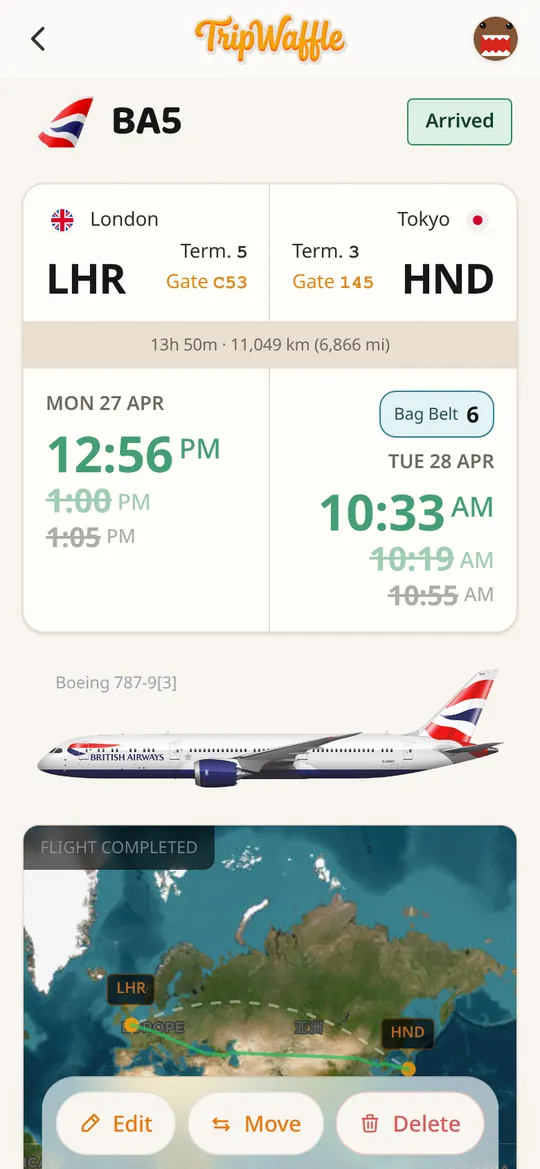
TripWaffle organizes your whole trip in one beautiful itinerary - and watches over it: government advisory alerts, the local emergency number, and entry requirements for Kigali, plus live flight tracking. Just forward your confirmation emails.


100% free · 3 second signup
Last updated: May 27, 2026