
Is Saudi Arabia Safe?
Saudi Arabia is generally safer on the street than many travelers expect, with relatively low violent crime in major cities and tourist areas. The main safety issues are conservative social rules, road safety, heat, crowd risks during pilgrimage seasons, and legal exposure for behavior that may be routine elsewhere.
Photo: Abdulrhman Alkhnaifer / Unsplash
Perception vs Reality: Saudi Arabia often has a harsher reputation than the on-the-ground street-crime picture in big cities. In practice, violent street crime is fairly low, but legal and social restrictions can create serious issues for some travelers, especially LGBTQ travelers.
Risk Scores
Scale: 1 = very low risk, 10 = very high risk
Safety Overview
Overall Safety
Major cities and tourist zones are usually orderly, with lower violent crime than many global destinations. Most problems travelers face are petty theft in crowds, traffic danger, heat, and running into local rules.
Violent Crime
Violent street crime is relatively uncommon in major urban areas and established tourist districts. Risk rises in isolated areas, during disputes, or near sensitive border zones.
Petty Crime
Pickpocketing and bag theft are most likely in crowded markets, transport hubs, and pilgrimage areas. Opportunistic theft is more common than aggressive street robbery.
Scams
Taxi overcharging, inflated prices for visitors, and unofficial guide or service offers are the most common issues. Scams are usually low-level but more likely around airports, souqs, and high-traffic religious areas.
Night Safety
Busy urban districts can feel calm at night, but deserted streets, beach areas, and long intercity drives are less comfortable after dark. Nightlife-related risk is lower than in party destinations, but isolation is a bigger issue.
Public Transport
Transport quality varies by city. Intercity rail and app-based rides are usually the easiest options, while some bus systems and stations are less convenient and can be crowded.
Police & Emergency
Visible security presence is common in major cities, malls, airports, and pilgrimage zones. Language and procedure can be a barrier, so keep hotel details, ID copies, and key contacts easy to access.
Day vs Night
Daytime
Daytime is generally straightforward in business districts, malls, museums, and managed tourist areas. Heat, dehydration, and road traffic are often bigger practical risks than crime.
Nighttime
Evening outings in busy urban zones are usually calm, but avoid long walks in empty areas, beaches, industrial edges, or poorly lit streets. Intercity driving at night adds fatigue and hazard from fast traffic and remote stretches.
Seasonal: Hajj and Umrah periods bring intense crowding, transport pressure, and higher petty-theft opportunity in religious travel hubs. Summer heat is severe across much of the country, and some cities can see disruptive flash flooding during heavy rain.
Who’s Visiting?
Tourists usually face more inconvenience than danger in major cities and established sites. The main issues are transport scams, crowd theft, heat, and misunderstanding local rules or restricted areas.
Common Risks
- ⚠ Taxi or private driver overcharging
- ⚠ Pickpocketing in crowded souqs or pilgrimage areas
- ⚠ Extreme heat and dehydration
- ⚠ Road safety on highways and urban roads
- ⚠ Entering restricted or sensitive areas by mistake
Tips
- ✓ Use licensed hotels, official attractions, and app-based rides where available.
- ✓ Keep passports and cash secure in busy markets and religious travel hubs.
- ✓ Dress conservatively enough to avoid unwanted attention.
- ✓ Plan around heat, prayer-time slowdowns, and heavy weekend traffic.
Many solo women travel in Saudi Arabia without major safety problems, especially in large cities and hotel zones. Comfort can drop at night, in rural areas, or where social expectations are more conservative.
Common Risks
- ⚠ Staring or unwanted attention
- ⚠ Occasional harassment in public spaces
- ⚠ Taxi discomfort with unvetted drivers
- ⚠ Feeling isolated in car-dependent areas after dark
Tips
- ✓ Prefer app-based rides and reputable hotels with staffed reception.
- ✓ Choose busier malls, corniches, and cafe areas over isolated streets at night.
- ✓ Dress modestly by local standards, especially outside major cities.
- ✓ Share live trip details with someone you trust on long rides or day trips.
The biggest risk for LGBTQ travelers is legal and social, not street crime. Public visibility, dating activity, or behavior seen as violating local norms can bring serious problems.
Same-sex relations and some forms of gender expression face serious legal and social risk in Saudi Arabia. Even without direct confrontation, public displays of affection, visible activism, or app-based dating activity can attract attention and possible legal consequences.
Common Risks
- ⚠ Legal exposure linked to same-sex intimacy
- ⚠ Attention from conservative social norms
- ⚠ Risk from dating apps or private meetups
- ⚠ Harassment if perceived as gender-nonconforming
Tips
- ✓ Keep personal relationships and identity details private in public settings.
- ✓ Avoid public displays of affection.
- ✓ Be very cautious with dating apps, private invitations, and sharing personal details.
- ✓ Use mainstream hotels and keep travel plans simple and low-profile.
Families generally find major hotels, malls, waterfronts, and organized attractions comfortable and well monitored. The bigger concerns are traffic, heat, and crowd management during religious travel periods.
Common Risks
- ⚠ Children getting separated in very crowded areas
- ⚠ Heat exhaustion
- ⚠ Road danger during transfers
- ⚠ Long queues and dense crowds during Hajj or Umrah periods
Tips
- ✓ Keep child ID and hotel details on each family member.
- ✓ Use indoor stops during peak afternoon heat.
- ✓ Set a clear meeting point in malls, stations, and pilgrimage areas.
- ✓ Book transport and accommodation early during peak religious seasons.
Large-city business districts are generally orderly and low on street crime, but Saudi Arabia is more rule-bound and less socially flexible than many nomad hubs. Practical risks are transport, accommodation quality, and understanding local norms.
Common Risks
- ⚠ Accommodation listings not matching expectations
- ⚠ Petty theft of devices in busy cafes or lobbies
- ⚠ Long commutes in car-dependent cities
- ⚠ Unintentional friction with local social norms
Tips
- ✓ Use established accommodation brands or well-reviewed serviced apartments.
- ✓ Do not leave laptops or phones unattended in cafes or coworking spaces.
- ✓ Choose neighborhoods near your work base to reduce night transport dependence.
- ✓ Check local norms around photography, meetings, and public behavior.
Crime & Threats
Pickpocketing
MediumMost likely in crowded souqs, stations, festivals, and pilgrimage flows rather than on ordinary streets.
Phone Snatching
LowLess common than in many large cities, but phones are still vulnerable in crowds and when left visible in cars or cafes.
Robbery
LowStreet robbery is not a leading risk for most visitors in major cities, though isolated areas and late-night disputes increase exposure.
Assault
LowRandom assault is relatively uncommon in main urban areas; most travelers are more likely to face harassment or argument than physical attack.
Drink Spiking
LowLower-profile than in nightlife-heavy destinations, but caution still makes sense in private gatherings or with unfamiliar hosts.
Taxi Scams
MediumOvercharging, vague pricing, and route padding can happen, especially from airports or with unmetered drivers.
ATM Skimming
LowNot a dominant risk, but use bank-attached ATMs and avoid accepting help from strangers at machines.
Tourist Scams
MediumVisitors may encounter inflated prices, unofficial guides, or paid help offers in busy markets and religious travel corridors.
Common Scams
Airport or taxi overcharging
A driver avoids a clear fare, claims the meter is unavailable, or adds extra charges after arrival.
Use ride apps or agree the fare clearly before departure if no meter is used.
Unofficial guide or helper offers
Someone approaches in a market or near a religious travel area offering help, fast entry, translation, or transport, then demands payment.
Use official counters, hotel staff, or clearly priced services only.
Inflated tourist pricing
A seller quotes a much higher price when they see a visitor, especially in souqs or around attractions.
Check prices in advance, compare a few vendors, and avoid impulse purchases in the first shop.
Fake accommodation or booking issue
An online listing looks legitimate but the room differs sharply from the ad or is unavailable on arrival.
Book through established platforms or hotel brands and confirm directly before arrival.
Area Map
Approximate locations from public sources. Conditions vary by time of day and current events.
Area Safety
Safer Areas
Well-patrolled, busy, and geared toward business travelers, with reliable hotels and app-based transport.
Popular with families and visitors, generally lively and easier to navigate than isolated backstreets.
Orderly Gulf-city environment with established hotels, malls, and lower street-crime exposure.
Managed visitor infrastructure and controlled access usually make these areas more straightforward for travelers.
Be More Careful
Very dense crowds raise the risk of getting separated, losing valuables, or being targeted by opportunistic theft.
Security risk is significantly higher due to regional conflict and restrictions.
Breakdowns, poor lighting, limited services, and long emergency response times matter more than crime.
These are the likeliest places for overcharging, confusion, and petty theft.
Getting Around
Walking
Walking is reasonable in mall districts, waterfront promenades, and some central areas, but many cities are car-oriented. Use extra care crossing wide roads and avoid long daytime walks in extreme heat.
Taxis & Rideshare
App-based rides are usually the safest and most predictable choice. Verify the plate, sit in the back if you prefer, and avoid arguing over price with unmetered drivers.
Trains & Buses
Intercity trains on main routes are generally orderly and useful. City buses and local public transport vary a lot by city, and some stations can be crowded or inconvenient rather than dangerous.
Do’s & Don’ts
Do
- Carry a charged phone, hotel address, and ID copy.
- Use app-based rides and reputable hotels.
- Store cash and passport separately in crowded areas.
- Dress modestly enough to blend in, especially outside major cities.
- Plan water, shade, and breaks for daytime outings.
- Be extra organized during Hajj, Umrah, or major holiday travel.
Don’t
- Do not assume social norms are the same as in Europe or North America.
- Do not wander remote areas or empty roads late at night without a plan.
- Do not flash valuables in souqs, stations, or pilgrimage crowds.
- Do not use unverified private drivers from informal pickup areas.
- Do not rely on walking long distances in summer heat.
How Does It Compare?
Safer Than
Street crime is generally lower than in many large emerging-market destinations, but Saudi Arabia can feel riskier overall for some travelers because of strict laws, social rules, and limited tolerance for certain behavior.
Frequently Asked Questions
Generally yes in major cities and tourist zones, with relatively low violent crime. Most issues involve transport, heat, crowding, and local rules.
Usually manageable in large cities and hotel areas, though unwanted attention and conservative norms can affect comfort, especially at night or in rural areas.
For many visitors, the main practical risks are road safety, extreme heat, and crowd management during pilgrimage seasons rather than violent crime.
Scams are usually low-level, with taxi overcharging and inflated visitor pricing the most common issues.
Data Notes
- Risk varies noticeably between major cities, smaller towns, and remote regions.
- Tourism rules and social enforcement can change, so recent local practice may differ by city and venue.
- Pilgrimage-season conditions can shift quickly based on crowd levels, transport controls, and weather.
- LGBTQ risk is driven more by legal and social environment than by measurable street-crime patterns.
Explore Areas in Saudi Arabia
Traveling to Saudi Arabia?
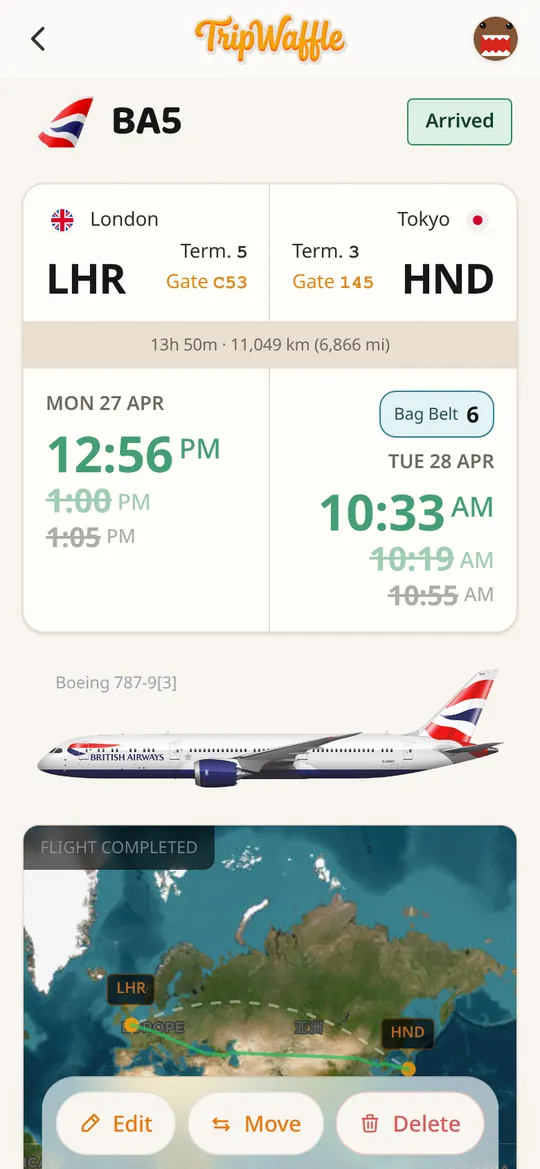
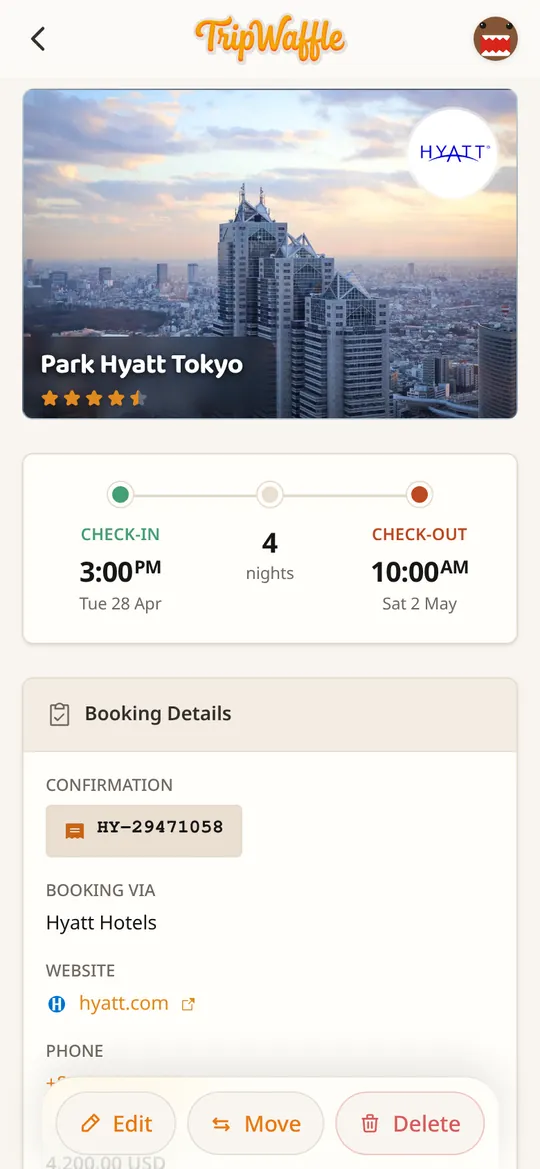
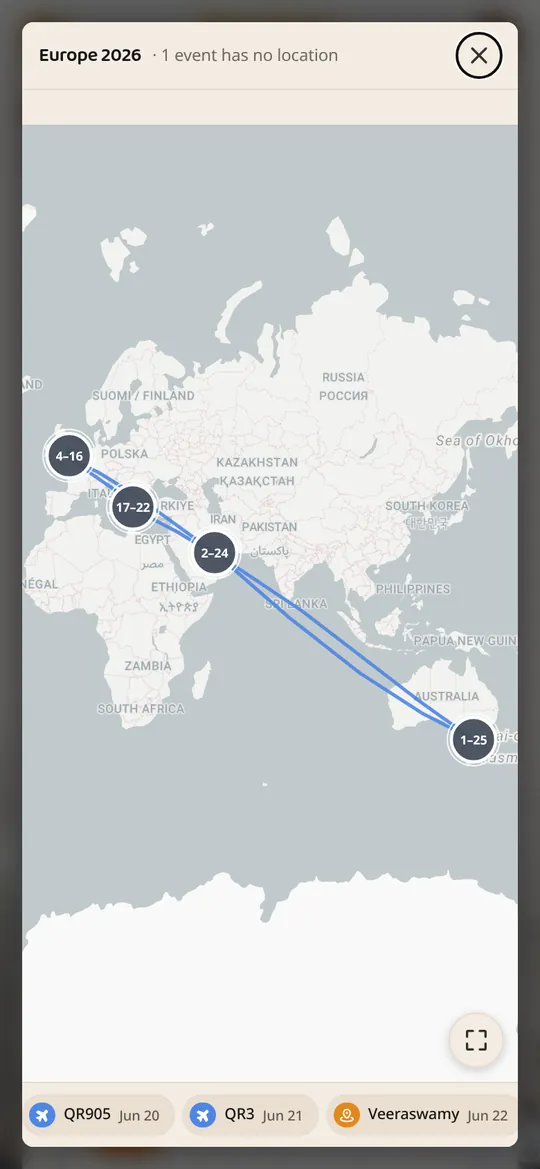
TripWaffle organizes your whole trip in one beautiful itinerary - and watches over it: government advisory alerts, the local emergency number, and entry requirements for Saudi Arabia, plus live flight tracking. Just forward your confirmation emails.


100% free · 3 second signup
Last updated: May 27, 2026