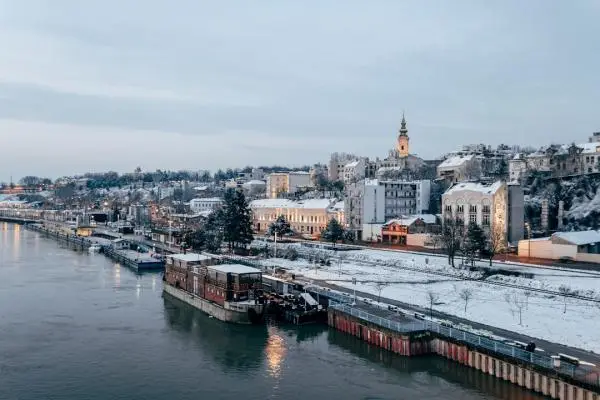
Is Serbia Safe?
Serbia is generally manageable for travelers, with most visits trouble-free if you use normal city precautions. Violent crime against visitors is not a major issue, but petty theft, nightlife-related incidents, reckless driving, and occasional scams can happen, especially in Belgrade and at transport hubs.
Photo: Ljubomir Žarković / Unsplash
Perception vs Reality: Serbia can seem riskier than it is because of its 1990s reputation, but day-to-day travel is usually straightforward. The bigger practical risks today are petty theft, late-night disorder, and road safety rather than targeted violence against tourists.
Risk Scores
Scale: 1 = very low risk, 10 = very high risk
Safety Overview
Overall Safety
Most travelers move around Serbia without serious problems. Main issues are theft in crowded areas, nightlife incidents, and aggressive driving.
Violent Crime
Violent crime affecting visitors is relatively uncommon. Problems are more likely around bars, clubs, personal disputes, or late-night intoxication.
Petty Crime
Pickpocketing and bag theft happen in busy city centers, public transport, and stations. Keep phones and wallets secure in Belgrade and other crowded urban areas.
Scams
Taxi overcharging, inflated bar bills, and exchange-rate tricks are the most common visitor scams. Use app-based rides or clearly marked taxis when possible.
Night Safety
Central areas are often lively late, but risk rises after midnight around clubs, floating bars, and transport hubs. Avoid arguments with drunk groups and do not walk isolated routes alone.
Public Transport
City transport is usable but can be crowded and confusing for newcomers. Watch your belongings on buses, trams, and at major stations.
Police & Emergency
Police presence is visible in major cities and tourist areas. Basic help is available, but language and paperwork can slow things down outside main urban centers.
Day vs Night
Daytime
Daytime travel is usually straightforward in cities and towns. Main concerns are traffic, petty theft in crowded places, and keeping an eye on belongings at cafés and transit stops.
Nighttime
Night is still manageable in busy central areas, but risk increases around clubs, riverside party venues, quiet station streets, and isolated walks after midnight. Use trusted transport rather than walking long distances alone.
Seasonal: Summer festivals and nightlife events bring denser crowds and more theft opportunities. Winter can create slippery sidewalks and difficult driving conditions, especially outside cities. Political protests or football derbies can briefly change the feel of specific areas.
Who’s Visiting?
Tourists are not usually targeted for serious crime, but they can attract petty theft and pricing scams in busy urban areas.
Common Risks
- ⚠ Pickpocketing in crowded transport and pedestrian zones
- ⚠ Taxi overcharging
- ⚠ Inflated bills in nightlife venues
- ⚠ Distraction theft near stations and tourist areas
Tips
- ✓ Use licensed or app-based taxis, especially at airports and stations
- ✓ Carry small amounts of cash and keep the rest secured
- ✓ Check restaurant and club pricing before ordering
- ✓ Stay alert in Belgrade's busiest nightlife and transit areas
Many solo women travel in Serbia without major trouble, especially by day in central areas. The main issues are catcalling, unwanted attention, and nightlife-related risks rather than high levels of stranger violence.
Common Risks
- ⚠ Harassment or persistent flirting in bars and clubs
- ⚠ Unwanted attention when walking alone late at night
- ⚠ Taxi overcharging or uncomfortable rides
- ⚠ Drink tampering risk in nightlife settings
Tips
- ✓ Prefer app-based rides at night instead of hailing on the street
- ✓ Choose busy, central accommodation with good reviews
- ✓ Watch drinks closely and avoid accepting open drinks from strangers
- ✓ If going out late, share your route and venue details with someone
Legal risk is lower than in many countries, but social attitudes can still be conservative, especially outside big cities. Belgrade is the easiest place to travel openly, though discretion may still feel more comfortable in some settings.
Same-sex relations are legal, but public attitudes are mixed and can be more conservative outside urban centers. Visible affection may attract stares or verbal comments, and LGBTQ+ events sometimes have added security due to counter-protests.
Common Risks
- ⚠ Verbal harassment in conservative or intoxicated environments
- ⚠ Unwanted attention outside central urban areas
- ⚠ Higher discomfort in macho nightlife settings
- ⚠ Crowd tension around politically charged events
Tips
- ✓ Belgrade and Novi Sad are generally more comfortable than smaller towns
- ✓ Be more discreet in rural areas and around heavily intoxicated groups
- ✓ Use well-reviewed venues known to be welcoming
- ✓ Avoid confrontations if you receive verbal abuse
Serbia is broadly workable for family travel, with parks, pedestrian areas, and affordable services in major cities. The main concerns are traffic, smoking exposure in some venues, and basic urban theft.
Common Risks
- ⚠ Traffic safety when crossing streets
- ⚠ Crowded transport and station areas
- ⚠ Smoking in some hospitality venues
- ⚠ Heat during summer and icy sidewalks in winter
Tips
- ✓ Use child car seats when arranging private transport
- ✓ Pick central, walkable neighborhoods to reduce transport hassle
- ✓ Keep children close in stations, markets, and festivals
- ✓ Check venue policies if avoiding smoking exposure matters
Serbia is popular with digital nomads due to cost and city life, especially in Belgrade and Novi Sad. Safety issues are mostly practical: apartment scams, nightlife theft, and traffic rather than severe crime.
Common Risks
- ⚠ Rental listing scams or misleading apartment ads
- ⚠ Laptop and phone theft in cafes or coworking spaces
- ⚠ Late-night incidents after socializing
- ⚠ Poor driving standards if renting a car
Tips
- ✓ Book longer stays through reputable platforms or verified local agencies
- ✓ Do not leave devices unattended in cafes
- ✓ Choose accommodation in central, well-reviewed neighborhoods
- ✓ Use rideshare or trusted taxis after late events
Crime & Threats
Pickpocketing
MediumMost common in crowded buses, trams, markets, stations, and busy streets in Belgrade. Keep bags zipped and phones out of back pockets.
Phone Snatching
MediumLess notorious than in some major capitals, but theft can happen in crowds or from inattentive café tables. Do not place phones visibly on outdoor tables near walkways.
Robbery
LowStreet robbery is not a defining risk for most visitors, but isolated late-night routes and intoxication increase vulnerability.
Assault
LowAssault risk is usually linked to nightlife, arguments, football-related tensions, or drunk groups rather than random attacks on tourists.
Drink Spiking
MediumNightlife is active, especially in Belgrade, so watch drinks carefully. Risks are highest in crowded clubs and party venues.
Taxi Scams
MediumOvercharging can happen at airports, stations, and nightlife exits. Use apps or reputable dispatch services and avoid unmarked cars.
ATM Skimming
LowNot a dominant issue, but use ATMs attached to banks or inside malls and check for tampering.
Tourist Scams
MediumThe usual issues are bad exchange rates, inflated bar tabs, and unofficial guides or drivers targeting newcomers.
Common Scams
Taxi overcharging
Drivers target arrivals at airports, stations, or nightlife spots with inflated flat rates or manipulated routing.
Use a taxi app or reputable dispatch service, and avoid unmarked cars.
Inflated nightlife bill
A bar or club adds extra items, unclear service charges, or high minimum spend after orders are placed.
Check menus and pricing first, keep receipts, and avoid venues with vague door staff or no posted prices.
Bad currency exchange
Exchange offices or informal changers offer poor rates, confusing commission, or inaccurate counting.
Use bank ATMs or reputable exchange offices and count money before leaving.
Distraction theft
Someone asks for help, bumps into you, or creates a small commotion while an accomplice lifts a phone or wallet.
Keep valuables zipped and close to your body in crowds and around transit hubs.
Area Map
Approximate locations from public sources. Conditions vary by time of day and current events.
Area Safety
Safer Areas
Generally relaxed, walkable, and easier to navigate than the capital, with lower intensity nightlife risks.
Busy, well-trafficked neighborhoods with plenty of services, though normal urban theft precautions still apply.
Popular with domestic travelers and families, usually low in serious crime but watch for road and winter weather issues.
Be More Careful
Crowds, confusion, and transit stress make these better spots for pickpocketing and taxi overcharging.
Risk rises late at night due to intoxication, inflated bills, disputes, and harder-to-find reliable transport.
Hooliganism and aggressive crowd behavior can flare around major rival fixtures.
Getting Around
Walking
Walking is generally fine in central urban areas by day. At night, stick to busy, lit streets and avoid shortcuts through deserted station zones, underpasses, or riverfront areas after venues close.
Taxis & Rideshare
Use app-based rides or reputable taxi companies where available. Confirm the driver and avoid unmarked cars, especially at airports, stations, and club exits.
Trains & Buses
Public transport is widely used and mostly safe, but pickpocketing is more likely when crowded. Long-distance buses are common; keep luggage tagged and valuables with you, not in easily accessed exterior compartments.
Do’s & Don’ts
Do
- Use licensed or app-based taxis
- Keep phones and wallets secure on public transport
- Stay in well-reviewed central accommodation
- Watch drinks and tabs in nightlife venues
- Be extra alert around stations and during big events
- Take road safety seriously if driving
Don’t
- Do not get into unmarked taxis at stations or airports
- Do not leave phones on café tables or unattended in bars
- Do not argue with drunk groups or football crowds
- Do not walk isolated routes alone after a late night out
- Do not exchange money with street changers
- Do not assume drivers will always stop predictably at crossings
How Does It Compare?
Safer Than
Serbia sits in the moderate-risk range: usually easier than genuinely high-crime destinations, but with more nightlife, traffic, and petty-theft issues than Europe's safest countries.
Frequently Asked Questions
Yes, most trips are trouble-free. Main issues are petty theft, nightlife-related problems, and occasional taxi or pricing scams.
Central Belgrade is often lively and manageable, but risk rises after midnight around clubs, river bars, and station areas.
Generally yes, especially in main city areas by day. The main concerns are harassment, nightlife risk, and using reliable transport at night.
Data Notes
- Safety varies noticeably between central Belgrade, smaller towns, rural roads, and nightlife districts.
- Short-term political protests, football events, and local tensions can temporarily change risk in specific places.
- LGBTQ+ comfort levels vary widely by city and social setting, so experiences can differ more than legal status alone suggests.
- Country-level guidance cannot capture every local variation, especially around border areas or late-night venues.
Explore Areas in Serbia
Traveling to Serbia?
TripWaffle organizes your whole trip in one beautiful itinerary - and watches over it: government advisory alerts, the local emergency number, and entry requirements for Serbia, plus live flight tracking. Just forward your confirmation emails.
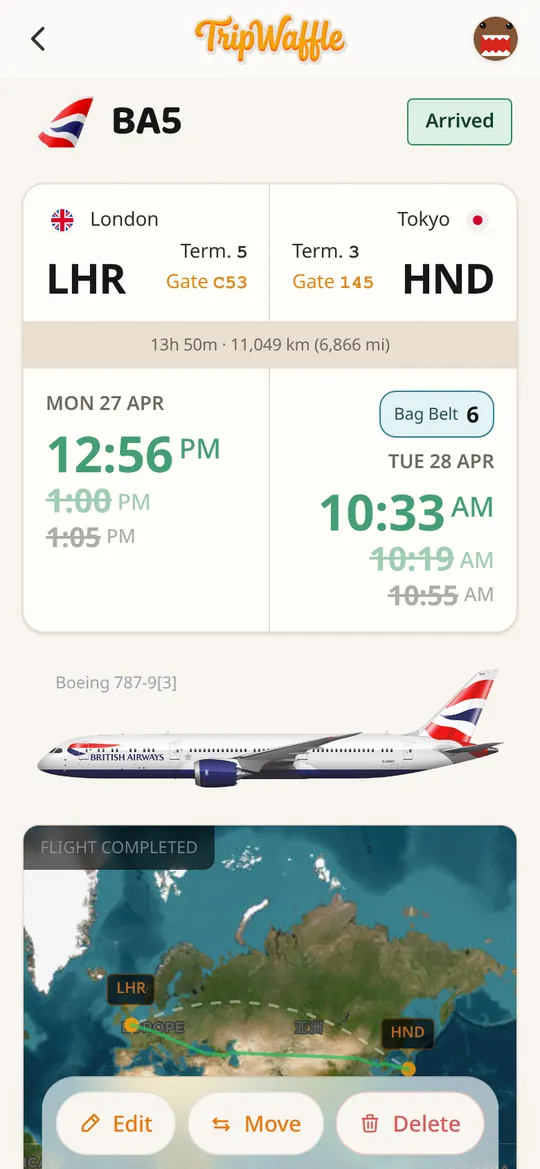
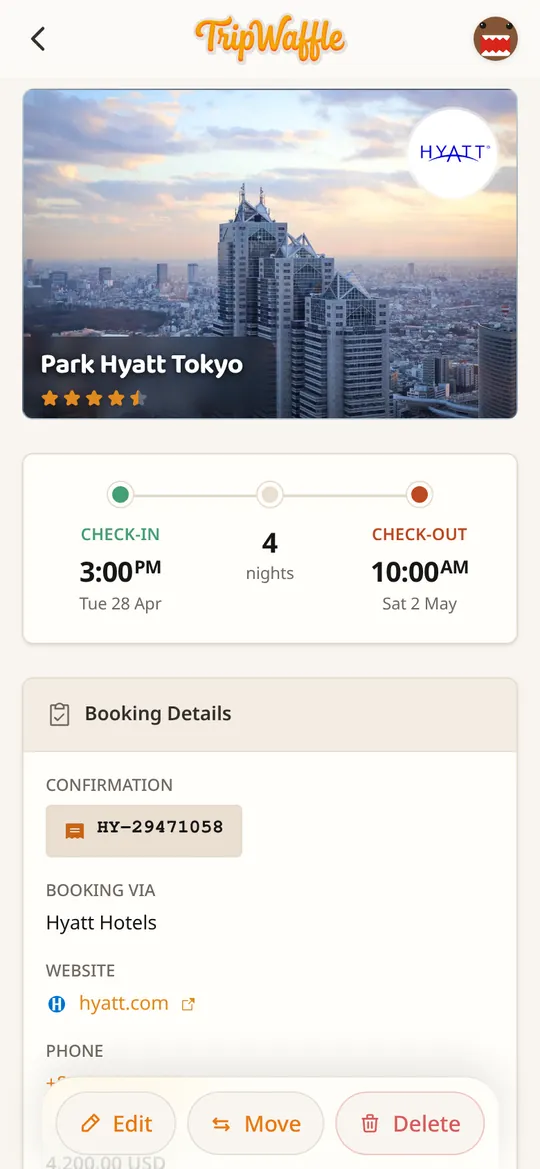
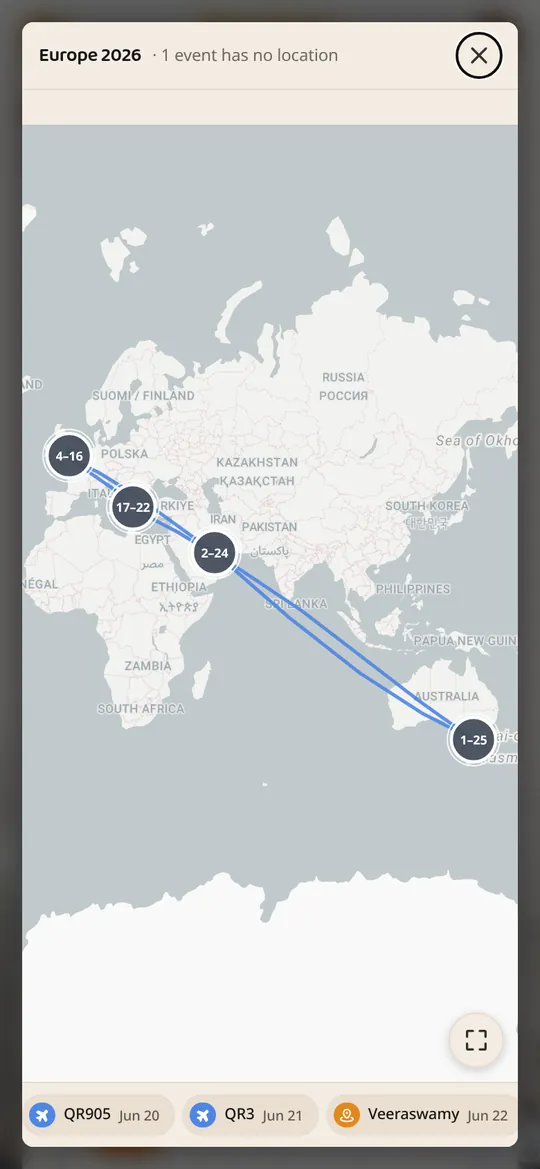


100% free · 3 second signup
Last updated: May 27, 2026