Is Durban Safe?
Durban offers good beaches, major shopping areas, and business districts, but safety varies sharply by neighborhood and time of day. Visitors who stick to well-used areas, avoid walking at night, and use app-based transport usually manage fine, while isolated streets, the CBD, and some beachfront stretches become notably riskier after dark.
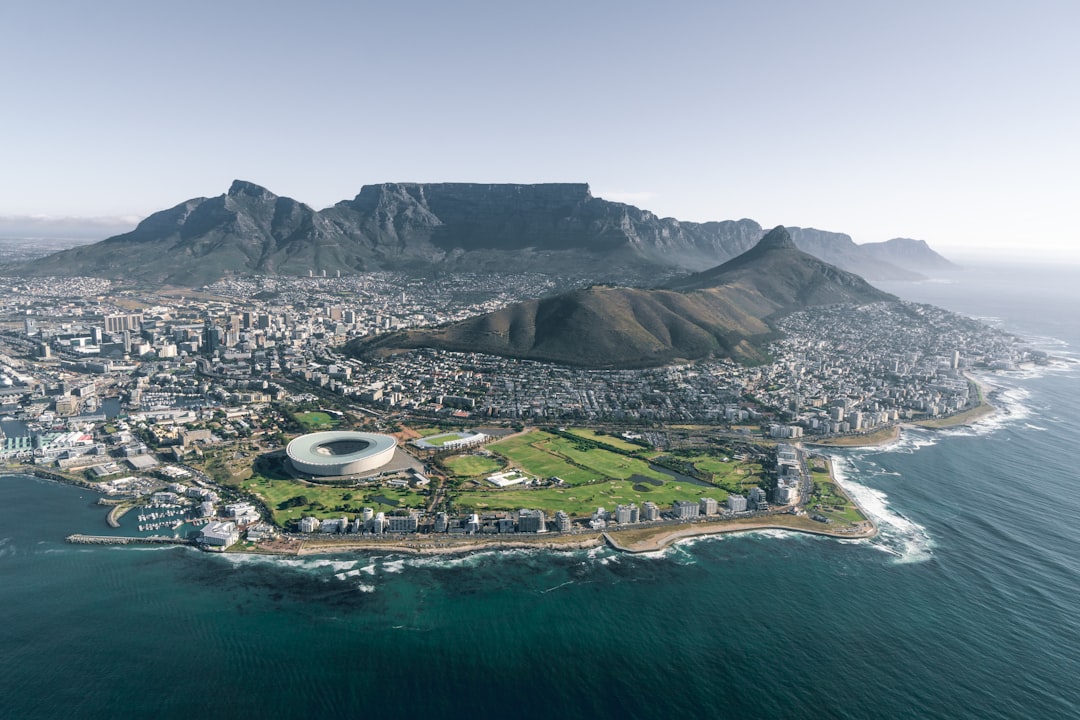
Photo: Tobias Reich / Unsplash
Perception vs Reality: Durban is often judged by South Africa's broader crime reputation. In practice, resort and northern suburban areas can feel manageable, but risk rises quickly in less busy areas, on public transport, and after dark.
Risk Scores
Scale: 1 = very low risk, 10 = very high risk
Safety Overview
Overall Safety
Durban is manageable for most travelers with local-style precautions. Area choice matters a lot, and night movement on foot is the biggest avoidable risk.
Violent Crime
Armed robbery and opportunistic street crime are real concerns in some parts of the city, especially at night or in quieter streets. Tourists are more often affected by robbery and theft than by targeted violence.
Petty Crime
Phone theft, bag snatching, and theft from parked cars are common enough to plan around. Crowded transport hubs, beachfront areas, and busy shopping zones need extra attention.
Scams
Scams are less sophisticated than in some tourist capitals, but fake helpers, overcharging drivers, and ATM distraction thefts do occur. Small cash requests and unsolicited assistance are common setups.
Night Safety
Nighttime risk rises noticeably. Avoid walking after dark outside busy restaurant or hotel zones, especially around the CBD, beachfront stretches, and transport nodes.
Public Transport
Public transport is not the easiest or safest option for visitors. Minibus taxis and rail are better avoided by tourists unfamiliar with local routes and conditions.
Police & Emergency
Police presence exists but response times and follow-up can be inconsistent. Private security is common in malls, hotels, and wealthier districts.
Day vs Night
Daytime
Daytime is generally manageable in main tourist, mall, and hotel areas if you stay alert with belongings and avoid wandering into unfamiliar central streets.
Nighttime
Night risk is significantly higher. Walking becomes the main weak point, so use direct rides between venues and avoid empty beachfront, CBD streets, and transport hubs.
Seasonal: Holiday periods, school breaks, big beach days, and major events bring bigger crowds, heavier traffic, more opportunistic theft, and more scams aimed at visitors.
Who’s Visiting?
Tourists usually do best in Umhlanga, major hotels, malls, and busy beachfront spots during the day. Problems most often come from wandering into the wrong area, displaying valuables, or moving around on foot at night.
Common Risks
- ⚠ Phone snatching
- ⚠ Bag theft on the beachfront
- ⚠ Theft from cars
- ⚠ Taxi overcharging
- ⚠ Robbery in quiet streets after dark
Tips
- ✓ Use rideshare or hotel-arranged transport at night
- ✓ Keep phones out of sight while walking
- ✓ Choose accommodation in well-reviewed, secure areas
- ✓ Do not leave bags visible in parked cars
- ✓ Ask locals or hotel staff which nearby streets to avoid
Solo women can visit Durban, but planning matters. Harassment and opportunistic targeting are more likely when walking alone, using nightlife areas late, or taking informal transport.
Common Risks
- ⚠ Street harassment
- ⚠ Unwanted attention in nightlife areas
- ⚠ Robbery when walking alone
- ⚠ Unsafe informal taxi situations
Tips
- ✓ Avoid solo walks after dark, even in tourist areas
- ✓ Use app-based rides instead of hailing random taxis
- ✓ Meet nightlife transport at the venue entrance, not down the street
- ✓ Share live trip details with a contact
- ✓ Choose accommodation with visible security and controlled access
Durban is in a country with strong legal protections, but social acceptance varies by area and crowd. Tourist, hotel, and upscale nightlife settings are generally easier than conservative or less affluent areas.
South Africa has relatively strong LGBTQ+ legal protections. Social attitudes in Durban are mixed, and public displays of affection may attract attention or harassment in some settings.
Common Risks
- ⚠ Verbal harassment
- ⚠ Discrimination in less progressive venues
- ⚠ Targeting after nightlife if visibly intoxicated or isolated
Tips
- ✓ Research venues and neighborhoods before going out
- ✓ Prefer established bars, hotels, and rideshare pickup points
- ✓ Be more discreet outside nightlife and tourist zones if unsure of the environment
- ✓ Avoid isolated beach or street routes after dark
Families usually find Durban's malls, hotel areas, and main attractions manageable by day. The main issues are theft, beach crowding, road safety, and avoiding being out late.
Common Risks
- ⚠ Pickpocketing in crowded areas
- ⚠ Children getting separated on busy beaches
- ⚠ Theft from rental cars
- ⚠ Road accidents
Tips
- ✓ Use beachfront and attraction areas during daylight hours
- ✓ Keep valuables minimal and packed away
- ✓ Agree a meetup point on beaches and in malls
- ✓ Use secure parking and do not leave items in the car
Digital nomads often base themselves in Umhlanga or other northern suburbs where security and amenities are better. Daily routines should account for power disruptions, car security, and limited trust in public transport.
Common Risks
- ⚠ Laptop theft from cars or cafes
- ⚠ Snatch theft while working in public
- ⚠ Load shedding disruption
- ⚠ Unsafe commuting after dark
Tips
- ✓ Choose accommodation with backup power and secure parking
- ✓ Do not work street-side with devices exposed
- ✓ Use mall, hotel, or established coworking environments
- ✓ Schedule evening transport ahead of time
Crime & Threats
Pickpocketing
MediumModerate risk in malls, transport hubs, markets, and busy beachfront areas. Keep wallets and phones zipped and out of back pockets.
Phone Snatching
HighVisible phone use on sidewalks, at intersections, and near busy public areas can attract snatch theft. Avoid using phones curbside or while waiting for transport.
Robbery
HighStreet robbery is a serious concern in some parts of Durban, especially at night or in quieter streets. Small groups and distracted pedestrians are easier targets.
Assault
MediumAssault risk is higher around nightlife, intoxication, arguments, and isolated areas. Most visitors reduce risk significantly by avoiding late-night walking.
Drink Spiking
MediumNot the city's defining risk, but nightlife precautions matter. Watch your drink, do not accept open drinks from strangers, and leave with trusted transport.
Taxi Scams
MediumUnmetered fares, route manipulation, and opportunistic overcharging can happen with informal taxis. App-based rides or hotel-booked transport are safer choices.
ATM Skimming
MediumATM fraud and distraction theft occur, especially at standalone machines. Use ATMs inside banks or malls and ignore unsolicited help.
Tourist Scams
MediumCommon issues are fake parking attendants, unsolicited guides, beach hustlers, and inflated service charges. Polite refusal works better than engaging.
Common Scams
Fake parking attendant
Someone unofficial offers to watch your car, then pressures you for money or lingers to observe valuables.
Park in secure, attended lots and remove all visible items before arrival.
ATM helper or distraction theft
A stranger offers help at an ATM, watches your PIN, or distracts you while a card or cash is taken.
Use ATMs inside banks or malls and refuse help from anyone nearby.
Meterless taxi overcharge
A driver quotes a low fare, then demands more on arrival or takes a longer route.
Use rideshare apps or agree the fare clearly before entering.
Beach or street hustler setup
A friendly seller or guide starts a conversation, then pressures for payment or creates a distraction for theft.
Decline firmly, keep walking, and do not reveal where you are staying.
Area Safety
Safer Areas
Popular with visitors, with stronger private security, hotels, restaurants, and better nighttime infrastructure than most of central Durban.
Mostly residential and commercial, generally calmer than the CBD, especially for accommodation and dining.
Usually fine by day when active and event-linked, with visible security and steady foot traffic.
Be More Careful
Busy and useful in daytime, but theft, robbery, and street harassment risks are higher, especially if you look lost or carry valuables.
A major transport and market hub with heavy crowds and petty theft risk. Not ideal for unfamiliar visitors carrying phones or bags openly.
Touristy by day but less predictable at night, with higher robbery and harassment risk on quieter stretches.
Conditions vary block by block. Some redeveloped sections are fine, but poorly lit or quiet streets can feel exposed.
Getting Around
Walking
Fine in limited, busy areas by day such as parts of Umhlanga and major attractions, but avoid casual walking in the CBD or beachfront after dark. Keep routes short and deliberate.
Taxis & Rideshare
App-based rides are usually the best option for visitors. Confirm vehicle details, wait inside secure premises, and avoid accepting rides from drivers who approach you directly.
Trains & Buses
Rail and informal transport are not recommended for most tourists due to safety and reliability concerns. If using buses, stick to known routes in daylight and keep valuables hidden.
Do’s & Don’ts
Do
- Base yourself in well-reviewed areas such as Umhlanga or secure northern suburbs
- Use rideshare after dark
- Carry only what you need for the outing
- Keep car interiors empty and trunks closed before parking
- Ask hotel staff which nearby areas are fine on foot
Don’t
- Do not walk alone at night on the beachfront or in the CBD
- Do not display phones, jewelry, or cameras unnecessarily
- Do not use isolated ATMs or accept help from strangers at them
- Do not rely on informal public transport if you do not know the system
- Do not leave bags or electronics visible in parked cars
How Does It Compare?
Safer Than
Riskier Than
Durban sits in the middle: not among the highest-risk global cities, but clearly above mainstream tourist-city safety levels. Neighborhood choice has a bigger effect here than in many destinations.
Frequently Asked Questions
Generally manageable with planning, but tourists should avoid walking at night, use rideshare, and stay in better-known areas like Umhlanga.
Umhlanga and parts of Durban North are usually the easiest choices for visitors because they have more hotels, restaurants, and private security.
Nighttime is the main risk period. Avoid walking, especially in the CBD, beachfront stretches, and quiet side streets.
Data Notes
- Crime patterns in Durban can change quickly by block, time of day, and local events.
- Some neighborhood-level conditions vary between recent visitor reports and long-term local perceptions.
- Public transport safety and reliability can shift, so advice is conservative for visitors unfamiliar with the city.
Other Destinations in South Africa
Traveling to Durban?
TripWaffle organizes your entire trip — flights, hotels, trains, events — in one beautiful itinerary. Just forward your confirmation emails.


100% free · 3 second signup
Last updated: March 21, 2026