
Is Valencia Safe?
Valencia is generally a safe city for most travelers, with low violent crime and a relaxed feel compared with some larger European tourist hubs. The main issues are pickpocketing, opportunistic theft in busy central areas, and extra caution around nightlife, beaches, and major festivals.
Photo: travelnow.or.crylater / Unsplash
Perception vs Reality: Valencia is often seen as very easygoing and safer than Barcelona or Madrid, which is broadly true, but petty theft still happens in crowded tourist and nightlife areas.
Risk Scores
Scale: 1 = very low risk, 10 = very high risk
Safety Overview
Overall Safety
Valencia is one of Spain's easier big cities for travelers, especially by day. Most safety problems involve theft rather than violence.
Violent Crime
Violent crime affecting visitors is uncommon. Most incidents are opportunistic theft, occasional drunken disputes, or late-night altercations.
Petty Crime
Pickpocketing and bag theft are the main concerns in Ciutat Vella, around transport hubs, beaches, and festival crowds. Unattended phones and bags are easy targets.
Scams
Scams are usually low-level: distraction theft, tourist overcharging, and occasional taxi or nightlife billing issues. Aggressive scam patterns are less common than in some larger tourist cities.
Night Safety
Central nightlife areas are usually lively rather than dangerous, but intoxicated crowds increase the chance of theft and harassment. Quieter beach or park stretches feel less comfortable late at night.
Public Transport
Metro, tram, and buses are generally safe and straightforward. Watch pockets and bags during rush hour, near Xàtiva, Colón, and train stations.
Police & Emergency
Police presence is visible in central and tourist zones, and emergency response is generally reliable. Basic English may vary, but tourist-facing areas are used to visitors.
Day vs Night
Daytime
Daytime is generally low risk, including in central areas, markets, and public transport. Theft risk rises mainly in dense tourist crowds and on the beach.
Nighttime
Night remains manageable in busy central districts, but risk increases around bars, clubs, quieter beach areas, and isolated park routes. Theft and harassment matter more than serious violence.
Seasonal: Las Fallas brings very large crowds, fireworks, road closures, heavy drinking, and a noticeable rise in pickpocketing and confusion-related theft. Summer beach season also increases opportunistic theft.
Who’s Visiting?
Tourists usually find Valencia easy to navigate and relatively low-stress. The main issue is theft in crowded or nightlife-heavy areas.
Common Risks
- ⚠ Pickpocketing in the old town and transport hubs
- ⚠ Bag or phone theft on terraces or at the beach
- ⚠ Overpaying for taxis or nightlife charges
- ⚠ Festival crowd theft during Las Fallas
Tips
- ✓ Keep phones off café tables and bags zipped in crowded areas
- ✓ Use licensed taxis or rideshare-style apps where available
- ✓ Carry only what you need for the day
- ✓ Stay alert in Ciutat Vella, Xàtiva, and beach areas after dark
Valencia is generally comfortable for solo women, including in central areas and on public transport. The bigger concerns are street harassment, intoxicated crowds, and isolated areas late at night.
Common Risks
- ⚠ Catcalling in nightlife zones or near beaches
- ⚠ Unwanted attention from intoxicated groups
- ⚠ Feeling isolated on quieter streets, parks, or beachfront late at night
Tips
- ✓ Prefer busy, well-lit routes at night
- ✓ Avoid walking alone on quiet beach stretches after bars close
- ✓ Watch drinks in clubs and busy bars
- ✓ Use a taxi if returning late from El Carmen, the beach, or festivals
Valencia is generally LGBTQ-friendly, especially in central districts and younger social scenes. Most visitors face low legal risk and low-to-moderate social friction.
Same-sex relationships and LGBTQ expression are legal in Spain, and Valencia is broadly tolerant, though attitudes can be less open in some late-night or intoxicated settings.
Common Risks
- ⚠ Verbal harassment from drunk individuals
- ⚠ Petty theft in nightlife environments
- ⚠ Occasional discomfort with public displays of affection in less busy areas at night
Tips
- ✓ Central nightlife and established venues are usually the most comfortable
- ✓ Treat late-night crowds like any other nightlife risk: watch drinks and belongings
- ✓ If a venue feels hostile, leave rather than argue
Valencia is a good city for families, with walkable areas, parks, and generally manageable safety risks. Heat, traffic, and crowded festivals are often bigger concerns than crime.
Common Risks
- ⚠ Pickpocketing in crowded sightseeing areas
- ⚠ Children getting separated during festivals or beach days
- ⚠ Heat and sun exposure in warmer months
Tips
- ✓ Set a meeting point in crowded places
- ✓ Keep valuables secure in strollers and beach bags
- ✓ Use shade, water, and sun protection in summer
- ✓ Be extra careful around fireworks and dense crowds during Las Fallas
Valencia is popular with remote workers and generally comfortable for longer stays. Theft risk is still worth managing in cafés, coworking spaces, and on transit.
Common Risks
- ⚠ Laptop or phone theft from unattended tables
- ⚠ Bag theft on public transport
- ⚠ Apartment security issues with short-term rentals
Tips
- ✓ Do not leave devices unattended, even briefly
- ✓ Check building entry security when booking apartments
- ✓ Back up data and use device tracking
- ✓ Avoid working with valuables spread out on busy terraces
Crime & Threats
Pickpocketing
MediumThe most common visitor risk, especially in Ciutat Vella, around markets, stations, and during festivals.
Phone Snatching
MediumLess notorious than in some cities, but phones left on tables or held loosely near roads or crowds can be taken quickly.
Robbery
LowStreet robbery is not a leading risk for visitors, though isolated late-night incidents can happen around nightlife or quieter areas.
Assault
LowAssault risk is generally low and more often linked to nightlife, alcohol, or personal disputes than targeted attacks on tourists.
Drink Spiking
LowNot a top citywide risk, but basic nightlife precautions are sensible in clubs, festivals, and busy bars.
Taxi Scams
LowMost taxis are routine, but visitors may encounter longer routes, unclear airport pricing, or refusal of card payment.
ATM Skimming
LowUse bank ATMs rather than standalone machines in tourist areas, and shield your PIN.
Tourist Scams
MediumExpect distraction tactics, inflated prices in tourist-heavy spots, and occasional nightlife overcharging rather than elaborate scams.
Common Scams
Distraction pickpocketing
Someone asks for directions, signatures, or help while an accomplice targets your bag, phone, or wallet.
Keep valuables zipped and close to your body, and do not let strangers crowd you.
Terrace theft
A phone, bag, or wallet left on a café table or chair is taken while you are distracted.
Keep items on your person or loop a bag strap around your leg or chair.
Taxi overcharging
A driver takes a longer route, adds unclear extras, or claims the card machine is not working.
Use licensed taxis, follow the route on your map, and confirm card acceptance before departure.
Nightlife overbilling
A bar or club presents unclear drink pricing or inflated charges late in the evening.
Check prices before ordering, avoid venues with aggressive promoters, and review the bill before paying.
Festival crowd theft
During Las Fallas or other major events, thieves use dense crowds and fireworks distractions to steal phones and wallets.
Carry minimal valuables, use front pockets or an inside pouch, and avoid opening your wallet in dense crowds.
Area Map
Approximate locations from public sources. Conditions vary by time of day and current events.
Area Safety
Safer Areas
Central, residential, and generally well-trafficked, with a calmer feel than the old town at night.
Well-regarded residential area with parks, broad streets, and a relatively low-crime feel.
Popular and open, with fewer old-town crowding issues, though normal anti-theft care still applies.
Be More Careful
Busy tourist and nightlife zone where pickpocketing, drunken behavior, and late-night nuisance incidents are more likely.
Crowds, luggage, and distracted travelers make this a common theft zone.
Usually fine by day, but quieter stretches and late-night crowds increase theft and harassment risk.
Popular by day, but some stretches feel isolated at night and are less ideal for solo walking.
Getting Around
Walking
Walking is generally safe in central Valencia, especially by day and early evening. At night, stick to well-lit busy streets and avoid isolated park or beachfront stretches.
Taxis & Rideshare
Licensed taxis are usually reliable. Confirm the meter is used, check approximate route on your phone, and be cautious with unofficial offers near stations or nightlife spots.
Trains & Buses
Metro, tram, and buses are safe for most travelers. Keep bags closed and in front of you near major stations and during crowded times.
Do’s & Don’ts
Do
- Keep bags zipped and phones secure in crowded areas
- Use well-lit streets at night
- Watch belongings on beaches, terraces, and public transport
- Plan extra time and meeting points during festivals
- Use bank ATMs and shield your PIN
Don’t
- Do not leave phones or bags on café tables
- Do not walk alone through isolated park or beach areas late at night
- Do not get into unofficial taxis
- Do not carry all cards and cash in one place
- Do not assume festival crowds are low risk just because the atmosphere is friendly
How Does It Compare?
Frequently Asked Questions
Yes, Valencia is generally safe for tourists. The main risk is petty theft in crowded areas, stations, beaches, and nightlife zones.
Usually yes in busy central areas, but late-night caution is wise around El Carmen, quiet beach stretches, and isolated park routes.
Valencia is generally comfortable for solo women, though nightlife harassment and isolated late-night walks are the main concerns.
Data Notes
- Safety can vary block by block in nightlife and beach-adjacent areas, especially late at night.
- Conditions change noticeably during Las Fallas and other large events, when crowd-related theft risk rises.
- Some district reputations, especially around Cabanyal, may lag behind current conditions and can differ by street and time of day.
Traveling to Valencia?
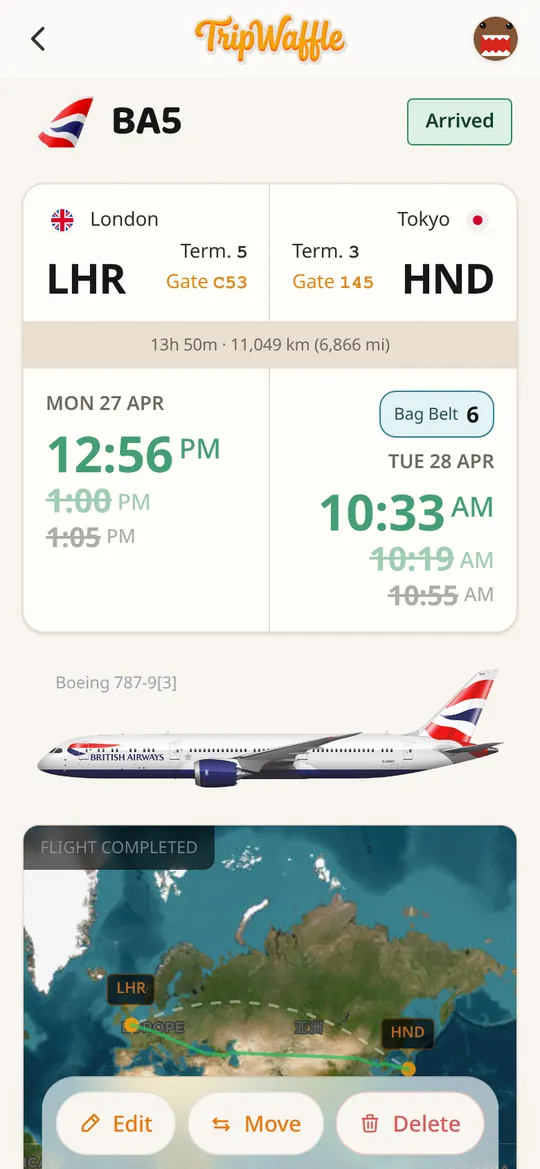
TripWaffle organizes your whole trip in one beautiful itinerary - and watches over it: government advisory alerts, the local emergency number, and entry requirements for Valencia, plus live flight tracking. Just forward your confirmation emails.


100% free · 3 second signup
Last updated: May 27, 2026