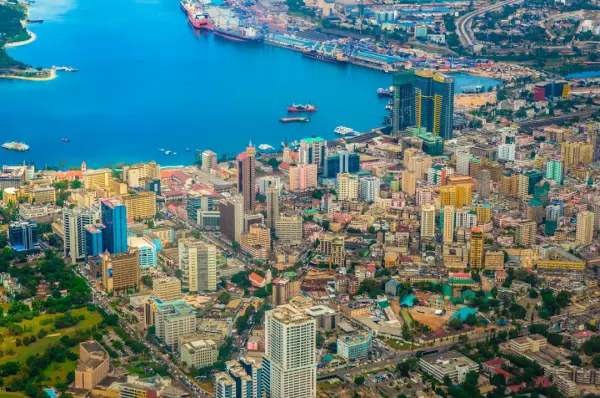
Is Dar es Salaam Safe?
Dar es Salaam is manageable for most travelers, but it is not a low-risk city by global tourist standards. Petty theft, opportunistic robbery, and transport-related scams are the main issues, with noticeably higher risk after dark and around crowded markets, bus hubs, and isolated streets.
Photo: Peter Mitchell / Unsplash
Perception vs Reality: The city has a rough reputation, but many visitors have trouble-free stays when they use trusted transport, avoid flashing valuables, and limit walking at night. The risk is real, though, especially for street crime in crowded or poorly lit areas.
Risk Scores
Scale: 1 = very low risk, 10 = very high risk
Safety Overview
Overall Safety
Most trips are incident-free with sensible habits, but street crime is a real concern. Use cars or trusted taxis after dark and stay alert in markets, transport hubs, and waterfront transit areas.
Violent Crime
Violent crime is usually opportunistic rather than random, with robberies and muggings more likely at night or in quieter streets. Resistance during a robbery can increase the risk of injury.
Petty Crime
Pickpocketing, bag theft, and phone theft are common in crowded areas like Kariakoo, bus terminals, and busy streets. Keep phones out of sight and carry only what you need.
Scams
Taxi overcharging, fake helpers, and inflated prices for tourists are common. Use hotel-arranged or app-based transport where possible and confirm fares before starting a ride.
Night Safety
Night risk is meaningfully higher than daytime risk. Avoid walking alone after dark outside well-secured hotel, restaurant, and nightlife zones.
Public Transport
Buses and daladalas are cheap but crowded, with higher pickpocket risk and less predictability. The BRT is generally easier to use than informal buses, but still requires close attention to belongings.
Police & Emergency
Police response can be uneven, and language or process issues can slow reporting. Hotels, hosts, or reputable local contacts are often the fastest help for practical support.
Day vs Night
Daytime
Daytime is generally manageable in business, hotel, and busy shopping areas if you keep valuables secure and avoid unnecessary displays of cash or electronics.
Nighttime
Risk rises at night, especially for walking, isolated beaches, side streets, and areas around transit hubs. Use prearranged transport rather than walking between venues.
Seasonal: Heavy rains can cause flooding, road disruption, and slower emergency access. Holiday periods, markets, and ferry travel surges can increase crowding, petty theft, and transport scams.
Who’s Visiting?
Tourists are most exposed to theft, overcharging, and street-level scams rather than targeted violence. Organized sightseeing, trusted drivers, and daytime movement reduce risk significantly.
Common Risks
- ⚠ Pickpocketing in markets and terminals
- ⚠ Taxi fare inflation
- ⚠ Phone theft from the street or vehicle window
- ⚠ Unofficial port or ferry 'helpers'
Tips
- ✓ Use hotel-arranged or app-based rides, especially at night
- ✓ Keep bags zipped and phones off display in crowded areas
- ✓ Carry small cash and keep backup money separate
- ✓ Ignore unsolicited help at transport hubs unless arranged in advance
Many solo women visit without major issues, but harassment, persistent attention, and higher night risk are common concerns. Staying in well-reviewed areas and avoiding solo walking after dark makes a big difference.
Common Risks
- ⚠ Verbal harassment
- ⚠ Unwanted attention in nightlife areas
- ⚠ Theft during solo transit
- ⚠ Drink tampering risk in some bars and clubs
Tips
- ✓ Choose accommodation in busier, well-known areas like Masaki or Oysterbay
- ✓ Use trusted transport door to door after dark
- ✓ Watch drinks closely and avoid leaving them unattended
- ✓ If a street feels empty or poorly lit, switch to a ride rather than continue walking
LGBTQ travelers face a higher risk profile than the average visitor due to restrictive laws and conservative social attitudes. Discretion is important, especially outside international hotels, expat venues, and private settings.
Same-sex relations are criminalized in Tanzania, and social attitudes are generally conservative. Public displays of affection and open discussion of sexuality can attract unwanted attention or serious problems.
Common Risks
- ⚠ Harassment or hostility
- ⚠ Extortion or intimidation
- ⚠ Problems if using dating apps carelessly
- ⚠ Increased scrutiny in public or nightlife settings
Tips
- ✓ Keep personal life private in public spaces
- ✓ Be cautious with dating apps and avoid rushed meetups
- ✓ Prefer internationally oriented hotels and venues
- ✓ Do not assume urban nightlife means broad social acceptance
Families usually do best in secure hotels, serviced apartments, and organized transport. The main issues are road safety, heat, crowds, and petty theft rather than family-specific crime.
Common Risks
- ⚠ Traffic and road crossing hazards
- ⚠ Bag theft in crowded areas
- ⚠ Heat and dehydration
- ⚠ Crowding at markets and ferry points
Tips
- ✓ Use private transport with children instead of crowded buses
- ✓ Plan outings earlier in the day
- ✓ Keep valuables minimal during family excursions
- ✓ Choose accommodation with good on-site security
Dar es Salaam is workable for remote stays, especially in the peninsula and expat-friendly districts, but daily safety depends on transport choices and device security. Petty theft and uneven infrastructure are more common issues than serious violence.
Common Risks
- ⚠ Laptop and phone theft
- ⚠ Taxi overcharging
- ⚠ Street risk when moving between cafes or apartments after dark
- ⚠ Power or connectivity inconsistency in some areas
Tips
- ✓ Avoid working with devices visible near open street-facing windows
- ✓ Use secure accommodation with backup power if possible
- ✓ Take rides after dark instead of walking with electronics
- ✓ Keep device backups and use strong account security on public networks
Crime & Threats
Pickpocketing
HighCommon in busy commercial districts, crowded buses, markets, and transit hubs, especially Kariakoo and major terminals.
Phone Snatching
MediumPhones can be grabbed on busy streets or through open vehicle windows. Avoid using your phone near the curb or in slow traffic.
Robbery
MediumStreet robberies happen, with higher risk after dark, on quiet roads, or when visibly carrying valuables.
Assault
MediumAssault risk is not usually random for visitors, but disputes, nightlife, or resisting theft can increase danger.
Drink Spiking
MediumReported risk exists in nightlife settings. Watch drinks closely and avoid accepting open drinks from strangers.
Taxi Scams
MediumCommon issues include inflated fares, indirect routes, and drivers claiming meters or agreed prices were misunderstood.
ATM Skimming
MediumUse ATMs at banks, malls, or major hotels rather than isolated machines, and shield your PIN.
Tourist Scams
MediumFake helpers, inflated tour prices, and aggressive touting are most common around transport points and tourist logistics.
Common Scams
Taxi overcharge
Drivers quote a low price then demand more on arrival, take a longer route, or claim there was a misunderstanding.
Use app-based or hotel-arranged rides, or agree the fare clearly before departure.
Fake ferry or terminal helper
Unofficial helpers approach travelers, carry bags, or claim to assist with tickets, then demand payment or steer you to inflated services.
Use official counters only and decline unsolicited help unless your hotel or operator arranged it.
ATM card swap or skimming
Criminals tamper with machines or distract users to observe PINs and compromise cards.
Use ATMs inside banks or major hotels, inspect the machine, and shield the keypad.
Inflated tour or transport quote
Visitors are quoted much higher prices for short rides, day trips, or informal guiding services.
Compare prices through your accommodation or a known operator and avoid agreeing under pressure.
Area Map
Approximate locations from public sources. Conditions vary by time of day and current events.
Area Safety
Safer Areas
Upscale area with hotels, restaurants, more private security, and easier access to trusted transport.
Popular with expats and visitors, generally calmer and better lit than denser commercial districts.
Better suited to visitors staying in established hotels or apartments, especially when using door-to-door transport.
Be More Careful
Very crowded market zone with elevated pickpocketing, bag theft, and confusion-based scams.
Busy by day but less comfortable at night, with higher robbery and harassment risk on quieter streets.
Crowds, touts, luggage theft, and transport scams are more common around long-distance bus traffic.
Unofficial helpers, overcharging, and distraction theft are recurring problems, especially during travel rushes.
Getting Around
Walking
Fine for short daytime stretches in busier, familiar areas, but not ideal for long distances. Avoid walking alone after dark or carrying visible valuables.
Taxis & Rideshare
A safer choice than walking at night. Use hotel cars, known taxi operators, or app-based rides where available, and confirm the fare or route in advance.
Trains & Buses
Daladalas are crowded and less comfortable for visitors, with a higher pickpocket risk. BRT routes are more straightforward but still require close attention to belongings, especially at stations.
Do’s & Don’ts
Do
- Use trusted transport after dark
- Keep phones and jewelry out of sight in crowded areas
- Stay in well-reviewed neighborhoods with visible security
- Carry only the cash you need for the day
- Use bank or hotel ATMs where possible
Don’t
- Do not walk alone late at night on quiet streets
- Do not display expensive watches, phones, or cameras casually
- Do not accept unsolicited help at ports, stations, or bus terminals
- Do not leave drinks unattended in bars or clubs
- Do not keep all cash and cards in one place
How Does It Compare?
Safer Than
Riskier Than
This is a broad qualitative comparison for typical visitors. Risk varies a lot by neighborhood, time of day, and transport choices.
Frequently Asked Questions
Generally yes with precautions, but theft and transport scams are common. Use trusted rides, secure valuables, and avoid walking at night.
Not usually recommended outside well-known, busy areas. Door-to-door transport is safer than walking after dark.
Masaki, Oysterbay, and parts of the Msasani Peninsula are usually the easiest areas for visitors because they have better security and transport options.
Data Notes
- Reliable neighborhood-level crime data is limited, so risk can vary more than broad city summaries suggest.
- Safety conditions can change quickly around bus terminals, ferry areas, and nightlife zones depending on crowd levels and time of day.
- LGBTQ risk is high in legal and social terms, but individual experiences vary significantly based on discretion, venue, and current local enforcement.
Other Destinations in Tanzania
Traveling to Dar es Salaam?
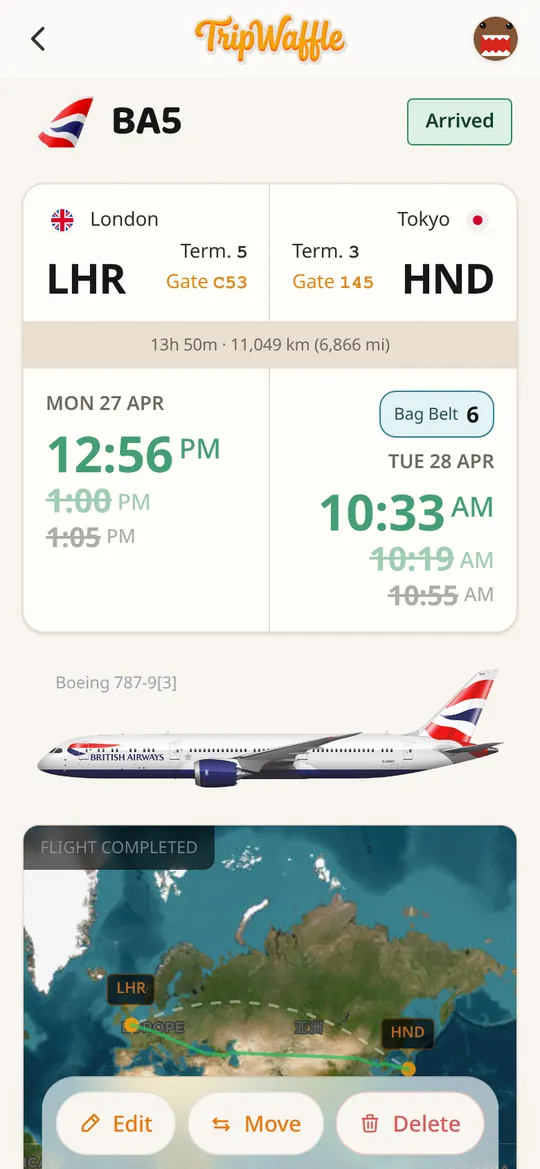
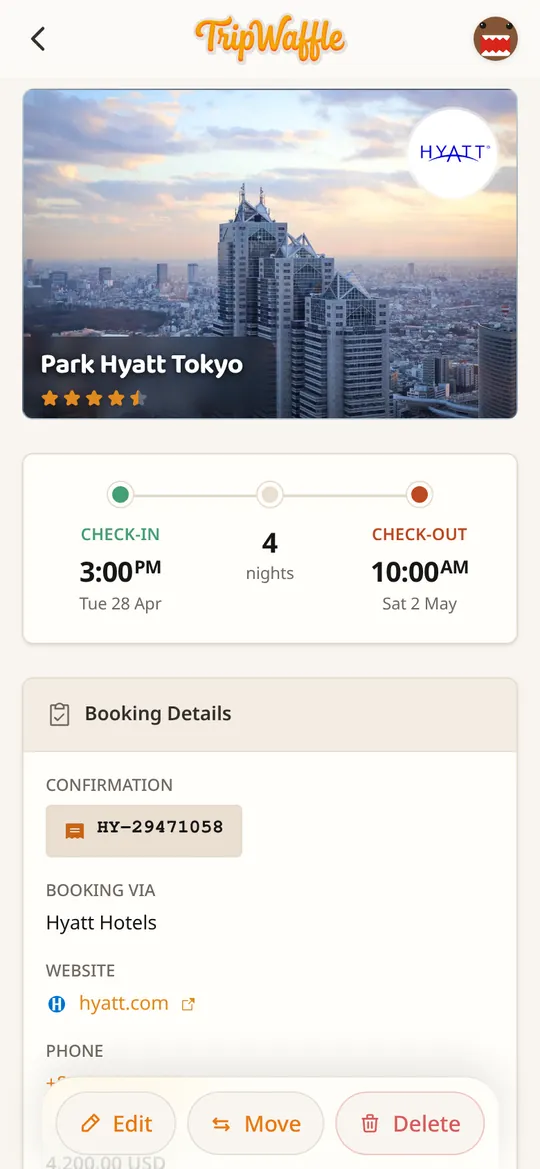
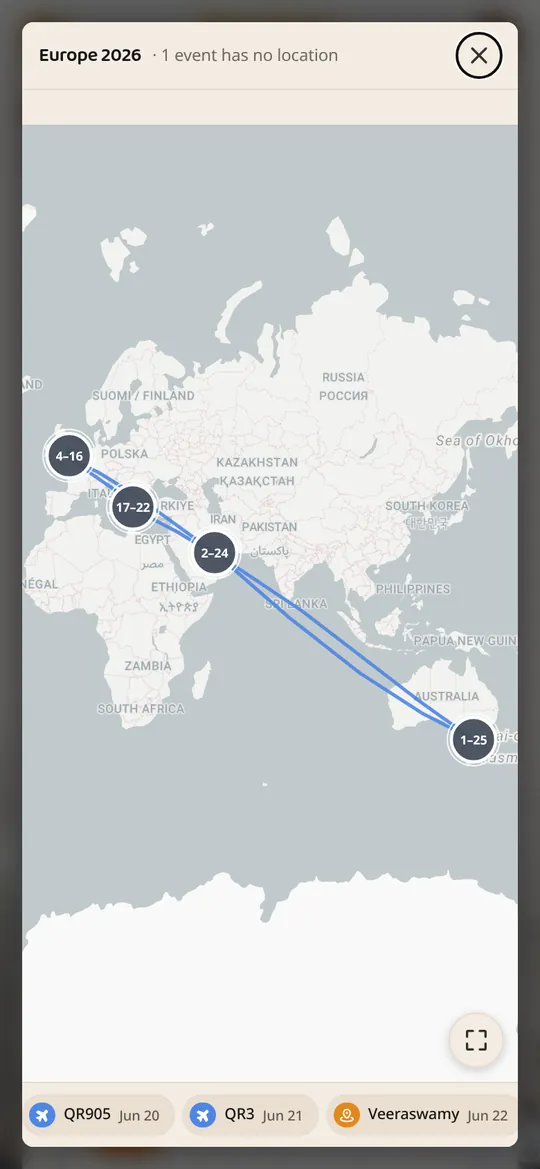
TripWaffle organizes your whole trip in one beautiful itinerary - and watches over it: government advisory alerts, the local emergency number, and entry requirements for Dar es Salaam, plus live flight tracking. Just forward your confirmation emails.


100% free · 3 second signup
Last updated: May 27, 2026