Is Austin Safe?
Austin is generally safe for most travelers, with the main issues being theft from cars, late-night disorder in entertainment districts, and occasional street crime in crowded or isolated spots. Most visits are trouble-free if you avoid leaving valuables visible, plan nightlife transport, and stay alert around major events.
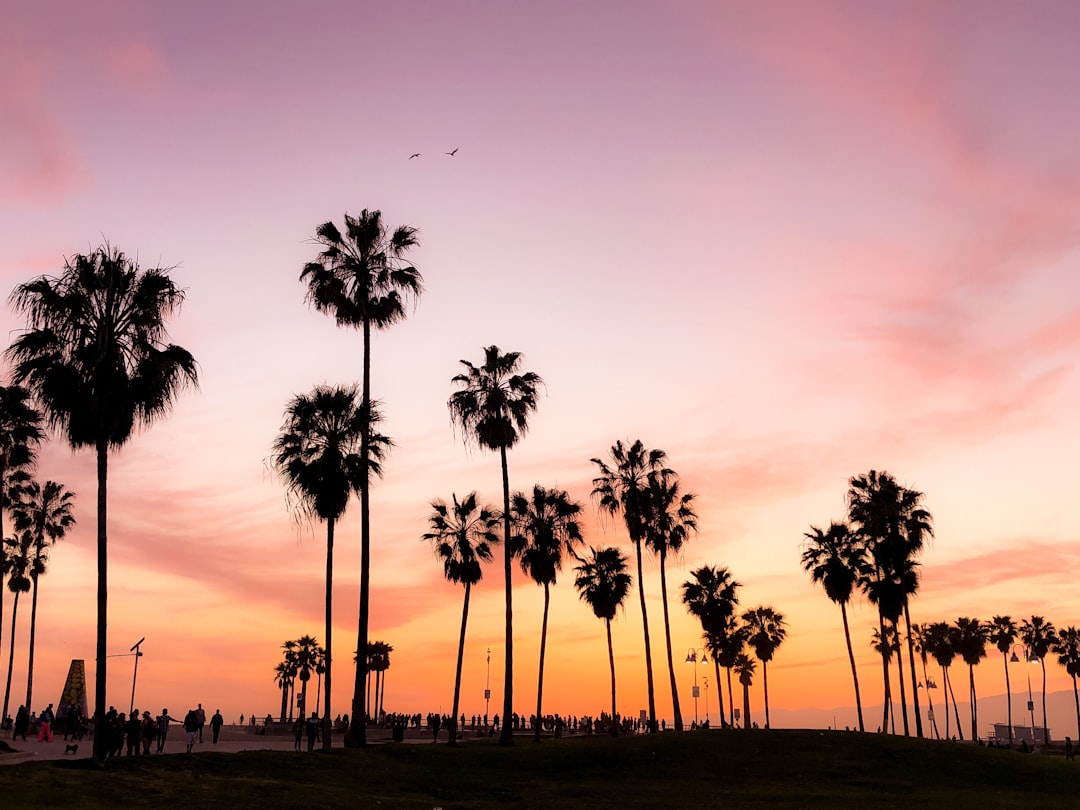
Photo: Viviana Rishe / Unsplash
Perception vs Reality: Austin's friendly, laid-back image is mostly accurate, but visitors often underestimate car break-ins, bike theft, and the risks around heavy-drinking nightlife zones.
Risk Scores
Scale: 1 = very low risk, 10 = very high risk
Safety Overview
Overall Safety
Austin is a fairly safe US city for visitors, especially by day. Most problems tourists face are property crime, intoxicated crowds, and opportunistic theft rather than targeted violence.
Violent Crime
Serious violence exists but is not the typical risk for visitors. The higher-risk situations are usually tied to nightlife conflicts, domestic disputes, or specific local crime patterns rather than random attacks on tourists.
Petty Crime
Car break-ins, bike theft, and theft of unattended phones or bags are common practical concerns. Trailhead parking lots, festival areas, and nightlife districts need extra attention.
Scams
Austin has fewer classic tourist scams than some major destinations, but fake ticket sales, parking payment scams, and late-night fare or tab disputes do happen. Most losses come from convenience and distraction rather than elaborate fraud.
Night Safety
Night risk rises noticeably in Dirty Sixth, Rainey Street, and around bar closing times. Intoxicated crowds, fights, drunk driving risk, and difficulty getting transport are bigger issues than daytime crime.
Public Transport
CapMetro buses and MetroRail are generally usable and not unusually dangerous, but coverage is limited and some stops feel isolated after dark. Rideshare is often the simpler late-night option.
Police & Emergency
Emergency response is available through 911. Around major events and busy downtown weekends, response times and police visibility can vary, so basic self-protection and quick exits matter.
Day vs Night
Daytime
Most central visitor areas are comfortable by day. The bigger daytime risks are theft from parked cars, unsecured bikes, and heat in warmer months.
Nighttime
Night risk rises in bar districts, around closing time, and on poorly lit walks between venues, parking, and lodging. Plan transport in advance and avoid wandering while intoxicated.
Seasonal: SXSW, Austin City Limits, Formula 1 weekends, UT football games, and large concerts bring crowding, theft opportunities, fake ticket sales, surge pricing, and slower transport. Summer heat and occasional flash flooding can also affect safety and mobility.
Who’s Visiting?
Tourists usually do well in Austin if they treat it like a busy US city rather than a carefree festival town. The biggest mistakes are leaving bags in cars and underestimating late-night crowds.
Common Risks
- ⚠ Car break-ins at trailheads, parks, and downtown garages
- ⚠ Phone or wallet theft in bars and festivals
- ⚠ Fake or overpriced resale tickets during major events
- ⚠ Rideshare confusion after concerts or bar closing
Tips
- ✓ Do not leave anything visible in a parked car, even briefly
- ✓ Use official apps for event tickets and parking payments
- ✓ Book rides from well-lit pickup points
- ✓ Keep your phone secure in crowded bars and music venues
Austin is one of the easier US cities for solo women to visit, especially in busy central areas by day. Risk rises late at night around bars, isolated parking areas, and poorly lit walking routes.
Common Risks
- ⚠ Harassment from intoxicated people in nightlife districts
- ⚠ Drink tampering concerns in crowded bars
- ⚠ Walking alone from bars to distant parking or lodging
- ⚠ Unwanted attention on less busy trails after dark
Tips
- ✓ Prefer rideshare over walking alone after late nights out
- ✓ Watch drinks being made and do not leave them unattended
- ✓ Choose accommodation in active, well-lit areas if going out often
- ✓ Share trip details when heading to trailheads or nighttime events
Austin is generally welcoming and is one of the more LGBTQ-friendly cities in Texas. Most travelers face low direct risk in central neighborhoods, though comfort can vary outside the city core.
Same-sex relationships are legal in the United States, and Austin has a strong LGBTQ presence and visible inclusive venues. Social attitudes in Austin are often more accepting than broader state politics may suggest.
Common Risks
- ⚠ Occasional verbal harassment, especially late at night or from intoxicated individuals
- ⚠ Higher discomfort in less central or more conservative settings
- ⚠ Standard nightlife theft risks
Tips
- ✓ Stick to established venues and well-trafficked areas for nightlife
- ✓ Use rideshare after bars rather than long walks late at night
- ✓ Treat event crowds and bar districts as theft environments first
Austin works well for families in daytime cultural areas, parks, and residential districts. Family safety issues are more about traffic, heat, water hazards, and securing belongings than street crime.
Common Risks
- ⚠ Heat exhaustion in warmer months
- ⚠ Traffic around busy downtown and event areas
- ⚠ Theft from parked cars at parks and swimming spots
- ⚠ Crowding during festivals and university game days
Tips
- ✓ Carry water and plan shade breaks in hot weather
- ✓ Use staffed parking or empty your car before arriving
- ✓ Keep children close near water, festivals, and busy streets
- ✓ Avoid the downtown bar core at night with kids
Austin is comfortable for remote workers, with many cafes and coworking options, but device theft and vehicle burglary are practical concerns. The city is easy to work from, but not a place to get casual about gear.
Common Risks
- ⚠ Laptop theft from cars or unattended tables
- ⚠ Bike theft if commuting by bicycle
- ⚠ Package theft at short-term rentals
- ⚠ High rideshare costs and transport gaps after events
Tips
- ✓ Never store work gear in a parked vehicle
- ✓ Use strong locks if biking and indoor storage when possible
- ✓ Pick lodging with secure entry and package handling
- ✓ Check neighborhood lighting and walkability before booking
Crime & Threats
Pickpocketing
MediumNot constant, but it happens in packed bars, music festivals, and event queues. Phones and wallets are the usual targets.
Phone Snatching
MediumMore likely in nightlife settings when phones are visible or left on tables. Fast grab-and-run theft is possible in crowded areas.
Robbery
LowStreet robbery is not the main visitor risk, but isolated late-night walks and intoxication increase vulnerability.
Assault
MediumMost visitor-relevant assault risk is tied to nightlife, arguments, or intoxicated crowds rather than daytime tourism.
Drink Spiking
MediumReports surface in busy bar zones, especially on heavy weekends. Watch drinks closely and avoid accepting open drinks from strangers.
Taxi Scams
LowClassic taxi scams are limited, but late-night overcharging, wrong drop-offs, or confusion with unofficial pickups can happen.
ATM Skimming
LowUse bank ATMs or machines inside businesses. Standalone machines in nightlife areas carry more risk.
Tourist Scams
MediumThe more common issues are fake event tickets, parking payment scams, and padded bar tabs rather than street hustles.
Common Scams
Fake event tickets
Scammers sell invalid or duplicated tickets for festivals, concerts, or games through resale posts or street offers.
Buy through official platforms or established resale services only, and avoid screenshots or last-minute cash deals.
Parking payment QR scam
Fake QR stickers or misleading signs direct drivers to fraudulent parking payment pages.
Use the official parking app or posted payment instructions, and check for tampered stickers.
Bar tab padding
In crowded nightlife settings, extra drinks or larger tips may be added to an open tab.
Review the receipt before signing, close tabs promptly, and use mobile alerts on your card.
Late-night ride confusion
Unofficial drivers or mistaken pickups target people leaving bars or events.
Match the plate, name, and car before entering, and walk to a well-lit official pickup zone.
Area Safety
Safer Areas
Well-planned, residential, and generally comfortable for families and visitors, especially by day and early evening.
Busy mixed-use area with hotels, shops, and visible activity; still watch for nightlife-related theft late.
Popular and usually comfortable for visitors in daytime and evening, with lots of foot traffic and businesses.
Be More Careful
The city's most common hotspot for intoxicated crowds, fights, theft, and confusion late at night.
Popular but can become chaotic near closing time, with drink safety concerns, theft, and difficult rideshare pickup.
Known practical risk area for smash-and-grab theft from parked cars.
Less relevant for most tourists, but generally a place to be more alert, especially at night.
Getting Around
Walking
Walking is fine in busy central areas by day, but distances can be longer than they look and some streets empty out quickly at night. Avoid isolated routes after bars and use extra care near fast traffic.
Taxis & Rideshare
Rideshare is widely used and usually the easiest option at night. Confirm the plate and driver, and expect surge pricing and pickup confusion after major events.
Trains & Buses
CapMetro buses and MetroRail are generally okay, but service is limited compared with larger transit cities. Late-night waits at quieter stops are less comfortable than daytime travel.
Do’s & Don’ts
Do
- Empty your car before parking at trails, parks, and downtown garages
- Keep phones zipped away in crowded bars and festivals
- Use official apps for tickets, parking, and rides
- Plan how you are getting home before a night out
- Stay hydrated and pace outdoor activity in hot weather
Don’t
- Do not leave bags, chargers, or jackets visible in a car
- Do not walk alone from nightlife areas while heavily intoxicated
- Do not accept open drinks from strangers
- Do not rely on transit alone for late-night event exits
- Do not assume a relaxed vibe means low theft risk
How Does It Compare?
Safer Than
Riskier Than
Broadly, Austin feels safer than several larger US nightlife-heavy cities, but less controlled than affluent suburbs or very low-crime planned cities.
Frequently Asked Questions
Usually yes in busy areas, but risk rises in Dirty Sixth, Rainey Street, and around bar closing time due to intoxicated crowds and theft.
Generally yes, especially in central areas by day. Late-night bar zones, isolated walks, and drink safety need more attention.
Property crime is the main issue, especially car break-ins, bike theft, and theft of phones or bags in crowded nightlife areas.
Data Notes
- Crime patterns vary a lot by block, especially in and around downtown nightlife areas.
- Specific bar-related risks can change quickly depending on events, crowd size, and closing time conditions.
- Visible homelessness in central Austin can feel unsettling to some visitors, but it does not automatically mean a high risk of assault.
Other Destinations in United States
Traveling to Austin?
TripWaffle organizes your entire trip — flights, hotels, trains, events — in one beautiful itinerary. Just forward your confirmation emails.


100% free · 3 second signup
Last updated: March 22, 2026