Is Boston Safe?
Boston is one of the safer large US cities for most visitors, especially in central neighborhoods and main tourist areas. Most safety issues are petty theft, late-night disorder around nightlife, and higher violent-crime risk in a limited number of neighborhoods rather than citywide.
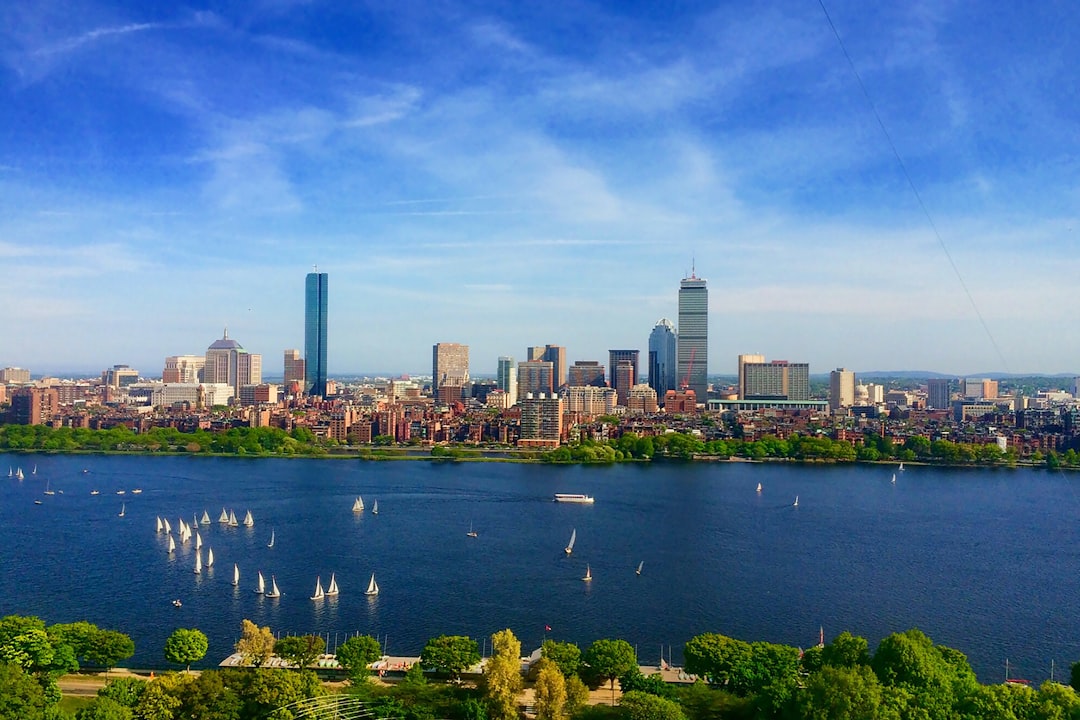
Photo: jacob Licht / Unsplash
Perception vs Reality: Boston often feels calm and well-managed, and that is mostly accurate in core districts, but safety can change noticeably by neighborhood and after late-night transit thins out.
Risk Scores
Scale: 1 = very low risk, 10 = very high risk
Safety Overview
Overall Safety
Boston is generally safe for travelers in busy central areas. The biggest difference is between well-trafficked neighborhoods and a smaller number of higher-risk areas, especially late at night.
Violent Crime
Violent crime is not a typical problem for tourists in Back Bay, Beacon Hill, Seaport, or along the Freedom Trail. Risk is more relevant in certain residential areas and around isolated streets after dark.
Petty Crime
Pickpocketing and bag theft happen, but Boston is not as theft-heavy as many major tourist cities. Crowded stations, bars, and visitor zones are the main places to watch your belongings.
Scams
Classic tourist scams are limited compared with many global cities. The more realistic issues are taxi overcharging, card skimming at independent ATMs, and distraction theft in busy areas.
Night Safety
Night risk rises around bars, late-night food spots, and quieter transit areas after midnight. Busy nightlife districts are usually fine if you stay aware, but empty streets and parks are best avoided late.
Public Transport
The MBTA is usually safe by day and acceptable at night in busier corridors. Late-night waits on quiet platforms or nearly empty cars can feel less comfortable than daytime travel.
Police & Emergency
Police and emergency response are generally reliable in central Boston. In stations and on trains, MBTA staff and transit police are the most practical first point of contact.
Day vs Night
Daytime
Daytime in central Boston is generally low risk, with most concerns limited to theft in crowded spots and normal urban awareness.
Nighttime
Risk rises after dark around bars, sporting events, quiet side streets, and less busy transit stops. Using rideshare or staying on well-trafficked streets is often the better choice late.
Seasonal: Big games, concerts, college move-in periods, St. Patrick's Day events, and summer weekends can mean heavier crowds, more intoxication, and slower transport. Winter brings early darkness, icy sidewalks, and more isolated streets in bad weather.
Who’s Visiting?
Tourists usually have a smooth visit in central Boston, with low risk in the main historic and shopping areas.
Common Risks
- ⚠ Bag theft in crowded areas
- ⚠ Phone loss or snatching on transit
- ⚠ Taxi overcharging from airport or nightlife zones
- ⚠ Late-night disorder near bars and sports venues
Tips
- ✓ Keep phones and wallets secured in Faneuil Hall, Downtown Crossing, Fenway, and on the T.
- ✓ Use rideshare or licensed taxis late at night instead of waiting alone at quiet stops.
- ✓ Do not leave bags visible in parked cars, even for a short stop.
Boston is manageable for solo women, especially in central neighborhoods, but late-night transit and isolated streets need more care.
Common Risks
- ⚠ Harassment near bars or on late trains
- ⚠ Unwanted attention from intoxicated people
- ⚠ Walking alone through quiet areas after midnight
Tips
- ✓ Choose well-lit routes in Back Bay, Beacon Hill, Seaport, and major downtown streets.
- ✓ If using the T late, wait near other riders or station staff rather than isolated platform ends.
- ✓ Prefer rideshare for late returns from Fenway, Faneuil Hall, or club areas.
Boston is one of the more LGBTQ-friendly cities in the US, with strong legal protections and generally low risk in mainstream areas.
Same-sex relationships and gender expression are legally protected in Massachusetts, and Boston is broadly accepting. Social risk is usually limited to occasional verbal harassment, most often late at night or around intoxicated crowds.
Common Risks
- ⚠ Verbal harassment in nightlife settings
- ⚠ Occasional bias incidents outside the most central areas
- ⚠ Late-night street harassment
Tips
- ✓ Main central neighborhoods are generally comfortable for couples and LGBTQ travelers.
- ✓ Nightlife safety is mostly the same as for anyone else: watch drinks, travel together if possible, and use reliable transport home.
- ✓ If a venue feels hostile or overly intoxicated, leave early rather than arguing.
Boston works well for families, especially in museum, park, and waterfront areas, with crime usually a secondary concern to traffic and crowds.
Common Risks
- ⚠ Crowded sidewalks and transit
- ⚠ Petty theft in tourist areas
- ⚠ Winter ice, early darkness, and slippery streets
Tips
- ✓ Keep children close in Quincy Market, the Common, Fenway area, and busy stations.
- ✓ Use crosswalks carefully; aggressive driving and turning traffic are a more common hazard than street crime.
- ✓ Dress for winter conditions and allow extra travel time during storms.
Boston is comfortable for remote work, but it is expensive and basic property theft is a bigger issue than targeted crime.
Common Risks
- ⚠ Laptop theft in cafes or coworking spaces
- ⚠ Package theft from apartment lobbies
- ⚠ Car break-ins if devices are left visible
Tips
- ✓ Do not leave laptops or bags unattended, even briefly.
- ✓ Choose housing in well-trafficked areas with secure building access.
- ✓ Use official Wi-Fi or your own hotspot for sensitive work.
Crime & Threats
Pickpocketing
MediumNot constant, but it happens in crowded tourist zones, stations, and bars.
Phone Snatching
MediumLess common than in some cities, but visible phones near train doors, bus stops, and nightlife areas are easy targets.
Robbery
MediumRobbery risk for visitors is usually low in core areas, but rises on quiet streets late at night and in higher-crime neighborhoods.
Assault
MediumMost incidents affecting visitors are linked to nightlife, arguments, or being in the wrong area late rather than random attacks in tourist districts.
Drink Spiking
MediumReports exist around busy nightlife settings, so do not leave drinks unattended and avoid accepting open drinks from strangers.
Taxi Scams
LowBoston is not a major taxi-scam city, but airport and late-night overcharging can happen if the route or fare is unclear.
ATM Skimming
LowRisk is mostly at standalone convenience-store or corner-shop ATMs rather than bank machines.
Tourist Scams
LowAggressive street scams are limited; the more realistic threat is distraction theft in busy visitor areas.
Common Scams
Airport or late-night taxi overcharge
A driver takes a longer route, avoids using the meter properly, or adds unclear extra fees when riders are tired or unfamiliar with the city.
Use licensed taxis or rideshare, check the route on your phone, and confirm how fares or tolls will be handled before leaving.
Distraction theft on the T or in crowded tourist areas
Someone bumps, talks to, or crowds you while an accomplice targets a phone, wallet, or bag.
Keep valuables zipped and in front of you, especially at Downtown Crossing, Park Street, Quincy Market, and packed train cars.
Card skimming at non-bank ATMs
Compromised machines capture card details and PINs, often at convenience stores or nightlife-adjacent cash points.
Use bank ATMs, inspect the card slot, and avoid cash machines that look loose, damaged, or unusually placed.
Bar tab padding or payment confusion
At busy bars, extra drinks or tips are added when customers are distracted or intoxicated.
Review the tab before paying, keep receipts, and use a card only in front of you when possible.
Area Safety
Safer Areas
Busy, well-lit, heavily visited, and generally comfortable day and night on main streets.
Affluent, central, walkable, and typically calm, especially in the daytime and early evening.
Modern, active, and generally safe, though nightlife crowds can raise late-night disorder.
Be More Careful
Crowded by day and less comfortable late at night, with occasional theft, disorder, and confrontations.
Known for visible drug activity and street disorder; not ideal for casual wandering, especially after dark.
These large areas vary block by block, but some sections see more violent crime than the city center, especially late at night.
Getting Around
Walking
Walking is the easiest way to see central Boston and is generally safe in busy neighborhoods. At night, avoid empty parks, poorly lit side streets, and long walks through unfamiliar outer neighborhoods.
Taxis & Rideshare
Rideshare is widely available and often the simplest late-night option. Use official pickup zones, check the plate, and avoid unlicensed offers near the airport or nightlife areas.
Trains & Buses
The MBTA is broadly safe, especially by day. Keep bags zipped, watch phones near doors, and avoid isolated platforms or empty cars late at night.
Do’s & Don’ts
Do
- Stay in well-trafficked central neighborhoods if visiting without a car.
- Keep phones and wallets secured on the T and in crowded tourist areas.
- Use rideshare or licensed taxis for late returns after bars or games.
- Check neighborhood location carefully before booking budget accommodation.
- Dress for weather; winter conditions can make getting around less safe.
Don’t
- Do not leave bags, shopping, or electronics visible in parked cars.
- Do not wander through unfamiliar outer neighborhoods late at night just because they look close on the map.
- Do not stand near empty platform ends or ride in isolated train cars after midnight.
- Do not leave drinks unattended in bars or crowded event venues.
- Do not assume all parts of Boston feel like Back Bay or Beacon Hill.
How Does It Compare?
Safer Than
Boston is safer than many large US cities, especially for tourists staying central, but it is not uniformly low-risk across all neighborhoods.
Frequently Asked Questions
Yes, most tourists find Boston safe, especially in central areas like Back Bay, Beacon Hill, Seaport, and along the main historic route.
Mostly in busy central areas, but risk rises around bars, quiet transit stops, and unfamiliar neighborhoods after midnight.
Be more alert late at night in Downtown Crossing, around Mass and Cass, and in some parts of Roxbury, Dorchester, and Mattapan.
Data Notes
- Neighborhood safety in Boston can change block by block, so broad labels for areas like Dorchester or Roxbury are imperfect.
- Late-night risk depends heavily on MBTA service levels, events, weather, and whether streets are busy or empty.
Other Destinations in United States
Traveling to Boston?
TripWaffle organizes your entire trip — flights, hotels, trains, events — in one beautiful itinerary. Just forward your confirmation emails.


100% free · 3 second signup
Last updated: March 22, 2026