Is Chicago Safe?
Chicago is manageable for most travelers, but safety varies sharply by neighborhood and time of day. Visitors who stay in the main tourist areas, use normal big-city precautions, and avoid wandering into unfamiliar areas late at night usually have trouble-free trips. Most serious violence is concentrated outside the main visitor zones, but theft, late-night disorder, and car break-ins are realistic concerns citywide.
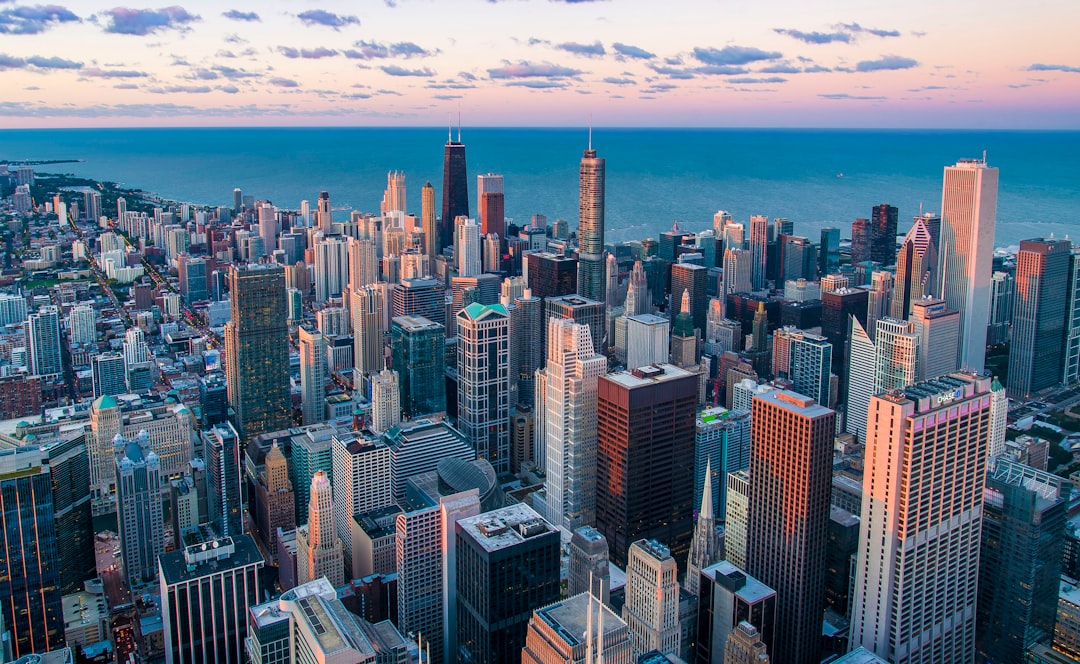
Photo: Pedro Lastra / Unsplash
Perception vs Reality: Chicago's reputation is often more dangerous than what most tourists experience downtown and along the main lakefront areas. The main reality is uneven risk: many visitor districts feel busy and routine by day, while some residential areas and late-night situations carry much higher risk.
Risk Scores
Scale: 1 = very low risk, 10 = very high risk
Safety Overview
Overall Safety
Chicago is a typical large US city where location and timing matter more than the city name itself. Downtown, lakefront, and major tourist districts are generally workable with standard urban awareness.
Violent Crime
Serious violence is a real issue in parts of Chicago, but it is not spread evenly across the city. Most tourists are unlikely to encounter it if they stay in well-trafficked areas and avoid poorly chosen late-night routes.
Petty Crime
Pickpocketing is less intense than in some European capitals, but phone theft, bag theft, and car break-ins happen. Crowded trains, festivals, and nightlife zones are the main settings.
Scams
Classic tourist scams exist but are not the main issue. More common are overcharging by unofficial transport, fake charity or street solicitations, and card theft or skimming.
Night Safety
Risk rises noticeably after dark, especially after bars close and on quieter streets or train platforms. Use rideshare or direct transport late at night instead of long walks through unfamiliar areas.
Public Transport
CTA trains and buses are widely used and usually fine during the day. At night, empty train cars, isolated stations, and distracted phone use increase risk.
Police & Emergency
Emergency response is available, but response times and police presence vary by area and call volume. In busy downtown zones, help is usually easier to find than in quieter outer neighborhoods.
Day vs Night
Daytime
Most central neighborhoods, museums, shopping areas, and lakefront routes are straightforward by day. Stay aware in crowded spaces and avoid displaying valuables.
Nighttime
Risk rises after dark, especially after midnight, around bars, on quieter side streets, and at less busy train stations. Door-to-door rides are often the better choice late.
Seasonal: Summer festivals, sports events, and holiday crowds increase theft opportunities. Winter adds ice, early darkness, and extreme cold, which can turn a long walk or transit delay into a practical safety issue.
Who’s Visiting?
Most visitors stay in areas where risk is moderate rather than severe. The biggest issues are poor route choices late at night, phone theft, nightlife disputes, and vehicle break-ins.
Common Risks
- ⚠ Phone snatching in busy areas
- ⚠ Theft from parked cars
- ⚠ Late-night robbery near bars or transit
- ⚠ Street solicitation scams
Tips
- ✓ Base yourself in central or lakefront neighborhoods with steady foot traffic
- ✓ Use rideshare or a taxi for late returns instead of long walks
- ✓ Keep phones zipped away on station platforms and at intersections
- ✓ Do not leave anything visible in a parked car
Solo women can travel in Chicago without unusual difficulty, especially in central neighborhoods and daytime settings. The main concerns are harassment, late-night transit discomfort, and isolated walking after bars close.
Common Risks
- ⚠ Catcalling or unwanted attention
- ⚠ Late-night harassment on transit
- ⚠ Being followed briefly after nightlife venues
- ⚠ Drink tampering in bar-heavy areas
Tips
- ✓ Prefer busy streets and direct routes, especially after dark
- ✓ Avoid empty train cars and isolated station exits at night
- ✓ Watch drinks closely in clubs and crowded bars
- ✓ Share live trip details when heading home late
Chicago is one of the more LGBTQ-friendly major US cities, with established inclusive neighborhoods and venues. Social risk is generally low in central areas, though harassment can still happen in nightlife settings or less tolerant pockets.
Same-sex relationships and LGBTQ expression are legal, and Chicago has a strong visible LGBTQ community, especially in areas like Northalsted. Legal risk is low; social comfort varies more by neighborhood and time of night.
Common Risks
- ⚠ Verbal harassment from intoxicated individuals
- ⚠ Targeting after bars close
- ⚠ App-based meetup safety issues
Tips
- ✓ Stick to well-known venues and busy routes at night
- ✓ Use normal dating-app precautions when meeting someone new
- ✓ Take rideshare after late club nights instead of walking far
- ✓ Check venue reviews if going outside established LGBTQ areas
Families usually find Chicago straightforward in major sightseeing areas, museums, parks, and daytime transit corridors. The bigger nonviolent issues are crowds, traffic, and winter weather rather than targeted crime.
Common Risks
- ⚠ Crowd separation in tourist zones
- ⚠ Car break-ins near attractions
- ⚠ Aggressive driving and busy intersections
- ⚠ Cold weather exposure in winter
Tips
- ✓ Plan direct routes between attractions and return before very late hours
- ✓ Choose parking garages over leaving a car on the street for long periods
- ✓ Keep children close in crowded areas like Navy Pier and major events
- ✓ Dress for wind and cold if visiting outside warmer months
Chicago works well for remote workers, but laptop theft and car-related theft are bigger concerns than sophisticated scams. Neighborhood choice matters for both safety and convenience.
Common Risks
- ⚠ Theft of laptops or bags in cafes
- ⚠ Package theft from apartment buildings
- ⚠ Car break-ins if working from a vehicle or carrying gear
- ⚠ Late-night transit issues after coworking or social events
Tips
- ✓ Do not leave devices unattended even briefly in cafes
- ✓ Choose housing in well-reviewed, transit-friendly neighborhoods
- ✓ Use secure package delivery options where possible
- ✓ Take rideshare home after late work sessions or events
Crime & Threats
Pickpocketing
MediumMore likely in crowded tourist areas, trains, festivals, and nightlife corridors than in ordinary street walking.
Phone Snatching
MediumVisible phone use near curb edges, train doors, and station platforms creates the most risk.
Robbery
MediumStreet robbery risk rises at night on quiet blocks, near transit, and after bar closing times.
Assault
MediumAssault risk is usually tied to arguments, intoxication, or being in higher-crime neighborhoods late.
Drink Spiking
MediumNot the norm, but it is a real nightlife risk in crowded bars and clubs; watch drinks and friend groups.
Taxi Scams
LowLess common than in many cities, but unofficial rides and airport overcharging can happen.
ATM Skimming
LowUse ATMs inside banks, hotels, or major stores instead of isolated street machines.
Tourist Scams
LowTourist targeting exists, but simple theft and opportunistic street approaches are more common than elaborate scams.
Common Scams
Fake charity or street petition pitch
Someone starts a friendly conversation, then pressures you to donate, scan a payment app, or hand over cash.
Decline quickly and keep walking; donate only through known organizations.
Unofficial airport or curbside ride
A driver approaches outside official pickup areas and quotes an inflated cash fare.
Use marked taxi stands or app-based pickup only.
Bar tab overcharge
In busy nightlife venues, extra drinks or inflated charges appear on the tab, especially if you leave a card open.
Review the bill before paying and close out tabs directly with staff.
Distraction theft in cafes or stations
A bag, phone, or laptop disappears while your attention is pulled by a question, spill, or commotion.
Keep valuables attached to you and do not set phones or bags near aisle edges.
Area Safety
Safer Areas
Busy business and tourist core with strong daytime foot traffic and many hotels.
Popular dining and hotel district; generally active, though nightlife brings late-night issues.
Visitor-heavy area near major hotels, shopping, and attractions.
Generally comfortable residential and visitor area with parks, restaurants, and regular foot traffic.
Popular residential and entertainment area with many busy streets and established nightlife zones.
Be More Careful
Bar crowds, intoxication, disputes, and theft risk increase after venues close.
Some areas have significantly higher violent crime than the central tourist districts.
Lower foot traffic and distracted riders make theft and harassment more likely.
Smash-and-grab vehicle theft and opportunistic robbery are more likely where people are loading cars or distracted.
Getting Around
Walking
Walking is generally fine in core districts during the day and early evening. At night, avoid long walks through quiet or unfamiliar blocks and keep phone use discreet.
Taxis & Rideshare
Rideshare is a practical late-night option and often safer than waiting on an empty platform. Confirm plate, driver, and route before getting in.
Trains & Buses
CTA is useful and commonly used. Daytime rides are usually routine; at night, choose busier cars, avoid sleeping, and move away from disruptive passengers.
Do’s & Don’ts
Do
- Stay in well-known central or lakefront neighborhoods if visiting briefly
- Use rideshare or taxis after late nights out
- Keep bags zipped and phones out of sight on transit platforms
- Check neighborhood context before booking budget accommodation
- Empty your car completely before parking
Don’t
- Do not assume every neighborhood has the same risk level
- Do not walk long distances late at night through unfamiliar areas
- Do not leave valuables visible in a vehicle, even for a minute
- Do not get into unofficial rides at airports or nightlife pickup spots
- Do not flash expensive jewelry or phones in low-traffic areas
How Does It Compare?
Frequently Asked Questions
Usually yes in main tourist areas, especially by day. Problems are more likely late at night, on quiet blocks, or outside common visitor districts.
Downtown is generally active, but risk rises after midnight, especially near bars, empty stations, and quieter side streets.
For most visitors, the biggest issues are theft, car break-ins, and poor late-night route choices rather than random violent crime in tourist zones.
Data Notes
- Crime risk can change block by block, especially outside central visitor areas.
- Nightlife-related risk varies by venue, crowd, and closing time rather than by neighborhood alone.
- Specific transit station conditions and local hotspot patterns can shift over time.
Explore Areas in Chicago
Other Destinations in United States
Traveling to Chicago?
TripWaffle organizes your entire trip — flights, hotels, trains, events — in one beautiful itinerary. Just forward your confirmation emails.


100% free · 3 second signup
Last updated: March 22, 2026