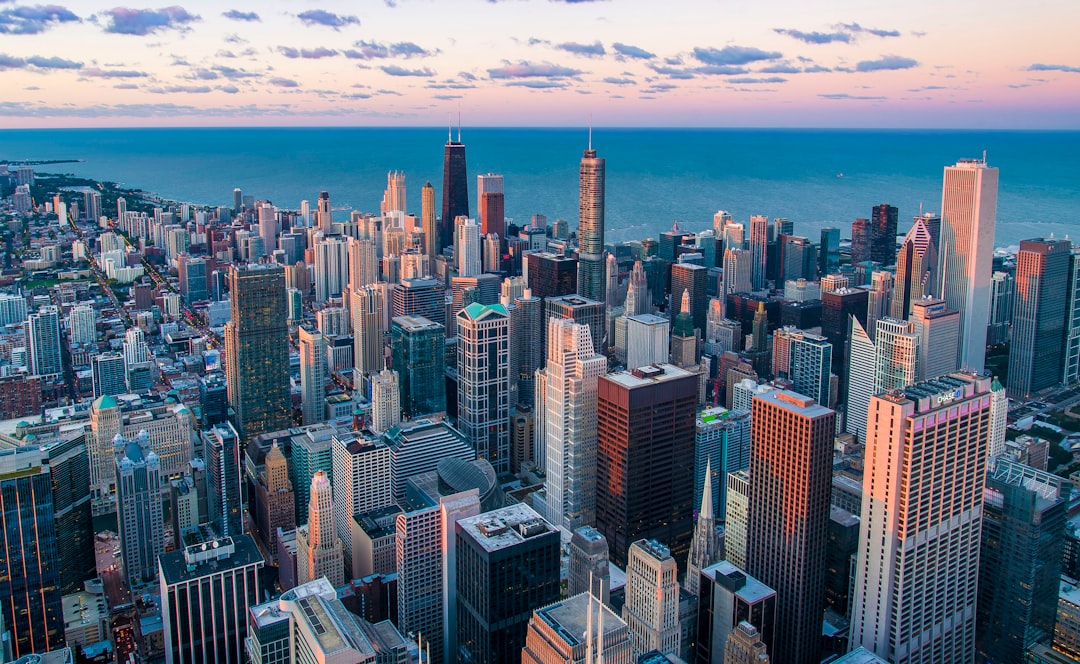
Is The Loop Safe?
Assuming this refers to Chicago's Loop, it is generally manageable for visitors by day, with heavy foot traffic, office workers, tourists, and a visible police presence in core areas. Risk rises after business hours on quieter blocks, around some transit stations, and in isolated underpasses, where theft, harassment, and occasional robberies are more of a concern.
Photo: Pedro Lastra / Unsplash
Perception vs Reality: Chicago's wider reputation can make the Loop sound more dangerous than it usually feels in daytime tourist and business areas. In practice, most visitors are fine if they stay aware, but late-night emptier streets and transit entrances deserve more caution than the daytime crowds suggest.
Risk Scores
Scale: 1 = very low risk, 10 = very high risk
Safety Overview
Overall Safety
The Loop is usually straightforward for sightseeing and business travel in the daytime. The main issues are theft, aggressive panhandling, and patchier street comfort late at night.
Violent Crime
Serious violence is not the norm for visitors in the core Loop, but robberies and assaults do happen, especially on quieter blocks or near transit late at night.
Petty Crime
Phone theft, unattended bag theft, and opportunistic pickpocketing are the most realistic visitor risks in crowded stations, fast-food spots, and tourist areas.
Scams
Hard scams are less common than in some tourist cities, but fake sob stories, aggressive street soliciting, and occasional overcharging by unofficial transport or pedicabs can happen.
Night Safety
After offices empty, some parts of the Loop feel noticeably quieter. Stick to well-lit main streets, avoid isolated lower-level roads and underpasses, and consider rideshare for late returns.
Public Transport
CTA trains and buses are useful and widely used, but late-night platforms and station entrances can feel less comfortable. Keep your phone away near doors and stay near other riders.
Police & Emergency
Police presence is common around downtown landmarks, events, and transit hubs. Emergency help is accessible, but congestion and big events can slow movement through the area.
Day vs Night
Daytime
Usually busy and practical for walking between sights, offices, hotels, and transit. Daytime risk is mostly property crime and street awareness.
Nighttime
Conditions vary sharply by block. Main streets near hotels, theatres, and active venues are usually better than side streets, underpasses, and nearly empty business blocks.
Seasonal: Large events, parades, summer festivals, and holiday crowds increase pickpocket risk and make transport more chaotic. Winter weather can also leave streets emptier and walking conditions worse after dark.
Who’s Visiting?
Most tourists visit without major trouble, especially around Millennium Park, the Art Institute, and the theatre district during the day.
Common Risks
- ⚠ Phone snatching near station entrances
- ⚠ Bag theft in cafes or food halls
- ⚠ Getting turned around onto emptier blocks after dark
- ⚠ Aggressive panhandling near busy corners
Tips
- ✓ Keep valuables zipped and in front in crowds
- ✓ Use main streets rather than shortcuts through quiet underpasses
- ✓ Check your route before leaving stations at night
- ✓ Book rideshare from well-lit pickup points
Solo women usually find the Loop manageable by day, but the comfort level can drop at night when office blocks empty out.
Common Risks
- ⚠ Harassment or unwanted attention
- ⚠ Following around transit stations
- ⚠ Isolated sidewalks and station entrances late at night
Tips
- ✓ Prefer busy streets such as Michigan, State, and Wabash corridors
- ✓ Avoid waiting alone on nearly empty platforms late at night
- ✓ Share ride details if using rideshare after dark
- ✓ Trust your instincts and switch cars or routes if someone feels off
The Loop itself is generally fine for LGBTQ travelers, and Chicago is broadly one of the more LGBTQ-friendly major U.S. cities.
Legal protections are strong by U.S. standards, and overt anti-LGBTQ hostility is not typical in central Chicago. Social risk is usually low in the Loop, though intoxicated nightlife crowds can raise the chance of verbal harassment.
Common Risks
- ⚠ Occasional verbal harassment
- ⚠ Late-night issues around bars or transit
- ⚠ General street crime unrelated to LGBTQ identity
Tips
- ✓ Normal public presentation is usually fine in the Loop
- ✓ Use the same late-night street and transit caution as any visitor
- ✓ If heading out late, plan your ride back in advance
Families are generally comfortable in the Loop during the day, especially near major attractions, parks, and museums.
Common Risks
- ⚠ Traffic at busy intersections
- ⚠ Crowd separation at festivals and events
- ⚠ Escalator and platform rush in stations
Tips
- ✓ Set a meeting point in crowded attractions
- ✓ Hold children's hands near traffic and station platforms
- ✓ Use strollers carefully in rush-hour transit crowds
- ✓ Leave before the area gets quiet if traveling with young children
The Loop works well for short stays and coworking access, but it is more of a business district than an around-the-clock neighborhood.
Common Risks
- ⚠ Laptop theft from unattended tables
- ⚠ Phone theft while working near windows or outdoor seating
- ⚠ Sparse street activity after office hours
Tips
- ✓ Do not leave devices unattended even briefly
- ✓ Choose reputable hotels, coworking spaces, or busy cafes
- ✓ Avoid carrying your laptop openly late at night
- ✓ Check last-train timing and backup rideshare options
Crime & Threats
Pickpocketing
MediumMost likely in crowded transit areas, tourist lines, and packed sidewalks during events.
Phone Snatching
MediumKeep phones secure near curbs, station doors, and when standing still checking maps.
Robbery
MediumNot common for most daytime visitors, but risk increases late at night on quiet blocks or near some station exits.
Assault
MediumUsually linked to disputes, intoxication, or isolated late-night situations rather than random daytime attacks.
Drink Spiking
LowNot a standout Loop-specific issue, but normal nightlife precautions still apply in bars and clubs.
Taxi Scams
LowTraditional taxi overcharging is less common than in many tourist cities, but confirm driver and car details for rideshare pickups.
ATM Skimming
LowUse bank ATMs inside branches or lobbies rather than standalone machines in convenience stores.
Tourist Scams
LowStreet solicitation and misleading charity or petition pitches are more likely than elaborate tourist scams.
Common Scams
Aggressive charity or petition pitch
Someone stops you with a clipboard or urgent story and pressures for cash or card payment.
Keep walking, decline firmly, and donate only through known organizations.
Pedicab or unofficial ride overcharge
A driver gives a vague price, then charges much more at the end, especially near tourist areas or events.
Agree on the total price before getting in or use metered taxis and app-based rides.
Fake help request near ATMs or ticket machines
A stranger offers help, watches your PIN, or distracts you while you pay or withdraw cash.
Decline assistance, shield your PIN, and use staffed or well-lit machines.
Distraction theft in cafes or fast-food spots
A bag, phone, or laptop is taken while you order, charge devices, or step away briefly.
Keep belongings attached to you and do not leave devices on tables near aisles or doors.
Area Safety
Safer Areas
Heavy visitor traffic, security presence, and lots of open public space during the day.
Busy commercial streets with steady foot traffic, especially before and after shows.
Well-trafficked visitor zone with regular staff, tourists, and easier orientation.
Be More Careful
Poorer visibility, less foot traffic, and a less comfortable environment, especially after dark.
More loitering, fewer bystanders, and higher chance of harassment or theft.
Office areas empty out and street activity drops, making some blocks feel isolated.
Getting Around
Walking
Good in the daytime on main streets. At night, stay on well-lit routes and avoid isolated lower-level roads or shortcut passages.
Taxis & Rideshare
Usually the easiest late-night option. Confirm plate and driver, and avoid getting into a car that approaches you unsolicited.
Trains & Buses
CTA is useful and usually fine in busy periods. Late at night, wait near other riders, stay alert at station exits, and keep devices out of sight near doors.
Do’s & Don’ts
Do
- Stick to active, well-lit streets after dark
- Keep your phone and wallet secured in crowded areas
- Use bank ATMs and verified rideshare pickups
- Plan your station exit before you arrive at night
- Choose hotels and restaurants on busier blocks if possible
Don’t
- Do not wander into lower-level roads or underpasses as a shortcut at night
- Do not leave bags or laptops unattended in cafes
- Do not stand near train doors with your phone out
- Do not flash cash or expensive gear on quiet streets
- Do not assume every downtown block feels equally safe after offices close
How Does It Compare?
Safer Than
Riskier Than
This is a broad practical comparison, not a statistical ranking. Risk changes a lot by block and time of day.
Frequently Asked Questions
It is more mixed at night than by day. Main streets near hotels and theatres are usually better, while quieter office blocks, underpasses, and some station areas need more caution.
For most visitors, petty theft and late-night street or transit problems are more likely than serious violent crime.
Usually yes in daytime and on busy routes, but many solo women prefer rideshare instead of walking or waiting on empty platforms late at night.
Data Notes
- This profile assumes 'The Loop' means downtown Chicago, Illinois.
- Exact street-level risk varies by block, station entrance, event schedule, and time of day.
- Neighborhood boundaries for the Loop and adjacent areas are used loosely in everyday travel planning.
Traveling to The Loop?
TripWaffle organizes your entire trip — flights, hotels, trains, events — in one beautiful itinerary. Just forward your confirmation emails.


100% free · 3 second signup
Last updated: March 22, 2026