Is Honolulu Safe?
Honolulu is generally safe for most travelers, especially in busy tourist areas, but it is not crime-free. The main issues visitors face are theft from cars, unattended beach belongings, and occasional late-night problems in nightlife or less busy areas.
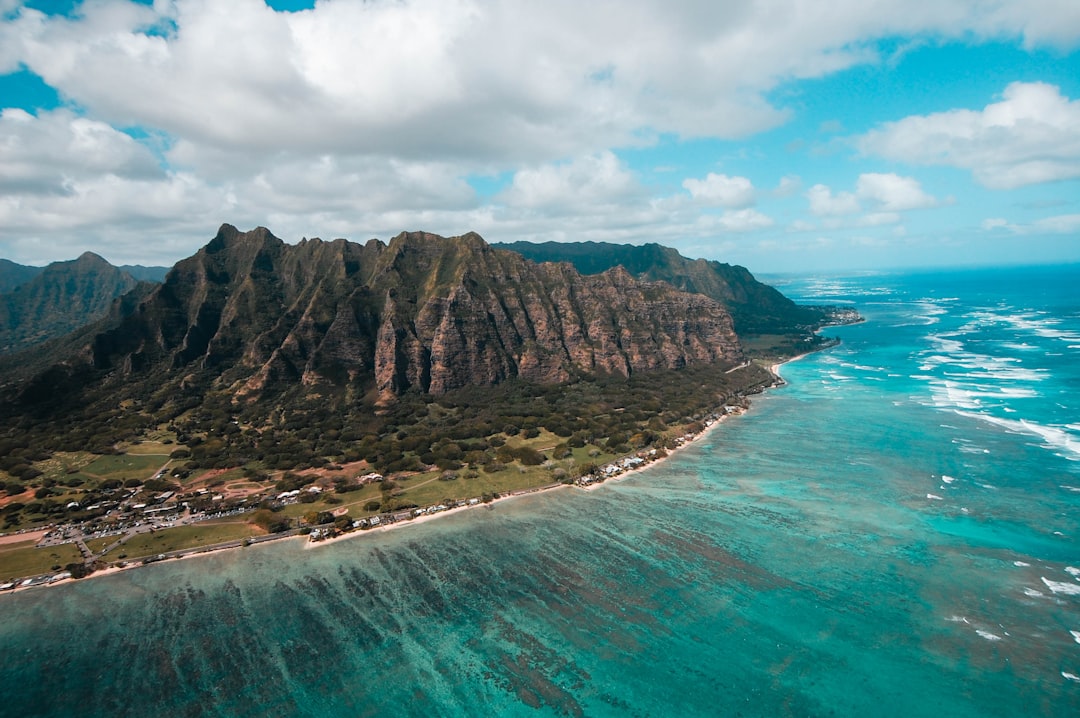
Photo: Michelle Spollen / Unsplash
Perception vs Reality: Honolulu's relaxed beach image can make it feel safer than it is; violent crime is not the main tourist risk, but opportunistic theft is common enough to matter.
Risk Scores
Scale: 1 = very low risk, 10 = very high risk
Safety Overview
Overall Safety
Most visits to Honolulu are trouble-free. Theft is the most realistic risk, especially at beaches, in rental cars, and around crowded tourist zones.
Violent Crime
Serious violence affecting visitors is uncommon, but fights and confrontations can happen late at night around bars or in isolated areas.
Petty Crime
Bag theft, car break-ins, and stolen phones or wallets are more common than street muggings. Unattended beach gear is a frequent target.
Scams
Scams are less intense than in many global tourist cities, but misleading tour sales, timeshare pitches, and occasional overcharging can catch visitors off guard.
Night Safety
Busy parts of Waikiki remain active at night, but risks rise on quieter side streets, canal paths, parks, and beach areas after dark.
Public Transport
TheBus is widely used and generally safe. Keep valuables close on crowded routes and at major transit stops, especially at night.
Police & Emergency
Police and emergency services are accessible in Honolulu. In tourist zones, hotel staff can often help with reporting theft or directing you to the right service.
Day vs Night
Daytime
Daytime in tourist areas is generally comfortable. The main daytime risks are theft at beaches, from cars, and around crowded attractions.
Nighttime
Night is still manageable in busy parts of Waikiki, but isolated streets, canal areas, parks, and some nightlife zones carry more risk of theft, harassment, or alcohol-related incidents.
Seasonal: Holiday peaks, festivals, and busy surf or beach periods can increase theft opportunities. Heavy rain can also create local flooding and transport disruption.
Who’s Visiting?
Tourists usually experience Honolulu as safe and easy to navigate, but relaxed beach behavior often leads to preventable theft.
Common Risks
- ⚠ Theft of bags, phones, and wallets at beaches
- ⚠ Rental car break-ins
- ⚠ Late-night disputes around bars
- ⚠ Misleading activity or timeshare sales pitches
Tips
- ✓ Do not leave anything visible in a parked car
- ✓ Bring only what you need to the beach
- ✓ Use licensed activity vendors and verify bookings directly
- ✓ Stay on busy, well-lit streets when walking at night
Honolulu is manageable for solo women, especially in central tourist areas, but alcohol-heavy nightlife and isolated spots raise the risk of harassment or opportunistic crime.
Common Risks
- ⚠ Harassment in nightlife settings
- ⚠ Drink tampering concerns in bars
- ⚠ Unwanted attention on quieter streets or beaches at night
Tips
- ✓ Prefer busy routes in Waikiki after dark
- ✓ Watch drinks closely and avoid leaving them unattended
- ✓ Use rideshare or taxi instead of walking through isolated park or canal areas late at night
- ✓ Share itinerary details if heading out solo at night
Honolulu is generally LGBTQ-friendly, with a relatively accepting urban and tourist environment.
Same-sex relationships and LGBTQ expression are legal, and Honolulu is broadly socially accepting, especially in tourism and nightlife areas.
Common Risks
- ⚠ Occasional verbal harassment
- ⚠ Late-night intoxicated behavior from others in bar areas
Tips
- ✓ Main tourist districts are usually the most comfortable
- ✓ Use standard nightlife precautions, especially late at night
- ✓ Check venue reviews if seeking explicitly LGBTQ-friendly spaces
Honolulu works well for families, with the main safety concerns being beach supervision, traffic, and theft of unattended belongings.
Common Risks
- ⚠ Lost items at beaches and parks
- ⚠ Traffic near busy tourist corridors
- ⚠ Ocean conditions that change quickly
Tips
- ✓ Keep valuables minimal and secured
- ✓ Pick beaches with lifeguards when possible
- ✓ Use child ID contact info in crowded areas
- ✓ Avoid leaving strollers or bags unattended
Honolulu is comfortable for remote workers, but laptop theft from cars, cafés, or shared spaces is a bigger concern than personal violence.
Common Risks
- ⚠ Laptop or bag theft
- ⚠ Leaving gear unattended in cafés or lobbies
- ⚠ Rental car break-ins with visible electronics
Tips
- ✓ Never store work gear in a parked car
- ✓ Choose accommodations with good access control
- ✓ Keep devices in sight in cafés and coworking spaces
- ✓ Back up important files before traveling
Crime & Threats
Pickpocketing
MediumMore likely in crowded tourist areas than on ordinary streets. Open bags and distracted beachgoers are easier targets than tightly held valuables.
Phone Snatching
LowLess common than in many major cities, but phones left on café tables or beach towels are easy to steal.
Robbery
LowStreet robbery affecting tourists is not a leading risk, though it can happen in isolated areas or during late-night disputes.
Assault
LowAssault risk is generally low for visitors, but rises with intoxication, arguments, or being in poorly lit areas late at night.
Drink Spiking
MediumNot unique to Honolulu, but nightlife visitors should still monitor drinks and avoid accepting unattended beverages.
Taxi Scams
LowClassic taxi scams are not widespread, but confirm the ride and fare method, especially from busy tourist pickup points.
ATM Skimming
LowUse ATMs inside banks, hotels, or malls rather than standalone machines in tourist-heavy spots.
Tourist Scams
MediumTimeshare pitches, misleading activity deals, and aggressive vacation package sales are more common than street cons.
Common Scams
Timeshare or vacation club pitch
You are offered discounts, gifts, or attraction deals in exchange for attending a sales presentation that is longer or more pressured than advertised.
Decline street and kiosk offers unless you genuinely want the presentation and have read the terms.
Misleading activity booking
Third-party sellers advertise tours or rentals at unclear prices or with hidden restrictions, then upsell or alter the booking later.
Book directly with established operators and confirm cancellation terms, taxes, and add-on fees.
Overpriced ride or transfer confusion
At busy tourist pickup points, a driver or seller may quote vague pricing or steer you into a higher-cost service.
Use official taxi lines or app-based rides and confirm the fare structure before departing.
Area Safety
Safer Areas
Busy, well-lit, and heavily frequented by visitors, with regular staff and security presence.
Well-trafficked commercial area with steady foot traffic and a more controlled environment.
Popular and active by day, with many cafés, shops, and residents around.
Be More Careful
Nightlife and lower foot traffic on some blocks can bring more disorder, theft, or harassment.
Quieter stretches can feel isolated and are less ideal for solo walking late.
Car break-ins and theft are more likely where vehicles and bags are left unattended.
Not a tourist area and not ideal for aimless wandering, especially at night.
Getting Around
Walking
Walking is straightforward in Waikiki, Ala Moana, and central visitor areas during the day. At night, stick to active, well-lit streets and avoid isolated beach or canal routes.
Taxis & Rideshare
Taxis and rideshares are generally reliable. Verify the license plate and driver details, and avoid informal ride offers.
Trains & Buses
TheBus is commonly used and usually safe. Keep bags close, stay alert at night, and know that service frequency varies by route and hour.
Do’s & Don’ts
Do
- Keep beach visits low-value and carry only essentials
- Lock cars and leave nothing visible inside
- Use hotel safes for passports and spare cards
- Stay on main streets in Waikiki after dark
- Check reviews before booking tours or rentals
Don’t
- Do not leave phones, wallets, or keys on towels while swimming
- Do not walk alone through isolated parks or canal paths late at night
- Do not flash cash or expensive jewelry in crowded tourist areas
- Do not accept high-pressure vacation deals without reading the terms
- Do not leave laptops or bags unattended in cafés or lobbies
How Does It Compare?
Safer Than
Honolulu sits in the lower-to-moderate risk range for a major tourist city: usually comfortable, but with enough theft and nightlife issues to justify basic precautions.
Frequently Asked Questions
Yes, most tourists have a safe trip. The most common problems are theft at beaches, car break-ins, and late-night issues in less busy areas.
The main Waikiki hotel and shopping streets are usually active and manageable at night, but quieter side streets, canal paths, and beach areas are less ideal.
For most visitors, the biggest risk is opportunistic theft, especially unattended bags at beaches and valuables left inside cars.
Data Notes
- Crime risk varies noticeably by block and time of day, especially between tourist corridors and quieter residential or industrial areas.
- Honolulu city and county boundaries can blur local area descriptions, so some risk patterns depend on whether travelers stay strictly in the urban core or move across Oahu.
- Specific neighborhood conditions can change over time with policing, nightlife activity, and seasonal visitor volume.
Other Destinations in United States
Traveling to Honolulu?
TripWaffle organizes your entire trip — flights, hotels, trains, events — in one beautiful itinerary. Just forward your confirmation emails.


100% free · 3 second signup
Last updated: March 22, 2026