Is Los Angeles Safe?
Los Angeles is manageable for most travelers, but safety varies sharply by neighborhood, time of day, and how you move around. Most visitors deal more with theft, car break-ins, aggressive street behavior, and late-night issues than with targeted violent crime, but some areas do feel noticeably rougher after dark.
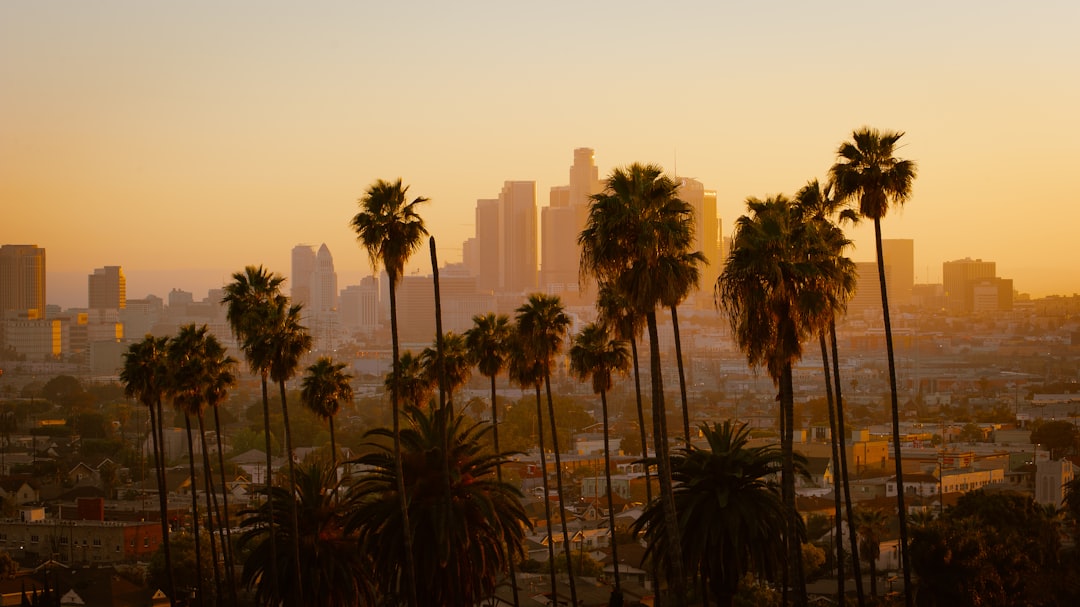
Photo: Cedric Letsch / Unsplash
Perception vs Reality: Los Angeles has a big-city crime reputation that is partly deserved but often overstated for typical visitors staying in main tourist and business areas. The reality is very uneven: one block can feel busy and fine, while a nearby block may feel isolated or chaotic, especially at night.
Risk Scores
Scale: 1 = very low risk, 10 = very high risk
Safety Overview
Overall Safety
Los Angeles is not uniformly unsafe, but it rewards planning. Stay aware of neighborhood differences, avoid leaving anything in cars, and be more selective about walking routes after dark.
Violent Crime
Violent crime exists in parts of the city, but most travelers are more likely to encounter property crime, erratic behavior, or confrontations tied to nightlife than random serious violence.
Petty Crime
Theft from cars, unattended bags, and phones left on café tables are recurring problems. Tourist zones, beaches, nightlife streets, and trail parking lots are common targets.
Scams
Classic tourist scams are less aggressive than in some global cities, but fake parking help, street hustles, overcharging, and sketchy ticket or rideshare situations do happen.
Night Safety
Night safety depends heavily on where you are. Busy restaurant districts can feel fine, while quieter blocks, transit stations, beach parking lots, and some downtown zones feel much less comfortable late at night.
Public Transport
Metro and buses are usable, but many visitors report uncomfortable behavior, open drug use, or harassment on some lines and stations. Daytime travel is generally easier than late-night trips.
Police & Emergency
Emergency response exists citywide, but response times and visible policing can vary by area and call type. In non-urgent situations, do not expect immediate help.
Day vs Night
Daytime
Daytime is generally manageable in major tourist, shopping, and business districts. Property crime remains the main issue, especially from parked vehicles.
Nighttime
Risk rises at night, particularly in nightlife corridors, isolated parking areas, on some transit routes, and in parts of downtown. Short distances that seem walkable on a map can feel much less safe after dark.
Seasonal: Concerts, sports events, festivals, and holiday weekends bring more crowds, theft opportunities, drunk driving, and rideshare confusion. Summer beach areas and major events also bring more car break-ins.
Who’s Visiting?
Most tourists visit without major trouble, but rental-car break-ins and street theft are persistent risks.
Common Risks
- ⚠ Car break-ins at attractions, beaches, and trailheads
- ⚠ Phone theft in crowded nightlife or tourist areas
- ⚠ Street hustles around Hollywood and busy sidewalks
- ⚠ Following bad walking directions into isolated blocks after dark
Tips
- ✓ Do not leave bags, chargers, or shopping in parked cars
- ✓ Use official parking and photograph where you parked
- ✓ Rideshare at night rather than walking between distant venues
- ✓ Check the exact neighborhood, not just the city name, before booking
Los Angeles is workable for solo women, but route choice matters and some transit or nightlife settings can bring harassment.
Common Risks
- ⚠ Catcalling or unwanted attention
- ⚠ Harassment on public transport
- ⚠ Drink tampering risk in nightlife settings
- ⚠ Walking through quiet parking areas or poorly lit blocks
Tips
- ✓ Favor busy, well-reviewed areas for hotels and evening plans
- ✓ Avoid isolated walks from bars to parking lots late at night
- ✓ Watch drinks closely and leave with people you trust
- ✓ Use rideshare pickup points in visible, active locations
Los Angeles is one of the more LGBTQ-friendly large U.S. cities, especially in established nightlife and residential areas. Social acceptance is generally high, though harassment can still happen in intoxicated nightlife spaces or rougher transit environments.
Same-sex relationships are legal, and legal protections are comparatively strong. Social risk is typically low in major LGBTQ-friendly areas such as West Hollywood, but behavior from strangers can be less predictable in some late-night or marginal areas.
Common Risks
- ⚠ Verbal harassment from intoxicated or unstable individuals
- ⚠ Theft in nightlife settings
- ⚠ Targeted attention in isolated late-night transit areas
Tips
- ✓ Nightlife is generally safest in established venues and busy districts
- ✓ Use rideshare after late nights rather than waiting alone at quiet stops
- ✓ Keep phones and wallets secure in clubs and bars
- ✓ If a situation feels off, move to a busier block quickly
Families usually do well in Los Angeles when staying in calmer neighborhoods and driving between sights.
Common Risks
- ⚠ Car break-ins
- ⚠ Traffic-heavy pedestrian areas
- ⚠ Encounters with people in crisis in some downtown or transit zones
- ⚠ Beach and heat-related exposure
Tips
- ✓ Choose family hotels in well-reviewed areas with secure parking
- ✓ Plan daytime sightseeing and limit late-night transit use
- ✓ Carry water, sun protection, and a charged phone
- ✓ Keep children close in crowded attractions and parking lots
Los Angeles works well for remote work, but the city is sprawling and theft from cars or cafés is a bigger practical issue than online scams.
Common Risks
- ⚠ Laptop or bag theft from visible work setups
- ⚠ Car burglary when working between meetings
- ⚠ Late-night transit discomfort
- ⚠ Booking accommodation in a less practical or rough-feeling micro-area
Tips
- ✓ Do not leave work gear in vehicles, even briefly
- ✓ Use cafés with indoor seating and keep devices within reach
- ✓ Research block-level reviews before renting for a month
- ✓ Plan transport realistically; long cross-city trips can leave you stranded late
Crime & Threats
Pickpocketing
MediumLess constant than in some European capitals, but it happens in crowded nightlife strips, concerts, festivals, transit, and tourist zones.
Phone Snatching
MediumPhones are vulnerable when used near curbs, outside bars, or while distracted in busy areas.
Robbery
MediumStreet robbery is not the norm for most visitors, but late-night foot traffic in isolated areas raises the risk.
Assault
MediumMost assaults affecting visitors are linked to nightlife, disputes, or unstable individuals rather than deliberate targeting of tourists.
Drink Spiking
MediumReported in nightlife settings as in many major U.S. cities. Watch drinks closely and be cautious with strangers buying rounds.
Taxi Scams
LowTraditional taxi scams are less common than rideshare confusion, fake pickups, or inflated charges from unofficial drivers.
ATM Skimming
MediumUse ATMs inside banks or busy stores rather than isolated convenience locations.
Tourist Scams
MediumStreet performers, fake promoters, parking hustles, and misleading ticket offers are the most common nuisance scams.
Common Scams
Fake parking help or parking lot hustle
Someone waves you into a spot or claims to watch your car, then pressures you for cash or acts as if payment is required.
Use official lots, read posted rates, and do not hand over keys or cash to unofficial attendants.
Hollywood street performer or photo shakedown
A costumed performer or street character invites a photo, then demands an inflated tip or becomes pushy.
Ask the price first or decline and keep walking.
Fake promoter or ticket offer
Someone offers discounted entry, event tickets, or VIP access that turns out invalid or misleading.
Buy directly from venues or trusted platforms only.
Rideshare pickup confusion
A driver or impersonator claims to be your ride near a busy curb, or you enter the wrong car in a chaotic pickup zone.
Match the plate, name, and car model in the app before getting in.
ATM or card skimming
Card details are copied at compromised ATMs or suspicious payment terminals.
Use bank ATMs, inspect card readers, and tap or use mobile pay where possible.
Area Safety
Safer Areas
Well-trafficked, polished, and generally lower street-crime exposure for visitors, though luxury shopping areas still attract theft.
Popular and usually manageable in the daytime, with lots of visitors and services; still watch for theft near the beach and promenade.
Generally calmer than many central tourist zones, with walkable dining areas and a more relaxed feel.
Business and dining districts are typically comfortable for visitors, especially in daytime and early evening.
Busy, visitor-friendly, and especially comfortable in established nightlife areas, though late-night bar crowds still bring theft risks.
Be More Careful
Open drug use, erratic behavior, and block-by-block changes make some stretches uncomfortable or unsafe for casual walking.
Crowds, intoxicated people, aggressive hustling, and theft are more common after dark.
Car break-ins and robbery risk are higher when lots empty out.
Smash-and-grab theft from parked cars is a known problem, especially if bags are visible.
These can feel empty fast after business hours and are poor places to walk if you are unfamiliar with the area.
Getting Around
Walking
Walking is fine in many pockets, but Los Angeles is not a city where every route between attractions is pedestrian-friendly or wise. Check the exact route and avoid long walks through empty or unfamiliar areas after dark.
Taxis & Rideshare
Rideshare is often the simplest night option. Confirm plate, driver, and pickup before entering, and avoid unofficial drivers outside clubs or event venues.
Trains & Buses
Metro can be useful, especially in daytime, but comfort and safety vary by line and station. Sit near other normal passengers, avoid near-empty carriages late at night, and keep belongings close.
Do’s & Don’ts
Do
- Keep cars completely empty, including trunks before arrival
- Choose accommodation by neighborhood, not just price or landmarks
- Use rideshare for late-night cross-neighborhood trips
- Stay on active, well-lit streets after dark
- Keep phones and wallets secure at bars, concerts, and tourist sites
- Check parking signs carefully to avoid towing or fines
Don’t
- Do not leave luggage, shopping bags, or electronics in parked cars
- Do not assume every short map route is safe or pleasant to walk
- Do not use isolated ATMs late at night
- Do not accept rides from unofficial drivers
- Do not get drawn into arguments with aggressive street hustlers
- Do not wander unfamiliar downtown blocks late at night without a plan
How Does It Compare?
Safer Than
Los Angeles sits in the middle range for a major global city: safer than the highest-risk urban destinations, but less consistently comfortable than cleaner, denser, lower-crime cities.
Frequently Asked Questions
Usually yes, if you stay in well-known areas, avoid leaving anything in cars, and use extra care at night.
For most visitors, it is property crime, especially theft from parked cars and opportunistic street theft.
Some parts are active and fine, but others change quickly after dark. Plan exact routes and avoid wandering unfamiliar blocks.
It is usable, especially in daytime, but some lines and stations can feel uncomfortable, particularly late at night.
Data Notes
- Risk varies sharply by neighborhood and even by block, so citywide summaries can hide major local differences.
- Crime conditions on transit and in downtown areas can shift with enforcement, service changes, and time of day.
- Visitor experience depends heavily on whether you drive, use transit, or walk between destinations.
Explore Areas in Los Angeles
Other Destinations in United States
Traveling to Los Angeles?
TripWaffle organizes your entire trip — flights, hotels, trains, events — in one beautiful itinerary. Just forward your confirmation emails.


100% free · 3 second signup
Last updated: March 22, 2026