Is Miami Safe?
Miami is manageable for most travelers, but safety varies sharply by neighborhood, time of day, and how much nightlife is involved. Tourist areas are busy and usually fine in daylight, while late-night bar zones, isolated streets, and some residential areas need more care.
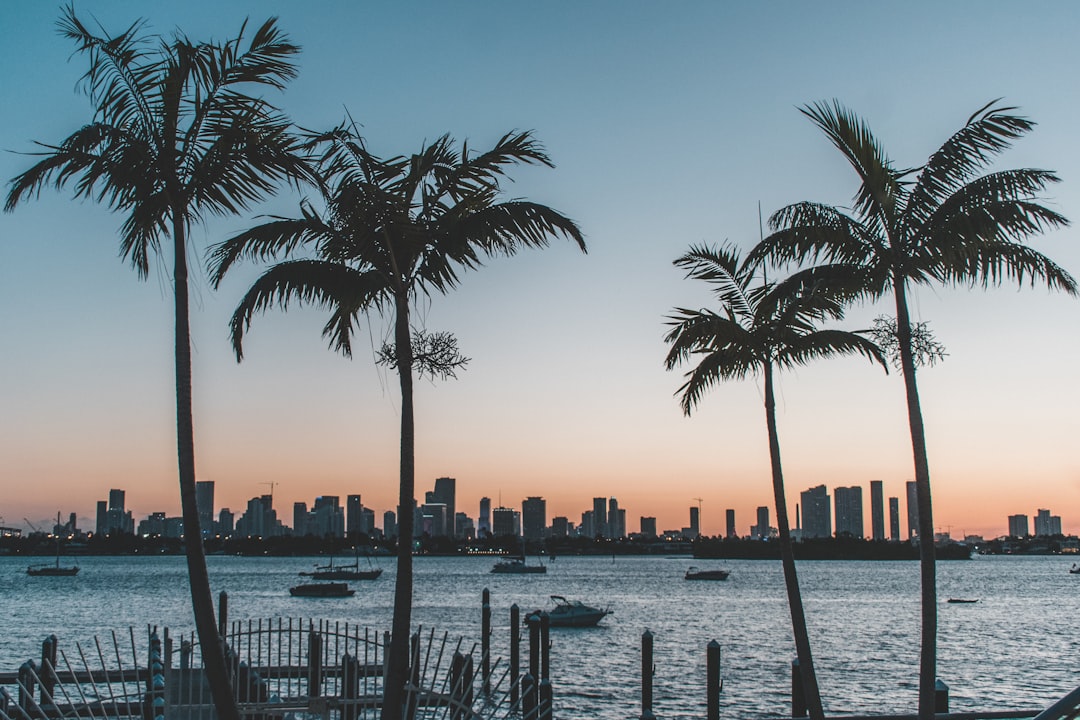
Photo: Denys Kostyuchenko / Unsplash
Perception vs Reality: Miami's image swings between glamour and danger. In reality, most visitors stick to well-trafficked districts and avoid serious trouble, but theft, nightlife disputes, and neighborhood-by-neighborhood differences are real.
Risk Scores
Scale: 1 = very low risk, 10 = very high risk
Safety Overview
Overall Safety
Miami is not unusually dangerous for a major US city, but it rewards basic street smarts. Most problems for visitors involve theft, intoxicated nightlife situations, and being in the wrong place late at night.
Violent Crime
Violent crime exists and is concentrated unevenly by area. Visitors are more likely to encounter opportunistic theft than random violence, but arguments, robberies, and late-night disputes do happen.
Petty Crime
Phone theft, car break-ins, and unattended-bag theft are the most common visitor risks. Crowded entertainment zones and beach-adjacent areas attract opportunists.
Scams
Common issues include inflated club or bar tabs, fake parking help, unlicensed rides, and card fraud. Tourists who are distracted, intoxicated, or using cash-heavy nightlife venues are easier targets.
Night Safety
Daytime is generally straightforward in central areas. After dark, risk rises around clubs, parking lots, quieter side streets, and when walking between venues alone.
Public Transport
Metrorail, Metromover, and buses are generally usable and usually safer by day than some travelers expect. Late at night, quieter stations and long waits can feel less comfortable.
Police & Emergency
Police presence is visible in business and nightlife areas, though response speed can vary with traffic and location. For visitors, practical help is easiest to find in major hotels, busy venues, and staffed transit points.
Day vs Night
Daytime
Daytime in central business, shopping, and café districts is usually straightforward. The main concerns are theft from cars, distraction theft, and tourist-targeted overcharging.
Nighttime
Night brings a clear uptick in risk, especially around bars, clubs, parking structures, and quiet walks between venues. Intoxication, ride confusion, and poorly lit side streets are common ingredients in incidents.
Seasonal: Spring break, major festivals, holiday weekends, and large sports or music events raise crowding, theft, drink-spiking concerns, and transport confusion. Hurricane season can disrupt transport and services, though that is a separate preparedness issue from crime.
Who’s Visiting?
Tourists usually do fine in central districts if they avoid flashing valuables and plan late-night transport. Many visitor problems start with nightlife, rental cars, or leaving phones and bags unattended.
Common Risks
- ⚠ Phone theft in busy nightlife areas
- ⚠ Car break-ins at beaches and public lots
- ⚠ Inflated bar or club charges
- ⚠ Unlicensed taxis or overcharging drivers
- ⚠ Getting lost into quieter blocks late at night
Tips
- ✓ Use official rideshare or licensed taxis after midnight
- ✓ Keep beach and café bags in sight at all times
- ✓ Check parking payment signs and use official apps or machines
- ✓ Review bar tabs before paying
- ✓ Avoid leaving anything visible in rental cars
Solo women can travel in Miami without unusual difficulty, especially in busy daytime areas and established neighborhoods. Late-night social scenes bring the biggest added risk: unwanted attention, drink tampering, and isolated walks back from venues.
Common Risks
- ⚠ Harassment in nightlife districts
- ⚠ Drink spiking or tampering concerns
- ⚠ Following or persistent attention after bars close
- ⚠ Walking alone through parking areas or quiet streets late
Tips
- ✓ Prefer rideshare over walking alone after a night out
- ✓ Watch drinks closely and avoid leaving them unattended
- ✓ Choose busy, well-reviewed venues
- ✓ Share live trip details when meeting new people
- ✓ Stay on main streets rather than shortcuts
Miami is broadly LGBTQ-friendly by US standards, with visible queer nightlife and a generally tolerant social environment in major districts. Risk is more about general urban crime and nightlife behavior than legal issues.
Same-sex relationships are legal, and Miami is generally socially accepting, especially in central and coastal social scenes. As with any large city, isolated harassment can still happen, particularly late at night or in less tolerant pockets.
Common Risks
- ⚠ Verbal harassment from intoxicated individuals
- ⚠ Dating-app meetups that lead to theft
- ⚠ Nightlife disputes or overcharging
Tips
- ✓ Meet first dates in public, staffed venues
- ✓ Use standard nightlife precautions with drinks and tabs
- ✓ Prefer well-known LGBTQ-friendly bars and neighborhoods
- ✓ Avoid disclosing hotel or apartment details too quickly
Families usually find Miami manageable in daytime and in residential or business districts. The main concerns are traffic, heat, water safety, and petty theft around tourist spots.
Common Risks
- ⚠ Car break-ins
- ⚠ Child distraction in crowded waterfront or event areas
- ⚠ Heat exhaustion and sun exposure
- ⚠ Traffic around major roads and parking areas
Tips
- ✓ Keep valuables out of sight in parked cars
- ✓ Carry water and plan shade breaks
- ✓ Use child ID wristbands or meeting points in crowded places
- ✓ Choose accommodation with secure parking if driving
Miami is workable for remote workers, especially in Brickell, Downtown, Coconut Grove, and nearby areas, but costs are high and petty theft from cafés, cars, and short-term rentals is a real annoyance. Most issues are opportunistic rather than targeted.
Common Risks
- ⚠ Laptop or bag theft in cafés or coworking-adjacent spaces
- ⚠ Package theft at apartment buildings
- ⚠ Short-term rental security issues
- ⚠ Car break-ins with electronics left inside
Tips
- ✓ Do not leave laptops unattended, even briefly
- ✓ Use buildings with controlled access and package lockers
- ✓ Check neighborhood feel after dark before booking long stays
- ✓ Back up devices and enable tracking on phones and laptops
Crime & Threats
Pickpocketing
MediumNot as constant as in some European capitals, but it happens in nightlife crowds, festivals, transit, and beach-adjacent tourist areas.
Phone Snatching
MediumPhones are easy targets when left on restaurant tables, held loosely near curbs, or used while distracted outside clubs.
Robbery
MediumStreet robbery is not the norm for visitors, but the risk rises late at night on quiet blocks, near parking areas, or after heavy drinking.
Assault
MediumMost visitor assaults stem from nightlife disputes, intoxication, or personal conflicts rather than random attacks.
Drink Spiking
MediumReports surface often enough to take seriously in club-heavy areas. The risk is tied more to nightlife behavior than to the city overall.
Taxi Scams
MediumUnlicensed drivers, inflated flat fares, and route-padding can affect tourists, especially near airports, nightlife exits, and event zones.
ATM Skimming
MediumCard fraud and skimming are recurring issues, particularly at standalone ATMs and convenience-store machines.
Tourist Scams
MediumOverpriced club entries, surprise service charges, fake parking assistance, and bait-and-switch promotions are more common than elaborate street scams.
Common Scams
Inflated club or bar tab
A venue adds unexpected bottles, service charges, or duplicate drinks to a bill, often when the group is intoxicated or rushed.
Ask about minimums and automatic gratuity before ordering, keep receipts, and review the bill before handing over your card.
Fake parking help
Someone directs drivers into a space or asks for cash claiming to manage parking, then disappears or had no authority.
Use marked lots, official meters, or city parking apps only; do not hand cash to unofficial attendants.
Unlicensed taxi or ride offer
A driver approaches travelers near airports, nightlife areas, or events and charges far above normal rates.
Book through a licensed taxi stand or rideshare app and confirm the vehicle details before entering.
ATM or card skimming
A compromised ATM or payment terminal captures card details, leading to fraudulent charges later.
Use bank-operated ATMs, cover the keypad, inspect card slots, and favor tap payments where possible.
Rental car smash-and-grab
Thieves target parked cars likely to contain luggage, electronics, or shopping bags.
Leave nothing visible, park in attended or secure lots, and move luggage before arriving at the final stop.
Area Safety
Safer Areas
Busy, well-lit, and heavily used by professionals and visitors; generally one of the easier areas to navigate, though nightlife still brings theft risk.
More residential and relaxed, with lower-intensity street risk than many nightlife-heavy zones.
Orderly, upscale, and generally calmer, especially for families and business travelers.
Active in business hours and around major venues; best on main streets and around staffed buildings.
Be More Careful
Visitors have little reason to wander here late at night, and some blocks feel isolated outside main routes.
Not a typical tourist area and has a stronger local crime reputation than core visitor districts.
Mixed area where visitors can end up on quiet industrial or residential blocks with less foot traffic, especially after dark.
The main entertainment strips are busy, but risk rises on quieter edges, parking lots, and after venues close.
Getting Around
Walking
Walking is fine in busy central areas by day, but block-by-block changes matter. Avoid long late-night walks through quiet streets, underpasses, and empty parking areas.
Taxis & Rideshare
Rideshare is usually the simplest late-night option. Verify plate and driver, avoid casual offers of rides outside airports or clubs, and watch for surge-pricing pressure or incorrect pickup points.
Trains & Buses
Metromover is convenient in the core; Metrorail is generally usable; buses vary more by route and time. Late-night waits on quieter platforms or stops can feel less secure than daytime travel.
Do’s & Don’ts
Do
- Use rideshare after late nights out
- Keep phones and bags close in busy entertainment areas
- Park in official, well-lit lots
- Check tabs and card charges before leaving venues
- Stay on main streets when walking at night
- Choose accommodation in well-reviewed areas
Don’t
- Do not leave valuables visible in cars
- Do not accept rides from unofficial drivers
- Do not wander into unfamiliar neighborhoods late at night
- Do not leave drinks unattended in clubs or bars
- Do not flash cash, watches, or expensive phones unnecessarily
- Do not rely on a quiet shortcut over a busy main route after dark
How Does It Compare?
Safer Than
These are broad, qualitative comparisons for typical visitors. In Miami, neighborhood choice and nightlife behavior affect risk more than the city label alone.
Frequently Asked Questions
Usually yes in main visitor areas, especially by day, but theft, nightlife disputes, and bad late-night route choices are the main issues.
Some central areas stay busy and workable, but risk rises after dark around clubs, parking lots, quiet side streets, and when walking alone.
Watch for inflated club tabs, fake parking attendants, unlicensed rides, and card fraud at suspicious ATMs or venues.
Data Notes
- Risk differs sharply between the City of Miami, Miami Beach, and the wider metro area; travelers often group them together.
- Neighborhood conditions can change block by block, especially around nightlife districts and redevelopment areas.
- Specific crime patterns shift seasonally with events, tourism peaks, and local policing activity.
Explore Areas in Miami
Other Destinations in United States
Traveling to Miami?
TripWaffle organizes your entire trip — flights, hotels, trains, events — in one beautiful itinerary. Just forward your confirmation emails.


100% free · 3 second signup
Last updated: March 22, 2026