Is New York City Safe?
New York City is generally manageable for travelers who use normal big-city precautions. Most visits are trouble-free in busy areas, but petty theft, scams, late-night transit issues, and neighborhood-by-neighborhood differences matter.
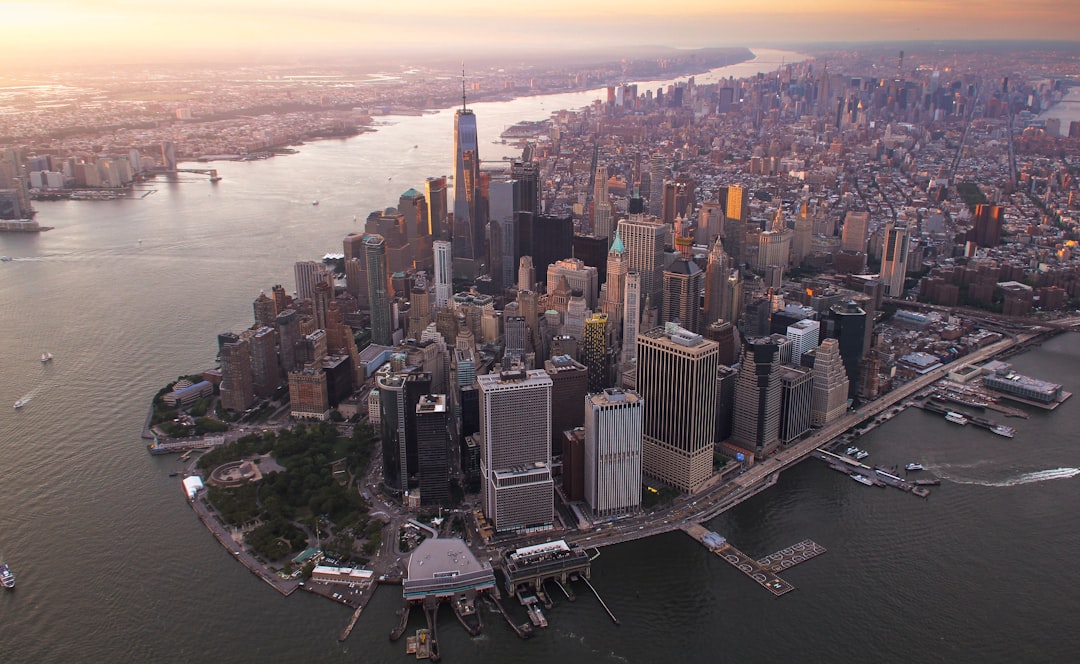
Photo: Brandon Jacoby / Unsplash
Perception vs Reality: NYC still has a dangerous-city reputation in some media, but most tourist districts are heavily used and policed. The more realistic risk for visitors is theft, scams, and poor late-night judgment rather than random violent crime in main sightseeing areas.
Risk Scores
Scale: 1 = very low risk, 10 = very high risk
Safety Overview
Overall Safety
NYC is a busy global city where awareness matters more than fear. Stick to well-trafficked routes, keep valuables secure, and be more selective about areas and transport late at night.
Violent Crime
Serious violence is not the main issue for most visitors in core tourist zones, but incidents do occur and risk rises in isolated places and during late-night disputes. Avoid confrontations and leave tense situations early.
Petty Crime
Pickpocketing, unattended-bag theft, and phone snatching happen in crowded areas, on trains, and around major attractions. Keep phones and wallets out of back pockets and zip bags closed.
Scams
Common NYC scams are low-level but frequent: fake performers, donation pitches, pedicab overcharging, and airport or street transport hustles. Ignore pressure tactics and agree on prices in advance where needed.
Night Safety
Busy nightlife areas can feel safe because of foot traffic, but intoxication, harassment, and theft increase after dark. Late-night subway platforms and quiet blocks deserve extra caution.
Public Transport
The subway is usually the most practical option and is widely used by locals and tourists. At night, wait near other riders, avoid empty cars, and move if someone seems unstable or aggressive.
Police & Emergency
Police presence is high in central areas, transit hubs, and major events. Emergency response is generally accessible, but minor theft recovery is often limited unless you have clear details or evidence.
Day vs Night
Daytime
Most central neighborhoods, museums, shopping streets, and parks are straightforward in daylight. Crowds bring convenience but also more distraction theft.
Nighttime
Risk increases after dark, especially after drinking, on quieter blocks, and when using less busy subway stations. Busy nightlife zones are usually fine if you stay aware and avoid arguments.
Seasonal: Holiday shopping season, New Year's Eve, summer weekends, parades, protests, and big sports events bring dense crowds, transport delays, and more theft opportunities.
Who’s Visiting?
Tourists are usually safe in major sightseeing districts, but they are obvious targets for overcharging, distraction scams, and theft in crowds.
Common Risks
- ⚠ Pickpocketing in Times Square, on subways, and around major attractions
- ⚠ Pedicab and street-vendor overcharging
- ⚠ Unlicensed airport or street transport offers
- ⚠ Phone theft while navigating or filming in public
Tips
- ✓ Use official taxis, rideshare apps, or public transit from airports
- ✓ Keep your phone in hand only when needed near the curb or train doors
- ✓ Do not engage with aggressive CD sellers, costumed solicitors, or fake charity pitches
- ✓ Carry only what you need for the day
Many women travel solo in NYC without problems, especially in busy parts of Manhattan and Brooklyn. The main issues are harassment, late-night transit discomfort, and intoxication-related vulnerability.
Common Risks
- ⚠ Street harassment
- ⚠ Unwanted attention in bars or on late-night trains
- ⚠ Drink tampering or distraction theft in nightlife settings
- ⚠ Following or loitering behavior in quieter areas
Tips
- ✓ Choose busy, well-lit routes after dark
- ✓ Avoid nearly empty subway cars late at night
- ✓ Watch drinks being made and do not leave them unattended
- ✓ If a rider is bothering you, switch cars at a station or stand near other passengers
NYC is one of the more LGBTQ-friendly major cities in the world, with strong community visibility and many inclusive venues. Most risk is social nuisance or generic big-city crime rather than legal or systemic targeting.
Same-sex relationships and gender expression are legal and broadly accepted. Acceptance is highest in much of Manhattan and Brooklyn, though individual harassment can still occur.
Common Risks
- ⚠ Verbal harassment from intoxicated or unstable individuals
- ⚠ Targeting after nightlife due to distraction or intoxication
- ⚠ Dating-app meetups with theft or misrepresentation
Tips
- ✓ Meet first dates in public venues and avoid isolated apartment meetups
- ✓ Use licensed transport after late nights out
- ✓ In nightlife districts, keep phones and bags secure while socializing
- ✓ If a space feels hostile, leave rather than argue
Families generally find NYC manageable, especially in daytime and in well-known districts. The main challenges are crowds, traffic, transit stairs, and keeping children close in busy zones.
Common Risks
- ⚠ Child separation in crowded attractions
- ⚠ Traffic when crossing wide avenues
- ⚠ Bag theft in restaurants or parks
- ⚠ Platform gaps and crowded trains
Tips
- ✓ Set a meeting point and teach children your phone number or hotel name
- ✓ Use crosswalks carefully and do not assume cars will stop quickly
- ✓ Keep strollers and bags within reach, especially at cafés and parks
- ✓ Travel outside peak rush hours when possible
NYC is workable for remote workers, but theft risk rises when laptops and phones are used openly in cafés, hotel lobbies, and transit.
Common Risks
- ⚠ Laptop or bag theft in cafés
- ⚠ Phone snatching while working near the street
- ⚠ Package theft at short-term rentals
- ⚠ Overpriced or poor-quality short-term stays in weakly located areas
Tips
- ✓ Do not leave devices unattended even briefly
- ✓ Choose accommodation near a subway line in a well-trafficked area
- ✓ Check building access and package handling before booking
- ✓ Use a privacy screen and secure Wi-Fi habits in public workspaces
Crime & Threats
Pickpocketing
MediumMost common in crowded tourist areas, trains, station stairways, and bars. Back pockets and open tote bags are easy targets.
Phone Snatching
MediumHappens near curbs, train doors, and on sidewalks when people are distracted by maps or photos. Keep a firm grip and step away from the street edge.
Robbery
LowLess common for visitors in major tourist zones than petty theft, but risk rises late at night on quiet streets or after heavy drinking.
Assault
LowRandom assault is not typical for most travelers, but arguments, nightlife disputes, and encounters with unstable individuals can escalate.
Drink Spiking
MediumReported in nightlife settings, especially where drinks are left unattended or accepted from strangers. Group travel and watching drinks being poured reduce risk.
Taxi Scams
MediumMainly a problem with unlicensed airport pickups, street hustlers, or fare disputes. Yellow cabs and app-based rides are safer bets.
ATM Skimming
LowNot a defining city risk, but use ATMs inside banks or well-monitored stores rather than isolated convenience locations.
Tourist Scams
MediumExpect aggressive solicitation around Times Square, Central Park, bridges, and ferry areas. The usual pattern is pressure, distraction, or hidden pricing.
Common Scams
Pedicab price shock
Drivers quote unclear prices or charge per person and per minute, leading to very high fares after short rides.
Ask for the full price before getting in and walk away if the answer is vague.
Fake performers or CD handouts
Someone hands you a CD, bracelet, or starts a performance interaction, then pressures you for payment or a tip.
Do not take items from strangers and keep walking without engaging.
Unlicensed airport ride offers
Drivers approach arrivals areas offering cash rides, then overcharge or switch terms mid-trip.
Use official taxi lines, airport signs, or a rideshare pickup booked in-app.
Costumed character or photo hustle
A character poses for a photo, then aggressively demands money.
Assume photos are not free and decline clearly if you do not want to tip.
Petition or donation distraction
A person asks you to sign or donate while an accomplice watches your phone, wallet, or bag.
Keep moving and do not stop in crowded areas with valuables exposed.
Area Safety
Safer Areas
Residential, busy, and generally comfortable for walking, dining, and staying.
Well-trafficked, orderly, and popular with families and visitors.
Generally calm, residential, and well connected.
Family-oriented, active streets, and a relatively easy base for visitors.
Be More Careful
Very visible and heavily policed, but crowded and full of hustles, pickpocket opportunities, and nuisance behavior.
Busy but can feel rougher late at night, with more erratic behavior and opportunistic theft.
Reduced foot traffic increases vulnerability to harassment, theft, or uncomfortable encounters.
Not typical visitor areas and generally less suitable for casual wandering, especially at night.
Getting Around
Walking
Walking is practical in busy neighborhoods, but traffic is fast and cyclists or e-bikes can be unpredictable. Avoid lingering with valuables visible near the curb.
Taxis & Rideshare
Yellow cabs and major rideshare apps are generally reliable. Decline unofficial airport offers and confirm the car and plate before entering.
Trains & Buses
The subway is usually efficient and safe enough for most travelers. Late at night, ride in cars with other passengers and avoid isolated platforms or sleeping on trains.
Do’s & Don’ts
Do
- Keep bags zipped and phones secure in crowded areas
- Use official taxis, rideshare apps, or well-used subway routes
- Stay in well-trafficked neighborhoods if visiting for the first time
- Stand near other riders on late-night platforms
- Check prices before pedicabs, tours, or street services
Don’t
- Do not flash cash, luxury items, or unattended shopping bags
- Do not enter unlicensed taxis or accept random airport ride offers
- Do not leave drinks unattended in bars or clubs
- Do not argue with aggressive street solicitors or unstable individuals
- Do not fall asleep on trains late at night
How Does It Compare?
Safer Than
NYC is a moderate-risk major city by global standards: generally manageable in core areas, but with more theft, disorder, and late-night transit concerns than very low-crime cities.
Frequently Asked Questions
Yes, most tourists visit without major problems, especially in busy parts of Manhattan and Brooklyn. The main issues are theft, scams, and late-night transit judgment.
Usually yes, but late-night travel needs more awareness. Use busier stations, avoid empty cars, and move if someone is acting aggressively or unpredictably.
Common scams include pedicab overcharging, fake donation or petition approaches, unsolicited CD handouts, costumed photo hustles, and unofficial airport rides.
Data Notes
- Safety varies sharply by block, time of day, and transit station, so borough-wide labels can oversimplify real conditions.
- Crime patterns and disorder levels can shift with season, staffing, and local events, especially on late-night transit.
Explore Areas in New York City
Other Destinations in United States
Traveling to New York City?
TripWaffle organizes your entire trip — flights, hotels, trains, events — in one beautiful itinerary. Just forward your confirmation emails.


100% free · 3 second signup
Last updated: March 22, 2026