Is Harlem Safe?
Harlem is generally manageable for visitors and residents who use normal New York City street smarts. It is much safer than its older reputation suggests, but safety varies by block and time of day, with more issues around late-night streets, parks, and busy transit corridors.
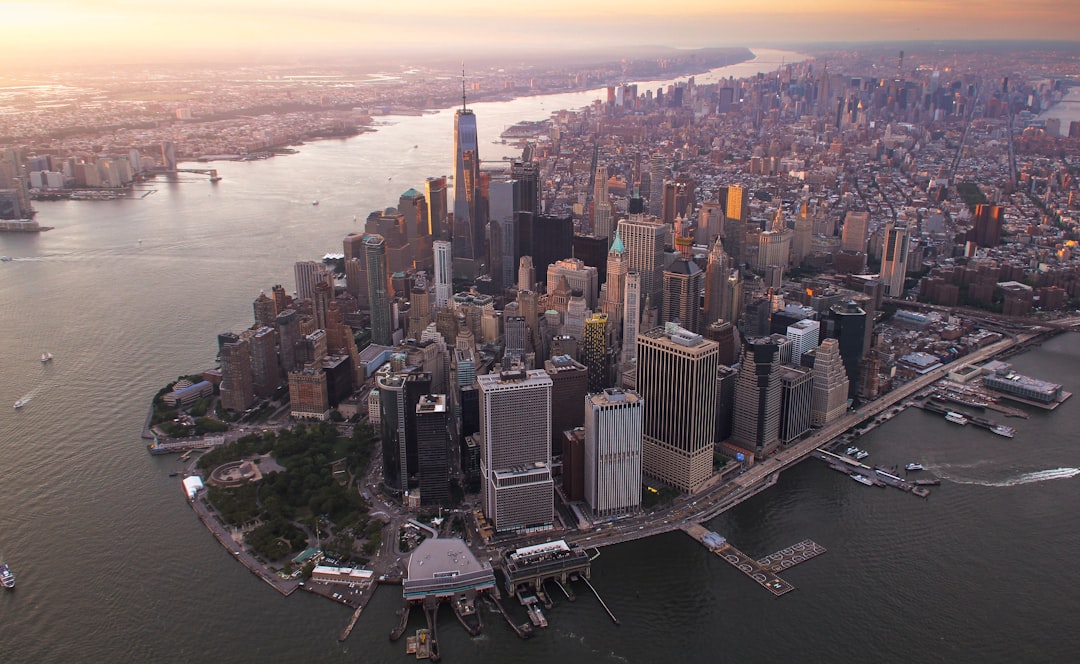
Photo: Brandon Jacoby / Unsplash
Perception vs Reality: Harlem still carries an outdated reputation for high danger; in reality, many parts are busy, residential, and fine in daytime, though petty theft and some late-night street crime remain real concerns.
Risk Scores
Scale: 1 = very low risk, 10 = very high risk
Safety Overview
Overall Safety
Most visitors pass through Harlem without problems, especially by day. Main risks are theft, occasional robbery, and feeling less comfortable on quiet blocks late at night.
Violent Crime
Serious violence is not a typical visitor experience, but isolated robberies and assaults do happen, especially after dark or during personal disputes.
Petty Crime
Bag theft, unattended-phone theft, and opportunistic stealing are more likely than serious crime, especially near transit hubs and busy commercial streets.
Scams
Classic tourist scams are less common here than in Manhattan's main tourist core, but overcharging by unlicensed cars and cash-related hustles can happen.
Night Safety
Night safety drops on quieter residential blocks, park edges, and around some subway entrances. Busy avenues are usually better than empty side streets.
Public Transport
Subways and buses are widely used and generally workable, but stay alert at 125th Street stations and on late-night platforms.
Police & Emergency
Police presence is normal for Manhattan, especially on main avenues and near transit. Emergency response is generally strong by big-city standards.
Day vs Night
Daytime
Daytime is usually fine for sightseeing, eating out, and walking main avenues. Busy commercial areas, residential blocks, and cultural sites are typically manageable.
Nighttime
Night brings a noticeable shift: some avenues remain active, but quieter side streets, parks, and certain station areas feel less comfortable and carry more robbery or harassment risk.
Seasonal: Summer evenings bring more street activity and noise, which can mean both more foot traffic and more minor disorder. Large events, nightlife peaks, and very late weekend hours tend to increase theft and arguments.
Who’s Visiting?
Tourists visiting for food, music, architecture, or history are usually fine in daytime and early evening. The biggest mistake is treating unfamiliar quiet blocks late at night like central tourist Manhattan.
Common Risks
- ⚠ Phone theft in busy areas
- ⚠ Getting disoriented after dark
- ⚠ Late-night subway discomfort
- ⚠ Overpaying for unlicensed rides
Tips
- ✓ Use mapped routes and know your subway exit before arriving
- ✓ Keep your phone in hand only when needed near curbs and station stairs
- ✓ Prefer busy avenues over empty side streets at night
- ✓ Use licensed yellow cabs or app-based rides late
Many solo women move around Harlem routinely, but comfort can depend heavily on block activity and time of day. Daytime is usually straightforward; late-night walking alone is less comfortable on quieter stretches.
Common Risks
- ⚠ Street harassment
- ⚠ Unwanted attention near transit
- ⚠ Isolation on quiet blocks late at night
- ⚠ Drink tampering risk in nightlife settings
Tips
- ✓ Choose busier routes and well-lit avenues after dark
- ✓ Avoid lingering alone in parks or on empty platforms late
- ✓ Watch drinks closely in bars and leave with trusted transport
- ✓ Share route details if heading back late
Legal risk is low and New York City is broadly LGBTQ-friendly. Social comfort is usually good, though acceptance can vary by venue and late-night street interactions can still turn unpleasant.
Same-sex relationships and gender expression are legally protected in New York, and Manhattan is generally socially tolerant, though neighborhood-by-neighborhood comfort can differ.
Common Risks
- ⚠ Occasional verbal harassment
- ⚠ Late-night street confrontations
- ⚠ Less inclusive vibe in some casual bars or street settings
Tips
- ✓ Stick to well-reviewed venues if going out
- ✓ Use rideshare or licensed taxis if leaving late
- ✓ Trust your read of a street or crowd and move on if it feels off
- ✓ Stay on busy corridors at night
Families visiting Harlem in daytime generally face typical big-city issues rather than unusual danger. Parks, museums, churches, and restaurants are usually fine, but transit crowds and traffic need attention.
Common Risks
- ⚠ Traffic at busy intersections
- ⚠ Crowded subway stairs and platforms
- ⚠ Petty theft when distracted with children
- ⚠ Park comfort dropping after dark
Tips
- ✓ Keep valuables zipped when managing strollers or bags
- ✓ Cross on signal and watch for turning vehicles and bikes
- ✓ Plan returns before it gets too late
- ✓ Choose busy family-friendly dining areas
Harlem can work well for longer stays, with residential streets, cafés, and decent transit links. The main issues are package theft, laptop visibility in cafés, and late returns from downtown or nightlife.
Common Risks
- ⚠ Package theft from apartment buildings
- ⚠ Laptop theft if left unattended
- ⚠ Phone snatching near stations
- ⚠ Uneven late-night comfort by block
Tips
- ✓ Do not leave devices unattended in cafés
- ✓ Use secure delivery options for parcels
- ✓ Check the exact block before booking accommodation
- ✓ Use a car home if returning very late
Crime & Threats
Pickpocketing
MediumNot at European-tourist-hub levels, but theft from pockets, open bags, and distracted phone use can happen around busy streets and transit.
Phone Snatching
MediumUsing your phone at curbside, station entrances, or while distracted on the sidewalk creates the main risk.
Robbery
MediumStreet robbery is not common for most visitors, but risk rises on emptier blocks late at night.
Assault
MediumMost assaults are not random attacks on visitors, but nightlife disputes and late-night confrontations do occur.
Drink Spiking
LowNot a standout neighborhood problem, but standard nightlife precautions still apply.
Taxi Scams
LowUse licensed cabs or app rides; the main issue is informal overcharging by unofficial drivers, not elaborate scams.
ATM Skimming
LowRisk exists but is not a defining issue; use indoor bank ATMs instead of isolated machines.
Tourist Scams
LowHarlem has fewer classic tourist traps than Midtown, though charity hustles, panhandling pressure, and cash-first deals can be annoying.
Common Scams
Unofficial car or gypsy cab overcharge
A driver offers a quick ride outside transit areas or nightlife spots, then charges more than expected in cash.
Use yellow cabs, confirm the meter, or book through a rideshare app.
Distraction theft near stations
Someone asks for help, creates a bump, or starts a conversation while an accomplice targets a phone or wallet.
Keep bags zipped, hold your phone securely, and do not stop in crowded choke points.
Cash-first street hustle
A person pressures you into buying something, donating, or paying for a service without clear pricing.
Decline firmly, keep moving, and avoid cash transactions with unclear terms.
Area Safety
Safer Areas
Generally residential, with student and local foot traffic on main streets; typically feels more settled than isolated blocks elsewhere.
Often calmer and more residential, especially in daytime and early evening.
Busy restaurant corridors and regular foot traffic can make it feel more comfortable than quieter interior blocks.
Be More Careful
Crowds, distraction, and station activity make this a common place for theft, harassment, or uncomfortable encounters.
Park areas and surrounding quieter edges can feel isolated at night.
Safety can vary sharply by block, with less foot traffic and fewer open businesses after hours.
Getting Around
Walking
Walking is practical in daytime on main avenues and active residential streets. At night, avoid empty park edges and choose busier, better-lit routes.
Taxis & Rideshare
Usually a good option late at night or if carrying valuables. Use licensed yellow cabs or reputable apps and verify the plate before entering.
Trains & Buses
Harlem is well served by subway and bus routes. Stay alert on late-night platforms, avoid displaying valuables near doors, and know your stop in advance.
Do’s & Don’ts
Do
- Stay on active, well-lit avenues after dark
- Keep phones and wallets secure around 125th Street and subway entrances
- Check the exact block of your hotel or rental, not just 'Harlem'
- Use licensed or app-booked transport for very late returns
- Trust your instincts if a block feels empty or tense and reroute
Don’t
- Do not assume all of Harlem has the same safety level
- Do not linger in parks or on isolated benches late at night
- Do not flash cash, jewelry, or expensive cameras on quiet streets
- Do not get into unofficial cars
- Do not walk distracted with your phone out near curbs or station stairs
How Does It Compare?
Safer Than
Riskier Than
This is a broad neighborhood-level comparison. Safety varies a lot between busy avenues, residential blocks, and park edges.
Frequently Asked Questions
Usually yes, especially in daytime and on busy streets. The main concerns are petty theft and quieter blocks late at night.
It depends on the block. Busy avenues are generally better, while parks, empty side streets, and some station areas feel less comfortable late.
Safety varies by block and time. Daytime is typically manageable, but quieter stretches can feel less comfortable late at night.
Data Notes
- Harlem can mean different subareas, including Central Harlem, West Harlem, and East Harlem, and safety differs noticeably between them.
- Crime conditions can change block by block and over short time periods, so neighborhood-wide summaries are only approximate.
- Specific hot spots and comfort levels may vary depending on current policing, local events, and exact street location.
Other Destinations in New York City
Traveling to Harlem?
TripWaffle organizes your entire trip — flights, hotels, trains, events — in one beautiful itinerary. Just forward your confirmation emails.


100% free · 3 second signup
Last updated: March 22, 2026