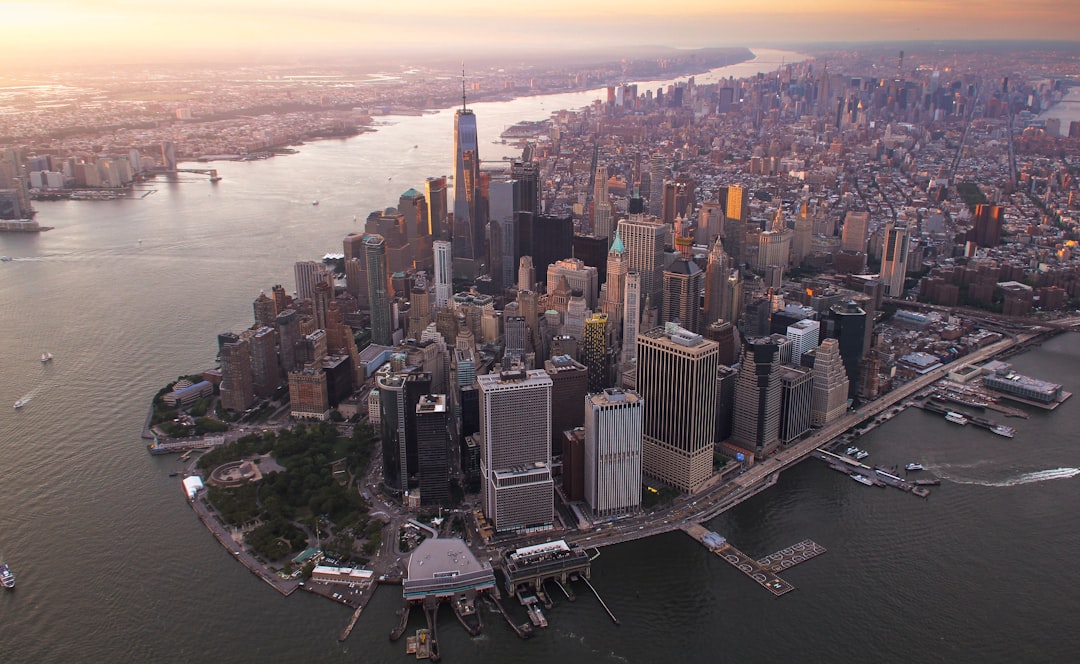
Is Manhattan Safe?
Manhattan is generally safe for most travelers, especially in busy commercial and residential areas during the day. The main issues are petty theft, tourist-targeted scams, nightlife-related incidents, and extra caution needed on quiet streets and subways late at night.
Photo: Brandon Jacoby / Unsplash
Perception vs Reality: Manhattan often has a harsher reputation than many visitors experience. In practice, most trips are trouble-free, but safety can change block by block and late-night transit needs more care than daytime sightseeing.
Risk Scores
Scale: 1 = very low risk, 10 = very high risk
Safety Overview
Overall Safety
One of the safer major urban cores in the US, but not risk-free. Crowded tourist zones and late-night transit create the most common problems.
Violent Crime
Serious violence is not a routine risk for visitors, but arguments, unstable behavior, and occasional robberies do happen, especially late at night.
Petty Crime
Pickpocketing, unattended-bag theft, and phone snatching are the most realistic everyday risks in tourist-heavy and transit-heavy areas.
Scams
Tourist hustles are common around Times Square and major attractions, including inflated pedicab fares, fake donations, and aggressive street performers seeking tips.
Night Safety
Busy nightlife zones can feel lively rather than dangerous, but risk rises after midnight on quieter blocks, around transport hubs, and on emptier subway platforms.
Public Transport
The subway is widely used and usually safe, but keep aware of belongings, avoid empty cars late at night, and watch for disruptive behavior.
Police & Emergency
Police presence is high in central areas, and emergency response is generally fast by US city standards. In crowded areas, getting immediate help may still take time.
Day vs Night
Daytime
Daytime is generally straightforward for visitors, including walking, museums, shopping, and transit between major neighborhoods.
Nighttime
After dark, busy entertainment areas can still feel active, but risk rises on quieter side streets, near transport hubs, and on emptier subways or platforms.
Seasonal: Holiday crowds, New Year's events, parades, and major sports or concert nights increase pickpocketing, crowding, traffic delays, and surge pricing.
Who’s Visiting?
Most tourists visit Manhattan without major trouble. The main risks are distraction theft, overpaying in tourist zones, and poor late-night transit choices.
Common Risks
- ⚠ Pickpocketing in crowded attractions
- ⚠ Phone theft while taking photos
- ⚠ Pedicab and street-hustle overcharging
- ⚠ Bag theft in cafes or hotel lobbies
Tips
- ✓ Keep phones secure near Times Square, subway stairs, and crowded sidewalks
- ✓ Do not leave bags on chairs or under cafe tables
- ✓ Use official taxis or app-based rides only
- ✓ Check restaurant and bar prices before ordering in tourist-heavy areas
Manhattan is manageable for solo women and many travel comfortably here, especially in busy neighborhoods. Late-night street and transit choices matter more than daytime sightseeing.
Common Risks
- ⚠ Street harassment
- ⚠ Unwanted attention in nightlife areas
- ⚠ Following or verbal harassment on quieter blocks
- ⚠ Drink tampering or over-intoxication in bars
Tips
- ✓ Prefer busy avenues over quiet side streets at night
- ✓ Avoid empty subway cars and isolated platforms late
- ✓ Watch drinks closely and do not leave them unattended
- ✓ If a person is acting erratically, change car, station exit, or route early
Manhattan is one of the more LGBTQ-friendly urban areas in the US, with strong social acceptance in many neighborhoods. Legal risk is low, though nightlife and street-level harassment can still occur.
Same-sex relationships and LGBTQ expression are legal and broadly accepted. Areas like Chelsea, Hell's Kitchen, and Greenwich Village are especially welcoming, though occasional harassment is still possible.
Common Risks
- ⚠ Verbal harassment from intoxicated or unstable individuals
- ⚠ Nightlife-related theft
- ⚠ Dating-app meetups with theft or fraud risk
Tips
- ✓ Meet first dates in public venues, not private apartments
- ✓ Use normal nightlife precautions with drinks, tabs, and transport home
- ✓ Leave situations quickly if a person becomes aggressive or fixated
Families usually find Manhattan safe and easy to navigate, especially in daylight and around well-trafficked residential areas. The bigger concerns are crowding, traffic, and kids getting separated.
Common Risks
- ⚠ Crowd separation near attractions
- ⚠ Traffic at busy intersections
- ⚠ Fatigue and poor judgment late at night
- ⚠ Theft from strollers or distracted adults
Tips
- ✓ Set a meeting point before entering crowded attractions
- ✓ Keep valuables zipped, not hanging on strollers
- ✓ Use crosswalks carefully even when signals favor pedestrians
- ✓ Prefer earlier dinner and transit times with children
Manhattan works well for remote workers, but the tradeoff is price, theft risk in public spaces, and occasional laptop vulnerability in cafes and coworking spaces.
Common Risks
- ⚠ Laptop or bag theft in cafes
- ⚠ Phone theft while working near windows or sidewalks
- ⚠ Overpriced short-term housing scams
- ⚠ Late-night fatigue leading to careless transit choices
Tips
- ✓ Do not leave devices unattended, even briefly
- ✓ Verify apartment listings carefully before paying deposits
- ✓ Choose coworking or cafes in busier, well-reviewed areas
- ✓ Take a rideshare home if finishing work very late
Crime & Threats
Pickpocketing
MediumMost common in crowded tourist areas, packed subway cars, and around stations.
Phone Snatching
MediumRisk rises when phones are used near the curb, subway stairs, or train doors.
Robbery
MediumLess common than petty theft, but late-night robberies can happen on quieter blocks or after bar hours.
Assault
MediumVisitors are more likely to encounter harassment or erratic behavior than targeted assault, but nightlife disputes do occur.
Drink Spiking
MediumA real but not constant nightlife risk; more relevant in bars, clubs, and heavy-drinking settings.
Taxi Scams
LowLicensed yellow cabs are regulated, but unlicensed cars, route padding, and airport fare confusion still happen.
ATM Skimming
LowLower than in many tourist cities, but use bank ATMs rather than isolated convenience-store machines.
Tourist Scams
MediumStreet hustles are frequent in high-footfall areas, especially Times Square and around major landmarks.
Common Scams
Pedicab overcharging
Drivers quote unclear prices, then charge per minute or per passenger at a much higher total than expected.
Agree on the full price before getting in and walk away if pricing is vague.
Costumed character or street performer tip pressure
A photo or interaction seems free, then aggressive requests for cash follow.
Assume nothing is free in tourist zones and decline firmly before engaging.
Fake donation or petition pitch
Someone claims to represent a charity, cause, or school and pressures you to give cash or card details.
Donate only through official websites and avoid giving money to street solicitors.
CD, bracelet, or gift handoff
A person hands you an item, then demands payment or tries to create a confrontation.
Do not take unsolicited items and keep walking without arguing.
Unlicensed car or route-padding taxi
A driver without proper licensing or a dishonest fare setup charges extra, takes a longer route, or invents fees.
Use yellow cabs or app-based rides only and watch the route on your phone.
Area Safety
Safer Areas
Well-trafficked residential area with a comparatively calm street feel.
Generally orderly, residential, and comfortable for walking in the daytime and evening.
Clean, planned, and quieter than many tourist-heavy parts of Manhattan.
Upscale area with lower street disorder than major transit and nightlife zones.
Popular and lively, with strong foot traffic and many well-used streets.
Be More Careful
Heavy crowds, distraction theft, aggressive hustles, and overpriced tourist services.
Busy transport zone with more late-night disorder, panhandling, and opportunistic theft.
Crowded, chaotic, and more uncomfortable late at night than during the day.
Alcohol-related incidents, theft, and harassment are more likely after midnight.
Safety varies block by block; visitors unfamiliar with the area should avoid isolated streets late.
Getting Around
Walking
Walking is usually the easiest way to get around. Stay alert at intersections, keep valuables secure, and avoid lingering with phones out near the curb at night.
Taxis & Rideshare
Yellow cabs and major rideshare apps are generally reliable. Avoid unlicensed drivers and confirm plate, driver, and destination before getting in.
Trains & Buses
Subways and buses are heavily used and usually safe, especially in daytime. At night, wait near other riders, avoid empty cars, and move away from disruptive behavior early.
Do’s & Don’ts
Do
- Keep bags zipped and in front of you on packed trains
- Use official cabs or trusted rideshare apps
- Choose busy avenues and well-lit streets at night
- Move subway cars or exits if someone seems unstable
- Check bar and pedicab prices before committing
Don’t
- Do not leave phones on cafe tables or coat pockets open
- Do not accept unsolicited items, photos, or 'free' help in tourist zones
- Do not get into unlicensed cars
- Do not ride empty subway cars late at night unless necessary
- Do not assume every block feels the same after dark
How Does It Compare?
Safer Than
Manhattan is relatively safe for a dense global city, but its petty-theft and late-night nuisance risks are higher than in the safest international urban centers.
Frequently Asked Questions
Yes, most tourist visits are trouble-free. The main risks are theft, scams in tourist zones, and poor late-night transit choices.
Many areas stay busy at night, but quieter blocks, transport hubs, and emptier subway platforms need more caution after midnight.
Common issues include pedicab overcharging, fake donations, aggressive street performers, and people handing out 'free' items then demanding money.
Data Notes
- Safety varies significantly by block, time of day, and current street activity.
- Manhattan is a large borough-like district, so conditions differ between residential, tourist, nightlife, and transit-heavy areas.
- Specific problem spots can shift with construction, shelter placement, police activity, and major events.
Other Destinations in New York City
Traveling to Manhattan?
TripWaffle organizes your entire trip — flights, hotels, trains, events — in one beautiful itinerary. Just forward your confirmation emails.


100% free · 3 second signup
Last updated: March 22, 2026