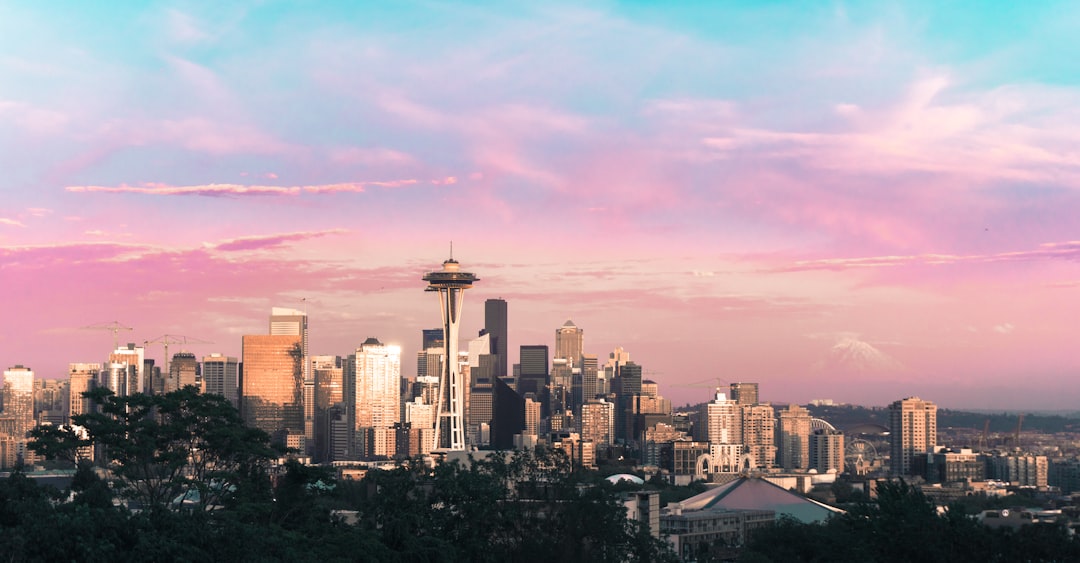
Is Seattle Safe?
Seattle is generally manageable for visitors, with property crime and block-by-block street disorder more common concerns than tourist-targeted violent crime. Most trips are trouble-free if you stay alert downtown, avoid leaving anything in cars, and use extra care late at night around nightlife and transit corridors.
Photo: Ben Dutton / Unsplash
Perception vs Reality: Seattle's reputation can be shaped by visible homelessness and open drug use on certain downtown blocks. In practice, many tourist and residential areas feel normal and safe by day, but comfort levels can change quickly from one block to the next.
Risk Scores
Scale: 1 = very low risk, 10 = very high risk
Safety Overview
Overall Safety
Seattle is broadly safe for routine travel, but theft from cars and opportunistic street crime are recurring issues. Downtown and nightlife zones deserve more attention after dark.
Violent Crime
Violent crime risk for visitors is usually not the main issue, but disputes, intoxicated behavior, and isolated late-night situations can raise risk. Some downtown blocks feel more unpredictable than dangerous.
Petty Crime
Car break-ins and theft of unattended bags, laptops, and phones are more common than classic pickpocketing. Do not leave items visible in parked cars, even briefly.
Scams
Seattle is not a heavy scam city by global standards. Most losses come from fake ticket sales, skimming, or unlicensed ride offers rather than elaborate tourist cons.
Night Safety
Night safety varies sharply by area. Busy restaurant and bar districts can feel fine, but quieter downtown blocks, transit stops, and industrial edges feel less comfortable late at night.
Public Transport
Link light rail and buses are usually usable and straightforward. Late at night, wait in well-lit areas, keep valuables close, and switch cars or move if someone is acting aggressively or erratically.
Police & Emergency
Emergency response is available through 911, but non-urgent property crime follow-up may be slow. For theft or car break-ins, document what happened and use official reporting channels.
Day vs Night
Daytime
Daytime is usually straightforward in major visitor areas, business districts, museums, and waterfront zones. Keep an eye on bags and avoid leaving belongings in parked cars.
Nighttime
At night, conditions vary by block. Busy restaurant zones can still feel fine, but quieter downtown stretches, some transit stops, and industrial edges feel less comfortable and are best crossed quickly or by rideshare.
Seasonal: Summer festivals, game days, and cruise traffic bring bigger crowds and more theft opportunities. Winter's early darkness, rain, and slick hills can make walking feel less secure and more tiring.
Who’s Visiting?
Most tourists visit without major problems, especially around Seattle Center, Pike Place, waterfront areas, and major hotels. The biggest risk is property theft, not being targeted as a tourist.
Common Risks
- ⚠ Car break-ins at parking garages, street parking, and trailheads
- ⚠ Bag or phone theft when items are left unattended in cafes or bars
- ⚠ Late-night discomfort around some downtown transit stops and nightlife spillover
Tips
- ✓ Use hotel or paid secure parking when possible
- ✓ Keep bags zipped and on you in cafes, food halls, and bars
- ✓ Plan your route back before a night out rather than wandering unfamiliar blocks
Seattle is workable for solo women travelers, especially in busy daytime areas and established neighborhoods. Extra care is useful at night in downtown, around transit, and when walking alone between nightlife venues.
Common Risks
- ⚠ Harassment or unsettling behavior from intoxicated or mentally unwell individuals
- ⚠ Low-traffic blocks after dark
- ⚠ Drink tampering risk in crowded nightlife settings, though not a standout citywide issue
Tips
- ✓ Prefer rideshare or direct routes after late evenings out
- ✓ Stay on well-lit main streets rather than shortcuts through quiet blocks
- ✓ Watch your drink and leave if a venue crowd feels off
Seattle is one of the more LGBTQ-friendly cities in the United States, with strong social acceptance and visible queer nightlife and community spaces. Risk is usually more about general urban street issues than identity-based targeting.
Legal protections and social acceptance are strong by U.S. standards. Capitol Hill is a well-known LGBTQ-friendly area, though nightlife areas still bring the usual late-night risks.
Common Risks
- ⚠ Occasional verbal harassment from unstable individuals in public spaces
- ⚠ Petty theft in bars, clubs, and crowded events
- ⚠ Nightlife-related risks shared with all travelers
Tips
- ✓ Capitol Hill is generally welcoming, but keep normal nightlife precautions
- ✓ Use licensed rides late at night
- ✓ Keep valuables secure during Pride events, concerts, and crowded weekends
Seattle is generally comfortable for families in major attractions, waterfront areas, parks, and residential neighborhoods. The main concerns are traffic, hills, weather, and occasional visible street disorder downtown.
Common Risks
- ⚠ Car prowls at parking areas
- ⚠ Crowds around Pike Place Market and waterfront attractions
- ⚠ Steep streets, wet sidewalks, and traffic near major sights
Tips
- ✓ Keep children close in crowded market and waterfront areas
- ✓ Do not store strollers, bags, or electronics in cars
- ✓ Choose lodging in well-reviewed central neighborhoods with easy transport access
Seattle works well for remote workers, but laptop theft from cars, cafes, and co-working spaces is a real concern. Neighborhood choice matters for comfort, walkability, and late-night return trips.
Common Risks
- ⚠ Laptop theft from unattended tables or visible bags
- ⚠ Car break-ins with work gear inside
- ⚠ After-hours walks through quiet downtown blocks
Tips
- ✓ Never leave work gear in a parked car
- ✓ Pick cafes and workspaces with good foot traffic and indoor seating
- ✓ Stay in neighborhoods with easy rideshare and transit options for late returns
Crime & Threats
Pickpocketing
MediumLess notorious than in major European capitals, but theft from distracted visitors in crowded markets, bars, and transit is still possible.
Phone Snatching
LowStreet phone snatching happens less often than in some cities, but keep your phone secure near curbs, transit doors, and nightlife crowds.
Robbery
MediumVisitor robbery is not the dominant threat, but risk rises late at night on quieter downtown blocks or when visibly intoxicated.
Assault
MediumMost visitors are unlikely to face assault, though bar disputes, erratic behavior, and confrontations with unstable individuals can occur.
Drink Spiking
LowNot a standout citywide pattern, but basic bar precautions still matter in crowded nightlife venues.
Taxi Scams
LowTaxi scams are not a major problem, but use licensed cabs or app-based rides and verify the vehicle before getting in.
ATM Skimming
MediumUse bank ATMs rather than isolated convenience-store machines, especially in nightlife or tourist-heavy zones.
Tourist Scams
LowSeattle has relatively few classic tourist scams. Fake ticket resale, parking deception, and opportunistic overcharging are more likely than street cons.
Common Scams
Fake ticket resale
Scammers sell invalid or duplicated tickets for concerts, sports, or festivals through social media or street meetups.
Buy from official sellers or major resale platforms and avoid screenshot-only tickets from strangers.
Card skimming at independent ATMs
A tampered ATM or card reader captures card details and PIN entry.
Use ATMs inside banks, inspect the machine, and cover the keypad.
Unlicensed ride or overcharge
A driver offers a ride outside normal pickup systems and charges inflated rates or changes the fare mid-trip.
Use the app, verify the vehicle, and avoid getting into unofficial cabs.
Parking payment deception
Visitors are directed to unofficial payment links, QR codes, or misleading attendants near busy areas or events.
Pay only at official machines, city apps, or clearly marked operators.
Area Safety
Safer Areas
Mostly residential, well-trafficked, and generally calmer than the downtown core.
Busy business and residential area with newer buildings, hotels, and regular foot traffic.
Popular dining and neighborhood area that feels comfortable by day and early evening, though bar areas still need normal night awareness.
Be More Careful
Transit-heavy blocks can have more open drug use, disorder, and unpredictable behavior, especially after dark.
Historic and popular for nightlife, but late hours can bring intoxication, fights, and quieter side streets.
Industrial blocks empty out at night, leaving fewer bystanders and less natural surveillance outside stadium events.
Getting Around
Walking
Walking is practical in central neighborhoods, but hills, wet pavement, and uneven comfort levels downtown matter. Stick to active, well-lit streets at night and avoid displaying valuables.
Taxis & Rideshare
Rideshare is widely available and often the easiest late-night option. Confirm plate and driver, and avoid informal ride offers near nightlife areas or the airport.
Trains & Buses
Link light rail is generally the simplest public option for visitors. Buses and trains are usually fine, but keep bags close and avoid empty cars or isolated stops late at night.
Do’s & Don’ts
Do
- Keep cars completely empty, including chargers and bags
- Use well-lit main streets after dark
- Stay aware around downtown transit stops and bar closing times
- Use bank ATMs and official ticket sellers
- Choose lodging in neighborhoods with good reviews and evening foot traffic
Don’t
- Do not leave luggage or electronics in a parked car, even in daylight
- Do not wander quiet downtown or industrial blocks late at night without a plan
- Do not engage with aggressive street confrontations
- Do not buy event tickets from random sellers outside venues
- Do not assume every downtown block feels the same
How Does It Compare?
Frequently Asked Questions
Yes, most visits are trouble-free. The main risks are car break-ins, theft of unattended items, and some uncomfortable downtown blocks at night.
Use extra care around the 3rd Avenue downtown corridor, Pioneer Square late at night, and quieter SoDo blocks after dark.
Generally yes. Link light rail and buses are widely used, but late at night it is smarter to wait in well-lit areas and keep belongings close.
Data Notes
- Street conditions in Seattle can change quickly by block, especially downtown.
- Perceived safety varies with visible homelessness, substance use, and time of day more than with tourist targeting.
- Nightlife patterns and problem spots can shift over time, especially near transit and entertainment zones.
Other Destinations in United States
Traveling to Seattle?
TripWaffle organizes your entire trip — flights, hotels, trains, events — in one beautiful itinerary. Just forward your confirmation emails.


100% free · 3 second signup
Last updated: March 22, 2026