Is Washington DC Safe?
Washington DC is manageable for most travelers, but safety varies sharply by neighborhood and time of day. Tourist areas are usually well-patrolled and busy, while some residential areas see higher rates of robbery, car theft, and gun violence, especially late at night.
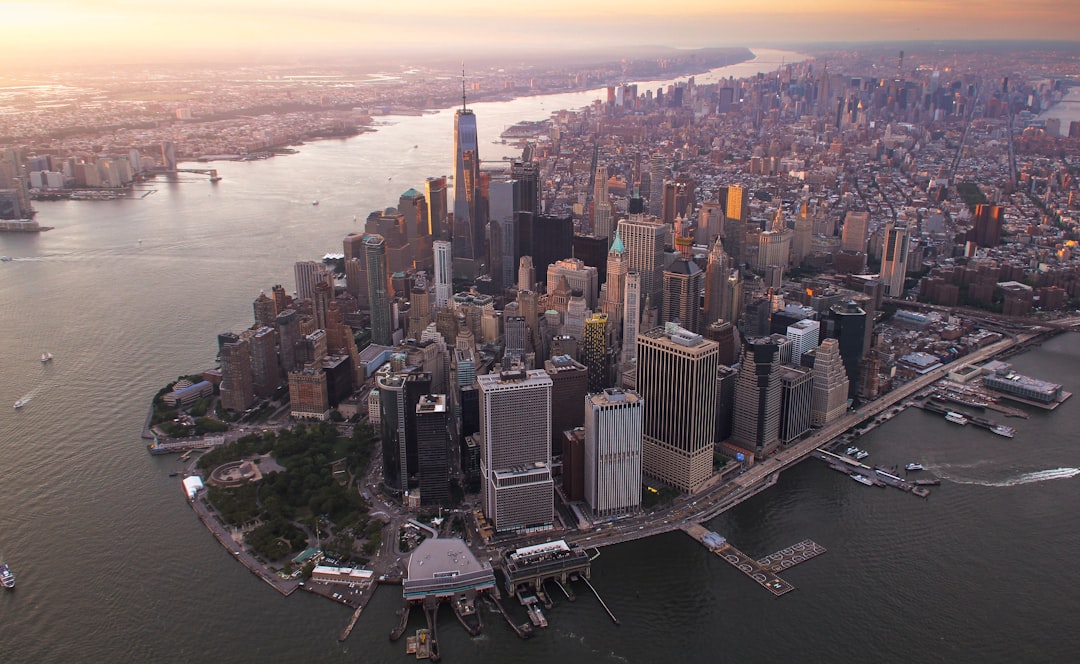
Photo: Brandon Jacoby / Unsplash
Perception vs Reality: DC has a reputation for crime that is partly deserved but often oversimplified. Most visitors spend time in central, tourist-heavy areas that feel much safer than the city's higher-risk pockets.
Risk Scores
Scale: 1 = very low risk, 10 = very high risk
Safety Overview
Overall Safety
Most visitors stick to central DC and have few problems. Risk rises outside core tourist zones and after dark, especially in quieter areas.
Violent Crime
Violent crime is a real concern in some neighborhoods, but it is not evenly spread across the city. Tourists are less often targeted than residents, though robberies do happen.
Petty Crime
Pickpocketing and theft from unattended bags happen in busy museums, transit stations, nightlife areas, and restaurants. Car break-ins are more common than classic street pickpocketing.
Scams
Scam risk is lower than in many global capitals, but visitors still encounter fake charity asks, aggressive street solicitors, and occasional taxi or nightlife overcharging.
Night Safety
Busy nightlife districts can feel fine early in the evening, but street empties quickly in some areas. Walking alone late at night is less comfortable outside main corridors.
Public Transport
Metro is generally safe and easy to use, especially by day. Late-night trains and quieter stations need more awareness, and buses can feel less predictable after dark.
Police & Emergency
Police presence is strong around federal buildings, the Mall, and major events. Response and street conditions can vary by neighborhood.
Day vs Night
Daytime
Daytime in central DC is usually comfortable for visitors, especially around museums, government zones, Georgetown, Dupont Circle, and Capitol Hill.
Nighttime
Risk rises after dark, particularly when walking between neighborhoods, using quiet stations, or leaving bars and clubs after midnight.
Seasonal: Summer brings heat, dehydration risk, larger crowds, and more street activity. Major protests, inaugurations, and large political events can cause sudden road closures, heavy policing, and localized tension.
Who’s Visiting?
Tourist-heavy parts of DC are usually straightforward and well-policed, with the main issues being theft, navigation mistakes, and wandering into unfamiliar areas late at night.
Common Risks
- ⚠ Bag theft in museums, cafes, and hotel lobbies
- ⚠ Car break-ins if luggage is left visible
- ⚠ Getting isolated after monuments visits at night
- ⚠ Aggressive panhandling or street solicitation
Tips
- ✓ Stay in central neighborhoods with easy Metro access
- ✓ Use rideshare after dark instead of long walks between zones
- ✓ Keep phones secure near station exits and nightlife strips
- ✓ Do not leave bags or electronics in parked cars
DC is workable for solo women, especially in central areas, but nightlife, late-night transit, and empty streets require planning.
Common Risks
- ⚠ Harassment in nightlife settings
- ⚠ Following or unwanted attention near bars or stations
- ⚠ Drink tampering risk in crowded venues
- ⚠ Long late-night walks through quiet blocks
Tips
- ✓ Prefer rideshare for late returns
- ✓ Choose busy routes and avoid short cuts through parks or alleys
- ✓ Watch drinks closely and leave if a venue feels off
- ✓ Share live location when going out at night
DC is one of the more LGBTQ-friendly cities in the US, with strong legal protections and established queer nightlife. Usual urban crime risks matter more than identity-based legal risk.
Same-sex relationships are legal, anti-discrimination protections are strong, and public acceptance is generally high. Isolated harassment can still happen, especially late at night or around intoxicated crowds.
Common Risks
- ⚠ Harassment near nightlife when crowds spill onto the street
- ⚠ Phone or wallet theft in bars and clubs
- ⚠ Occasional bias-motivated verbal abuse
Tips
- ✓ Stick to well-known venues and busy routes after nights out
- ✓ Use rideshare if leaving clubs late
- ✓ Keep valuables zipped and close in crowded bars
- ✓ Trust venue staff if someone is making you uncomfortable
DC is generally easy for families in daytime tourist areas, with the biggest concerns being traffic, crowds, heat, and tired children in transit hubs.
Common Risks
- ⚠ Children getting separated in museums or on the Mall
- ⚠ Traffic near major attractions
- ⚠ Heat exposure in summer
- ⚠ Theft from strollers or unattended bags
Tips
- ✓ Pick a clear meeting point at each attraction
- ✓ Carry water and plan indoor breaks in summer
- ✓ Use official taxis or rideshare if kids are exhausted after dark
- ✓ Keep bags closed and attached to you, not the stroller
DC works well for remote workers, but laptops and phones are attractive targets in cafes, coworking spots, and parked cars.
Common Risks
- ⚠ Laptop theft in cafes
- ⚠ Bag theft during bathroom or counter runs
- ⚠ Car break-ins with visible electronics
- ⚠ Nighttime transit after working late
Tips
- ✓ Do not leave devices unattended even for a minute
- ✓ Choose cafes with indoor seating and good foot traffic
- ✓ Avoid working with valuables on outdoor tables near the curb
- ✓ Use rideshare if packing up late with expensive gear
Crime & Threats
Pickpocketing
MediumNot as intense as in some European capitals, but theft happens in crowded museums, transit nodes, festivals, and nightlife areas.
Phone Snatching
MediumPhones are sometimes grabbed from distracted pedestrians, especially near roadsides, station exits, and nightlife corridors.
Robbery
MediumStreet robbery is a concern in some neighborhoods and late at night. Do not resist if confronted for a phone or wallet.
Assault
MediumMost visitors will not face assault, but fights and targeted incidents occur around nightlife and in higher-crime areas.
Drink Spiking
MediumThere are recurring reports around busy bars and clubs. Watch drinks and avoid leaving them unattended.
Taxi Scams
LowClassic taxi scams are less common than in many cities, but unmetered or padded fares can happen with informal pickups.
ATM Skimming
LowUse bank ATMs rather than standalone machines in convenience stores or nightlife areas.
Tourist Scams
LowTourist scams are limited, but visitors may run into fake causes, inflated pedicab prices, or misleading street sales.
Common Scams
Pedicab price inflation
Drivers quote vague rates or charge per person or per block, leading to a much higher total than expected.
Agree on the total price before getting in and avoid rides if pricing is unclear.
Fake charity or petition approach
Someone starts with a petition, cause, or donation request and pressures you for cash or distracts you while an accomplice watches your belongings.
Keep moving, do not open your wallet on the street, and donate only through official channels.
Nightlife overcharge
At some bars or informal events, drinks or tabs are padded, especially when visitors are intoxicated.
Use reputable venues, watch each order, and check your receipt before closing out.
Parking or QR payment phishing
Fake QR stickers or unofficial parking payment prompts send users to scam websites.
Use official parking apps or meters and avoid random QR codes stuck on machines.
Area Safety
Safer Areas
Busy, affluent, and well-trafficked with lots of dining and shopping; still watch for car break-ins and late-night disorder.
Popular central area with steady foot traffic, hotels, cafes, and generally good transit access.
Mostly residential and visitor-friendly by day, with a calmer feel than nightlife-heavy districts.
Heavy police presence and constant visitor activity make it one of the easier parts of the city for tourists.
Be More Careful
Higher violent crime risk than tourist districts; not a typical visitor area, especially at night.
Limited tourist reason to be there and a higher crime profile than central neighborhoods.
More reports of robbery and gun violence than in the city center; block-by-block conditions vary.
Popular nightlife areas where fights, drink tampering, theft, and disorder are more likely after bars close.
Getting Around
Walking
Good for sightseeing in central areas by day. Avoid long late-night walks, empty parks, and unfamiliar residential blocks.
Taxis & Rideshare
Usually the simplest option after dark. Use app-based rides or clearly marked licensed cabs, and check plate and driver before entering.
Trains & Buses
Metro is generally reliable and one of the safer US transit systems for visitors. Stay alert on platforms, avoid isolated cars late at night, and watch belongings near station exits.
Do’s & Don’ts
Do
- Stay in central, well-reviewed neighborhoods
- Keep bags zipped and phones in hand only when needed
- Use rideshare after midnight or when streets are empty
- Plan routes before leaving the hotel or station
- Use bank ATMs and official payment apps
Don’t
- Do not leave luggage or electronics visible in cars
- Do not wander into unfamiliar areas just because they look close on a map
- Do not accept vague pricing from pedicabs or informal drivers
- Do not get distracted while handling cash or cards on the street
- Do not walk home alone from nightlife areas if you feel unsure
How Does It Compare?
Safer Than
DC is not among the safest US major cities, but central visitor areas are usually easier than its citywide reputation suggests.
Frequently Asked Questions
Yes, most tourists do fine in central areas like the Mall, Georgetown, Dupont Circle, and Capitol Hill, but neighborhood choice and late-night transport matter.
It depends on the area. Busy nightlife districts can feel fine early on, but late-night walking in quiet or unfamiliar areas is less safe.
For visitors, the main issues are theft, car break-ins, and ending up in the wrong area late at night rather than elaborate scams.
Data Notes
- Crime conditions in DC can change noticeably by block, so neighborhood summaries are broad rather than exhaustive.
- Hotspot labels like 'parts of Anacostia' or 'some far Northeast corridors' are intentionally general because risk is uneven within those areas.
- Recent local fluctuations in violent crime and policing may affect conditions faster than travel summaries can fully capture.
Other Destinations in United States
Traveling to Washington DC?
TripWaffle organizes your entire trip — flights, hotels, trains, events — in one beautiful itinerary. Just forward your confirmation emails.


100% free · 3 second signup
Last updated: March 22, 2026