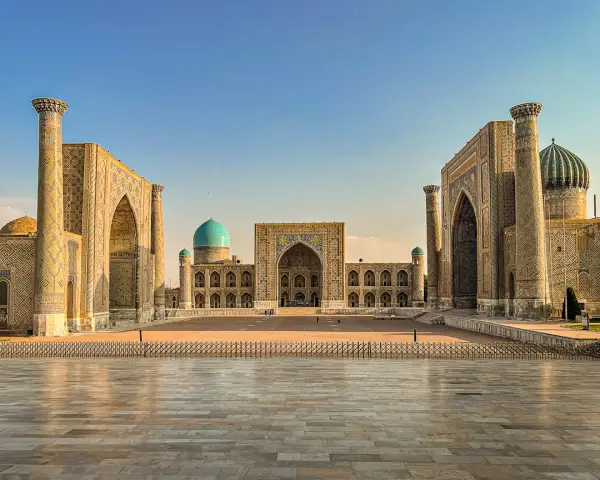
Is Samarkand Safe?
Samarkand is generally safe for most travelers, with low levels of violent street crime in the main tourist areas. The bigger issues are petty theft, taxi overcharging, and reduced comfort in quiet outer districts late at night rather than serious violence.
Photo: Hans-Jürgen Weinhardt / Unsplash
Perception vs Reality: Its Silk Road image can make it seem either more chaotic or more exotic-dangerous than it really is; in practice, central Samarkand is usually calm, and most problems travelers face are minor and opportunistic.
Risk Scores
Scale: 1 = very low risk, 10 = very high risk
Safety Overview
Overall Safety
Samarkand is one of the easier cities in the region for mainstream tourism, especially around major sights and established hotels. Most safety issues are low-level theft or overcharging rather than violent crime.
Violent Crime
Violent crime affecting visitors is not a main concern in central Samarkand. Incidents are more likely in isolated areas, after heavy drinking, or during disputes over money or transport.
Petty Crime
Pickpocketing and bag theft can happen in crowded spots like bazaars, stations, and busy sightseeing areas. Keep phones and wallets secure, especially in crowds and on buses.
Scams
The most common scams are simple: inflated taxi fares, tourist markups, and unsolicited guide help followed by payment demands. Agree prices in advance or use an app where possible.
Night Safety
Central tourist areas are usually manageable at night, but lighting and foot traffic drop off quickly outside them. Quiet streets, parks, and transport hubs feel less comfortable after dark.
Public Transport
Buses and trains are generally usable and not unusually risky, but crowded vehicles create opportunities for petty theft. Keep bags in front of you and avoid showing cash.
Police & Emergency
Police presence is visible around major landmarks and transport points. Travelers may encounter language barriers, so hotel staff can be helpful for translation and practical support.
Day vs Night
Daytime
Daytime is generally low risk in central Samarkand, especially around major attractions, hotels, and main roads. Crowds increase petty-theft opportunities in markets and peak sightseeing hours.
Nighttime
Night risk rises mainly because streets empty out and some areas are poorly lit rather than because of high violent crime. Stick to central, active areas and use taxis for longer trips after dark.
Seasonal: Holiday periods, festivals, and peak tourist months can mean heavier crowds, more transport confusion, and more petty theft opportunities. Summer heat can also affect judgment, hydration, and daytime walking safety.
Who’s Visiting?
Tourists usually find Samarkand straightforward and welcoming, especially around Registan, Shah-i-Zinda, and hotel districts. The main annoyances are overcharging, crowd-related theft, and pushy informal services.
Common Risks
- ⚠ Taxi overcharging from stations and tourist sites
- ⚠ Pickpocketing in bazaars and crowded attractions
- ⚠ Unofficial guides or helpers asking for money
- ⚠ Tourist-price inflation in shops and transport
Tips
- ✓ Use hotel-arranged or app-based taxis when possible
- ✓ Carry small notes and avoid flashing cash
- ✓ Keep passports and spare cards in a separate place
- ✓ Politely decline unsolicited help if you do not want it
Many solo women travel in Samarkand without major problems, especially in the daytime and in central areas. Social attention or mild harassment can occur, and quieter streets feel less comfortable after dark.
Common Risks
- ⚠ Staring or unwanted conversation
- ⚠ Occasional taxi boundary-pushing or fare disputes
- ⚠ Reduced comfort in quiet areas at night
- ⚠ Drink safety concerns in bars or hotel nightlife settings
Tips
- ✓ Prefer well-reviewed hotels and pre-booked transport
- ✓ At night, use taxis rather than long walks through quiet streets
- ✓ Set taxi price before departure if not using an app
- ✓ Watch drinks closely in nightlife venues
LGBTQ travelers face a notably higher risk profile than average visitors because of the legal and social environment in Uzbekistan. Public discretion is important.
Same-sex relations involving men have been criminalized in Uzbekistan, and social attitudes are conservative. Even where enforcement appears uneven, legal and social risks are materially higher than for other travelers.
Common Risks
- ⚠ Legal exposure for male same-sex intimacy
- ⚠ Harassment or hostility if displaying affection publicly
- ⚠ Privacy risks when sharing accommodation details
- ⚠ Difficulty getting support after discrimination
Tips
- ✓ Avoid public displays of affection
- ✓ Be cautious about dating apps and sharing personal details
- ✓ Choose established hotels with clear booking records
- ✓ Keep conversations about sexuality private in unfamiliar settings
Samarkand works well for families, with major attractions concentrated in accessible areas and a generally calm atmosphere. The main issues are traffic, crowds, heat, and keeping children close in busy sites.
Common Risks
- ⚠ Crowd separation at major monuments and bazaars
- ⚠ Road crossing and traffic behavior
- ⚠ Summer heat and dehydration
- ⚠ Minor food or hygiene issues in informal eateries
Tips
- ✓ Use sun protection and carry water in warm months
- ✓ Hold children's hands near roads and markets
- ✓ Choose reputable restaurants and hotels
- ✓ Plan sightseeing early or late in summer to avoid heat stress
Samarkand is generally manageable for short stays, though it is more tourism-focused than a major nomad hub. Safety issues are usually practical rather than severe.
Common Risks
- ⚠ Laptop or phone theft in busy cafes or transit settings
- ⚠ Wi-Fi privacy concerns on public networks
- ⚠ Cash handling and ATM issues
- ⚠ Taxi overcharging on repeated local trips
Tips
- ✓ Do not leave devices unattended in cafes or hotel lobbies
- ✓ Use a VPN on public Wi-Fi
- ✓ Withdraw cash at bank-attached ATMs where possible
- ✓ Use apps or fixed-fare transport instead of negotiating constantly
Crime & Threats
Pickpocketing
MediumMost likely in Siab Bazaar, transport hubs, and packed tourist zones. Keep valuables zipped and in front-facing bags.
Phone Snatching
LowLess common than in many larger cities, but phones can be taken if left visible in crowds or near open vehicle windows.
Robbery
LowStreet robbery against visitors is not a typical issue in central Samarkand, but isolated late-night walking raises risk.
Assault
LowAssault is uncommon for tourists, though arguments involving alcohol, nightlife, or transport disputes can escalate.
Drink Spiking
LowNot a leading risk, but normal nightlife precautions still apply, especially in bars, private invitations, or mixed groups.
Taxi Scams
MediumA common irritation, especially around the train station and tourist sites. Drivers may quote inflated prices or change the fare on arrival.
ATM Skimming
LowNo strong indication of unusually high skimming risk, but bank-attached machines are safer than isolated ATMs.
Tourist Scams
MediumExpect inflated pricing, unofficial guide offers, and souvenir overcharging more than complex fraud.
Common Scams
Taxi fare inflation
A driver quotes a low or vague fare, then demands much more on arrival, especially from stations or major sights.
Use an app, ask your hotel for a typical fare, or agree the exact price before the ride starts.
Unofficial guide pressure
Someone offers help, directions, or a mini tour without clear terms, then asks for a large tip or fee.
Only use licensed or pre-booked guides and decline unsolicited assistance politely but firmly.
Tourist pricing in markets
Visitors are quoted inflated prices for souvenirs, snacks, or services, especially in busy tourist zones.
Compare prices at a few stalls, ask locals or hotel staff for benchmarks, and carry small cash.
Cash exchange or ATM 'help'
A stranger offers to help with money exchange or an ATM, creating a chance to distract you or influence the transaction.
Use official exchange points or bank ATMs and do not hand your card or cash to anyone.
Area Map
Approximate locations from public sources. Conditions vary by time of day and current events.
Area Safety
Safer Areas
Well-known tourist zone with regular foot traffic, visible security presence, and many hotels and restaurants nearby.
Busy, central, and generally more comfortable for walking in the day and early evening.
Popular with visitors and usually active enough to feel manageable during the day.
Be More Careful
Crowded market conditions create pickpocketing and overcharging opportunities.
Common place for taxi overcharging, bag distraction, and opportunistic hustling.
Lower lighting, less foot traffic, and fewer obvious services make them less comfortable for visitors.
Getting Around
Walking
Walking is generally fine in central sightseeing areas by day. After dark, avoid long walks through empty streets or poorly lit residential areas.
Taxis & Rideshare
Taxi pricing disputes are one of the most common traveler complaints. Use app-based rides or agree the fare clearly before getting in.
Trains & Buses
Trains are usually a practical and relatively safe option, while local buses can be crowded and are the main setting for minor theft. Watch bags closely when boarding and exiting.
Do’s & Don’ts
Do
- Keep valuables zipped and close in bazaars and stations
- Use bank-attached ATMs and official exchange services
- Carry your hotel address in writing for taxi drivers
- Use app-based or hotel-booked taxis when possible
- Stay in central areas if you plan to be out in the evening
Don’t
- Do not leave phones or wallets visible on café tables or in open bags
- Do not assume every taxi uses fair pricing without agreeing first
- Do not walk long distances through empty areas late at night
- Do not accept unsolicited guide services without clear terms
- Do not discuss LGBTQ identity openly with unfamiliar people if privacy matters
How Does It Compare?
Safer Than
Samarkand is generally a low-risk city by international travel standards, but it is not as friction-free as the world's safest cities, especially for scams, transport pricing, and LGBTQ travelers.
Frequently Asked Questions
Yes, Samarkand is generally safe for tourists, especially in central sightseeing areas. Most issues are petty theft, taxi overcharging, and minor scams.
Central areas are usually manageable at night, but quiet streets and outer districts feel less comfortable due to low lighting and fewer people around.
The most common problems are inflated taxi fares, unofficial guide offers, and tourist-price markups in markets and near major attractions.
Data Notes
- Current, neighborhood-level crime data for Samarkand is limited in public English-language sources.
- Nightlife-specific incident patterns are less well documented than general tourist-area safety.
- LGBTQ legal and enforcement conditions in Uzbekistan can change and may be applied unevenly in practice.
Other Destinations in Uzbekistan
Traveling to Samarkand?
TripWaffle organizes your whole trip in one beautiful itinerary - and watches over it: government advisory alerts, the local emergency number, and entry requirements for Samarkand, plus live flight tracking. Just forward your confirmation emails.


100% free · 3 second signup
Last updated: May 27, 2026