
Is Buenos Aires Safe?
Buenos Aires is generally manageable for travelers, but it is not a low-risk city. Most visitor problems are pickpocketing, phone theft, distraction theft, and occasional robberies, especially in crowded areas, around transport hubs, and late at night.
Photo: Barbara Zandoval / Unsplash
Perception vs Reality: It is often seen as either very dangerous or very European and easy; the reality is in between. Many visitors have trouble-free trips, but opportunistic street crime is common enough that routines like hiding phones, using trusted rides, and choosing neighborhoods carefully matter.
Risk Scores
Scale: 1 = very low risk, 10 = very high risk
Safety Overview
Overall Safety
Main risks are theft and street opportunism rather than targeted violence against tourists. Neighborhood choice and time of day make a big difference.
Violent Crime
Violent crime is not the main issue for most visitors, but muggings and robberies do happen, especially when people display phones or wallets. Resistance during a robbery can escalate the situation.
Petty Crime
Pickpocketing and phone snatching are common in tourist zones, on busy avenues, and on crowded buses and trains. Bags left on chairs or phones used near the curb are frequent targets.
Scams
Taxi overcharging, distraction theft, fake or poor-value currency exchange, and card issues can affect visitors. Most scams are low-level but annoying and costly.
Night Safety
Busy nightlife districts can feel lively, but risk rises after dark on quieter side streets, near transport hubs, and when returning home late. Short rides are usually safer than long walks at night.
Public Transport
Subte, buses, and trains are usable, but crowded platforms and cars are the main theft points. Keep bags in front and avoid empty stations or carriages late at night.
Police & Emergency
Police presence is visible in central and tourist areas, but response quality can vary. For minor theft, practical recovery is often limited, so prevention matters more than after-the-fact help.
Day vs Night
Daytime
Daytime is generally manageable in central areas if you watch belongings, especially in markets, plazas, and transit hubs. Tourist routes are easiest during daylight.
Nighttime
Risk increases at night due to quieter side streets, nightlife-related theft, and more opportunistic robberies. Returning by rideshare or radio taxi is often better than walking long distances.
Seasonal: Demonstrations near Congreso, Plaza de Mayo, and central avenues can disrupt movement. Football match days, festivals, and holiday crowds increase theft opportunities; summer heat can also make people more distracted and tired.
Who’s Visiting?
Tourists usually face opportunistic theft rather than serious violence. The biggest mistakes are flashing phones, using unverified taxis, and wandering into less suitable areas after dark.
Common Risks
- ⚠ Pickpocketing in San Telmo, Microcentro, and on transit
- ⚠ Phone snatching on sidewalks and near intersections
- ⚠ Taxi overcharging or long-route scams
- ⚠ Distraction theft in cafés and outdoor seating
Tips
- ✓ Carry only the cash and cards you need for the day
- ✓ Use a rideshare or radio taxi at night instead of hailing randomly
- ✓ Keep your phone off the curb side and out of sight when not needed
- ✓ Stay inside well-known parts of La Boca and go during daytime
Many solo women visit Buenos Aires comfortably, especially in Recoleta, Palermo, and Belgrano. The main concerns are harassment, late-night street conditions, drink tampering, and theft while distracted.
Common Risks
- ⚠ Catcalling or unwanted attention in nightlife areas
- ⚠ Drink spiking or over-intoxication in bars and clubs
- ⚠ Walking alone on quiet blocks after midnight
- ⚠ Ride issues with unlicensed taxis
Tips
- ✓ Choose accommodation in well-trafficked areas with easy ride access
- ✓ Watch drinks closely and avoid leaving them unattended
- ✓ Use rides for late returns instead of walking several blocks alone
- ✓ Share live trip details with someone when going out late
Buenos Aires is one of the more LGBTQ-friendly cities in Latin America, with legal protections and visible queer nightlife. Social acceptance is generally good in central areas, though harassment can still occur in more conservative or late-night settings.
Same-sex relationships and marriage are legal in Argentina, and Buenos Aires is widely seen as socially open. Legal risk is low, but public displays of affection may still draw attention in some areas.
Common Risks
- ⚠ Verbal harassment late at night
- ⚠ Theft around nightlife districts
- ⚠ App-based dating meetups leading to theft or extortion setups
Tips
- ✓ Meet new people in public venues first, not private apartments
- ✓ Stick to established nightlife zones in Palermo and central districts
- ✓ Use trusted rides after bars or clubs
- ✓ Treat dating-app meetups with the same caution as in any big city
Families usually do well in Buenos Aires if they stay in calmer neighborhoods and plan transport sensibly. Daytime sightseeing is generally straightforward, but busy plazas, markets, and stations need extra attention.
Common Risks
- ⚠ Pickpocketing in crowded attractions
- ⚠ Traffic when crossing wide avenues
- ⚠ Demonstrations causing reroutes or delays
- ⚠ Heat and fatigue during summer outings
Tips
- ✓ Base yourself in Recoleta, Palermo, or Belgrano for easier routines
- ✓ Use crossbody bags and keep valuables split between adults
- ✓ Avoid station areas and long walks after dark with children
- ✓ Check for protests or transport disruptions before heading into the center
Buenos Aires is popular with remote workers, but visible laptops and phones can attract theft. Apartment quality and neighborhood choice matter as much as street safety.
Common Risks
- ⚠ Laptop theft in cafés or coworking-adjacent areas
- ⚠ Phone snatching while working outdoors or near windows
- ⚠ Rental scams or poor security in short-term apartments
- ⚠ Card issues or cash confusion during currency exchange
Tips
- ✓ Pick buildings with good entry security and solid neighborhood reputation
- ✓ Do not leave devices unattended, even briefly
- ✓ Avoid working with valuables at street-edge outdoor tables
- ✓ Use reputable exchange channels and monitor card transactions closely
Crime & Threats
Pickpocketing
HighCommon in crowded tourist zones, markets, buses, trains, and near stations. Front pockets, zipped bags, and no loose phones in hand reduce risk.
Phone Snatching
HighA frequent problem on sidewalks, at intersections, and from motorcycles or passing thieves. Avoid using your phone at the curb or while distracted.
Robbery
MediumStreet robberies occur, especially at night or in quieter blocks. They are less common than petty theft but more likely if valuables are visible.
Assault
MediumRandom assault is not the typical tourist issue, but incidents can happen around nightlife, arguments, or attempted theft. Late-night alcohol-heavy settings raise the risk.
Drink Spiking
MediumNot the most common issue, but it is a known nightlife risk. Keep drinks in sight and be cautious with strangers offering shots or mixed drinks.
Taxi Scams
MediumOvercharging, meter issues, and long routes are recurring complaints. App-based rides or booked radio taxis are more predictable.
ATM Skimming
MediumCard fraud and suspicious ATM assistance can happen. Use ATMs inside banks or malls and do not accept help from strangers.
Tourist Scams
MediumDistraction theft, fake exchange offers, and inflated prices in tourist-heavy areas show up more than elaborate scams. Being rushed is often part of the setup.
Common Scams
Taxi overcharge or long route
A driver avoids the meter, claims the meter is broken, or takes an unnecessarily long route, especially from tourist areas or late at night.
Use a rideshare or pre-booked taxi, confirm the route, and avoid getting into cabs that seem reluctant to use standard pricing.
Distraction theft
Someone asks for help, creates a spill, or starts a small commotion while an accomplice steals a phone, wallet, or bag.
Keep valuables zipped and close to your body, and do not set phones or bags on café tables or empty chairs.
Bad exchange or counterfeit cash
Travelers are offered attractive unofficial exchange rates, then receive counterfeit notes or are shortchanged.
Use reputable exchange services and count money carefully in a secure place.
ATM helper scam
A stranger offers to help at an ATM, watches your PIN, or swaps cards during confusion.
Use ATMs inside banks or malls and decline any unsolicited assistance.
Nightlife drink tampering
A drink is left unattended or handed over by a stranger, leading to theft or vulnerability afterward.
Watch your drink being made, keep it with you, and leave with people you trust.
Area Map
Approximate locations from public sources. Conditions vary by time of day and current events.
Area Safety
Safer Areas
Well-trafficked, upscale, and popular with visitors; generally more comfortable for walking by day and early evening.
Popular for hotels, dining, and nightlife; safer than average in busy sections, though theft is still common in crowded spots.
Mostly residential and calmer, with a lower-pressure feel for families and longer stays.
Modern and comparatively controlled; comfortable for dining and walks, though some stretches feel quiet late at night.
Be More Careful
Tourist-friendly around Caminito in daytime, but risk rises outside the main tourist strip and after hours.
Busy transport area with theft and a rougher street environment, especially after dark.
Commercial and crowded, with frequent pickpocketing and distraction theft around transit and shopping streets.
Transit crowds attract theft; some nearby blocks feel less comfortable at night.
Fine for business hours and landmarks, but quieter streets can feel less secure after offices close.
Getting Around
Walking
Walking is fine in well-known areas during the day, but avoid staring at your phone on the street and be selective about routes after dark. Wide avenues and traffic require attention.
Taxis & Rideshare
Use Cabify, Uber where functioning locally, or reputable radio taxis rather than random street cabs late at night. Check the plate, route, and meter or app fare before departure.
Trains & Buses
Subte and buses are practical, but crowded conditions are prime theft territory. Keep backpacks in front, avoid flashing devices near doors, and be cautious in major stations.
Do’s & Don’ts
Do
- Stay in Recoleta, Palermo, Belgrano, or other well-trafficked districts
- Carry your phone discreetly and keep bags zipped in front on transit
- Use rideshare or booked taxis for late-night returns
- Visit La Boca in daylight and stick to the tourist zone
- Check for demonstrations if heading into Microcentro or Congreso
Don’t
- Do not leave phones, wallets, or laptops visible on café tables
- Do not walk long distances alone late at night through quiet blocks
- Do not use unofficial money exchange offers from strangers
- Do not assume busy station areas are safe just because they are crowded
- Do not resist a robbery over a phone or wallet
How Does It Compare?
Safer Than
Buenos Aires is moderate by big-city Latin American standards: usually less violent than the highest-risk regional capitals, but noticeably more theft-prone than lower-crime cities.
Frequently Asked Questions
Usually yes with smart habits, but tourists commonly face pickpocketing, phone theft, and taxi or exchange scams.
Recoleta, Palermo, Belgrano, and parts of Puerto Madero are the most comfortable choices for many visitors.
Busy nightlife zones can be fine, but risk rises on quiet streets, near stations, and during late walks home.
Data Notes
- Crime patterns can shift with economic conditions and vary sharply block by block.
- Risk differs notably between daytime tourist routes and late-night local movement.
- Some neighborhoods contain both comfortable and less comfortable sections, so broad labels can oversimplify.
Explore Areas in Buenos Aires
Traveling to Buenos Aires?
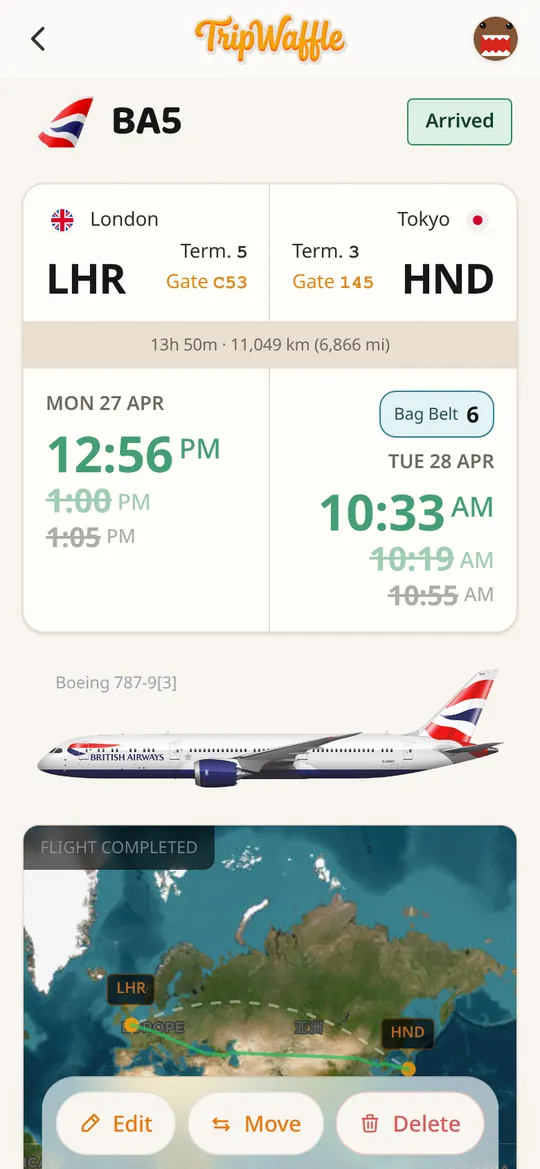
TripWaffle organizes your whole trip in one beautiful itinerary - and watches over it: government advisory alerts, the local emergency number, and entry requirements for Buenos Aires, plus live flight tracking. Just forward your confirmation emails.


100% free · 3 second signup
Last updated: May 27, 2026