
Is São Paulo Safe?
São Paulo is manageable for most travelers, but safety depends heavily on neighborhood, time of day, and how visibly you carry valuables. Business and upscale districts are usually fine with routine precautions, while central areas, nightlife zones, and transit hubs see more theft, phone snatching, and occasional robbery.
Photo: Renan / Unsplash
Perception vs Reality: São Paulo has a rough reputation, but it is not uniformly dangerous. Many visitors spend time in areas like Jardins, Pinheiros, Itaim Bibi, and Moema without major issues; risk rises sharply in parts of the historic center and late at night.
Risk Scores
Scale: 1 = very low risk, 10 = very high risk
Safety Overview
Overall Safety
São Paulo is usable and often routine in better-known districts, but crime is uneven and can change block by block. The most common traveler issues are phone theft, bag theft, and street robbery in less busy areas or after dark.
Violent Crime
Violent crime exists, including armed robbery, but most visitors are more likely to face opportunistic theft than targeted violence. Risk is higher in isolated streets, some central districts, and when displaying phones or jewelry.
Petty Crime
Pickpocketing and phone snatching are common in crowded areas, shopping streets, outside bars, and near transport hubs. Keep bags zipped and phones out of sight near the curb.
Scams
Scams are usually low-level: overcharging, card-machine tricks, fake street help, and taxi issues. They are less common than theft but still worth watching for.
Night Safety
Nighttime risk rises noticeably, especially in the city center and on quieter streets after restaurants and bars close. Stick to direct rides rather than long walks late at night.
Public Transport
Metro use is generally straightforward during the day, but crowded stations and buses attract pickpockets. Late-night transit is less comfortable and more variable depending on the area.
Police & Emergency
Police presence exists in business and tourist areas, but response quality can vary. For routine urban safety, prevention matters more than expecting fast intervention.
Day vs Night
Daytime
Daytime is usually manageable in business districts, malls, museums, and well-used streets. Theft remains the main issue in crowded central zones and shopping streets.
Nighttime
After dark, risk rises on quieter blocks, around transit exits, and in parts of the center. Even in good neighborhoods, use rideshare for longer distances and avoid walking while using your phone.
Seasonal: Crowds during Carnival events, football matches, major concerts, and big shopping periods increase pickpocketing and transport confusion. Heavy rain can also disrupt transport and make some areas harder to navigate safely.
Who’s Visiting?
Tourists usually do fine if they stay in well-known districts and avoid showing expensive items. The main risks are theft in crowded places and robbery on quieter streets.
Common Risks
- ⚠ Phone snatching from sidewalks or at traffic lights
- ⚠ Pickpocketing in markets, metro stations, and busy avenues
- ⚠ Taxi overcharging or route padding
- ⚠ Card payment tricks in bars or with informal vendors
Tips
- ✓ Use a low-value phone in public if possible
- ✓ Keep your main phone off the street and away from the curb
- ✓ Use rideshare or radio taxi at night instead of walking far
- ✓ Carry only the cash and cards you need for the day
Solo women can travel in São Paulo, especially in business and residential districts, but should plan nighttime movement carefully. Harassment can happen in nightlife areas and on crowded transit.
Common Risks
- ⚠ Street harassment
- ⚠ Drink tampering in nightlife settings
- ⚠ Theft while distracted at bars, transport, or on the street
- ⚠ Higher vulnerability on quiet streets late at night
Tips
- ✓ Choose accommodation in well-rated areas like Jardins, Pinheiros, Moema, or Itaim Bibi
- ✓ Use door-to-door rides at night
- ✓ Watch drinks being made and do not leave them unattended
- ✓ Avoid isolated shortcuts, even in otherwise good neighborhoods
São Paulo is one of Latin America's most LGBTQ-friendly large cities, with visible queer nightlife and broad social acceptance in many areas. Still, attitudes vary by neighborhood and late-night street crime remains a practical concern.
Brazil legally recognizes LGBTQ rights, and São Paulo has a large LGBTQ scene, especially around Paulista and nightlife districts. Legal risk is low, but public harassment or hostility can still occur in some settings.
Common Risks
- ⚠ Street harassment outside inclusive nightlife areas
- ⚠ Petty theft in crowded nightlife zones
- ⚠ Late-night vulnerability when leaving bars or clubs
Tips
- ✓ Stay in well-trafficked areas when going out
- ✓ Use rideshare after nightlife rather than walking far
- ✓ Check venue reputation and local reviews
- ✓ Be more discreet in unfamiliar or less central areas if the atmosphere feels tense
Families usually find São Paulo manageable in safer districts, malls, parks, and business areas. The biggest issues are traffic, crowded public spaces, and theft of phones or bags.
Common Risks
- ⚠ Pickpocketing in busy attractions and shopping areas
- ⚠ Traffic when crossing large avenues
- ⚠ Crowding in transit hubs and market streets
Tips
- ✓ Prefer family-friendly neighborhoods with good hotel security
- ✓ Use rideshare with children after dark
- ✓ Keep backpacks zipped and valuables distributed
- ✓ Plan outings to avoid rush hour and very crowded market streets
São Paulo works well for digital nomads because of good neighborhoods, coworking options, and strong food and cafe scenes. The trade-off is classic big-city theft risk, especially around electronics.
Common Risks
- ⚠ Laptop and phone theft in cafes or during transit
- ⚠ Grab-and-go theft from tables or bags
- ⚠ Card fraud from weak payment habits
Tips
- ✓ Pick accommodation and workspace in Pinheiros, Vila Madalena, Jardins, Itaim Bibi, or Moema
- ✓ Do not leave devices unattended, even briefly
- ✓ Use indoor ATMs in malls or bank branches
- ✓ Back up data and enable device tracking before arrival
Crime & Threats
Pickpocketing
MediumCommon in crowded shopping streets, metro stations, markets, and event areas, especially when people are distracted.
Phone Snatching
HighOne of the most common street crimes. Thieves on foot, bikes, or motorcycles may grab phones from hands or tables near the street.
Robbery
MediumStreet robbery does happen, sometimes with weapons, mainly in quieter areas, after dark, or when someone appears distracted or visibly affluent.
Assault
MediumMost travelers will not face assault, but fights and opportunistic violence can occur around nightlife and poorly lit streets.
Drink Spiking
MediumNot the main citywide risk, but cases are reported in nightlife venues. Greater caution is wise in bars, clubs, and at large events.
Taxi Scams
MediumOvercharging and route padding still occur, especially with informal taxis or at transport hubs. App-based rides reduce risk.
ATM Skimming
MediumUse ATMs inside banks, malls, or airports rather than street machines, especially at night.
Tourist Scams
MediumLess elaborate than in some tourist capitals, but fake assistance, card-machine tricks, and inflated prices can target visitors.
Common Scams
Card machine switch
A vendor or driver distracts you, taps a higher amount, or swaps the machine so you approve the wrong charge.
Keep the terminal in sight, check the amount yourself, and use tap or chip only when you can see the screen clearly.
Airport or station taxi overcharge
An unofficial driver offers a quick ride, then charges far above the normal fare or takes a longer route.
Use app-based rides, official taxi ranks, or prebooked transport only.
Street distraction theft
Someone asks for help, spills something, or creates a scene while an accomplice takes a phone or wallet.
Keep moving, secure your bag, and do not expose your wallet or phone while responding.
Phone grab at the curb
A thief on a bike or motorcycle snatches a phone from your hand while you text, film, or check maps near the street.
Step inside a shop or stand away from the curb before using your phone.
Area Map
Approximate locations from public sources. Conditions vary by time of day and current events.
Area Safety
Safer Areas
Upscale, busy, and popular with visitors; generally better street presence and hotel infrastructure.
Business and dining district with good hotels, restaurants, and frequent rideshare availability.
Residential-upscale feel, relatively orderly, and convenient for families and business travelers.
Popular, lively, and generally comfortable by day and evening, though phone theft still happens.
Be More Careful
Historic central areas with heavier theft risk, visible homelessness, and more uncomfortable conditions after dark.
Busy transport and shopping zone where theft, disorder, and street crime concerns are higher.
Extremely crowded retail areas that attract pickpockets and bag theft, especially during peak shopping times.
Some parts near the center can feel unstable, with drug activity and uneven street safety.
Getting Around
Walking
Walk in active, well-lit streets and avoid standing near the curb with your phone out. Short walks in good areas are usually fine by day; long or isolated walks at night are a poorer choice.
Taxis & Rideshare
Rideshare is widely used and generally the best option at night. Verify the plate before entering and avoid informal taxi offers at airports, bus stations, or on the street.
Trains & Buses
Metro is useful and widely used, especially by day, but guard pockets and bags in crowded cars and platforms. Buses vary more by route and area; they are less ideal late at night for visitors.
Do’s & Don’ts
Do
- Stay in well-rated areas such as Jardins, Pinheiros, Itaim Bibi, or Moema
- Keep phones and jewelry low-profile in public
- Use rideshare for late-night trips
- Use ATMs inside malls, airports, or bank branches
- Carry a backup card separately from your main wallet
Don’t
- Do not walk with your phone out on the sidewalk or at traffic lights
- Do not rely on long walks through the center after dark
- Do not accept informal taxi rides from strangers
- Do not leave drinks or bags unattended in bars
- Do not assume a safe neighborhood stays equally safe on every block late at night
How Does It Compare?
Safer Than
Compared with other major cities in the region, São Paulo is more about theft and uneven neighborhood risk than constant tourist-targeted violence. Upscale districts feel much safer than parts of the central core.
Frequently Asked Questions
Usually yes in well-known districts, but theft and phone snatching are common enough that visitors should stay alert and plan night transport.
Jardins, Itaim Bibi, Moema, and Pinheiros are common safer choices for visitors because they are better serviced and more predictable.
The metro is generally fine by day, but crowded stations attract pickpockets and late-night transit is less comfortable for visitors.
Data Notes
- Safety can change significantly by block, even within the same neighborhood.
- Nightlife-related risks vary a lot by venue, event size, and how late you leave.
- Conditions in central districts can shift over time due to policing, street activity, and local events.
Other Destinations in Brazil
Traveling to São Paulo?
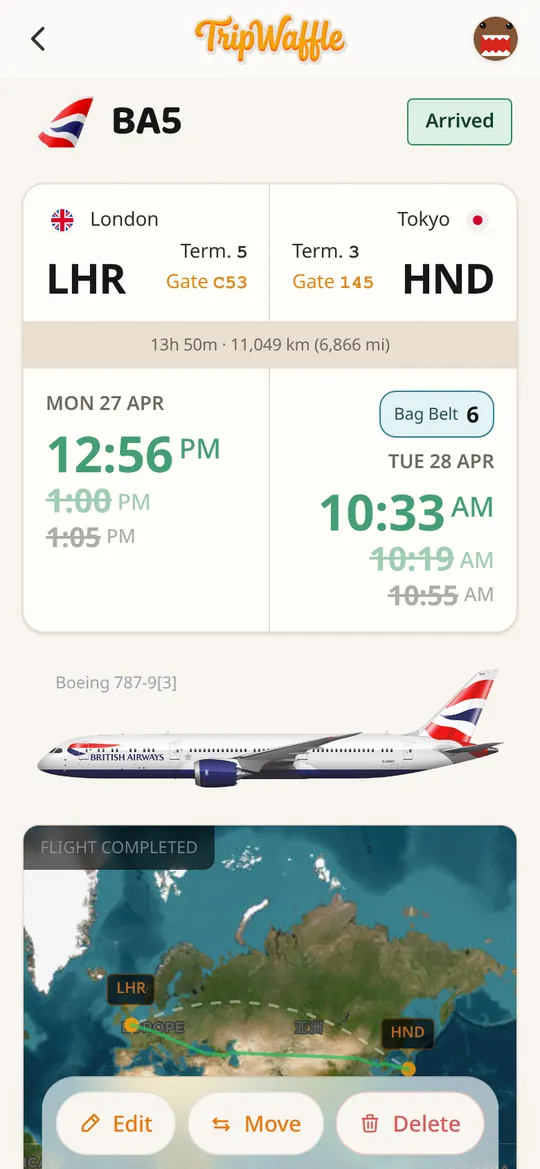
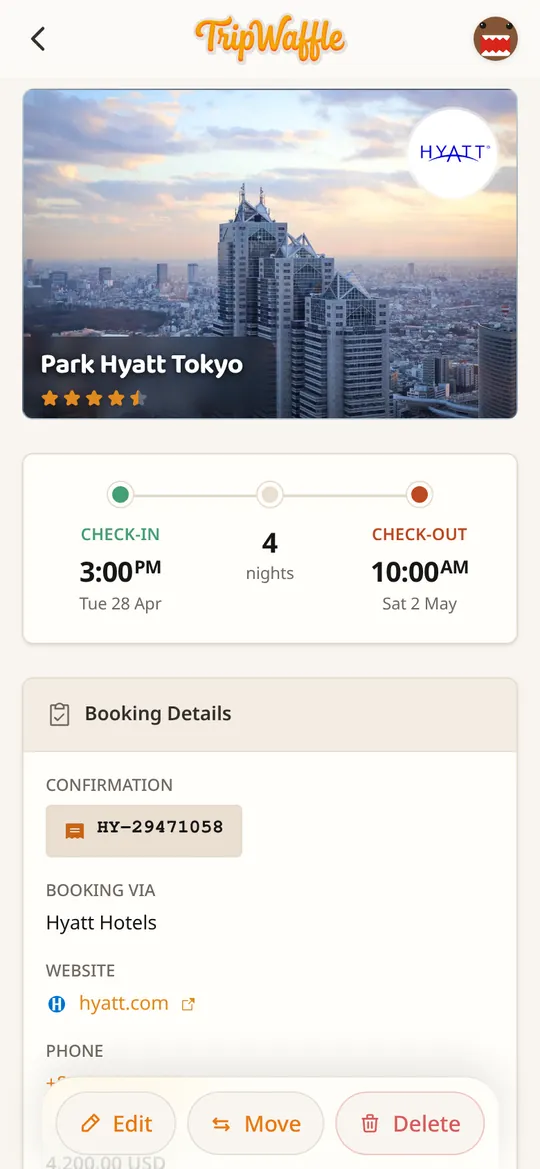
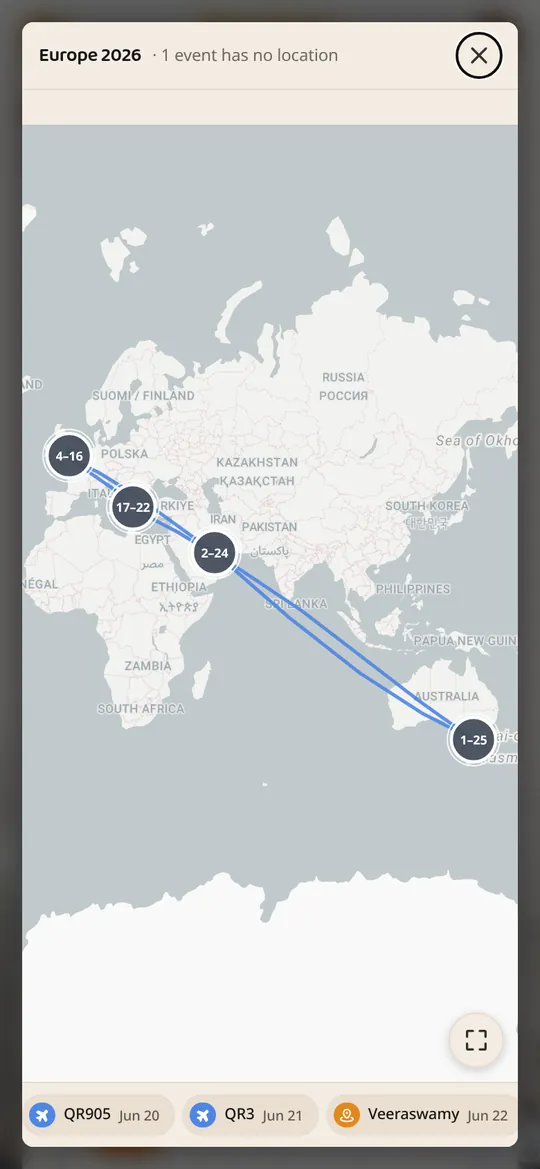
TripWaffle organizes your whole trip in one beautiful itinerary - and watches over it: government advisory alerts, the local emergency number, and entry requirements for São Paulo, plus live flight tracking. Just forward your confirmation emails.


100% free · 3 second signup
Last updated: May 27, 2026