
Is Brasília Safe?
Brasília is generally manageable for travelers, with lower visible street chaos than many large Brazilian cities, but theft, robbery, and after-dark risks still matter. The central planned areas are usually more orderly, while transport hubs, nightlife zones, and some outer districts require more care.
Photo: Ramon Buçard / Unsplash
Perception vs Reality: Brasília can feel safer than Brazil's rougher big-city reputation in the government core, but that does not mean crime is low everywhere; risk varies a lot between central zones and outlying administrative areas.
Risk Scores
Scale: 1 = very low risk, 10 = very high risk
Safety Overview
Overall Safety
Brasília is not among Brazil's highest-risk destinations, but it is not a low-risk city by global standards. Daytime visits in central districts are usually straightforward; night movement and isolated areas need more planning.
Violent Crime
Most visitors are more likely to face opportunistic theft than serious violence, but robberies do happen, especially at night or in quieter areas. Avoid resisting if confronted.
Petty Crime
Phone theft, bag snatching, and distraction theft are the main everyday risks in crowded transport and commercial zones. Keep valuables out of sight.
Scams
Scam risk is moderate and usually practical rather than elaborate: unofficial taxis, card issues, and inflated charges in nightlife settings. Use apps and verify prices before paying.
Night Safety
Brasília's wide roads and low foot traffic can make even central areas feel isolated after dark. Walking between venues late at night is often riskier than it looks on a map.
Public Transport
Metro and buses are usable, but bus terminals and crowded routes are where theft risk rises. Keep phones away near doors and platforms.
Police & Emergency
Police presence is visible in government areas and major avenues, but response quality can vary by area and situation. Language barriers are possible outside tourist-facing settings.
Day vs Night
Daytime
Daytime is usually straightforward in central civic areas, museums, malls, and established neighborhoods. Keep an eye on phones and bags in transport and commercial zones.
Nighttime
Night brings a noticeable jump in risk because many areas empty out and distances are large. Use rideshare instead of walking long stretches, even in districts that seem polished by day.
Seasonal: Political demonstrations, major concerts, football events, and holiday nightlife can increase crowds, road closures, and theft opportunities. Heavy rain can also affect mobility and leave people waiting in exposed areas.
Who’s Visiting?
Tourists usually do fine in Brasília's main civic and architectural areas, but should not assume the capital is risk-free. The main issues are theft, moving around after dark, and using transport hubs carelessly.
Common Risks
- ⚠ Distraction theft at Rodoviária do Plano Piloto
- ⚠ Phone snatching in busy public areas
- ⚠ Unofficial taxis at airport or bus terminal
- ⚠ Walking long empty stretches after dark
Tips
- ✓ Use rideshare at night instead of walking between sectors
- ✓ Carry only what you need for the day
- ✓ Keep your phone inside near station doors and in traffic
- ✓ Choose restaurants and bars with active foot traffic
Solo women can visit Brasília without unusual difficulty, especially in central and upscale districts, but empty streets and nightlife transit are the main concerns. Harassment can happen, and isolation after dark is often a bigger issue than crowds.
Common Risks
- ⚠ Street harassment
- ⚠ Nighttime isolation in low-footfall areas
- ⚠ Drink tampering in bars or parties
- ⚠ Reliance on transport late at night
Tips
- ✓ Prefer rideshare door-to-door after dark
- ✓ Avoid waiting alone at quiet bus stops at night
- ✓ Watch drinks closely in bars and clubs
- ✓ Share live trip details with someone when going out
Brasília is relatively manageable for LGBTQ travelers, with legal protections at the national level and pockets of acceptance, especially in urban middle-class circles. Social comfort can vary by venue and district.
Same-sex relationships are legal in Brazil, and Brasília is generally more tolerant than many smaller cities, but public attitudes are mixed and displays of affection may draw attention in conservative or peripheral areas.
Common Risks
- ⚠ Verbal harassment in some nightlife or transit settings
- ⚠ Bias incidents in less progressive venues
- ⚠ General street crime unrelated to identity
Tips
- ✓ Choose well-reviewed bars and nightlife spots
- ✓ Use rideshare after late outings
- ✓ Be more discreet in isolated or conservative areas if unsure
- ✓ Ask locals or hosts which venues are openly LGBTQ-friendly
Families usually find Brasília manageable thanks to its organized layout, broad avenues, and daytime attractions. The main safety issues are traffic, heat, and keeping children close in busy terminals and malls.
Common Risks
- ⚠ Traffic when crossing wide roads
- ⚠ Getting stranded in low-service areas
- ⚠ Petty theft in transport hubs
- ⚠ Sun and dehydration during outdoor sightseeing
Tips
- ✓ Use car seats and seat belts in cars and rideshares
- ✓ Plan shade and water for daytime visits
- ✓ Cross only at proper points on major avenues
- ✓ Stay near staffed, active areas with children
Digital nomads often find Brasília comfortable in business-oriented neighborhoods, but mobility and neighborhood choice matter more than nightlife. Theft risk is moderate, especially around laptops, phones, and bank cards.
Common Risks
- ⚠ Laptop theft from cars or cafés
- ⚠ Card fraud and skimming
- ⚠ Late-night travel between work and accommodation
- ⚠ Overconfidence in quiet upscale districts
Tips
- ✓ Work from reputable cafés or coworking spaces
- ✓ Avoid leaving electronics visible in vehicles
- ✓ Use digital payments carefully and check card readers
- ✓ Stay in central, well-connected districts
Crime & Threats
Pickpocketing
MediumMost likely in bus terminals, markets, and busy commercial areas rather than at monuments. Backpacks and loose phones are easy targets.
Phone Snatching
MediumA common urban risk, especially near roadsides, station entrances, and while using phones in public. Keep devices away when waiting or walking.
Robbery
MediumStreet robbery is a real concern after dark or in isolated areas. Quiet parking areas and empty sidewalks increase vulnerability.
Assault
MediumSerious assault is not the typical tourist issue, but arguments, nightlife disputes, and robbery situations can turn violent. Avoid confrontations.
Drink Spiking
MediumNot the most common risk, but it is reported in Brazilian nightlife settings. Do not leave drinks unattended or accept open drinks from strangers.
Taxi Scams
MediumThe main issues are unofficial drivers, overcharging, and route padding. App-based rides are usually simpler and more transparent.
ATM Skimming
MediumUse ATMs inside banks, malls, or airports rather than isolated street machines. Cover your PIN and inspect card slots.
Tourist Scams
LowBrasília has fewer classic tourist hustles than Rio or Salvador, but transport and payment scams still occur. Most problems are opportunistic rather than theatrical.
Common Scams
Unofficial airport or bus station taxi
A driver approaches travelers directly, then overcharges, takes a longer route, or claims the meter is broken.
Use app-based rides or official taxi ranks only, and confirm the route on your phone.
Card machine switch or hidden extra charge
A seller distracts you, uses another machine, or enters a higher amount than stated.
Watch the amount before tapping or inserting, and do not let your card out of sight.
Distraction theft in terminals
Someone asks for help, bumps into you, or creates confusion while an accomplice takes a phone or wallet.
Keep bags zipped in front, do not expose cash, and step away before checking directions or messages.
Inflated nightlife bill
A bar or club adds items, unclear service fees, or higher-than-expected charges late at night.
Check prices first, keep receipts, and use well-reviewed venues.
Area Map
Approximate locations from public sources. Conditions vary by time of day and current events.
Area Safety
Safer Areas
Well-known central residential area with better services, more routine movement, and easier access to restaurants and hotels.
Popular with residents, students, and visitors; generally manageable by day with plenty of businesses and dining options.
Upscale residential district that is typically calmer and perceived as safer than busier commercial zones.
Affluent area with lower street intensity, though it is car-dependent and can feel empty at night.
Be More Careful
Major transport hub with heavy foot traffic, distraction theft, and more opportunistic crime.
Busy by day but can feel rougher and less comfortable after business hours, especially on quieter blocks.
Convenient but can attract intoxicated crowds, overcharging issues, and opportunistic theft after dark.
These large outer districts vary widely, but some parts have higher crime rates and are less relevant for casual visitors.
Getting Around
Walking
Walking is fine for short daytime stretches in active central areas, but Brasília's layout often leaves pedestrians on long, quiet routes. Avoid isolated walks after dark.
Taxis & Rideshare
Rideshare is usually the safest and easiest option for visitors, especially at night. Confirm the vehicle and driver before entering.
Trains & Buses
The metro is limited but usable; buses cover more ground but can be confusing for newcomers. Watch belongings closely at terminals and near vehicle doors.
Do’s & Don’ts
Do
- Use rideshare after dark, even for moderate distances
- Keep phones and jewelry low-profile in public
- Stay in central, well-reviewed neighborhoods
- Use ATMs inside banks, malls, or airports
- Plan routes in advance because the city is spread out
Don’t
- Do not walk long empty stretches at night
- Do not accept rides from drivers who approach you directly
- Do not leave bags or electronics visible in cars
- Do not use your phone near curbside traffic without awareness
- Do not assume government areas are safe at all hours
How Does It Compare?
Frequently Asked Questions
Generally yes with planning, especially in central districts by day, but theft and nighttime isolation are the main concerns.
Night safety is weaker than daytime safety because many areas become empty. Rideshare is usually better than walking.
The main risks are phone theft, bag snatching, robbery in isolated areas, and transport-related scams.
Data Notes
- Crime risk varies significantly between Plano Piloto and outer administrative areas, and visitors usually spend little time in higher-risk peripheral districts.
- Specific neighborhood conditions can change quickly with policing, nightlife patterns, and local events.
- Reliable, up-to-date comparisons between Brasília and other Brazilian cities can differ depending on whether the source measures the Federal District as a whole or specific districts.
Other Destinations in Brazil
Traveling to Brasília?
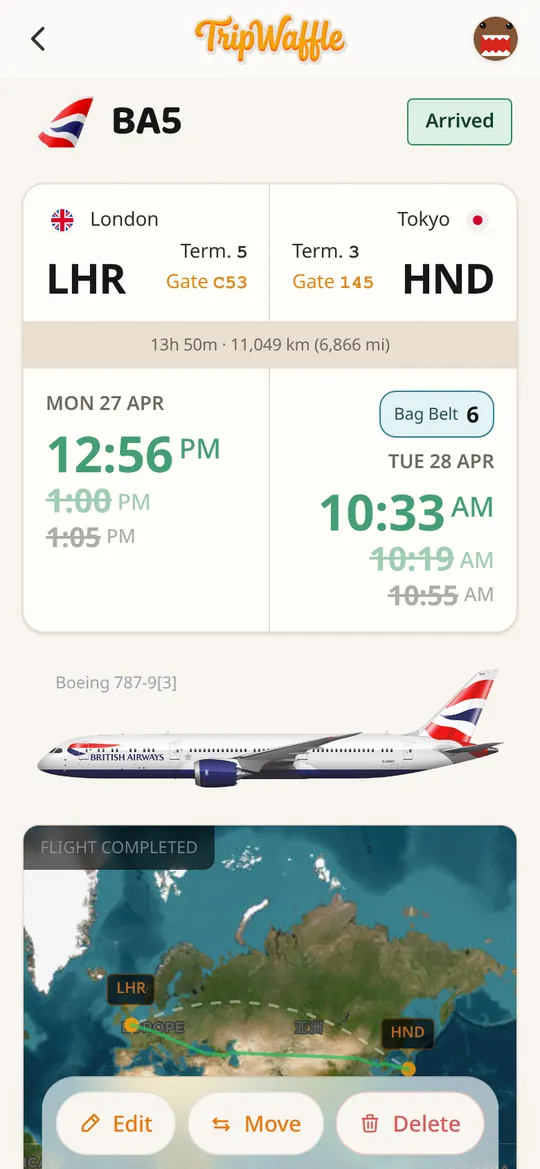
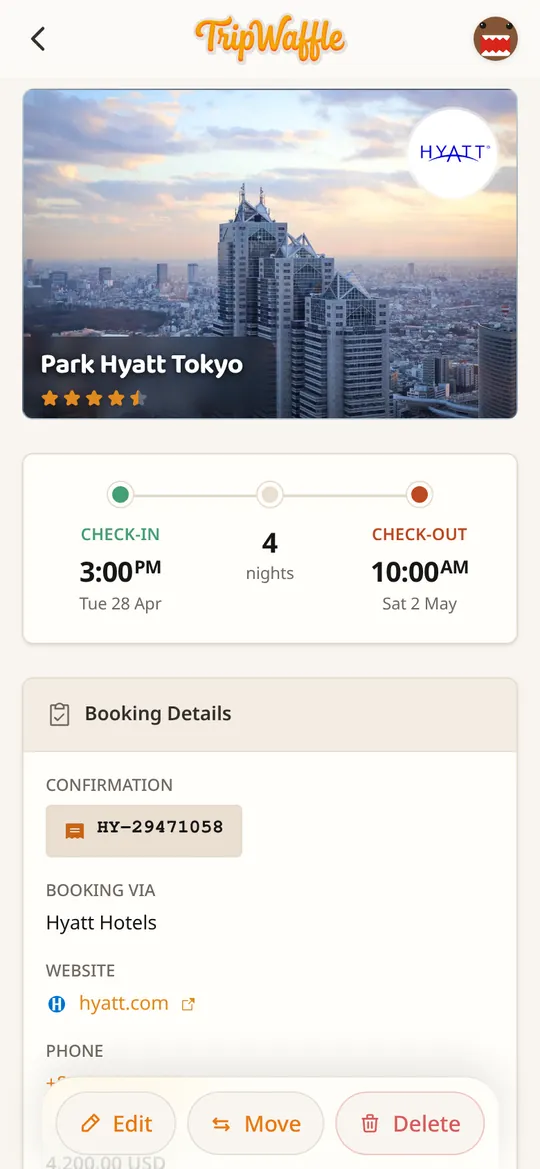
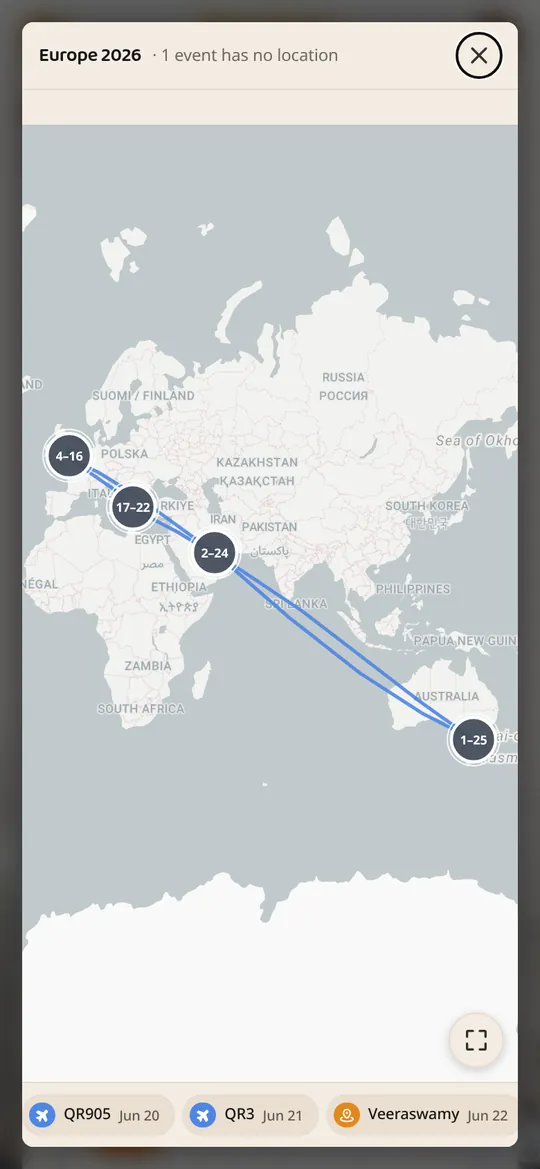
TripWaffle organizes your whole trip in one beautiful itinerary - and watches over it: government advisory alerts, the local emergency number, and entry requirements for Brasília, plus live flight tracking. Just forward your confirmation emails.


100% free · 3 second signup
Last updated: May 27, 2026