
Is Cambodia Safe?
Cambodia is manageable for most travelers, especially in established tourist areas, but it is not a low-risk destination by regional standards. The main issues are petty theft, phone and bag snatching, nightlife scams, weak road safety, and more limited help outside major cities.
Photo: allPhoto Bangkok / Unsplash
Perception vs Reality: Cambodia's image is still shaped by its past, but most visitors experience friendly day-to-day travel in places like Siem Reap and central Phnom Penh. The more common real-world problems are theft, transport risks, and scams rather than serious violence against tourists.
Risk Scores
Scale: 1 = very low risk, 10 = very high risk
Safety Overview
Overall Safety
Most trips to Cambodia are trouble-free if you stay alert in cities and tourist zones. Theft and transport issues are more likely than violent crime.
Violent Crime
Serious violence against visitors is less common than opportunistic theft, but robberies and assaults can happen, especially late at night or in isolated places.
Petty Crime
Bag snatching, pickpocketing, and phone theft are the most common traveler complaints, especially in Phnom Penh, nightlife areas, and crowded markets.
Scams
Expect inflated tuk-tuk fares, nightlife overcharging, border or visa confusion, and occasional fake booking or tour issues. App-based transport lowers risk.
Night Safety
Night risk rises noticeably in city nightlife districts, on quiet streets, and on beaches or islands away from crowds. Avoid walking alone after drinking.
Public Transport
City transport is basic, and road safety is a bigger concern than crime on many routes. Use reputable bus companies and avoid loosely regulated late-night options.
Police & Emergency
Police presence is visible in big cities and tourist hubs, but response quality can be uneven. Expect stronger support in major tourist areas than in rural provinces.
Day vs Night
Daytime
Daytime in main tourist areas is usually manageable, with theft and overcharging as the most likely issues. Temple sites, markets, and transport hubs need the most attention to belongings.
Nighttime
Risk rises after dark in Phnom Penh, Sihanoukville, and isolated beach or island areas. Avoid poorly lit streets, walking alone after bars, and displaying phones roadside.
Seasonal: Khmer New Year, Water Festival, and major holiday periods bring bigger crowds, heavier drinking, and more theft opportunities. Rainy season can worsen road conditions, flooding, and travel delays.
Who’s Visiting?
Tourists are common throughout Cambodia and are generally welcomed, but they are also obvious targets for overcharging, theft, and nightlife scams.
Common Risks
- ⚠ Bag or phone snatching from passing motorbikes
- ⚠ Overpriced tuk-tuks or unofficial transport
- ⚠ Nightlife bill padding or bar disputes
- ⚠ Petty theft in markets, riverside areas, and bus stations
Tips
- ✓ Use Grab or PassApp where available instead of negotiating on the street
- ✓ Keep phones and bags on the side away from traffic
- ✓ Carry small cash and avoid displaying large amounts
- ✓ Choose well-reviewed buses, hotels, and tours
Many solo women travel Cambodia successfully, especially in Siem Reap and established tourist routes, but harassment and late-night vulnerability are real concerns.
Common Risks
- ⚠ Persistent attention from drivers or men in nightlife areas
- ⚠ Drink tampering or intoxication-related vulnerability
- ⚠ Isolation on quiet streets, beaches, or island paths at night
- ⚠ Pressure from unofficial guides or transport operators
Tips
- ✓ Prefer app-booked transport and avoid hopping on random motos late at night
- ✓ Stay in central, reviewed accommodation with late check-in support
- ✓ Watch drinks closely and leave if a venue feels pushy or emptying out
- ✓ Share route and hotel details when traveling between towns or islands
Cambodia is generally more socially relaxed than some neighboring countries, and outright legal risk is low, but public attitudes are still mixed outside urban and tourist areas.
Same-sex relations are not criminalized. Social acceptance is uneven, with more tolerance in Phnom Penh and Siem Reap than in conservative rural areas.
Common Risks
- ⚠ Staring or intrusive questions rather than direct violence
- ⚠ Occasional discrimination in smaller towns or by service staff
- ⚠ General traveler risks such as theft and nightlife scams
Tips
- ✓ Urban tourist hubs are usually the easiest places to be openly LGBTQ+
- ✓ Use discretion with public affection in rural areas
- ✓ Choose well-reviewed hotels and nightlife venues
- ✓ Treat dating app meetups cautiously and meet in public first
Families usually find Cambodia manageable in major tourist centers, but traffic, heat, sanitation differences, and uneven healthcare access are practical concerns.
Common Risks
- ⚠ Chaotic roads and limited pedestrian safety
- ⚠ Heat exhaustion and dehydration
- ⚠ Crowds around festivals, temples, and markets
- ⚠ Limited emergency support outside major hubs
Tips
- ✓ Book central accommodation and pre-arranged transport
- ✓ Avoid renting motorbikes with children unless you are very experienced locally
- ✓ Carry water, sun protection, and basic supplies for day trips
- ✓ Use child-safe transport options instead of informal rides when possible
Phnom Penh, Siem Reap, Kampot, and some coastal spots are workable for remote workers, but theft, patchy standards, and transport reliability matter more than street violence.
Common Risks
- ⚠ Laptop or phone theft from cafes or shared spaces
- ⚠ Overpaying for short-term rentals or deposits
- ⚠ Patchy infrastructure outside main hubs
- ⚠ Nightlife-related scams in expat-heavy zones
Tips
- ✓ Do not leave electronics unattended in cafes or coworking areas
- ✓ Read rental reviews carefully and get terms in writing
- ✓ Keep backup mobile data and power banks for travel days
- ✓ Use ATMs inside banks or malls when possible
Crime & Threats
Pickpocketing
MediumCommon in markets, bus stations, temple crowds, and nightlife streets. Use zipped bags and keep valuables in front.
Phone Snatching
HighA frequent urban risk, especially in Phnom Penh, where thieves on motorbikes grab phones from hands or loose pockets near roads.
Robbery
MediumLess common than theft, but muggings and bag snatches happen after dark, especially on quiet streets or after heavy drinking.
Assault
MediumMost visitors are unlikely to face assault, but disputes in bars, intoxication, or isolated night travel raise the risk.
Drink Spiking
MediumReported in some nightlife settings. Watch drinks, avoid leaving them unattended, and be wary of aggressive invitations.
Taxi Scams
MediumOvercharging and route padding are more common than direct threats. App-booked cars and tuk-tuks reduce problems.
ATM Skimming
MediumUse ATMs attached to banks or inside busy malls. Be cautious with isolated machines and shield your PIN.
Tourist Scams
MediumCommon issues include inflated transport prices, fake tour offers, nightlife overbilling, and unofficial border or visa help.
Common Scams
Tuk-tuk overcharge
Drivers quote high rates, change the agreed fare, or add stops at shops where they get commission.
Use Grab or PassApp, or agree the full price and route before departure.
Phone snatch from motorbike
A rider passes close and grabs a phone being used near the road.
Do not hold your phone out near traffic and carry bags on the side away from the street.
Nightlife bill padding
Bars add drinks, inflate prices, or pressure intoxicated customers over disputed tabs.
Check menus first, track your orders, and leave if staff seem vague about pricing.
Unofficial visa or border help
Fixers or unofficial staff push extra fees or false paperwork help at border crossings.
Use official counters only and know visa requirements before arrival.
Fake or low-quality tours
Cheap tours are advertised with misleading inclusions, then upsold or poorly delivered.
Book through reviewed agencies or your hotel and confirm what is included in writing.
Area Map
Approximate locations from public sources. Conditions vary by time of day and current events.
Area Safety
Safer Areas
Busy, tourism-oriented, and easier for visitors to navigate with plenty of reputable hotels and transport options.
Popular with expats and visitors, with better services and more reliable app-based transport than many other city areas.
Generally calmer than major city nightlife zones, with a slower pace and easier movement in the main visitor area.
Be More Careful
More reports of theft, phone snatching, scams, and intoxication-related incidents.
Rapid development, uneven oversight, scams, and late-night disorder can make this area less comfortable for travelers.
Less police support, weaker medical access, and in some places lingering landmine risk off marked paths.
Getting Around
Walking
Fine by day in busy tourist districts, but urban walking can be awkward due to traffic, weak sidewalks, and roadside theft risk. Avoid quiet streets at night.
Taxis & Rideshare
Use Grab or PassApp where available for cars and tuk-tuks. Confirm destination and price in advance if using street-hailed transport.
Trains & Buses
Buses are widely used, but comfort and safety standards vary. Choose reputable companies, be cautious with overnight buses, and keep valuables on your person.
Do’s & Don’ts
Do
- Use app-based tuk-tuks and taxis when possible
- Keep phones and bags secured away from the roadside
- Stay in central, well-reviewed accommodation
- Use bank-attached ATMs and carry only the cash you need
- Plan intercity travel with reputable operators
Don’t
- Do not walk alone on quiet streets late at night after drinking
- Do not leave drinks unattended in bars or clubs
- Do not flash cash, jewelry, or expensive electronics
- Do not trust unofficial border helpers or vague tour offers
- Do not wander off marked paths in remote rural or border areas
How Does It Compare?
Safer Than
Cambodia is generally moderate risk: less dangerous than high-crime cities, but with more theft, scams, and weaker infrastructure than the safest Asian destinations.
Frequently Asked Questions
Usually yes in main tourist areas, but petty theft, scams, and road safety are the main problems visitors face.
Some central areas stay busy, but theft and snatching are more common after dark, especially around nightlife and riverside zones.
Many travel safely, especially on established routes, but late-night transport, isolated areas, and nightlife require extra care.
Data Notes
- Safety varies a lot between Phnom Penh, Siem Reap, coastal towns, islands, and remote rural provinces.
- Conditions in Sihanoukville change quickly due to ongoing development and uneven local oversight.
- Country-level summaries can understate very local risks such as isolated beach areas, nightlife venues, or remote border zones.
Explore Areas in Cambodia
Traveling to Cambodia?
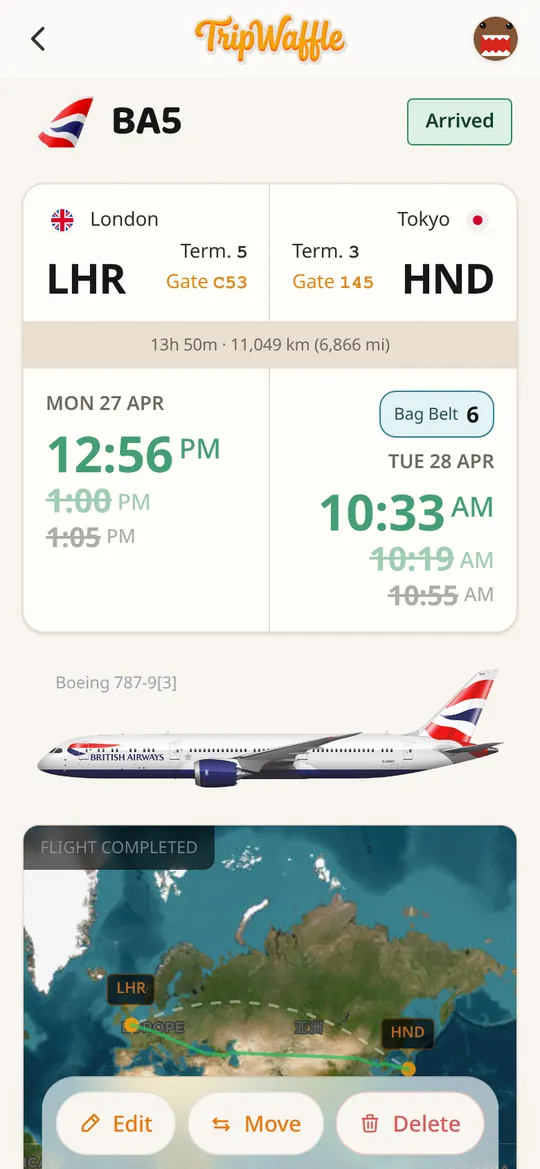
TripWaffle organizes your whole trip in one beautiful itinerary - and watches over it: government advisory alerts, the local emergency number, and entry requirements for Cambodia, plus live flight tracking. Just forward your confirmation emails.


100% free · 3 second signup
Last updated: May 27, 2026