
Is Bangkok Safe?
Bangkok is generally manageable for travelers, with most visits trouble-free if you stay alert in crowded areas and nightlife districts. The main issues are scams, pickpocketing, transport overcharging, and alcohol-related risks rather than serious violence.
Photo: Florian Wehde / Unsplash
Perception vs Reality: Bangkok can feel chaotic and has a strong nightlife reputation, but most tourist problems are minor scams or opportunistic theft, not random violent crime.
Risk Scores
Scale: 1 = very low risk, 10 = very high risk
Safety Overview
Overall Safety
Bangkok is a busy but workable city for travelers. Petty theft and scams are more common than violent crime, especially in tourist and nightlife areas.
Violent Crime
Serious violence against visitors is not common, but disputes linked to nightlife, intoxication, or late-night transport can escalate.
Petty Crime
Pickpocketing and bag theft happen in markets, transit hubs, and crowded nightlife streets. Keep phones and wallets out of easy reach.
Scams
Taxi meter refusal, tuk-tuk detours, temple-closed stories, gem shop pitches, and inflated bar bills are the most common visitor traps.
Night Safety
Nighttime is usually fine in busy central areas, but risk rises around heavy drinking zones, isolated side streets, and when returning late alone.
Public Transport
BTS and MRT are among the safer ways to move around. Crowding creates some pickpocket risk, but violent incidents are uncommon.
Police & Emergency
Tourist police are available in key areas, but response quality and English ability can vary. For minor scams, recovery of money is often difficult.
Day vs Night
Daytime
Daytime is generally straightforward in central Bangkok. Main concerns are traffic, heat, pickpockets in crowds, and transport scams around tourist sites.
Nighttime
Night brings higher risk in entertainment zones, especially with alcohol, touts, and unmetered taxis. Busy central streets are usually fine, but quiet side lanes feel less secure.
Seasonal: Songkran, New Year, big concerts, and holiday weekends bring larger crowds, more drunken behavior, and more theft opportunities. Heavy rain can also cause flooding and transport disruption.
Who’s Visiting?
Tourists are usually safe, but are frequent targets for overcharging and tourist-focused scams.
Common Risks
- ⚠ Taxi meter refusal
- ⚠ Tuk-tuk shopping detours
- ⚠ Pickpocketing in crowded markets
- ⚠ Inflated nightlife bills
- ⚠ Temple or attraction closure scams
Tips
- ✓ Use BTS or MRT when practical
- ✓ Insist on the meter or use app-based rides
- ✓ Carry only what you need in markets and nightlife zones
- ✓ Check bar and club prices before ordering
- ✓ Ignore unsolicited guides and gem shop invitations
Many solo women travel Bangkok comfortably, especially in central areas, but nightlife and late-night transport need more care.
Common Risks
- ⚠ Harassment in nightlife districts
- ⚠ Drink tampering or pressure to drink
- ⚠ Overfriendly strangers seeking to tag along
- ⚠ Late-night taxi discomfort
Tips
- ✓ Prefer app-booked rides at night
- ✓ Watch drinks being poured and do not leave them unattended
- ✓ Stay on busy, lit streets after dark
- ✓ Choose accommodation near BTS or MRT stations
- ✓ Leave bars or clubs early if the vibe shifts
Bangkok is one of the more LGBTQ-friendly cities in the region, especially in central urban areas and established nightlife zones.
Thailand is relatively accepting socially, and same-sex marriage is legal. In Bangkok, open expression is usually tolerated, though attitudes can be more conservative outside upscale, central, or LGBTQ-oriented spaces.
Common Risks
- ⚠ Harassment from intoxicated individuals
- ⚠ Tourist-targeted bar scams
- ⚠ Privacy concerns in nightlife or dating situations
Tips
- ✓ Use well-reviewed venues for nightlife and dating meetups
- ✓ Be cautious with strangers inviting you to private venues
- ✓ Keep valuables secure in clubs and crowded bars
- ✓ Expect generally low legal risk but mixed social attitudes in some settings
Families usually find Bangkok manageable, with transport, heat, traffic, and crowding being bigger issues than crime.
Common Risks
- ⚠ Traffic while crossing roads
- ⚠ Getting separated in malls or markets
- ⚠ Heat exhaustion and dehydration
- ⚠ Overpriced tuk-tuk or taxi rides
Tips
- ✓ Use malls and transit-connected areas for easier movement
- ✓ Set a meeting point in crowded places
- ✓ Use child ID cards or contact bracelets
- ✓ Avoid heavy nightlife districts with children late at night
Bangkok is popular for remote work and generally workable, but petty theft, nightlife distractions, and rental issues can affect longer stays.
Common Risks
- ⚠ Laptop theft in unattended cafes
- ⚠ Rental deposit disputes
- ⚠ Wi-Fi insecurity on public networks
- ⚠ Motorbike accident exposure if renting
Tips
- ✓ Do not leave devices unattended in cafes or coworking spaces
- ✓ Read apartment and deposit terms carefully
- ✓ Use a VPN on public Wi-Fi
- ✓ Choose neighborhoods with good transit access rather than relying on motorbikes
Crime & Threats
Pickpocketing
MediumMost likely in markets, transit interchanges, festivals, and tourist-heavy streets such as Khao San Road and Chatuchak.
Phone Snatching
MediumLess common than in some regional capitals, but exposed phones near roadsides or on motorbikes can be grabbed quickly.
Robbery
LowStreet robbery is not a leading threat for visitors, though intoxicated people are more vulnerable late at night.
Assault
LowAssault risk is usually linked to nightlife disputes, scams, or intoxication rather than random attacks.
Drink Spiking
MediumA known nightlife risk, especially in party areas and when accepting drinks from strangers.
Taxi Scams
HighMeter refusal, inflated flat fares, long-route driving, and claims that destinations are closed are common complaints.
ATM Skimming
LowNot among the top visitor risks, but use ATMs attached to banks or inside malls to reduce tampering exposure.
Tourist Scams
HighTemple-closed stories, gem shop detours, fake friendly locals, and inflated bar tabs remain common tourist-targeted scams.
Common Scams
Temple closed scam
A stranger says the temple or attraction is closed and offers a tuk-tuk tour to other places, usually ending at shops.
Ignore unsolicited advice and check opening hours yourself at the entrance or on official sources.
Tuk-tuk shopping detour
A very cheap ride turns into stops at gem, tailor, or souvenir shops where drivers earn commission.
Use tuk-tuks only for short rides with a clear destination and price, or use regular taxis and ride apps instead.
Taxi meter refusal
Drivers refuse the meter and quote an inflated flat fare, especially near malls, hotels, and nightlife spots.
Ask for the meter before entering or book through a ride app.
Inflated bar bill
Visitors are drawn into a bar or club and later presented with unexpected drink, service, or companion charges.
Choose established venues, review prices before ordering, and avoid places with aggressive street touts.
Friendly local shopping pitch
Someone starts a casual conversation and steers you toward a shop claiming a special sale or export deal.
Be polite but disengage when strangers try to redirect your plans to specific stores.
Area Map
Approximate locations from public sources. Conditions vary by time of day and current events.
Area Safety
Safer Areas
Busy commercial core with good transit, heavy foot traffic, and many hotels, malls, and staffed venues.
Popular residential and cafe area with a calmer feel than major tourist zones, especially in the evening.
Major hotels and regulated tourist infrastructure usually make these areas easier for first-time visitors.
Be More Careful
Heavy drinking, dense crowds, pickpocketing, touts, and occasional fights make it higher risk at night.
Bar scams, inflated bills, harassment, and late-night transport issues are more common around nightlife strips.
Crowds and distraction create easy conditions for pickpocketing and bag theft.
Getting Around
Walking
Walking is usually safe in busy districts, but sidewalks can be uneven and traffic is the bigger danger. Avoid using your phone openly near the curb on busy roads.
Taxis & Rideshare
App-based rides are usually the easiest way to avoid fare disputes. For street taxis, insist on the meter before getting in and leave if the driver refuses.
Trains & Buses
BTS and MRT are reliable and relatively low risk. Buses are cheap but harder for visitors to navigate and can be crowded.
Do’s & Don’ts
Do
- Use BTS and MRT for predictable travel
- Keep bags zipped and phones secure in crowded areas
- Book taxis or rides through reputable apps at night
- Check prices before ordering in bars or taking tuk-tuks
- Stay in well-reviewed areas with good transit access
Don’t
- Do not accept claims that major attractions are suddenly closed without checking
- Do not leave drinks unattended in nightlife venues
- Do not get into taxis that refuse the meter unless the fare is clearly agreed and reasonable
- Do not flash cash, luxury items, or expensive electronics in crowded markets
- Do not follow strangers to secondary locations for shopping or nightlife
How Does It Compare?
Frequently Asked Questions
Usually yes. Most tourist issues involve scams, overcharging, and petty theft rather than serious violence.
Busy central areas are often fine, but nightlife districts bring more risk from scams, drink spiking, and transport disputes.
Watch for taxi meter refusal, tuk-tuk shopping detours, temple-closed stories, gem shop pitches, and inflated bar bills.
Data Notes
- Risk can vary sharply by neighborhood, time of night, and whether alcohol or nightlife is involved.
- Crime trends and enforcement can shift during peak tourist seasons, major events, and local crackdowns.
- Specific nightlife venues change frequently, so bar and club scam risk is harder to assess at venue level.
Explore Areas in Bangkok
Other Destinations in Thailand
Traveling to Bangkok?
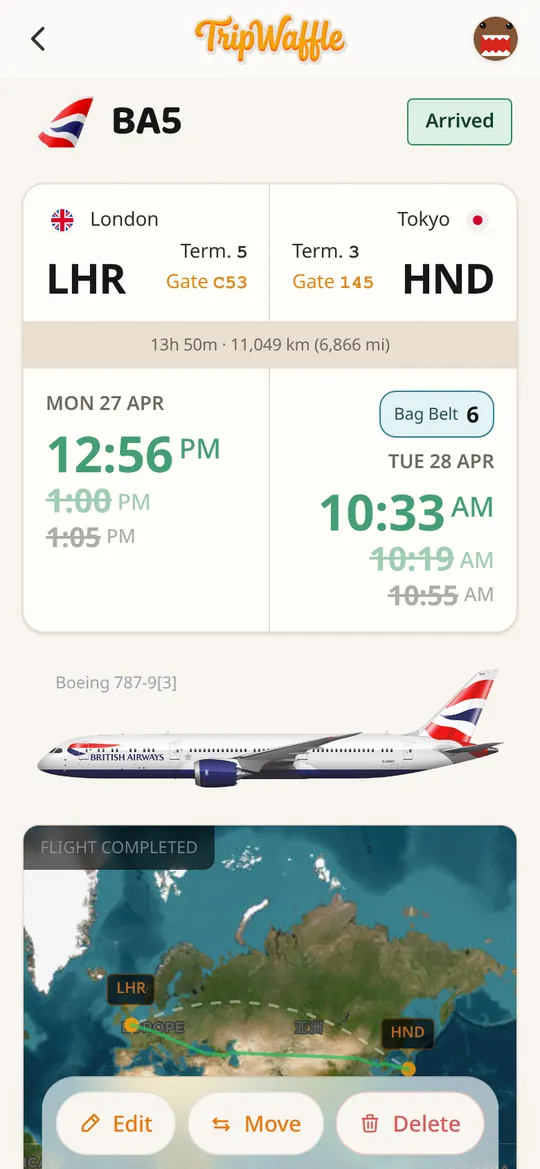
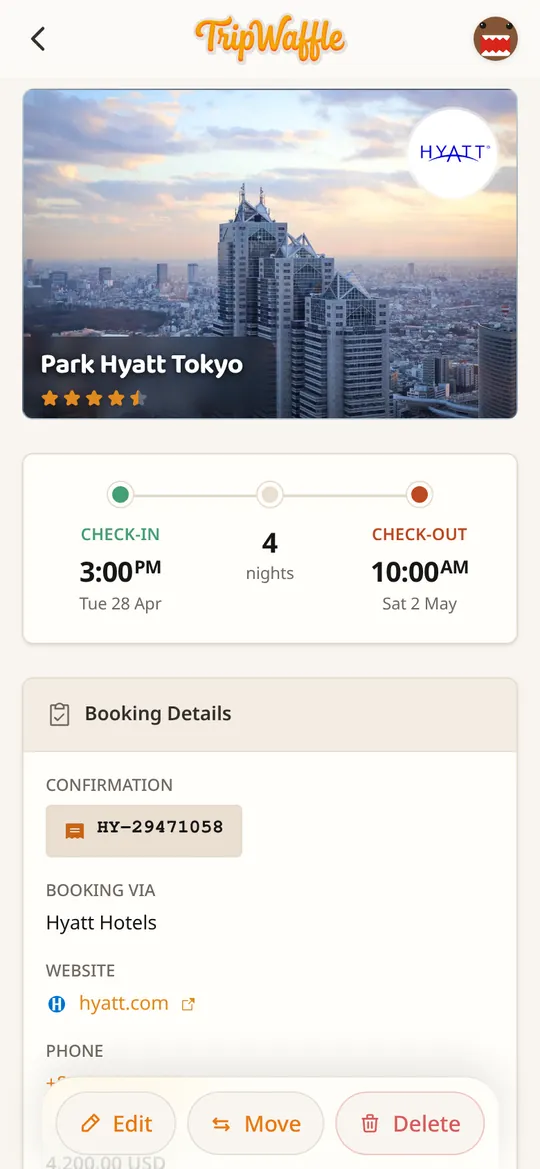
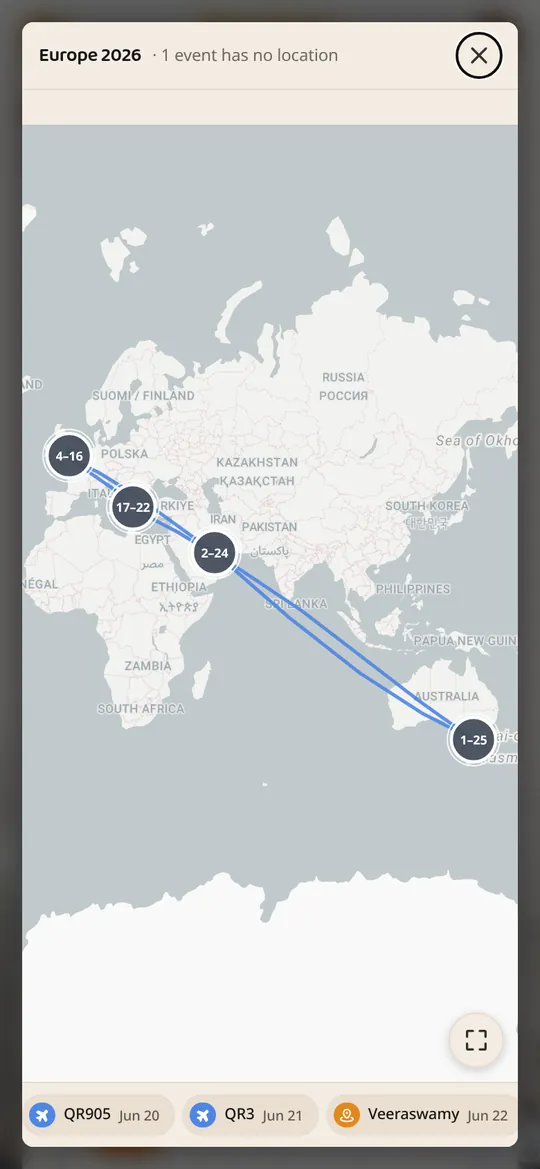
TripWaffle organizes your whole trip in one beautiful itinerary - and watches over it: government advisory alerts, the local emergency number, and entry requirements for Bangkok, plus live flight tracking. Just forward your confirmation emails.


100% free · 3 second signup
Last updated: May 27, 2026