Is Croatia Safe?
Croatia is generally a safe country for travelers, with low violent crime and manageable petty theft concentrated in busy tourist areas, transport hubs, and summer nightlife zones. The main practical risks are pickpocketing, overpriced taxis or tourist overcharging, alcohol-related incidents after dark, and in a few remote rural areas, staying off unmarked land due to residual landmine contamination from the 1990s war.
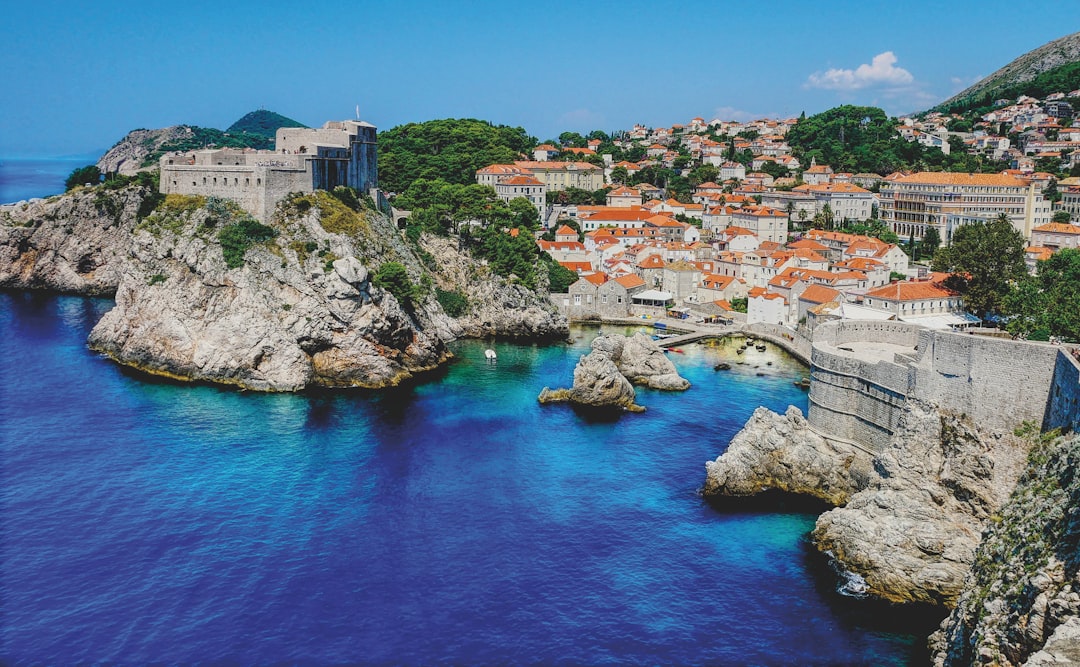
Photo: Matthias Mullie / Unsplash
Perception vs Reality: Croatia is often viewed through outdated war-era perceptions, but most cities, coastal resorts, and tourist routes are calm and well set up for visitors. The old conflict mainly matters today as a remote-area landmine issue in some marked rural zones, not in normal tourist areas.
Risk Scores
Scale: 1 = very low risk, 10 = very high risk
Safety Overview
Overall Safety
Croatia is one of the safer countries in the region for visitors. Most trips are trouble-free, especially outside peak-season crowds and heavy nightlife areas.
Violent Crime
Violent crime affecting travelers is uncommon. Most reported issues are opportunistic theft, bar-related disputes, or isolated late-night incidents.
Petty Crime
Pickpocketing and bag theft are the main crime risks, especially in Dubrovnik, Split, Zagreb transport hubs, beaches, and packed summer events. Keep phones and wallets secure in crowded areas.
Scams
Scams are usually low-level rather than sophisticated. Watch for unofficial taxis, apartment booking fraud, nightlife overcharging, and tourist-priced add-ons near ports and old towns.
Night Safety
Evenings are generally fine in central areas, but risk rises around bars, clubs, beach parties, and ferry or bus stations after midnight. Alcohol is a bigger risk factor than street crime.
Public Transport
Public transport is broadly safe and easy to use. Keep bags close on buses, ferries, and at stations, especially during summer when crowds make theft easier.
Police & Emergency
Police response is generally reliable in major towns and tourist areas. For emergencies, 112 works nationwide.
Day vs Night
Daytime
Daytime risk is low across most cities, towns, and tourist routes. The main concerns are pickpockets in crowded heritage centers, ports, beaches, and markets.
Nighttime
Night remains fairly safe in busy central areas, but risk rises around clubs, beach parties, transport hubs, and isolated waterfronts. Alcohol-related incidents matter more than random street crime.
Seasonal: Summer brings the biggest spike in theft, scams, crowding, and nightlife-related problems, especially on the coast and islands. Festivals, yacht parties, and party destinations raise drink safety risks, while heat, wildfires, ferry congestion, and rough sea conditions can also disrupt plans.
Who’s Visiting?
Tourists usually find Croatia easy and safe to navigate. The main issues are petty theft in crowded heritage areas and overcharging in high-season tourist zones.
Common Risks
- ⚠ Pickpocketing in old towns and on busy promenades
- ⚠ Unofficial or overpriced taxis from airports, ports, and bus stations
- ⚠ Apartment booking scams in peak season
- ⚠ Bar or restaurant overcharging in nightlife-heavy areas
Tips
- ✓ Use official taxis or app-based rides where available
- ✓ Keep valuables zipped and in front in crowded old towns
- ✓ Book accommodation through reputable platforms and confirm directly
- ✓ Check menus, cover charges, and taxi pricing before accepting
Croatia is generally a good destination for solo women, including in major cities and coastal towns. Most concerns are the usual late-night issues around drinking, unwanted attention, and poorly lit streets near transport hubs.
Common Risks
- ⚠ Harassment or persistent flirting in bars and clubs
- ⚠ Drink tampering or intoxication-related vulnerability
- ⚠ Walking alone near stations or quiet waterfront areas late at night
Tips
- ✓ Prefer licensed taxis or rideshare after late nights out
- ✓ Watch your drink and avoid leaving it unattended
- ✓ Choose central accommodation with good reviews
- ✓ If nightlifeing alone, tell someone your route back
Croatia is workable for LGBTQ+ travelers, especially in Zagreb and tourist-heavy coastal areas, but social attitudes can be more conservative outside major urban or international tourism zones.
Same-sex partnerships are legally recognized and LGBTQ+ travel is generally possible without major legal concern. Social acceptance is mixed, and public displays of affection may attract attention or occasional verbal harassment in more conservative areas.
Common Risks
- ⚠ Verbal harassment rather than physical violence
- ⚠ Less accepting attitudes in smaller towns or traditional rural areas
- ⚠ Nightlife-related incidents when alcohol is involved
Tips
- ✓ Zagreb and larger coastal destinations tend to be the most comfortable
- ✓ Use judgment with public affection in conservative settings
- ✓ Choose well-reviewed venues and accommodation
- ✓ If going out late, stick to busy central areas and pre-book transport
Croatia is a strong family destination with low crime risk in most places. Non-crime risks like heat, sun, swimming conditions, road driving, and crowded summer transport are often more relevant than personal safety.
Common Risks
- ⚠ Crowding in peak-season old towns and ferry terminals
- ⚠ Heat and dehydration in summer
- ⚠ Slippery waterfront steps, rocks, and sea entry points
- ⚠ Road fatigue on long coastal drives
Tips
- ✓ Carry water and sun protection in summer
- ✓ Keep children close in ports, promenades, and old towns
- ✓ Use proper footwear on rocky beaches and waterfronts
- ✓ Allow extra time for ferries and road travel during peak season
Croatia is generally comfortable for digital nomads, especially in Zagreb, Split, Zadar, and Istria. Safety issues are usually minor and revolve around apartment quality, petty theft, and nightlife rather than serious crime.
Common Risks
- ⚠ Apartment listing scams or misleading short-term rentals
- ⚠ Laptop and phone theft in cafés or coworking-adjacent settings
- ⚠ Seasonal price spikes and crowded transport in summer
Tips
- ✓ Rent through established platforms and verify reviews carefully
- ✓ Do not leave laptops unattended in cafés or shared spaces
- ✓ Pick accommodation in central, well-reviewed neighborhoods
- ✓ Plan around summer congestion if moving between coastal cities
Crime & Threats
Pickpocketing
MediumMost likely in Dubrovnik, Split, Zagreb, beaches, festivals, and transport hubs during summer.
Phone Snatching
LowLess common than in many major European cities, but phones can be grabbed from café tables, promenades, or crowded nightlife spots.
Robbery
LowStreet robbery is uncommon, though isolated late-night incidents can happen around clubs, stations, or after heavy drinking.
Assault
LowAssault risk for travelers is generally low and more often linked to nightlife disputes than random attacks.
Drink Spiking
MediumNot a defining risk, but reports do occur in bars and clubs, especially in party destinations and peak summer season.
Taxi Scams
MediumOvercharging is the main issue, especially at airports, ferry ports, and late at night if you use unlicensed drivers.
ATM Skimming
LowNot widespread, but use bank ATMs in well-lit areas rather than isolated tourist machines.
Tourist Scams
MediumTypical issues include fake accommodation listings, inflated bills, parking overcharges, and add-on fees in busy tourist areas.
Common Scams
Unofficial taxi overcharging
Drivers approach tourists at airports, ports, or stations and quote inflated fixed prices or take indirect routes.
Use official ranks, apps, or hotel-booked cars and check approximate fares in advance.
Fake or misleading apartment listings
Scammers advertise non-existent or poor-quality accommodation and request deposits outside trusted platforms.
Book through reputable sites, read recent reviews, and avoid bank transfers to private individuals.
Bar or restaurant overcharging
Bills may include unmentioned items, inflated tourist pricing, or unclear cover charges in nightlife areas.
Check menus and prices first, ask about cover charges, and review the bill before paying.
Parking fee or tourist service overcharges
Informal attendants or aggressive sellers charge extra near beaches, old towns, or event areas.
Use marked parking, official machines, and decline unsolicited help unless clearly legitimate.
Area Safety
Safer Areas
Popular, well-developed tourist zone with generally low violent crime and a relaxed atmosphere.
Busy, well-served, and generally safe by day and evening, especially around main commercial and historic areas.
Many resort towns are calm outside late-night party pockets, with crime mostly limited to occasional petty theft.
Be More Careful
Very crowded in peak season, making pickpocketing, bag theft, and tourist overcharging more likely.
Crowds, nightlife, and transit mix can create more opportunities for theft and drunken disturbances.
Generally not highly dangerous, but less comfortable late at night and better treated with extra awareness.
Some marked off-limits zones still carry residual landmine risk off established roads and signed trails.
Getting Around
Walking
Walking is generally safe in cities and tourist towns. At night, stick to lit streets and avoid quiet station zones or isolated waterfront stretches after bars close.
Taxis & Rideshare
Use official taxis, apps, or hotel-booked rides. Confirm the meter or fare estimate before starting, especially from airports, ferry ports, and major bus stations.
Trains & Buses
Buses are the main intercity option and are generally safe, but keep bags with you and label luggage clearly. On ferries and at terminals, watch belongings during boarding and disembarking.
Do’s & Don’ts
Do
- Keep valuables secured in crowded old towns, ferries, and bus stations
- Use licensed taxis or reputable ride apps where available
- Stay on marked roads and trails in remote rural areas
- Carry water and sun protection during summer travel
- Check accommodation reviews and booking details carefully
Don’t
- Do not leave phones or bags unattended on café tables or beaches
- Do not accept rides from unlicensed drivers at ports or airports
- Do not wander off marked paths in remote inland areas
- Do not get heavily intoxicated in party zones without a plan back
- Do not assume all nightlife charges are obvious before ordering
How Does It Compare?
Frequently Asked Questions
Yes. Croatia is generally safe for tourists, with low violent crime and mostly minor risks like pickpocketing, taxi overcharging, and nightlife issues.
Usually yes in busy central areas, but be more careful around clubs, ports, stations, and quiet streets after midnight.
The most common issues are unofficial taxis, fake apartment listings, nightlife overcharging, and petty theft in crowded tourist zones.
Data Notes
- Risk varies a lot between quiet inland areas and crowded coastal hotspots in peak summer.
- Nightlife-related risks are higher on party islands and festival weekends than countrywide averages suggest.
- Residual landmine contamination remains a concern only in some marked remote areas, not in standard tourist zones.
Explore Areas in Croatia
Traveling to Croatia?
TripWaffle organizes your entire trip — flights, hotels, trains, events — in one beautiful itinerary. Just forward your confirmation emails.


100% free · 3 second signup
Last updated: March 21, 2026