
Is Cairo Safe?
Cairo is manageable for most visitors, but it is not a low-friction city. The main issues are persistent scams, aggressive touting, traffic danger, crowd-related theft, and harassment, especially for women; serious violent crime against tourists is less common than these day-to-day problems.
Photo: Omar Elsharawy / Unsplash
Perception vs Reality: Cairo's reputation can sound worse than many visitors experience: most trips are trouble-free in terms of violent crime. The bigger reality is constant hassle, overcharging, traffic risk, and gender-based harassment rather than random armed attacks.
Risk Scores
Scale: 1 = very low risk, 10 = very high risk
Safety Overview
Overall Safety
Cairo is usually safe enough for prepared travelers, but it demands patience and street awareness. Most visitor problems involve scams, harassment, and unsafe traffic rather than serious violent crime.
Violent Crime
Violent crime affecting tourists is less common than in some higher-risk cities, but disputes, opportunistic robbery, and assault can happen in isolated areas or late at night.
Petty Crime
Pickpocketing and bag theft are most likely in crowded markets, transport hubs, and packed metro cars. Keep phones and wallets out of easy reach.
Scams
Scams and pressure-selling are among the most common tourist problems. Expect inflated prices, taxi meter refusals, unofficial guides, and persistent sales tactics near major sights.
Night Safety
Busy, well-lit areas remain active at night, but harassment, poor lighting on side streets, and erratic driving increase risk after dark. Avoid walking alone in quiet areas late.
Public Transport
The metro is useful and cheap but can be very crowded, especially at rush hour. Crowding raises the risk of theft and harassment more than serious violence.
Police & Emergency
Police are visible in central and tourist areas, but response quality and English ability can vary. Hotel staff or a trusted local contact can be helpful if you need assistance or translation.
Day vs Night
Daytime
Daytime is generally easier for moving around, especially in busy districts and tourist areas. Main issues are scams, crowding, heat, and traffic rather than serious crime.
Nighttime
At night, harassment, poor pedestrian conditions, and isolated side streets make movement less comfortable. Use rideshare for longer distances and avoid quiet areas unless you know them well.
Seasonal: Summer heat can be severe and makes walking harder. Ramadan evenings, Eid periods, big events, and occasional political or football-related gatherings can increase congestion, transport disruption, and petty theft risk.
Who’s Visiting?
Tourists usually face nuisance crime and overcharging more often than violent crime. The biggest frustrations are persistent touts, transport hassles, and pressure around famous sites.
Common Risks
- ⚠ Unofficial guides near attractions
- ⚠ Taxi overcharging or meter refusal
- ⚠ Pickpocketing in crowded markets and stations
- ⚠ Pressure to buy souvenirs or services
Tips
- ✓ Use rideshare apps or agree taxi price before starting
- ✓ Carry small bills and avoid showing large amounts of cash
- ✓ Ignore persistent touts and keep walking
- ✓ Book guides and tours through reputable providers
Solo women often report unwanted attention and harassment, including staring, comments, and attempts to start conversations. Risk is lower in upscale areas and when using trusted transport, but it remains a key concern.
Common Risks
- ⚠ Street harassment
- ⚠ Crowding-related groping on transport
- ⚠ Unwanted attention when walking alone at night
- ⚠ Pressure from male vendors or unofficial helpers
Tips
- ✓ Prefer rideshare over street-hailed taxis, especially after dark
- ✓ Use women-only metro cars when available
- ✓ Dress low-key to reduce attention, especially outside tourist zones
- ✓ Choose busy, well-reviewed hotels in Zamalek, Maadi, Garden City, or New Cairo
LGBTQ travelers face elevated social and practical risk in Cairo. Public discretion is important because same-sex relationships and gender expression can attract unwanted attention, harassment, or legal scrutiny.
Egypt does not have broad protections for LGBTQ people, and enforcement can involve morality or public decency laws. Social attitudes are generally conservative, so open displays of affection or highly visible expression can increase risk.
Common Risks
- ⚠ Harassment or outing
- ⚠ Problems linked to dating apps or online contact
- ⚠ Police scrutiny in sensitive situations
- ⚠ Discrimination in nightlife or accommodation settings
Tips
- ✓ Keep dating app use cautious and private
- ✓ Avoid public displays of affection
- ✓ Choose internationally branded or well-reviewed accommodation
- ✓ Be selective about who you trust with personal information
Families can travel in Cairo with planning, but traffic, heat, crowds, and aggressive sales behavior can be tiring. Child-focused safety is often more about transport and environment than crime.
Common Risks
- ⚠ Chaotic road crossings
- ⚠ Crowding at markets and major sights
- ⚠ Heat exhaustion in warmer months
- ⚠ Getting separated in busy areas
Tips
- ✓ Use private transport or rideshare with children
- ✓ Keep meet-up points and ID info for older kids
- ✓ Avoid peak afternoon heat when sightseeing
- ✓ Stay in quieter districts with easy transport access
Digital nomads often find Cairo affordable and lively, but day-to-day friction can be high. The main issues are transport stress, scams, occasional internet reliability concerns, and navigating conservative social norms.
Common Risks
- ⚠ Taxi and service overcharging
- ⚠ Petty theft in cafes or shared spaces
- ⚠ Housing misrepresentation
- ⚠ Harassment or attention in less international neighborhoods
Tips
- ✓ Choose housing in Zamalek, Maadi, or New Cairo
- ✓ Use secure Wi-Fi practices and keep devices close in cafes
- ✓ Inspect short-term rentals carefully before long stays
- ✓ Rely on rideshare rather than informal transport for daily commuting
Crime & Threats
Pickpocketing
MediumCommon in dense crowds such as Khan el-Khalili, metro stations, and busy downtown areas.
Phone Snatching
MediumPhones can be grabbed in crowded streets or from distracted pedestrians, especially near roads and transport hubs.
Robbery
LowStreet robbery is less common than scams and harassment, but isolated late-night routes increase risk.
Assault
MediumAssault risk is moderate and more likely around disputes, nightlife, harassment situations, or isolated areas after dark.
Drink Spiking
LowNot the main citywide risk, but normal nightlife precautions still matter in bars, parties, and private invitations.
Taxi Scams
HighMeter refusal, route padding, and inflated fares are common with street taxis, especially for visitors.
ATM Skimming
MediumUse ATMs attached to banks or inside malls and avoid help from strangers at machines.
Tourist Scams
HighUnofficial guides, fake 'closed' attractions, souvenir pressure, and inflated service charges are frequent near major sights.
Common Scams
Unofficial guide at tourist sites
A person approaches offering help, a shortcut, or a tour, then demands payment or leads you to shops.
Use licensed guides booked in advance and decline help firmly but briefly.
Taxi meter refusal
A driver says the meter is broken or quotes a high flat fare once you are already in the car.
Use Uber or Careem, or agree the price before the taxi moves.
Fake friendliness in bazaars
A seller offers tea, directions, or a 'gift' to create obligation, then pressures you to buy.
Keep interactions short, do not accept unwanted extras, and walk away early.
Attraction is 'closed' trick
Someone claims a site is closed and offers to take you elsewhere for a fee or commission.
Check hours yourself and ignore unofficial claims near entrances.
Animal ride or photo setup
A camel, horse, or photo appears cheap at first, then the handler demands much more at the end.
Agree the full price clearly in advance, including photos, waiting time, and return.
Area Map
Approximate locations from public sources. Conditions vary by time of day and current events.
Area Safety
Safer Areas
Popular with expatriates and visitors, with better walkability, dining options, and a calmer feel than many central areas.
Residential and relatively relaxed, with many foreign residents and lower hassle levels than core tourist zones.
Central but quieter than much of downtown, with embassies, hotels, and more controlled streets.
More modern, car-oriented, and generally lower in street pressure, though less convenient for classic sightseeing.
Be More Careful
Busy, chaotic, and tiring; theft, scams, harassment, and traffic risk rise in crowds and after dark.
Very crowded transport hub where pickpocketing, confusion, and aggressive hassle are more likely.
Common site for overcharging, pickpocketing, and persistent touts, especially when distracted.
Nearby but relevant for Cairo visitors; unofficial guides, animal-ride pressure, and inflated prices are common.
Getting Around
Walking
Walking is practical in limited areas such as Zamalek or parts of Maadi, but many streets are noisy, crowded, and difficult to cross safely. Traffic is often a bigger hazard than crime.
Taxis & Rideshare
Rideshare apps are usually the easiest and most predictable option. With street taxis, confirm the fare or meter before the ride to avoid disputes.
Trains & Buses
The metro is efficient for key routes but can be packed, especially at rush hour. Buses and minibuses are less visitor-friendly and can involve confusion, crowding, and unwanted attention.
Do’s & Don’ts
Do
- Use rideshare apps for most trips
- Keep valuables zipped and close in crowded areas
- Carry small notes for routine purchases
- Stay in well-reviewed hotels or apartments in established districts
- Be firm and brief when declining offers
- Cross roads carefully and expect unpredictable driving
Don’t
- Do not flash cash, jewelry, or expensive phones
- Do not rely on strangers for ATM help or unsolicited directions
- Do not get into fare disputes after the ride starts
- Do not wander quiet side streets alone late at night
- Do not assume friendly help near tourist sites is free
- Do not use dating apps casually if privacy matters
How Does It Compare?
Safer Than
Cairo's risk profile is driven more by scams, harassment, and street chaos than by the very high violent-crime patterns seen in some Latin American or South African cities.
Frequently Asked Questions
Usually yes, but most visitors deal with scams, transport hassles, and harassment rather than serious violent crime.
Busy areas stay active, but side streets feel less comfortable after dark. Rideshare is usually better than walking far at night.
It is possible, but harassment is a real issue. Choosing good neighborhoods, using rideshare, and limiting late-night walking help.
Data Notes
- Reliable neighborhood-level crime data is limited, so conditions can vary block by block.
- Tourist risk changes a lot by gender, language ability, dress, and whether you use trusted transport.
- Political or security conditions can shift quickly and may affect movement around major public areas.
- Some place-specific reputations in Cairo change over time, especially in nightlife and market zones.
Other Destinations in Egypt
Traveling to Cairo?
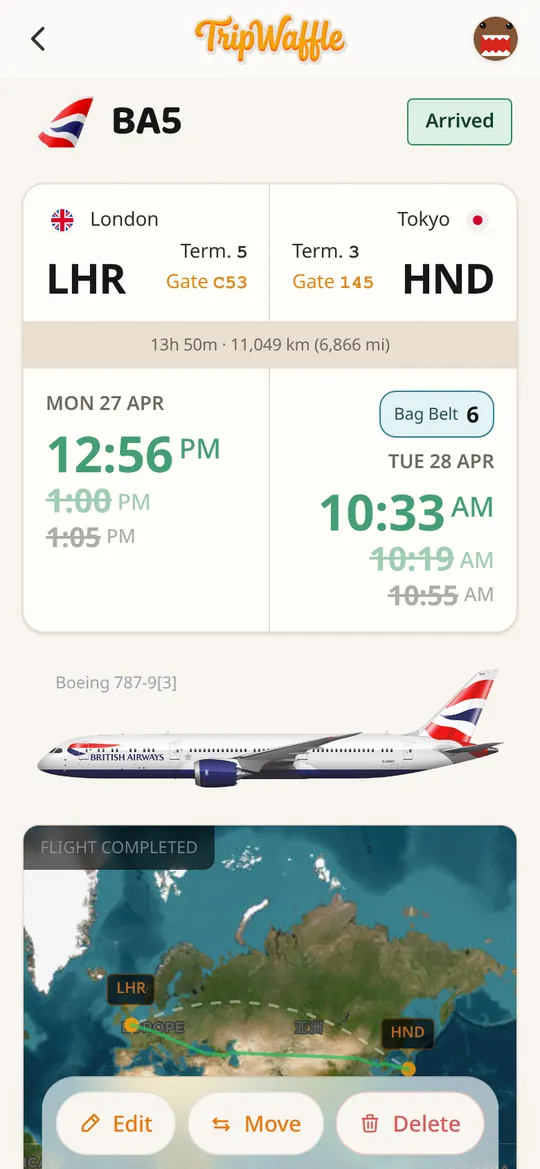
TripWaffle organizes your whole trip in one beautiful itinerary - and watches over it: government advisory alerts, the local emergency number, and entry requirements for Cairo, plus live flight tracking. Just forward your confirmation emails.


100% free · 3 second signup
Last updated: May 27, 2026